The static hiss of the tape fades, but the silence that follows isn't empty. It pulses with a remembered anxiety, a fragmented echo of psychological dread. Some films aren't just watched; they're deciphered, pieced together like shards of a broken mirror reflecting something deeply unsettling. Evangelion: Death (True)² isn't a conventional film; it’s more like a fever dream condensed, a recursive nightmare captured on magnetic tape, demanding you revisit traumas you thought you'd already processed. Released in 1998, it arrived in the West during that fertile period when anime was transitioning from niche obsession to burgeoning cultural force, often via grainy fan-subtitled tapes or pricey official releases that felt like forbidden artifacts.
Symphony of Deconstruction
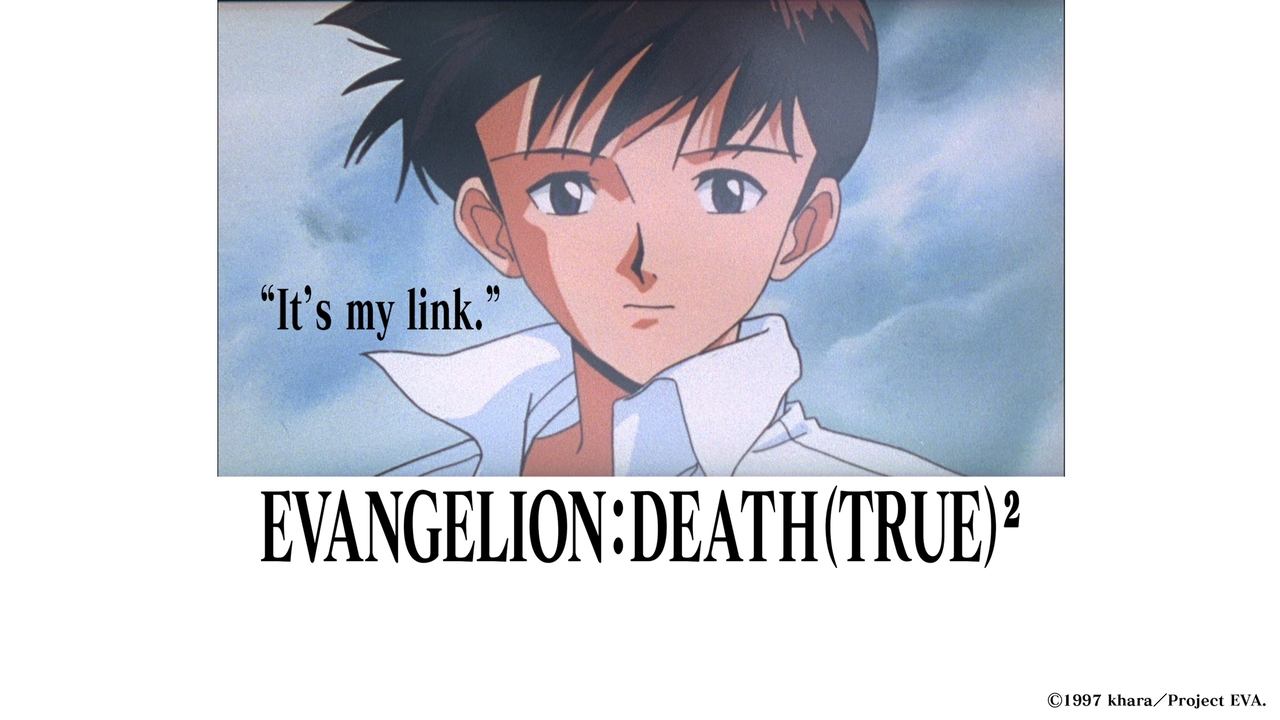
Let's clear the air, because understanding Death (True)² requires navigating a labyrinth worthy of NERV headquarters itself. This isn't entirely new Evangelion. It's essentially the refined, final version of the "Death" segment from 1997's Evangelion: Death & Rebirth. Confused? You weren't alone back then. After the controversial, minimalist ending of the original Neon Genesis Evangelion TV series (1995-96) left many fans bewildered or enraged, Hideaki Anno and Studio Gainax were under immense pressure. Death & Rebirth was conceived as a two-parter: "Death," a stylish recap of the series, and "Rebirth," a preview of the real cinematic ending to come. Death (True)² is "Death" polished, slightly re-edited, removing the "Rebirth" segment entirely, designed to stand as the definitive thematic summary before viewers plunged into the abyss of The End of Evangelion (1997). Think of it less as a movie, more as an orchestral overture composed of rearranged fragments from the main opera.
The film uses the curious framing device of the main characters – Shinji, Asuka, Rei, and Kaworu – seemingly preparing for and performing as a string quartet. These sequences, rendered with a quiet intensity, serve as interludes between the explosive, often harrowing, clips from the series. Does it work? It’s… strange. It imposes a melancholic, almost funereal structure onto the chaotic narrative, highlighting the characters' isolation and the fragile, often broken connections between them. It’s an artistic choice that feels distinctly Evangelion – intellectually stimulating but emotionally distancing, forcing reflection rather than simple consumption.

Echoes in the Chamber
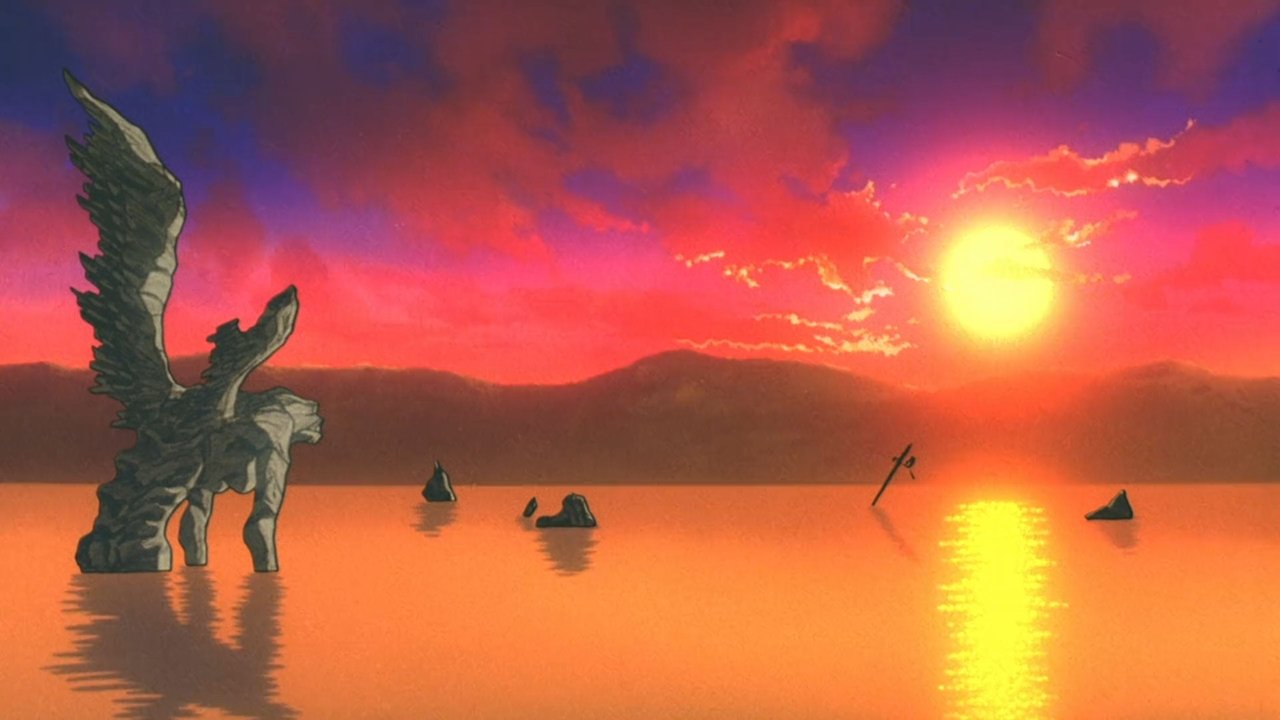
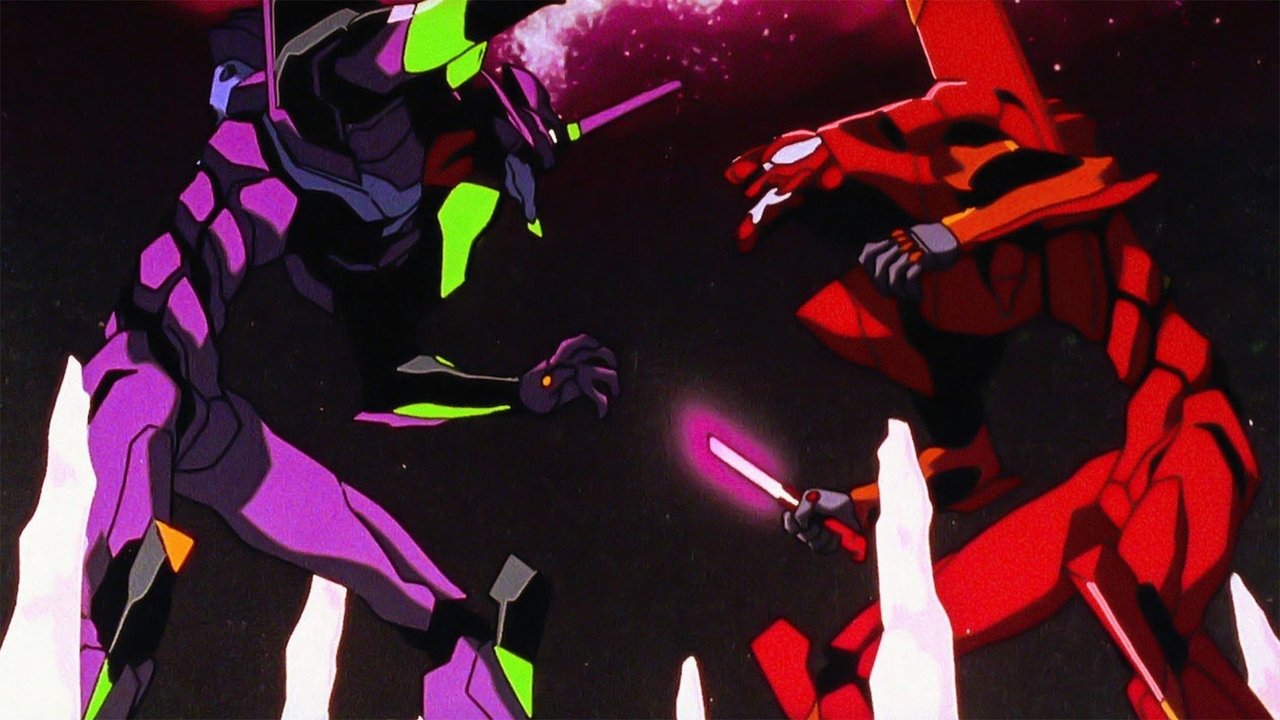
What Death (True)² excels at is atmosphere. Stripped of the week-to-week pacing of television, the compiled scenes hit differently. The Angel attacks retain their terrifying scale and bizarre, often Giger-esque bio-mechanical horror. The psychological breakdowns feel even more concentrated, more relentless. Shiro Sagisu's iconic score swells and recedes, perfectly complementing the jarring shifts between visceral action and introspective despair. Seeing pivotal moments juxtaposed – a brutal Eva battle followed by a quiet scene of Rei's existential questioning – emphasizes the core themes: trauma, communication breakdown, the desperate search for identity and connection in a world perpetually on the brink.
We get glimpses of the core voice cast's phenomenal work – Megumi Ogata's portrayal of Shinji Ikari remains a benchmark of vulnerability and repressed rage, Megumi Hayashibara captures Rei Ayanami's unsettling otherness, and Yuko Miyamura embodies Asuka Langley Soryu's fiery pride and devastating insecurity. Even in these curated snippets, their performances anchor the emotional weight. It's a reminder of how crucial their contributions were to the series' impact. Trying to parse this complex narrative on a fuzzy CRT screen, perhaps relying on fan translations of varying quality, only added to the mystique and the feeling of grappling with something profound and difficult. Remember rewinding certain scenes, trying to catch a detail, debating interpretations with friends? Death (True)² almost feels designed for that kind of obsessive viewing.
A Necessary Fragment?
Here’s the rub: divorced from its context, Death (True)² is functionally impenetrable to newcomers. It assumes intimate familiarity with the series. Key plot points whiz by, character arcs are compressed into montages, and the emotional impact relies heavily on pre-existing investment. It’s not a story; it's a thematic essay presented through meticulously re-edited footage, punctuated by that haunting string quartet. Its creation speaks volumes about the chaotic production surrounding Evangelion's conclusion and Anno's complex relationship with his creation and its audience. It was an attempt to provide something – a recap, a bridge, perhaps even an apology – before the truly definitive, and utterly devastating, finale landed.
For the dedicated fan back in the late 90s, obtaining this tape felt like finding another piece of the puzzle. Was it the most essential piece? Probably not. The original series and The End of Evangelion remain the core texts. But as a mood piece, a curated collection of the series' aesthetic and thematic concerns, it holds a strange power. It captures the feeling of Evangelion – that unique blend of adolescent angst, giant robot action, religious symbolism, and profound existential dread – in a concentrated, almost abstract form.
Rating: 6/10
This score reflects its nature. As a standalone film, it barely functions. As a companion piece, a meticulously crafted thematic recap designed to prepare audiences for The End of Evangelion, it's a fascinating artifact. The atmosphere is thick, the visuals (even recycled) are often stunning, and the string quartet framing adds a layer of melancholic artistry. However, its inherent reliance on the source material and its fragmented structure prevent it from being truly essential viewing on its own. It earns points for its artistic ambition and its crucial role in the convoluted release history of one of anime's most important franchises, but loses points for its narrative incoherence when viewed in isolation.
Evangelion: Death (True)² remains a curious footnote, a testament to a moment when a beloved, complex series was undergoing a painful public metamorphosis. It’s the ghost in the machine, an echo chamber of trauma and beauty, best appreciated not as the main event, but as the unsettling calm before the final, world-shattering storm.