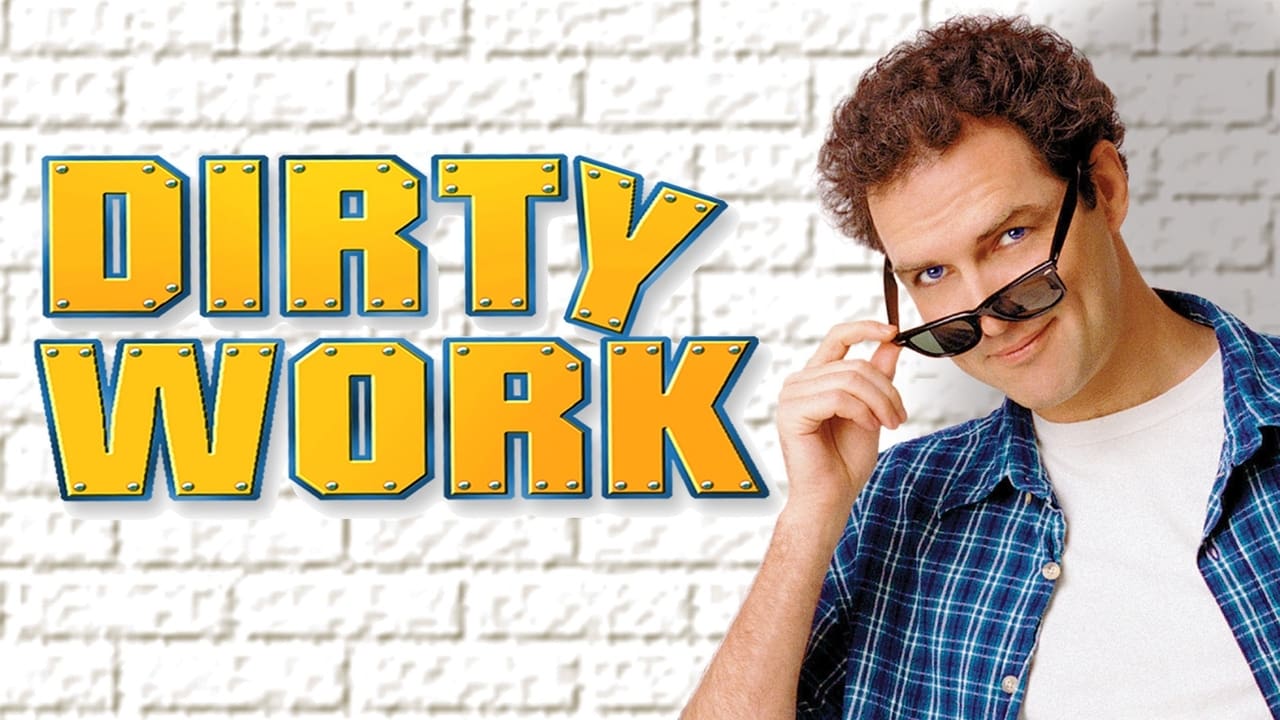
Alright fellow tape-heads, let’s talk about a movie that probably landed in your VCR under the cover of darkness, maybe after a questionable recommendation from that one friend who always loved the stuff the critics absolutely hated. I’m talking about 1998’s Dirty Work, a cinematic Molotov cocktail of mean-spirited gags, slacker charm, and the unmistakable comedic rhythm of the late, great Norm Macdonald. Forget finding this gem neatly placed in the ‘New Releases’—this felt more like a discovery tucked away in the ‘Comedy’ aisle, maybe with slightly faded cover art, promising something… different.
### Revenge is a Dish Best Served Clumsily
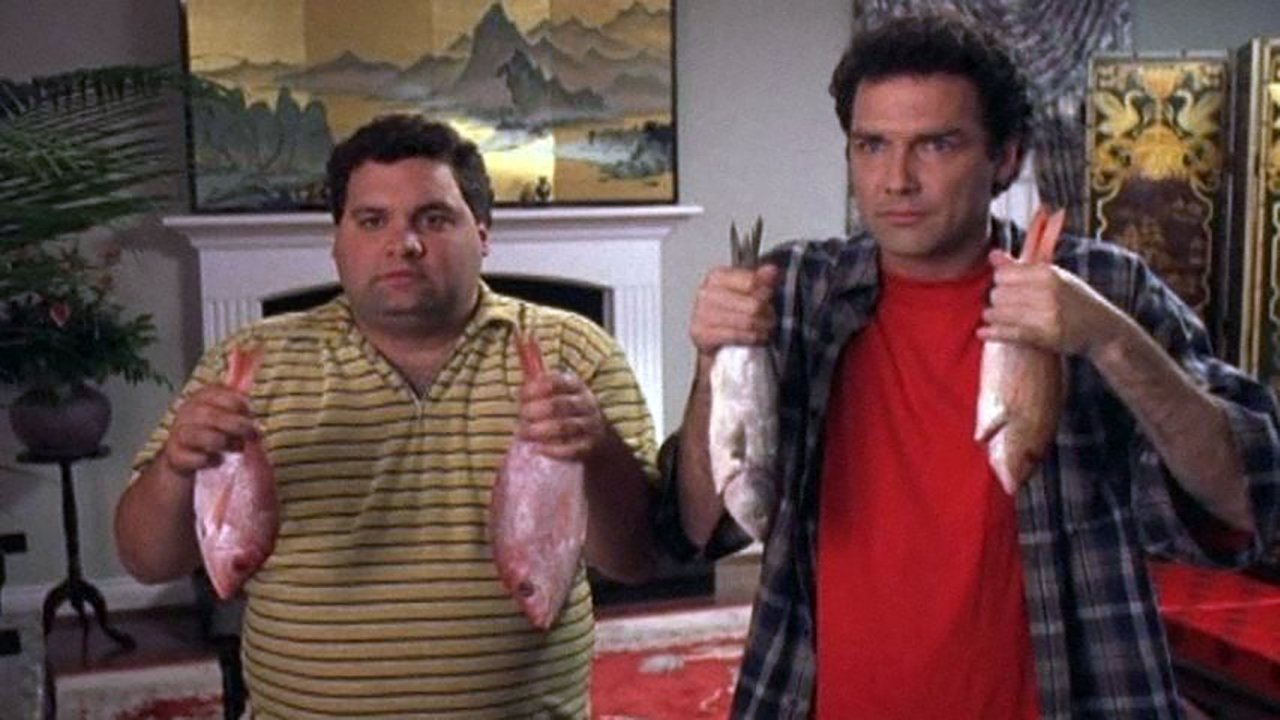
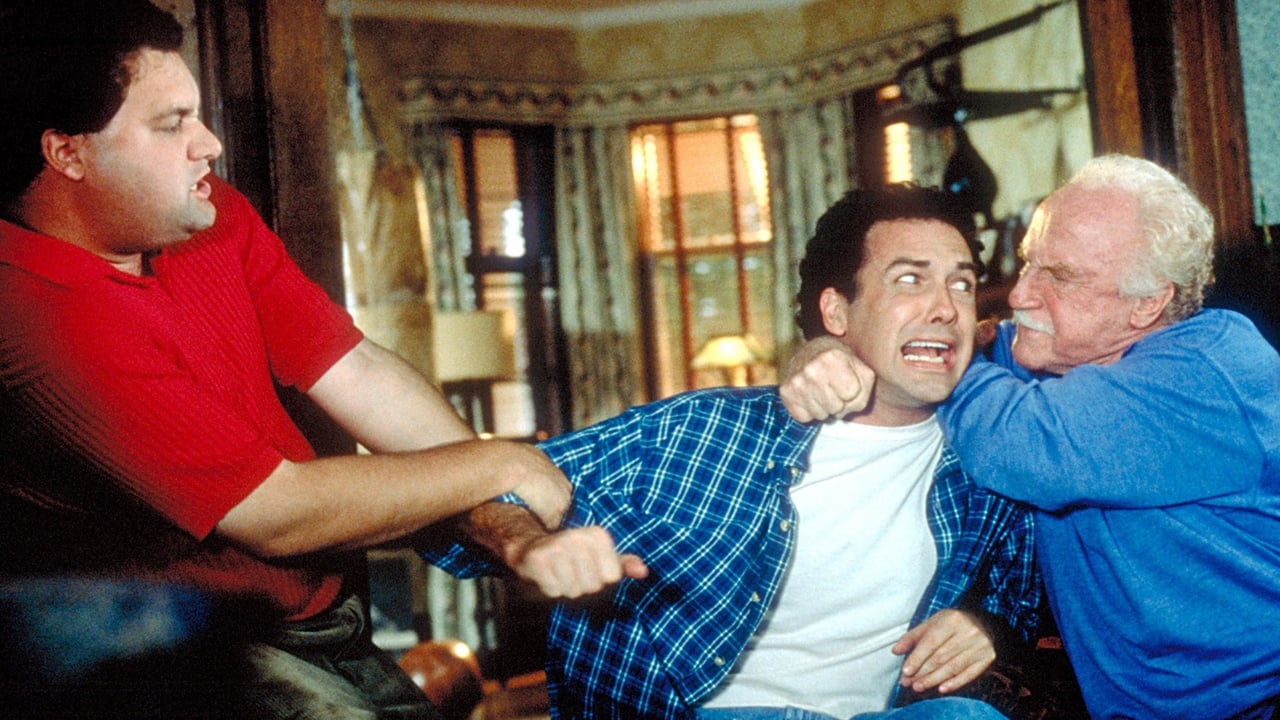
Pulling this tape out now feels like unearthing a specific strain of late-90s cynicism filtered through a uniquely deadpan lens. The premise is pure, almost cartoonish simplicity: Mitch Weaver (Norm Macdonald) and Sam McKenna (Artie Lange) are lifelong buddies, losers by most conventional standards, who desperately need $50,000 to fund a life-saving heart transplant for Sam’s dad, Pops (Jack Warden), a figure who's more father to Mitch than his own ever was. Their ingenious (or perhaps idiotic) solution? Start a revenge-for-hire business. What follows is a series of loosely connected, often absurdly cruel vignettes where the duo carries out petty vengeances for paying customers, all while trying to dodge the ire of a scheming property developer, Travis Cole (a delightfully smarmy Christopher McDonald).
The plot, frankly, is flimsy scaffolding holding up Norm Macdonald’s particular brand of anti-comedy and a parade of frankly incredible cameos. But let's be honest, did anyone rent Dirty Work expecting intricate plotting? Nah. You came for the laughs, and whether they landed depended heavily on your tolerance for jokes that often felt like they were daring you not to laugh.

### The Macdonald Manifesto
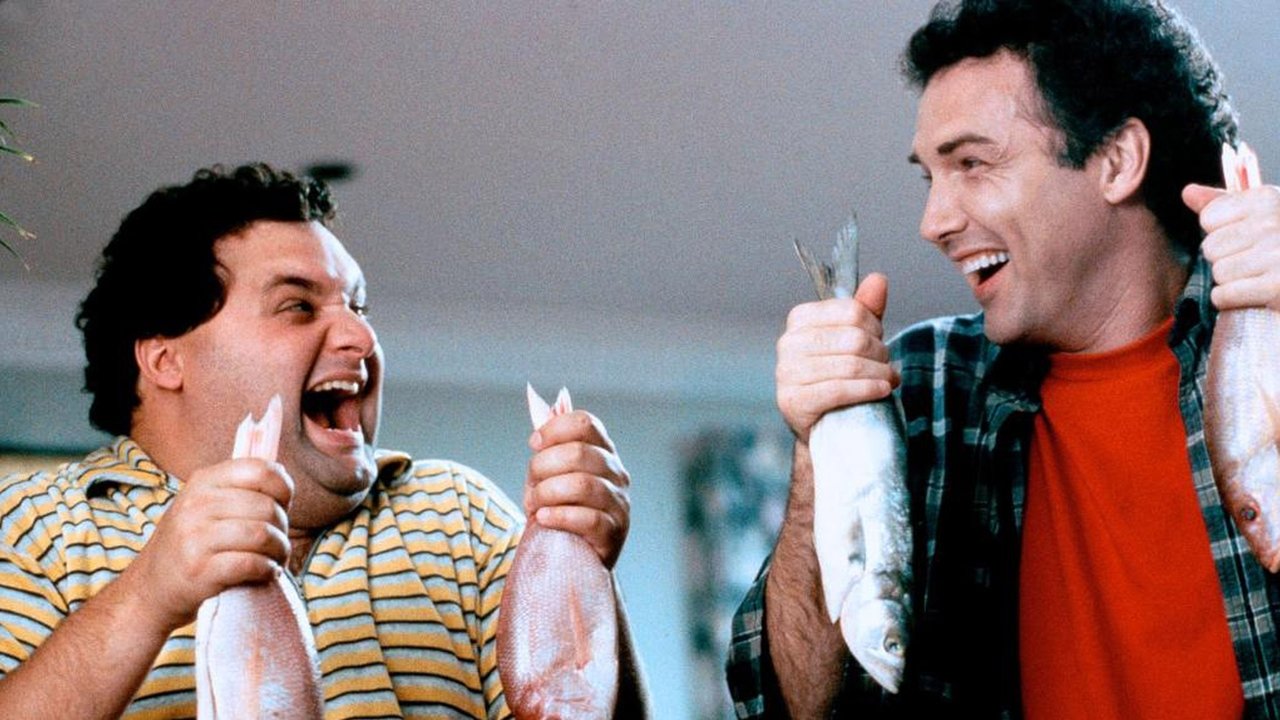
This film lives and dies by Norm Macdonald. His Mitch is less a character and more a delivery system for Norm's signature style: the rambling anecdotes, the sudden bursts of bizarre aggression, the pauses that hang just a little too long, forcing you to question if the joke even landed before it circles back around. Retro Fun Fact: Macdonald co-wrote the script (along with Frank Sebastiano and Fred Wolf), and you can feel his fingerprints all over the dialogue. It's got that "Weekend Update" edge, sharp and sometimes deliberately nonsensical. His chemistry with Artie Lange, then known primarily for Mad TV, is surprisingly effective. Lange provides the more traditional comedic reactions, the exasperated foil to Norm's almost alien detachment. They feel like genuine, if deeply dysfunctional, friends.
It’s fascinating to remember that this oddball project was directed by Bob Saget. Yes, Danny Tanner himself. Saget, known for family-friendly fare and surprisingly blue stand-up, seems an unlikely choice. Retro Fun Fact: Saget actually fought tooth-and-nail with the studio (MGM/UA) for a darker, R-rated cut of the film. He felt the studio interference sanded down some of the intended edge, leading to the slightly uneven tone that critics pounced on back in '98. You can occasionally feel that push-pull between Saget potentially wanting more heart (especially with the Pops storyline) and Macdonald wanting pure, unadulterated comedic anarchy.
### A Parade of Familiar Faces (and a Bittersweet Farewell)
Beyond the leads, the film is packed with talent. Jack Warden brings genuine warmth and cantankerous charm as Pops; his scenes with Macdonald provide the film's surprisingly effective emotional anchor. And the cameos! Don Rickles shows up to deliver insults with predictable mastery. Chevy Chase pops in as a gambling-addicted surgeon in a performance that… well, it’s certainly memorable. Adam Sandler even makes an uncredited appearance as Satan (or a guy dressed as Satan, it's ambiguous).
But the most poignant appearance belongs to Chris Farley. Retro Fun Fact: Dirty Work features Farley’s final completed film role before his tragic death in December 1997. Playing Jimmy, a barfly whose nose has been bitten off (don't ask), Farley throws himself into the part with his trademark physical intensity. Knowing the struggles he faced during filming adds a layer of melancholy to his scenes now, but his comedic energy is still undeniable. It’s a brief, chaotic appearance that serves as a bittersweet reminder of a massive talent lost too soon. Apparently, his scenes were difficult to shoot due to his declining health, making his commitment to the absurdity all the more remarkable.
### Does the Dirt Wash Off?
Let's be clear: Dirty Work is not sophisticated comedy. It's often juvenile, occasionally mean, and sometimes the jokes completely whiff. The plot meanders, and the pacing can feel erratic, likely a result of those reported studio battles. Critics savaged it upon release, and it tanked at the box office, barely recouping its estimated $10 million budget. It seemed destined for the discount bin of home video history.
But then, something funny happened. Like many cinematic oddities of the era, it found its tribe on VHS and cable. Macdonald's unique comedic voice, initially baffling to mainstream audiences and critics, resonated with a growing fanbase who appreciated his distinct anti-humor. The film developed a fervent cult following, celebrated for its quotable lines ("Note to self:…"), its unapologetic crudeness, and its sheer Norm-ness. Was this the Citizen Kane of revenge comedies? Absolutely not. But was it funny in a way few other films dared to be? For the right audience, undeniably yes.
Rating: 6.5 / 10
Justification: The rating reflects a film that is undeniably flawed – the uneven tone, flimsy plot, and hit-or-miss gags hold it back from greatness. However, for fans of Norm Macdonald's specific comedic genius, it’s a near-essential text. His performance, alongside Artie Lange's solid support and Jack Warden's grounding presence, elevates the material. The incredible cameos, particularly Farley's last turn, add significant nostalgic and historical value. While the studio interference likely hampered the final product, enough of that anarchic spirit shines through to make it a memorable, if messy, cult favorite whose reputation has rightly grown beyond its disastrous initial reception. It earns points for sheer audacity and for being uncompromisingly itself, even when that self is kind of a jerk.
Final Thought: Dirty Work is like that mixtape you made in high school – a bit rough, deeply personal, and probably baffling to outsiders, but pure gold if you were on its wavelength. It’s a time capsule of late-90s cynicism delivered with a deadpan smirk, best enjoyed late at night, perhaps with questionable snack choices, just like we found it back in the day.