It starts with an ending, doesn't it? The sudden loss of a husband, the collapse of a seemingly comfortable life. But Saving Grace (2000) isn't really about grief, not in the way you might expect. Instead, it poses a rather delightful question: what happens when a sheltered, middle-aged Cornish widow, known primarily for her prize-winning orchids, discovers her late husband has left her bankrupt and facing foreclosure? The answer, delivered with gentle charm and a surprising amount of warmth, involves turning her horticultural skills to a rather more illicit crop.
### From Orchids to Opiates (Well, Cannabis)
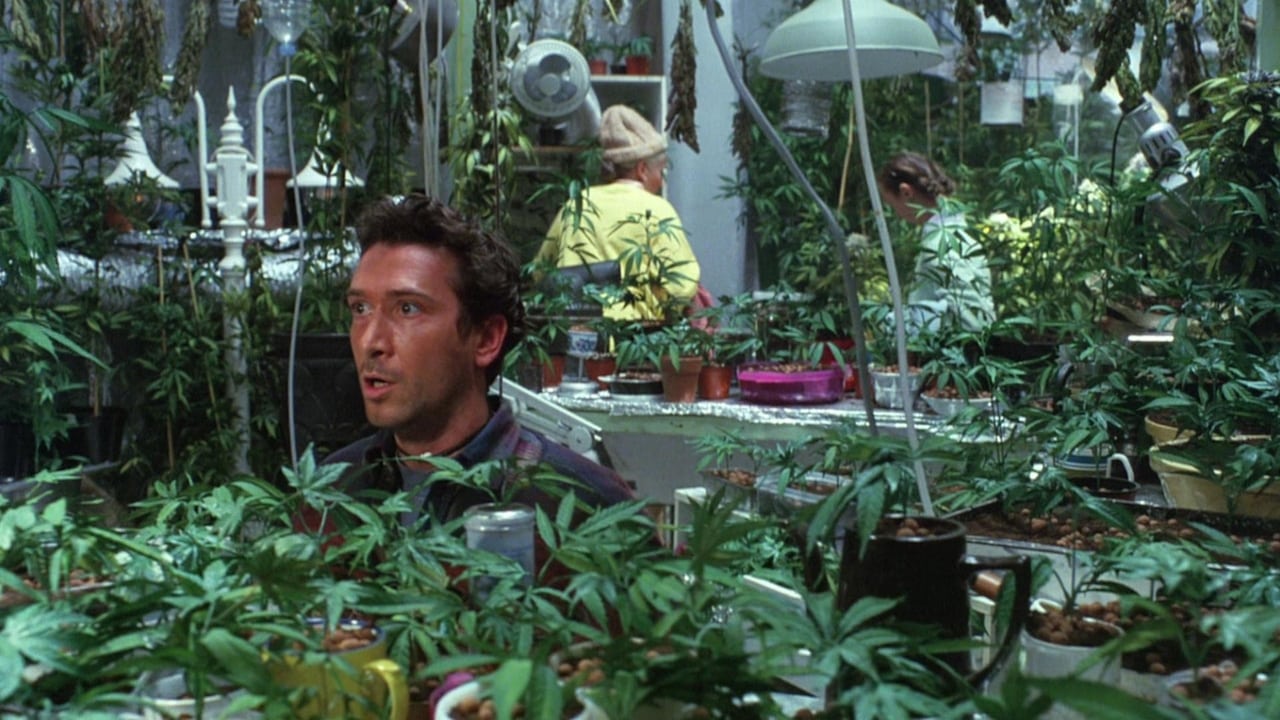
The premise alone is enough to raise an eyebrow, perhaps even elicit a chuckle. Grace Trevethyn, played with exquisite vulnerability and quiet determination by the brilliant Brenda Blethyn (who many will know from her Oscar-nominated turn in Secrets & Lies (1996) or her later beloved role in TV's Vera), is the picture of respectability in her tight-knit Cornish village. When the devastating financial truth emerges, desperation forces her hand. Encouraged (perhaps 'nudged' is better) by her perpetually stoned but good-hearted gardener Matthew (Craig Ferguson, who also co-wrote the screenplay), Grace decides the only way to save her home is to cultivate high-grade marijuana in her greenhouse.
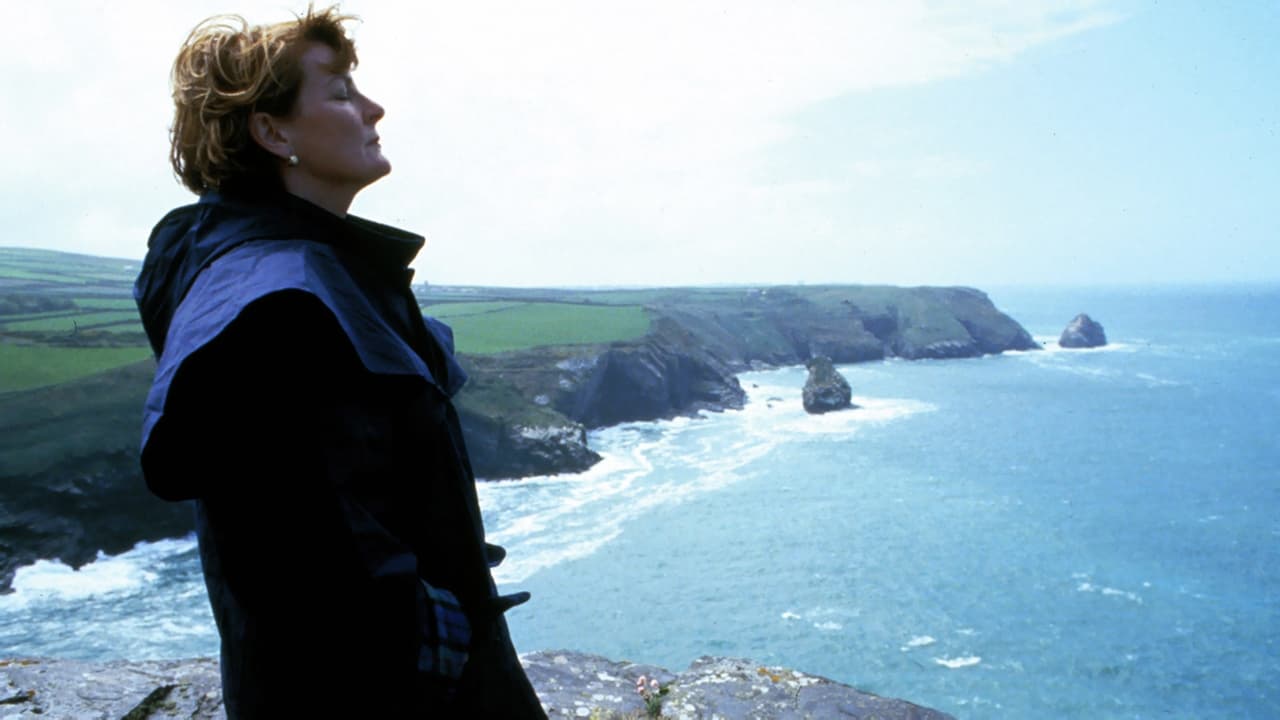
What unfolds is less a gritty crime drama and more an Ealing comedy reimagined for the turn of the millennium. Director Nigel Cole, who would later bring us the similarly heartwarming Calendar Girls (2003), handles the material with a light touch. The film never wallows in the potential seediness of its subject matter. Instead, it focuses on Grace's pragmatic approach to her new venture – applying the same meticulous care to cannabis cultivation as she did to her orchids – and the ripple effect it has through the quaint coastal community. The film was shot primarily in the picturesque villages of Port Isaac and Boscastle in Cornwall, and that stunning scenery becomes almost a character in itself, a beautiful backdrop to Grace's increasingly unorthodox activities.
### A Community Effort
Much of the film's enduring charm lies in its ensemble cast. Craig Ferguson, pulling double duty as writer and actor, brings a laid-back likability to Matthew, the catalyst for Grace's transformation. His chemistry with Blethyn is genuine, a blend of exasperation and affection. And then there's Martin Clunes as Dr. Bamford, the village doctor who finds himself reluctantly drawn into Grace's orbit. Watching Clunes here, you can see the seeds of the character that would eventually blossom into the beloved curmudgeon Doc Martin (which was, in fact, indirectly spun off from this film, featuring Clunes' character in two preceding TV movies). He embodies the slightly bemused, slightly concerned reaction of the wider community, most of whom seem willing to turn a blind eye, or even lend a subtle hand, to help one of their own.
It's fascinating how the film navigates its potentially tricky subject. This isn't a story glorifying drug use; it's about desperation, community loyalty, and the unexpected ways people adapt when their backs are against the wall. There's an inherent humor in seeing Grace, utterly oblivious to drug culture terminology, discuss yields and potency with the awkward seriousness of a horticultural society meeting. Remember arguing with the video store clerk about whether this counted as a 'comedy' or 'drama'? It walks that line beautifully.


### More Than Just a Pot Comedy
Beneath the gentle laughs and the quirky premise, Saving Grace touches on something deeper. It's about reinvention late in life, about finding strength you never knew you possessed. Blethyn's performance is key here; she never lets Grace become a caricature. We see the lingering sadness, the fear, but also the burgeoning confidence as she takes control of her destiny, however unconventional her methods. Her journey feels surprisingly authentic, grounded by Blethyn's masterful portrayal.
Interestingly, while the film was a modest success (reportedly grossing around $26 million worldwide on a $6 million budget – a respectable return showing it certainly found its audience on home video), its DNA arguably lived on. Some point to it as a tonal precursor or influence for shows like Weeds, though Saving Grace possesses a distinctly British, gentler sensibility. It’s less about moral compromise and more about plucky resilience. The fact that Ferguson co-wrote it adds another layer; it feels personal, imbued with his own brand of wry humor. Did you know he apparently wrote the first draft in just two weeks? That kind of creative spark often translates into on-screen energy.
Rating: 8/10
This score reflects the film's immense charm, Brenda Blethyn's truly wonderful central performance, and its clever, heartwarming execution of a quirky premise. It successfully blends gentle comedy with genuine emotion, anchored by a strong sense of place and community. While perhaps not a groundbreaking cinematic achievement, its warmth and subtle subversiveness make it a standout British comedy from the turn of the century – the kind of film that felt like a delightful discovery pulled from the shelf of your local video rental haven.
Saving Grace remains a testament to quiet resilience and the unexpected paths life can lead us down. It leaves you with a smile and a warm feeling, proving that even in the face of daunting circumstances, sometimes the most unconventional solutions blossom brightest.