Here’s a deep dive into a film that perhaps didn’t thunder through the multiplexes but certainly resonated with quiet intensity on the shelves of discerning video stores back in the day.
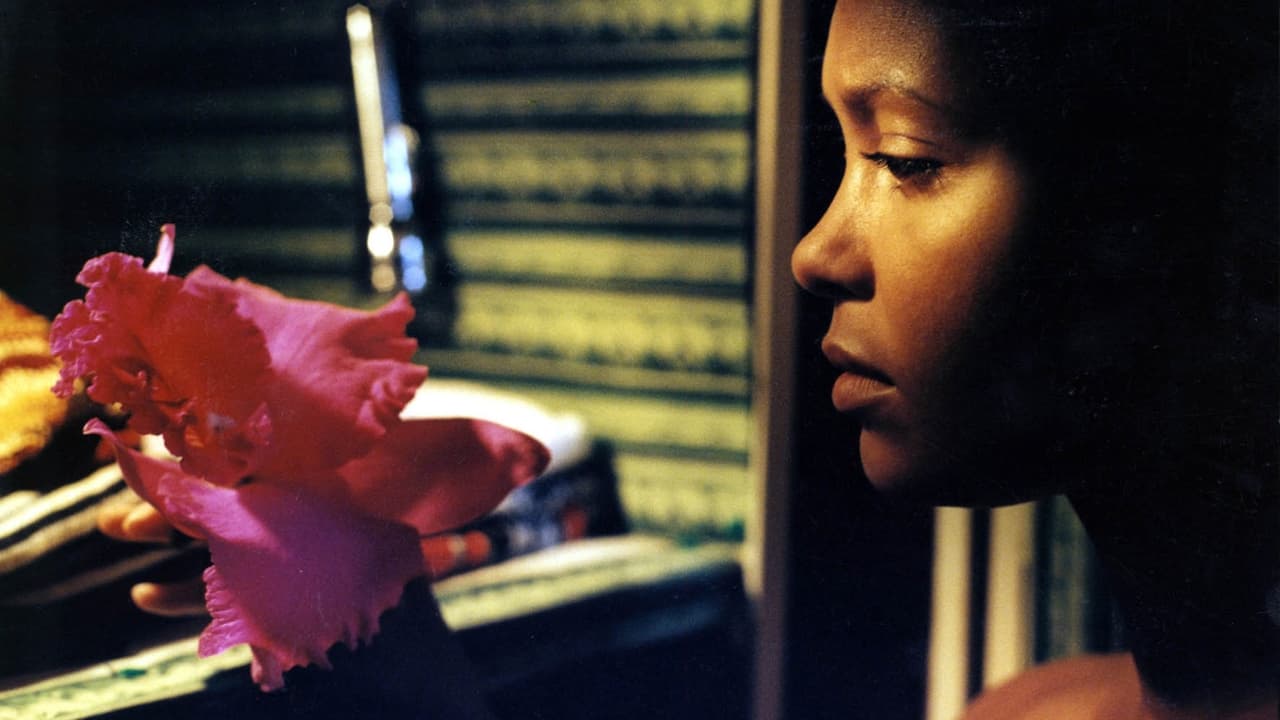
### More Than Words Can Say
What happens when communication breaks down, or perhaps, never truly begins? Bernardo Bertolucci’s Besieged (1998) isn't a film of grand pronouncements or intricate plotting. Instead, it lives in the charged silences, the averted glances, the spaces between notes played on an old piano in a dusty Roman apartment. It opens not with dialogue, but with music and movement – an immediate signal that this is a story told through atmosphere and unspoken emotion, a far cry from the director's earlier epics like The Last Emperor (1987). Remember finding this gem, perhaps tucked away in the 'Drama' or 'World Cinema' section, its simple cover hinting at something intimate and perhaps a little challenging?
### An Apartment, A World
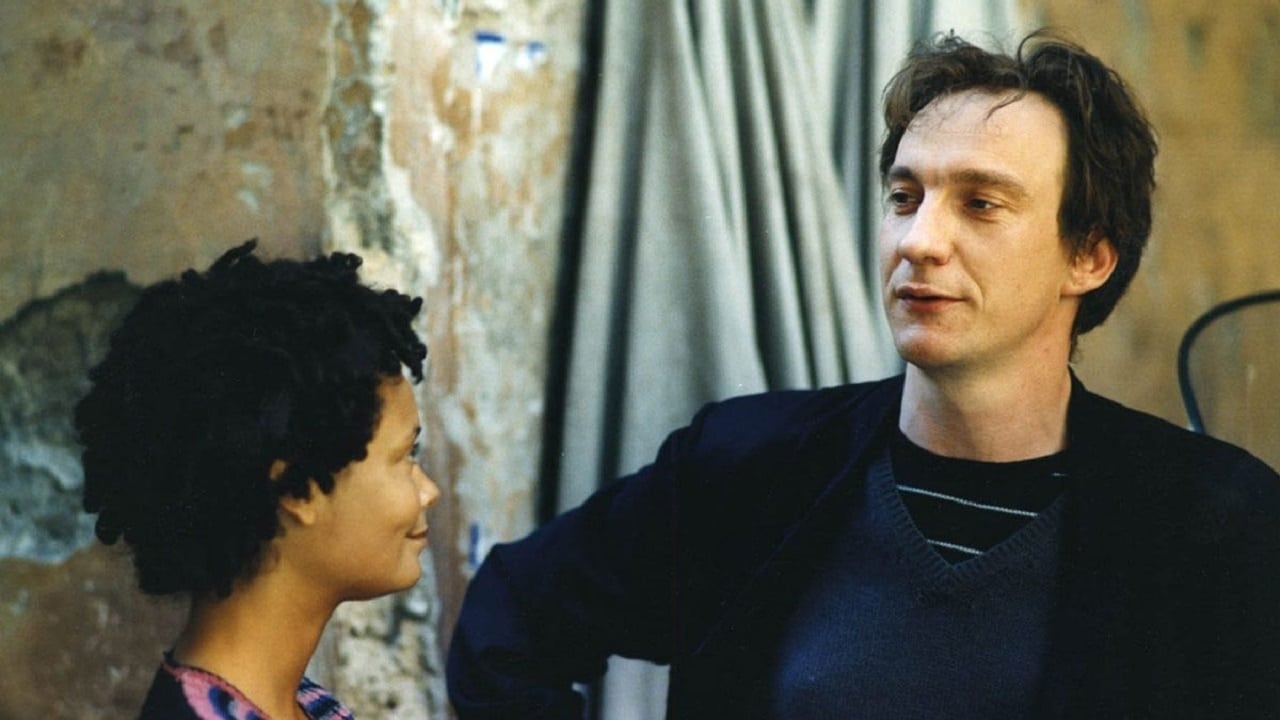
The setup is deceptively simple: Shandurai (Thandiwe Newton, then credited as Thandie Newton), an African refugee studying medicine in Rome, cleans the apartment of eccentric English pianist Mr. Kinsky (David Thewlis) in exchange for lodging. He is isolated, living amidst inherited clutter and his grand piano; she is focused, driven by the need to free her husband, a political prisoner back home. When Kinsky, clearly smitten, clumsily declares his love and asks what he can do, Shandurai answers with the impossible: "Get my husband out of jail." What follows isn't a conventional romance, but a strange, absorbing study of obsession, sacrifice, and the magnetic pull between two vastly different people occupying the same confined space.
Reportedly, much of the film was shot within Bertolucci's own sprawling Rome apartment, lending an almost voyeuristic authenticity to the setting. The apartment isn’t just a backdrop; it’s a character in itself – a labyrinth of rooms, shadows, and history that both separates and confines its inhabitants. Cinematographer Fabio Cianchetti uses the space brilliantly, often framing the characters through doorways or reflections, emphasizing their isolation even when physically close. Doesn't it feel like the very walls absorb the tension, the unspoken desires, the cultural misunderstandings?
### A Duet of Desperate Souls
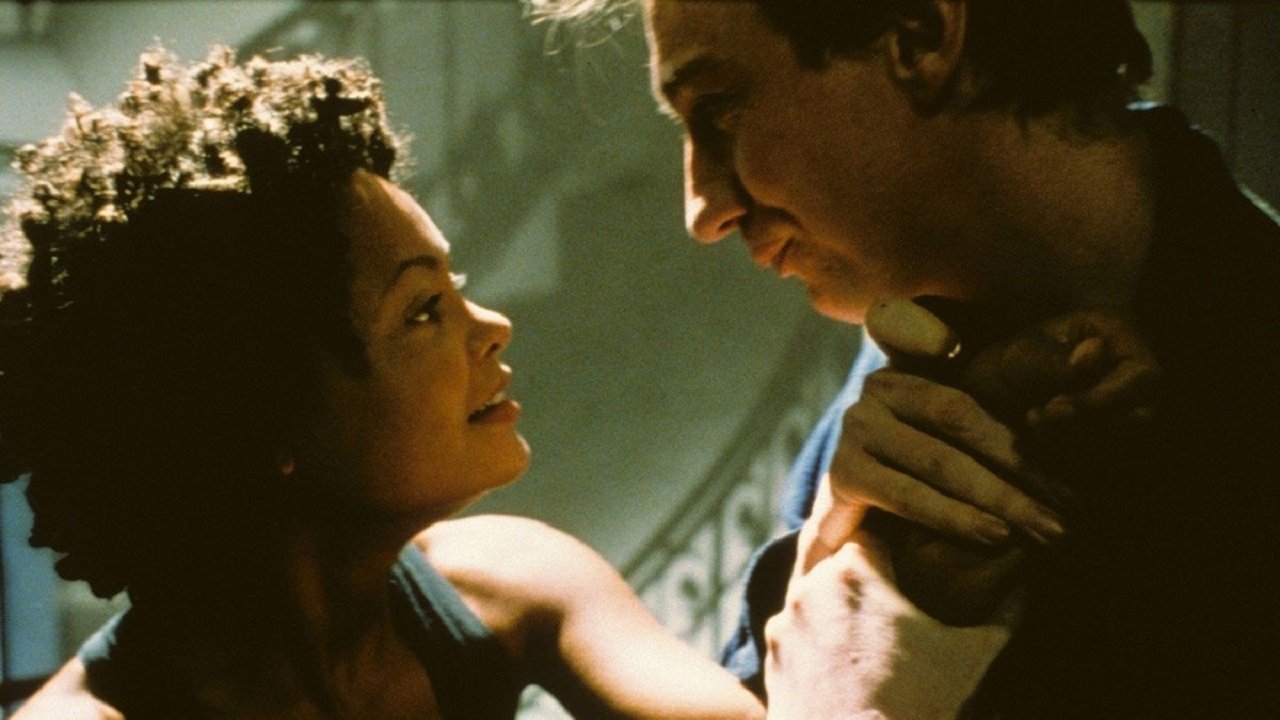
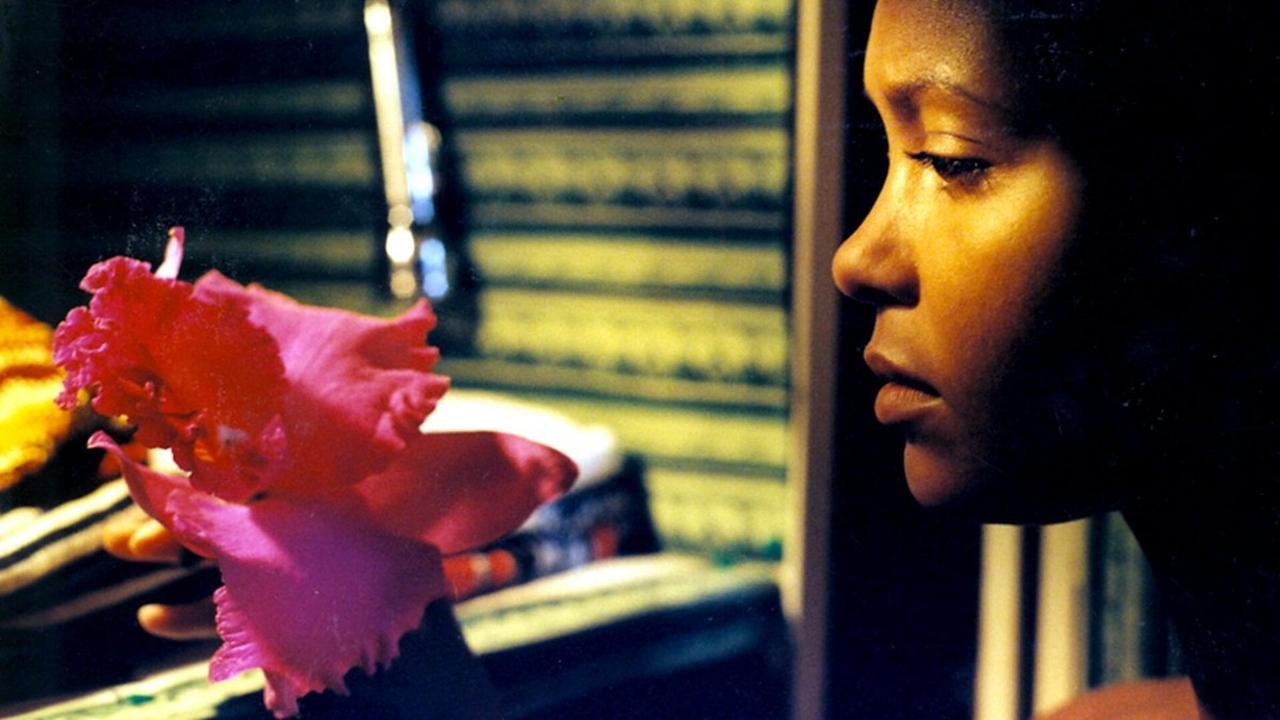
The film rests almost entirely on the shoulders of its two leads, and they are extraordinary. Thandiwe Newton delivers a performance of quiet, potent dignity. Shandurai is guarded, watchful, her emotions simmering beneath a surface of focused determination. Newton conveys so much with her posture, the subtle shifts in her gaze – resilience, vulnerability, suspicion, and eventually, a complex confusion. You feel the weight of her past and the uncertainty of her future in every frame. It’s a performance that feels incredibly internalised and truthful.
Opposite her, David Thewlis, who could easily veer into caricature with a character like Kinsky (especially after his searing turn in Mike Leigh's Naked (1993)), finds a fascinating vulnerability. Kinsky is awkward, obsessive, almost childlike in his declarations, yet Thewlis imbues him with a strange sincerity. His grand gesture – methodically selling off his beloved possessions to fund the seemingly impossible task Shandurai set him – is played not as heroic, but as a desperate, almost compulsive act. It’s a performance that avoids easy judgment, forcing us to question his motives and the nature of his feelings. Is it love, obsession, or a profound loneliness seeking an outlet?
### Music as the Third Character
One cannot discuss Besieged without highlighting the crucial role of music. Kinsky’s classical piano pieces (both diegetic and non-diegetic score elements by Alessio Vlad and Stefano Arnaldi) fill the apartment, representing his European heritage, his isolation, perhaps even his emotional landscape. Contrasting this is the vibrant African music Shandurai listens to, connecting her to her homeland and the husband she desperately misses. This musical dialogue underscores their cultural differences and the emotional chasm between them. It’s fascinating how Bertolucci uses sound – sometimes Kinsky’s playing is passionate, other times tentative; sometimes Shandurai’s music is defiant, other times melancholic. The interplay is the narrative, as much as any spoken word. A small production nugget: Bertolucci initially conceived this as part of a planned anthology film series centered around music, which might explain its focused, almost vignette-like quality.
### When Actions Drown Out Words
The film, based on a short story by James Lasdun, makes a bold choice in its narrative progression. Kinsky's methodical selling of his belongings happens largely off-screen, communicated through the apartment becoming increasingly bare. This forces the viewer, alongside Shandurai, to piece together what he is doing and why. It’s a powerful narrative device, emphasizing action over declaration. What does such a sacrifice truly mean? Can an act born of obsession be considered pure? These are the questions Besieged leaves swirling long after the credits roll. It doesn't offer neat resolutions, reflecting the complexities of human connection and obligation more honestly than many more conventional dramas of the era. It wasn't a box office smash, earning modestly on its limited release (precise global figures are hard to pin down, but it certainly wasn't a commercial hit), yet its quiet power earned it a dedicated following among those who appreciated its artistry.
### Rating and Reflection
Rating: 8/10
This score reflects the film's profound strengths in atmosphere, performance, and its unique, music-driven narrative style. Thandiwe Newton and David Thewlis deliver deeply nuanced performances that anchor the film's emotional core, while Bertolucci's direction crafts an intimate, visually poetic world within the confines of the apartment. The unconventional storytelling and reliance on silence and music make it a genuinely distinct viewing experience from the late 90s arthouse scene. It loses a couple of points perhaps for a narrative that feels slightly thin in places if one demands conventional plotting, and Kinsky's central motivation, while fascinating, requires a significant leap of faith from the viewer. However, its commitment to exploring complex emotions through inference and atmosphere makes it a compelling piece of cinema.
Besieged remains a potent reminder that sometimes the most profound stories are whispered rather than shouted, felt rather than explained. It’s a film that truly gets under your skin, leaving you pondering the echoes of unspoken feelings and the haunting melodies that linger in empty rooms.