Here we go, sliding another well-worn tape into the VCR of memory. This time, it’s a film that doesn't offer easy comforts or nostalgic laughs, but instead leaves you with the lingering taste of dust and the echo of vast, unsettling silences. I’m talking about Bernardo Bertolucci’s ambitious, visually stunning, and deeply melancholic adaptation of Paul Bowles’ novel, The Sheltering Sky (1990). What is it we truly seek when we travel, not as tourists, but as seekers adrift in unfamiliar lands? This film plunges us headfirst into that very question.

### Adrift in the Sahara
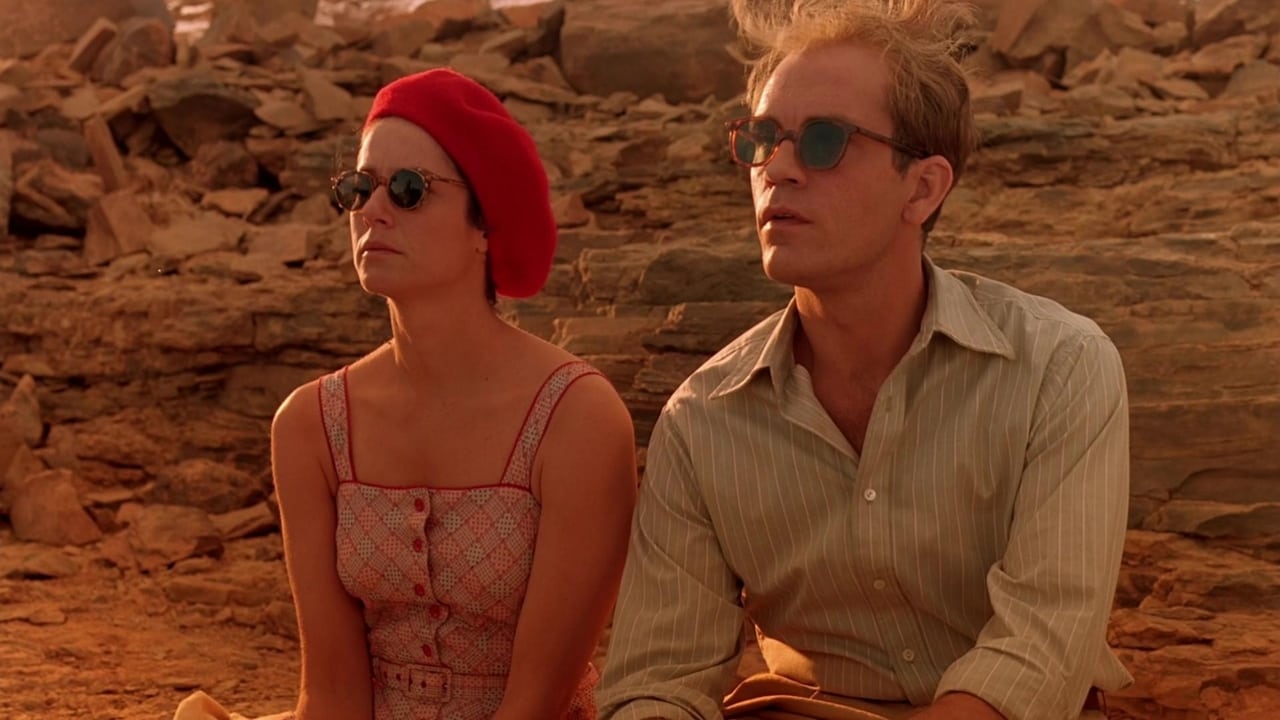
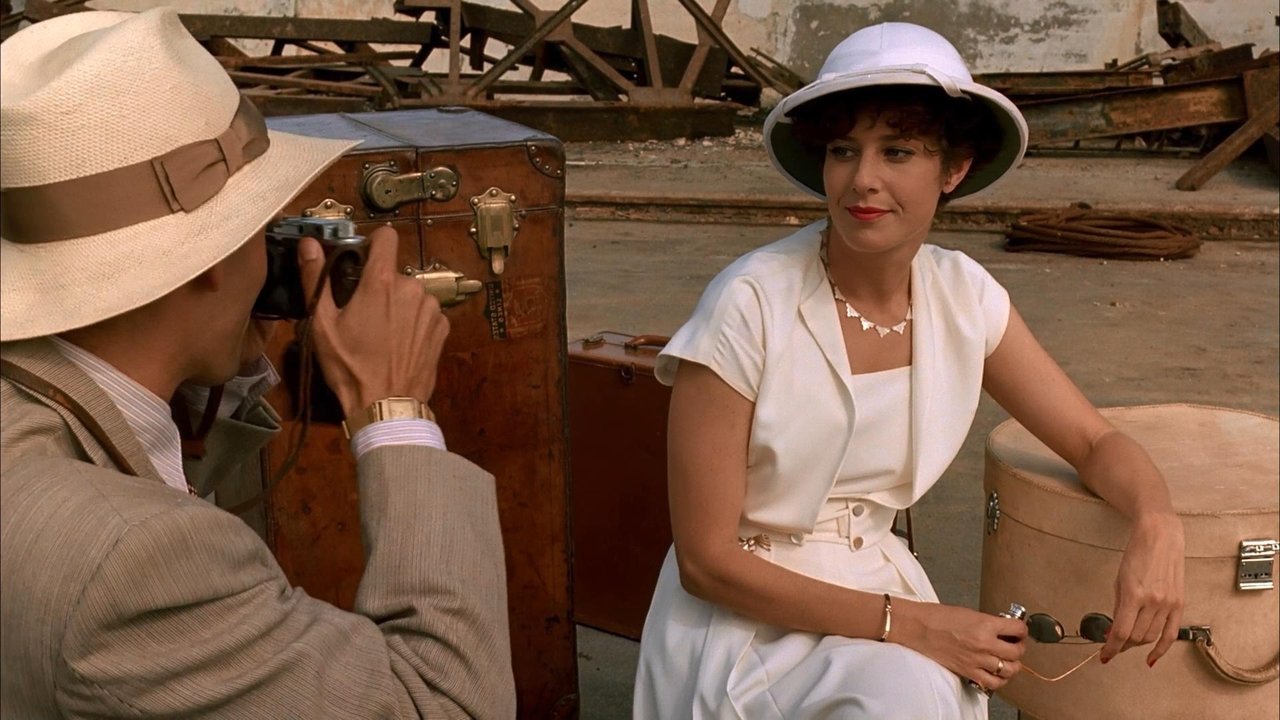
We follow Port Moresby (John Malkovich) and his wife Kit (Debra Winger), a sophisticated American couple journeying through North Africa in 1947. They aren't tourists, Port insists; they are travelers, searching for something elusive, perhaps from themselves or the decay of their own marriage. Accompanied by their handsome, somewhat naive friend George Tunner (Campbell Scott), they move deeper and deeper into the Sahara, shedding the trappings of Western civilization only to find their own internal landscapes becoming just as barren and unforgiving as the desert sands.
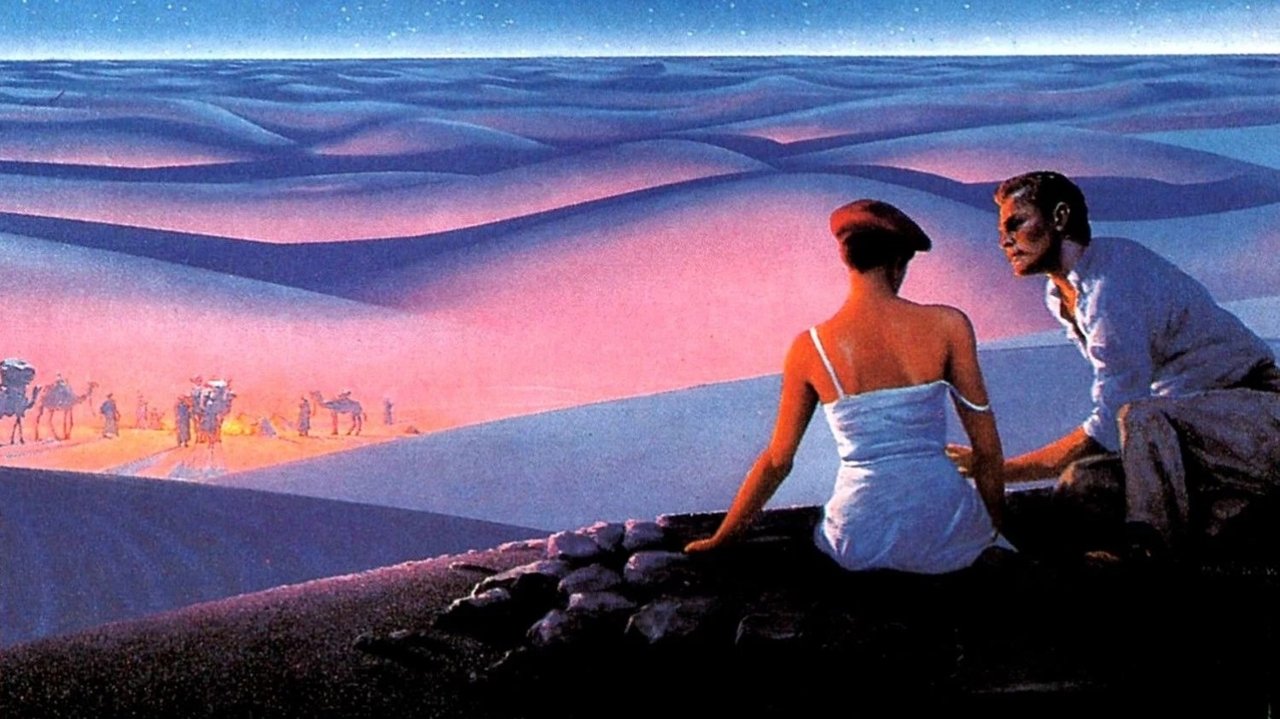
Bertolucci, who had previously mesmerized audiences with epics like The Last Emperor (1987), brings his signature visual opulence to the film. The cinematography by the legendary Vittorio Storaro (frequent collaborator with Bertolucci and Coppola) is simply breathtaking. Every frame is meticulously composed, capturing the overwhelming scale of the desert, the vibrant chaos of the cities, and the intimate, often painful moments between the characters. You can almost feel the heat radiating off the screen, taste the grit in the air. This wasn't just filmed in North Africa; the location becomes a character, indifferent and immense, dwarfing the fragile human dramas playing out within it.
### Fractured Souls Under a Vast Sky
The performances are central to the film's unsettling power. John Malkovich, ever the master of conveying intellectual ennui and simmering discontent, embodies Port's detachment and existential searching. He’s a man adrift, intellectually aware of the void but unable to bridge the gap between himself and his wife, or perhaps even himself. There’s a chilling scene where Port falls ill, and Malkovich portrays the physical and mental disintegration with harrowing conviction. It’s a difficult performance to watch, but undeniably potent.
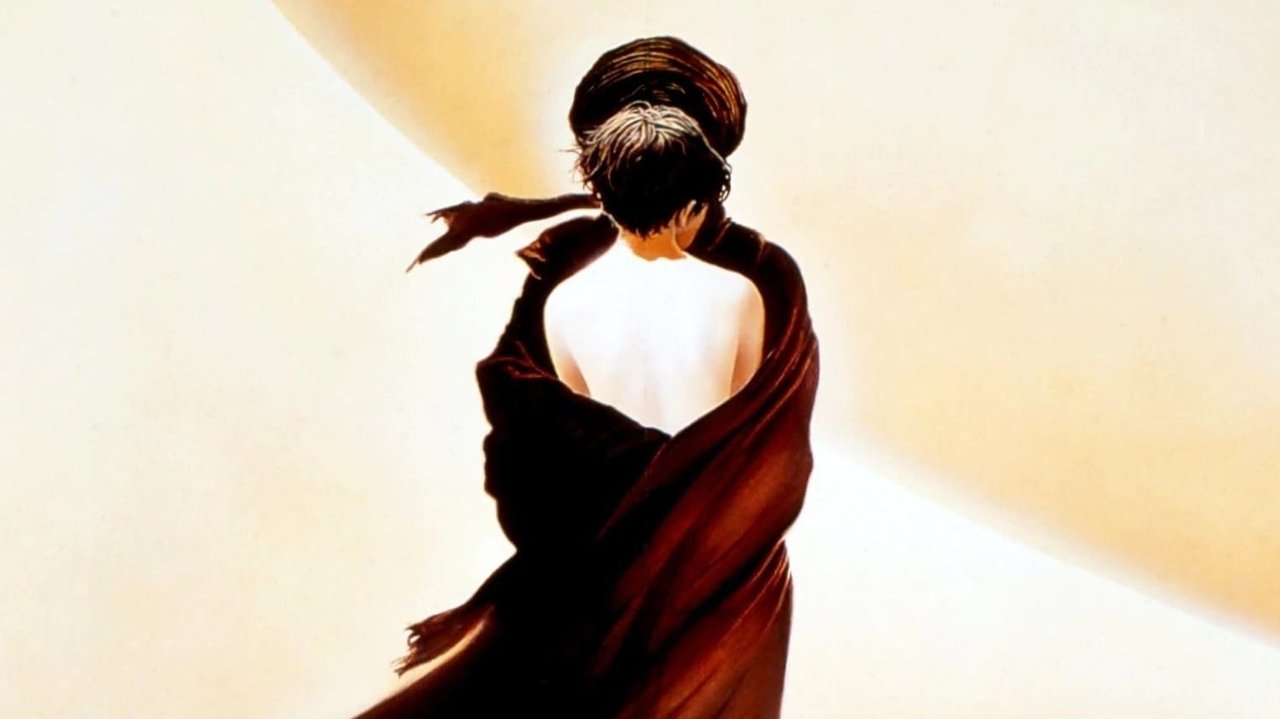
Debra Winger, an actress always capable of conveying deep wells of vulnerability and resilience, gives Kit a haunting fragility. She is less consciously searching than Port, perhaps more instinctually aware of the dangers, both external and internal. Her journey, particularly in the latter half of the film (Spoiler Alert for the general direction, though avoiding specifics), becomes a terrifying descent into the loss of self, a stripping away of identity under the crushing weight of grief and the overwhelming foreignness of her surroundings. Winger’s performance is raw and magnetic, capturing a woman unraveling thread by thread. You feel her fear, her desperation, her ultimate surrender to the vast unknown.
It's worth noting that Bertolucci actually knew the author, Paul Bowles, and even convinced the famously reclusive writer to appear in the film in brief framing sequences, adding a layer of meta-commentary as the aged observer watching his own creations unfold. Bowles' presence lends an eerie authenticity, a ghostly imprimatur on the adaptation of his bleak masterpiece.
### The Traveler's Burden
Shooting The Sheltering Sky was reportedly an arduous undertaking, mirroring the characters' own difficult journey. Filming in remote locations across Morocco, Algeria, and Niger presented immense logistical challenges. Yet, this very difficulty seems baked into the film's DNA, contributing to its palpable atmosphere of authenticity and isolation. You feel the distance, the lack of easy comforts, the sheer otherness of the environment.
The score by Ryuichi Sakamoto, who also won an Oscar for his work on The Last Emperor, is another crucial element. It blends sweeping orchestral movements with North African instrumentation and moments of near silence, perfectly underscoring the film's themes of beauty, dread, and existential loneliness. It doesn’t swell manipulatively; it breathes with the landscape and the characters' inner turmoil.
This isn't a film easily categorized. It's not quite an adventure, nor a simple drama. It’s an existential mood piece, a meditation on mortality, love, alienation, and the terrifying beauty of the unknown. Renting this back in the day, perhaps tucked between a blockbuster and a familiar comedy on the shelf, felt like taking a chance. It wasn't escapism in the usual sense; it was an immersion into something complex and sometimes deeply uncomfortable. I remember the feeling distinctly – the quiet weight of it after the credits rolled, the VCR humming softly in the darkened room. It demanded reflection, a quiet turning-over in the mind.
It asks profound questions: How much of our identity is tied to our familiar surroundings? What happens when the structures we rely on – marriage, culture, language – dissolve? Is the search for meaning ultimately futile against the backdrop of an indifferent universe? The Sheltering Sky offers no easy answers, mirroring the ambiguity Bowles himself cultivated.
Rating: 8/10
This rating reflects the film's stunning craft, powerful performances, and uncompromising artistic vision. Bertolucci and Storaro create an unforgettable visual experience, and Malkovich and Winger deliver deeply committed, challenging performances. However, its deliberate pacing, existential bleakness, and emotional distance can make it a difficult and potentially alienating watch for some. It earns its high marks for its sheer artistry and thematic depth, but it's not a film for every mood or viewer. It's a journey worth taking, but be prepared for the emotional toll.
The Sheltering Sky lingers long after viewing, much like the desert wind itself – vast, beautiful, and unsettlingly indifferent to the human dramas playing out beneath its gaze. It’s a reminder that sometimes, the most profound journeys lead not to answers, but to deeper, more resonant questions about our place in the world.