"There are things in the universe billions of years older than either of our races. They are vast, timeless, and if they are aware of us at all, it is as little more than ants, and we have as much chance of communicating with them as an ant has with us." That chilling piece of dialogue echoes long after the credits roll on Babylon 5: Thirdspace. This wasn't just another adventure for the crew of the titular station; this was J. Michael Straczynski, the architect of the Babylon 5 universe, cracking open the door to something genuinely unnerving, a slice of cosmic horror wedged firmly into his sprawling space opera. Aired in 1998, right in that sweet spot between the series' epic fourth and final fifth seasons (though set during Season 4), Thirdspace felt different from the jump – darker, stranger, like static bleeding through the usual signal.
### An Artifact Adrift
The premise starts simply enough, almost routine for Captain Sheridan (Bruce Boxleitner) and his crew. A massive, impossibly ancient artifact is discovered adrift in hyperspace. Naturally, exploration and scientific curiosity take over, led by the eager Dr. Elizabeth Trent (Shari Belafonte, daughter of Harry Belafonte, bringing a grounded intensity to the role). But this isn't some dormant relic; it pulses with a latent, malevolent energy. There's an immediate sense of wrongness about it, a design so utterly alien it defies conventional understanding. It looks less built and more... grown, or perhaps vomited forth from some non-Euclidean nightmare. Forget diplomacy or first contact protocols; this thing feels like a cosmic warning sign someone forgot to translate.
### The Whispers Begin
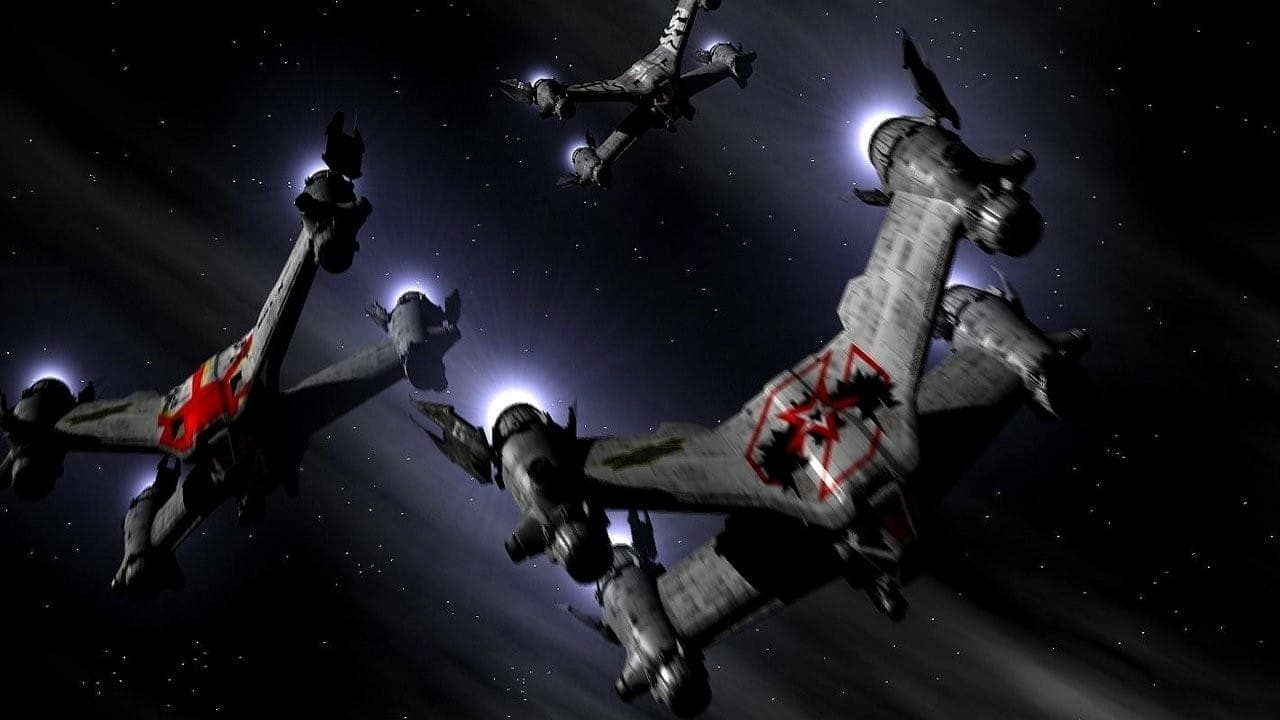
What Thirdspace nails, especially for a TV movie produced relatively quickly alongside the main series, is the escalating dread. It taps into that primal fear of the unknown, amplified by the isolation of space. The artifact begins to exert a psychic influence, preying on base instincts – fear, paranoia, aggression. Minor squabbles escalate, old traumas resurface, and the station's normally bustling corridors start to feel claustrophobic and hostile. This isn't the political maneuvering or military strategy B5 fans were accustomed to; this is a descent into psychological horror, driven by an unseen, ancient force. The film cleverly uses the established characters' histories and vulnerabilities, making the psychic attacks feel personal and deeply unsettling. Remember Lyta Alexander (Patricia Tallman), the station's resident telepath? She becomes the unwilling focal point, the canary in the psychic coal mine, and Tallman portrays her mounting terror and desperate attempts to warn everyone with harrowing conviction. It's through her eyes that we truly grasp the sheer alien horror knocking at the door.
### Behold the Void
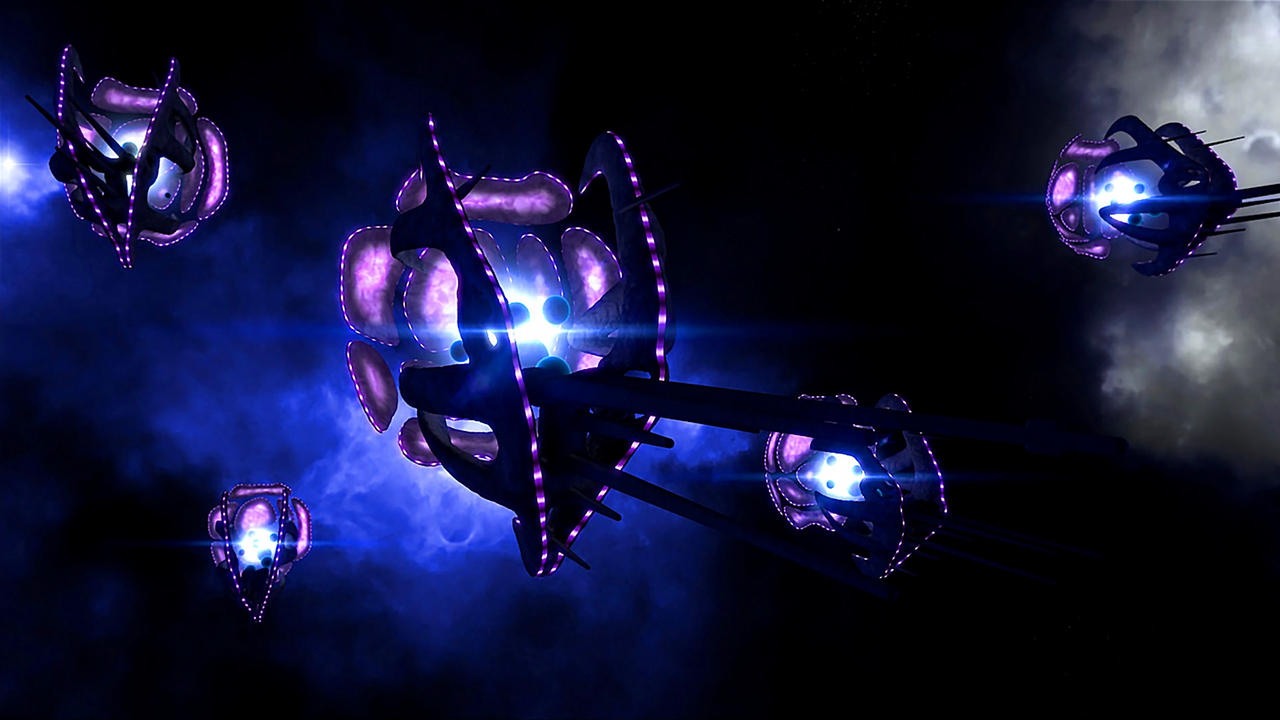
The true genius, and perhaps the most remembered aspect, lies in the design of the Thirdspace aliens and their technology. When the artifact fully activates, and we get our first glimpse of its creators... well, let's just say they aren’t interested in joining the Interstellar Alliance. Rendered with late-90s CGI that, while dated now, carried a distinct bio-mechanical H.R. Giger-esque menace back then, the Thirdspace ships and beings felt genuinely other. They’re all sharp angles, pulsating organic parts fused with menacing technology, utterly hostile and incomprehensible. Their singular motivation – eradication – is terrifyingly simple. The climactic battle isn't just lasers and explosions; it's a desperate fight against something that feels fundamentally wrong, an invasive species from a dimension predicated on violence. Straczynski openly admitted drawing inspiration from the Cthulhu Mythos, and it shows – the sense of vast, uncaring, ancient entities lurking just beyond our perception is palpable. It’s a flavor of sci-fi horror rarely attempted on television at the time, especially within an established, ongoing series.
### Crafting Cosmic Dread on a TV Budget
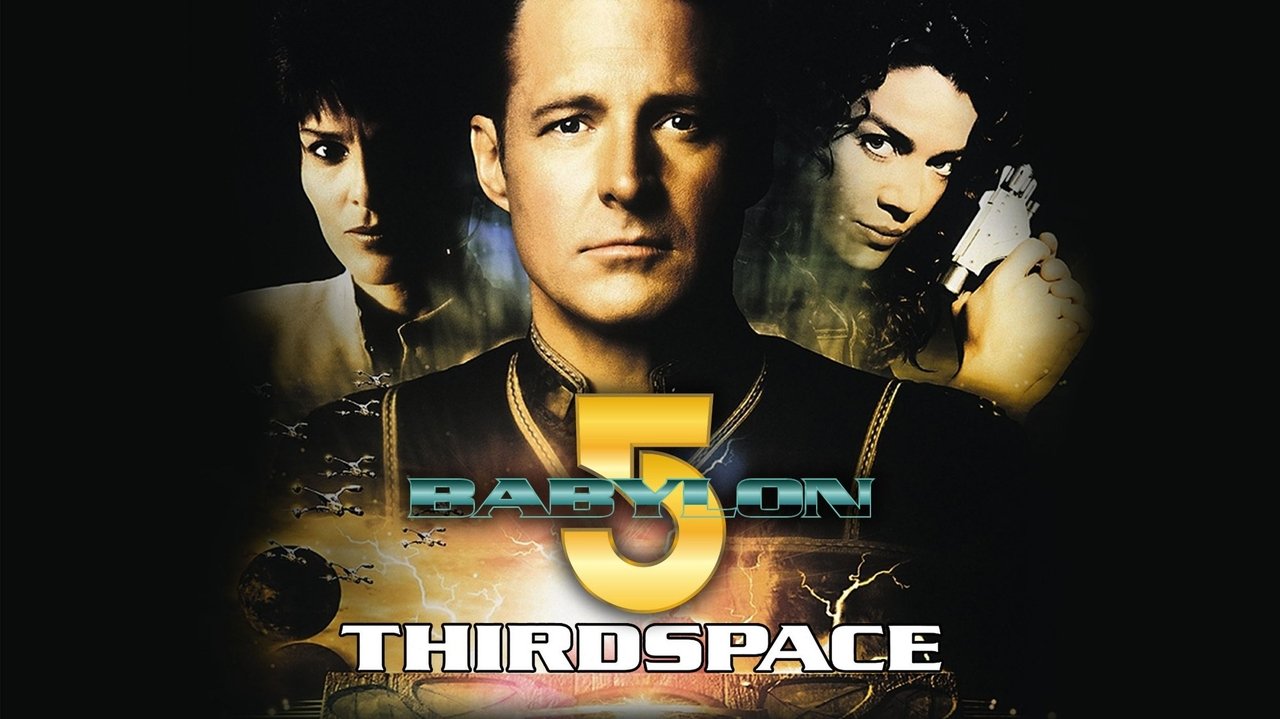
Making effective horror, especially cosmic horror, often relies heavily on atmosphere, and director Jesús Salvador Treviño (who directed several episodes of the main series) does a commendable job building tension. The score shifts from Christopher Franke's usually heroic or melancholic B5 themes to something far more dissonant and jarring. The lighting becomes harsher, the shadows deeper, particularly during the sequences involving the artifact's influence. While constrained by a television budget (reportedly around $3 million – a decent sum for TV then, maybe $5.5 million today, but still tight for ambitious sci-fi), the focus remains squarely on the psychological impact and the disturbing implications of the Thirdspace presence. The artifact itself, a physical prop enhanced with effects, remains an effectively ominous centerpiece. There's a palpable sense that the creators prioritized the feeling of dread over flashy, expensive set pieces, a choice that serves the story well. Ivanova (Claudia Christian) gets some typically sharp lines, but even her military pragmatism seems shaken by the sheer wrongness of the threat.
Thirdspace stands as a fascinating detour in the Babylon 5 saga. It dared to inject pure Lovecraftian horror into its established universe, asking what happens when humanity encounters something not just alien, but fundamentally inimical to life as we know it. It proved the B5 framework was robust enough to handle drastically different tones, and it delivered a genuinely unsettling slice of sci-fi terror that likely caught many unsuspecting viewers off guard back on its premiere night. Doesn't that central artifact design still feel unnervingly unique?
Rating: 8/10
This score reflects Thirdspace's success as a bold tonal experiment within the Babylon 5 universe, effectively delivering atmospheric cosmic horror and unsettling alien designs on a TV budget. While some effects show their age, the core dread, strong performances (especially Tallman's), and Straczynski's willingness to explore truly alien concepts make it a memorable and chilling standout, proving that even established space operas could tap into something profoundly disturbing lurking in the void. It remains a testament to the creative ambition of the series and a genuinely creepy artifact of late 90s sci-fi television.