Okay, fellow travellers on the magnetic tape highway, let’s rewind to a place and time that feels both strangely familiar and starkly foreign: Poland in the mid-1990s. There’s a certain kind of film that emerges from such periods of intense societal flux – raw, maybe a little rough around the edges, but pulsing with a potent, often uncomfortable energy. Maciej Ślesicki’s Sara (1997) is precisely that kind of beast, a film that landed with the force of a gunshot in its home country and sent ripples, however faint, across borders via the trusty conduit of VHS and nascent DVD imports. It wasn’t just another action flick; it felt like a dispatch from a nation grappling with newfound freedoms and the shadows that inevitably accompany them.
Warsaw Blues and Broken Soldiers
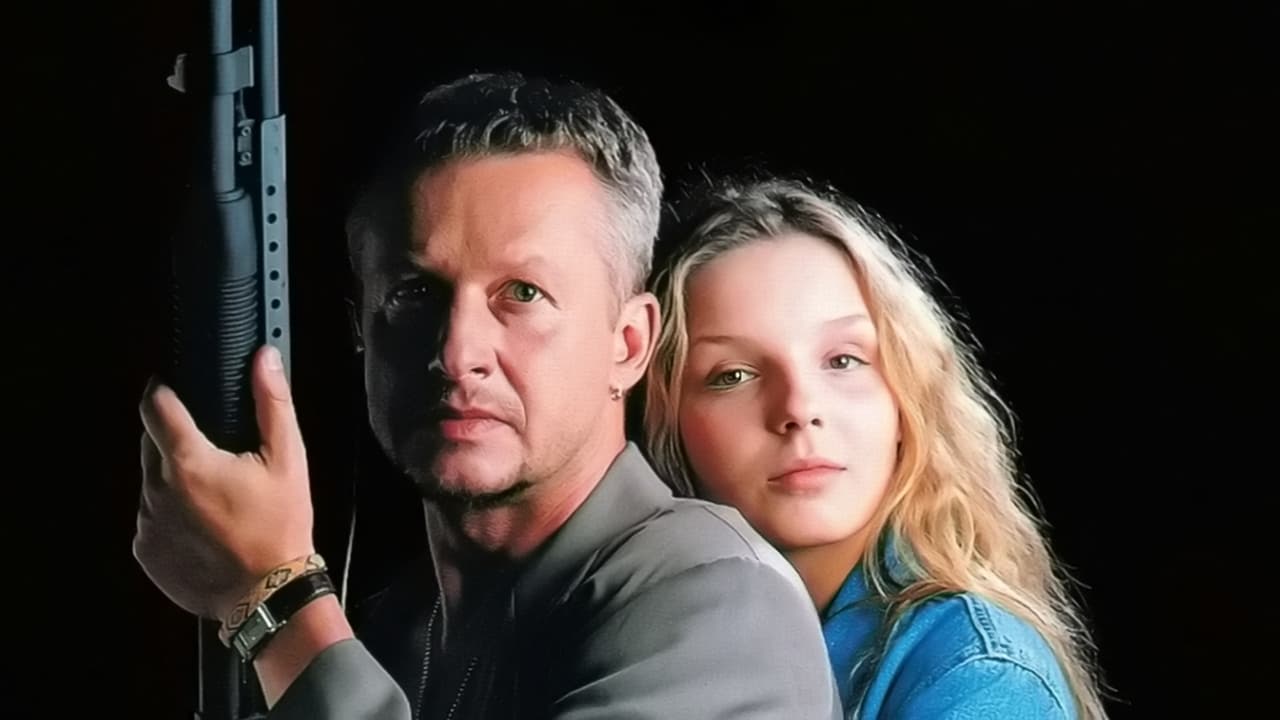
The air in Sara feels thick with cynicism and cigarette smoke. We're immediately plunged into the world of Leon (Bogusław Linda), a man who embodies the trope of the broken warrior almost too perfectly. He's ex-special forces, haunted by a personal tragedy that’s drowned him in vodka and self-loathing. Linda, already a Polish screen icon thanks to tough-guy roles in films like Psy (1992), doesn't just play Leon; he inhabits him. There’s a coiled stillness about him, a weariness in his eyes that speaks volumes more than dialogue ever could. His performance is a masterclass in conveying suppressed trauma and the simmering potential for violence lurking just beneath the surface. You believe this man has seen and done things that have irrevocably fractured his soul. It’s this palpable sense of damage that makes his next assignment feel both inevitable and deeply unsettling.
The Uncomfortable Heart of the Matter
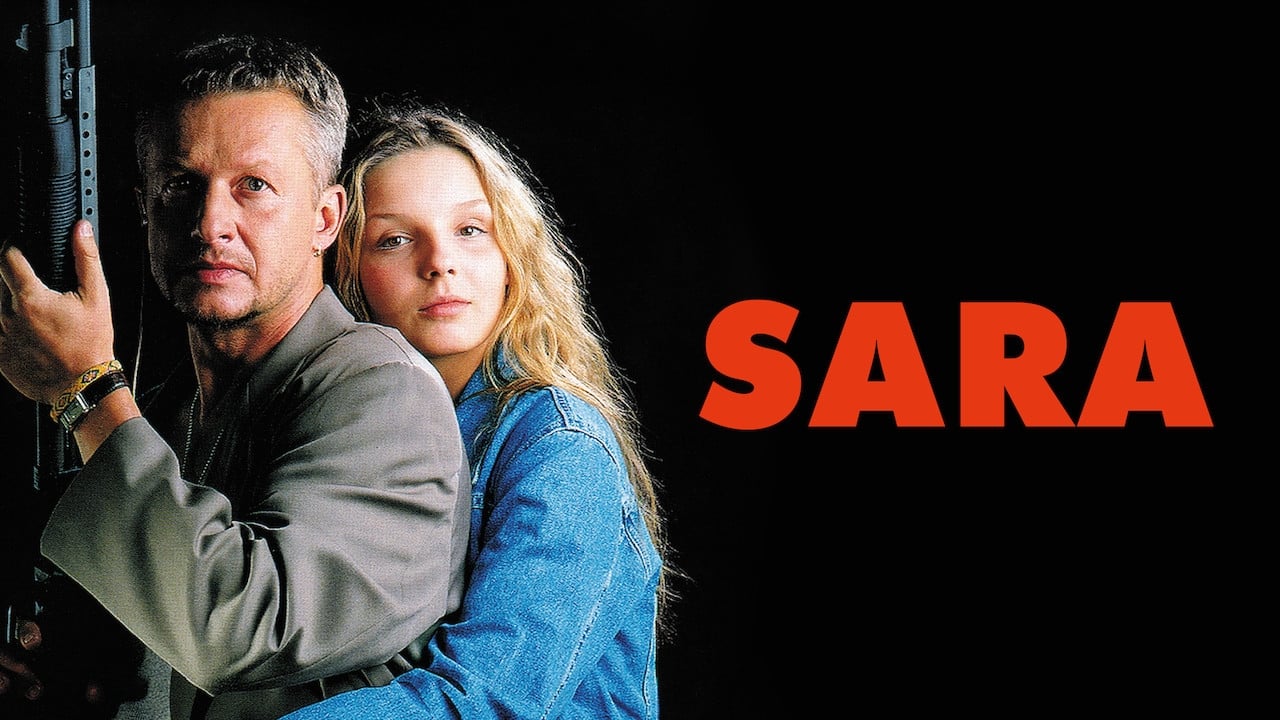
Leon, desperate for work, takes a job bodyguarding the 16-year-old daughter of a powerful mafia boss (played with appropriate menace by Marek Perepeczko). And here we meet Sara, portrayed by Agnieszka Włodarczyk in her astonishing screen debut. The central pillar – and the most fiercely debated aspect – of the film is the intense, forbidden romance that blossoms between the grizzled, middle-aged bodyguard and his teenage charge. Watching it now, the age gap and the power dynamic feel acutely problematic, sparking ethical questions that perhaps weren't foregrounded quite as intensely back in '97.
Yet, within the film's own gritty logic, Ślesicki commits fully. Włodarczyk, despite being only 16 or 17 during production, delivers a performance of remarkable maturity and complexity. She isn't merely a damsel in distress or a Lolita figure; she portrays Sara with a mix of teenage vulnerability, burgeoning sensuality, and a surprising degree of agency. The chemistry between Linda and Włodarczyk is undeniable, if deeply uncomfortable, forming the volatile core around which the bullets and betrayals fly. This central relationship was a lightning rod for controversy upon release, yet it also undoubtedly contributed to the film's colossal success in Poland, where it became one of the decade's biggest box office hits. Made for a relatively modest sum (around $1 million USD), its resonance with Polish audiences spoke volumes about the anxieties and desires of the era.
Style, Substance, and Shock Value
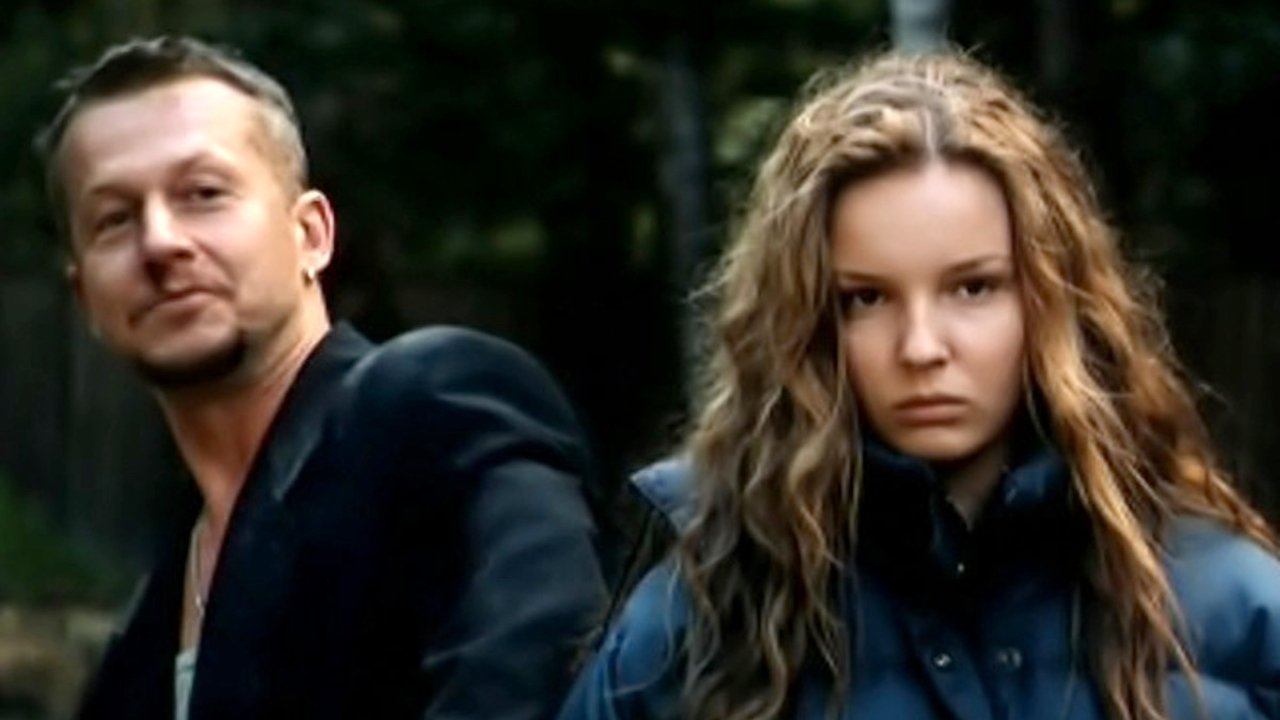
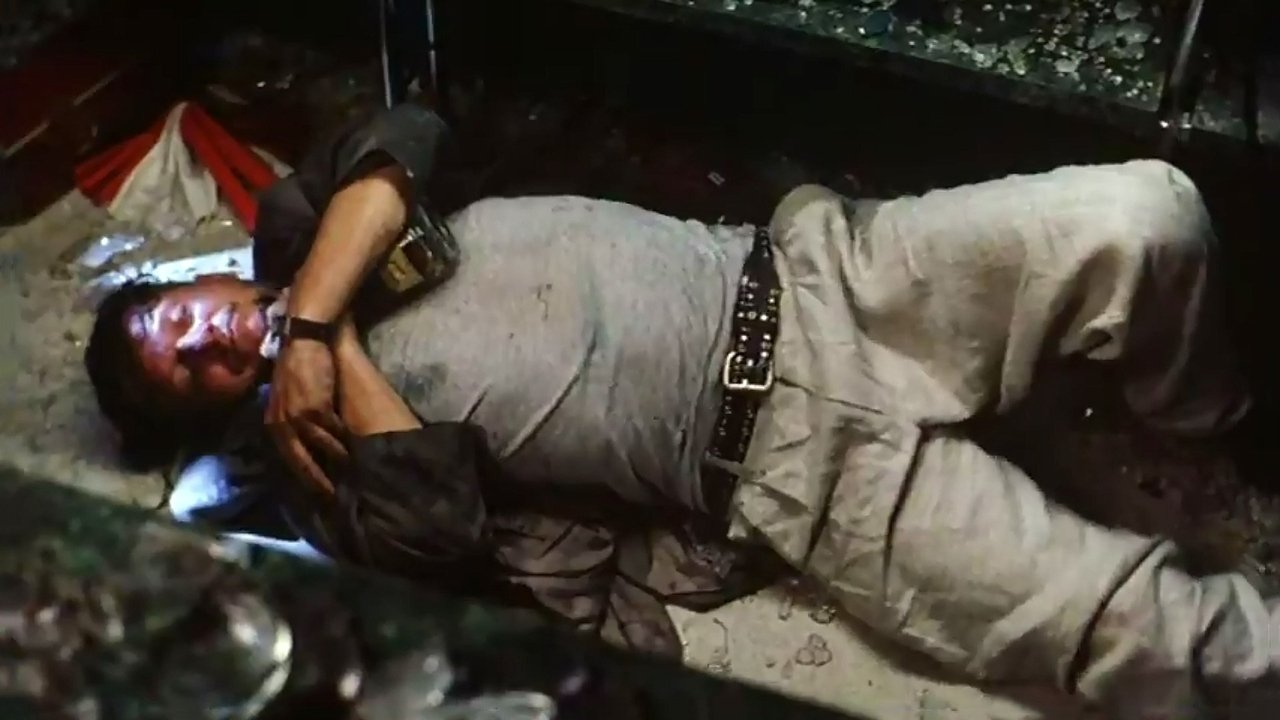
Director Maciej Ślesicki, perhaps surprisingly known also for popular Polish comedy TV, crafts Sara with a slick, often brutal style. The action sequences are visceral and impactful, favouring practical grit over flashy pyrotechnics. There's a sense of genuine danger, amplified by the presence of actors like Cezary Pazura, typically known for comedic roles, who turns in a chilling performance as a ruthless associate. Pazura’s presence adds another layer of unease, playing starkly against his established persona.
The film doesn't shy away from violence or nudity, elements that certainly added to its notoriety. But beneath the surface-level shock, there's an exploration of themes like redemption, the pervasive nature of corruption in this new Poland, and the desperate search for connection in a broken world. Leon seeks salvation in Sara, while she perhaps seeks an escape or a father figure in him – it’s messy, complicated, and refuses easy answers. The famous theme song, Stanisław Sojka's "Tolerance (Na Miły Bóg)", adds a layer of melancholic commentary, its plea for understanding clashing ironically with the often harsh realities depicted on screen.
Rewinding Thoughts
Watching Sara today is a fascinating experience. It's undeniably a product of its time, reflecting certain late-90s attitudes towards masculinity, romance, and violence that haven't all aged gracefully. The central relationship remains a significant hurdle for modern viewers, demanding a degree of historical context to fully process, though not necessarily excuse.
However, its power remains potent. Linda's performance is iconic, capturing a specific type of stoic, wounded masculinity with magnetic force. Włodarczyk's debut is startlingly assured. And as a cultural artifact, a snapshot of Polish cinema navigating the turbulent waters of the post-communist transition, it’s invaluable. It’s a film that feels dangerous, not just in its depiction of violence, but in the emotional and ethical territory it dares to tread. It wasn’t widely seen on North American rental shelves, perhaps relegated to the "Foreign Films" section if you were lucky, but for those who stumbled upon it, Sara offered a raw, intense, and unforgettable cinematic experience quite unlike the Hollywood fare of the time.

Rating: 7/10
Justification: Sara earns a 7 for its undeniable strengths: Bogusław Linda's powerhouse performance, Agnieszka Włodarczyk's stunning debut, its palpable atmosphere capturing a specific time and place, and its sheer audacity as a piece of filmmaking. It was a significant cultural event in Poland, stylishly directed with impactful action. However, the deeply uncomfortable and ethically questionable central romance prevents a higher score, alongside certain elements that feel dated through a contemporary lens. It's a potent, memorable, but flawed piece of 90s European cinema.
Final Take: A film that lingers long after the credits, Sara forces you to confront uncomfortable truths about desire, desperation, and the dark corners of the human heart, all wrapped in the gritty cloak of a 90s Polish crime thriller. It’s a challenging rewind, but a compelling one.