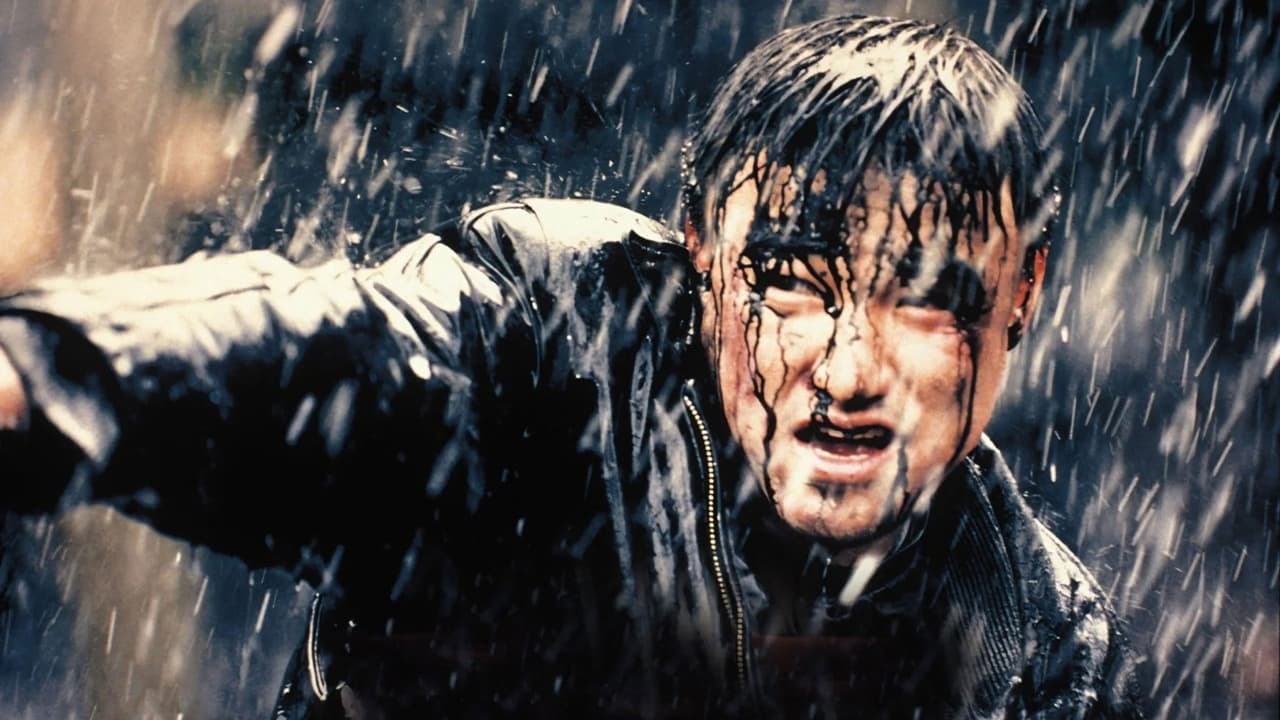
Rain. Endless, driving rain slicking the neon-drenched streets of Incheon, reflecting the desperation in a cop’s eyes. That’s the taste of Lee Myung-se’s Nowhere to Hide (1999), a film that doesn't just depict a manhunt, it throws you headfirst into the torrential downpour of obsession, violence, and sheer, undeniable style. Released right at the cusp of the new millennium, this wasn't your typical Hollywood shoot-'em-up found nestled between familiar blockbusters at the video store. This felt different. Sharper. Colder. It arrived like a rogue transmission, a slice of kinetic Korean cool that pulsed with a unique, almost frantic energy.
### Urban Decay Ballet
At its heart, Nowhere to Hide is brutally simple: Detective Woo (Park Joong-hoon, channeling pure, caffeine-fueled tenacity) is hunting Kim (Ahn Sung-ki, the veteran Korean actor radiating ice-cold composure), the calculated killer responsible for a brutal murder. But director Lee Myung-se, who also penned the script, isn't interested in just the procedural beats. He transforms the gritty urban landscape into a hyper-stylized playground. Forget realism; this is crime as visual poetry, often closer to a music video or a graphic novel sprung to life than a conventional thriller. The opening sequence alone – a chaotic, black-and-white, strobe-lit melee set to jarring rock music – announces the film's intentions loud and clear: buckle up.
### A Symphony of Style
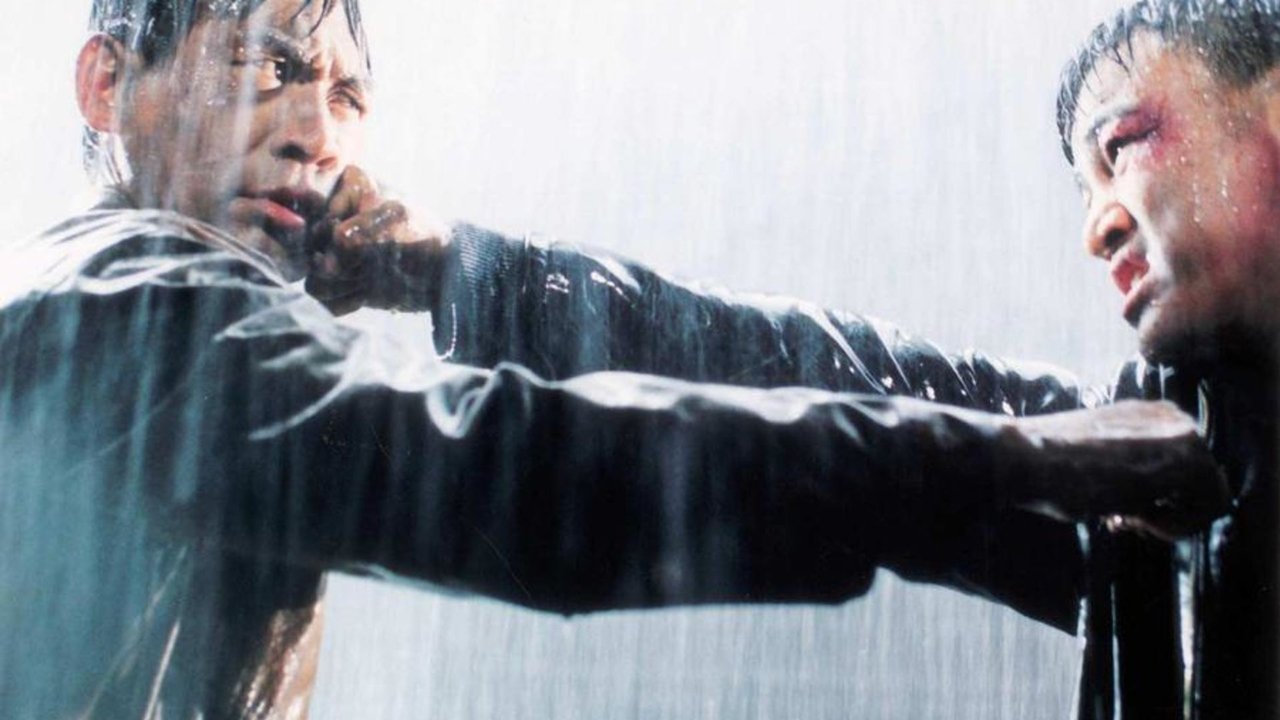
What truly sears Nowhere to Hide into memory is its audacious visual language. Lee Myung-se employs every trick in the book and invents a few new ones. Slow-motion isn't just used for emphasis; it stretches moments of violence and pursuit into agonizingly beautiful tableaus. Freeze-frames capture raw emotion or kinetic impact, holding them for just a beat longer than comfortable. The camera ducks, weaves, and sprints alongside the characters, sometimes employing pixelation or step-printing (shooting at lower frame rates and then duplicating frames in post-production) to create a stuttering, dreamlike effect that feels utterly unique. Rumour has it that Lee’s meticulous approach sometimes involved shooting scenes at variable speeds directly in-camera, a technically demanding feat that contributes to the film's distinctive rhythm. The color palette is often desaturated, dominated by rain-slicked blues and greys, only to be punctuated by stark flashes of red or the artificial glow of city lights, mirroring the bursts of violence that shatter the uneasy calm. Did any other film from '99 look quite like this? It felt like a dispatch from the future of action cinema.
### Obsession Personified
While the style is paramount, the central performances anchor the visual pyrotechnics. Park Joong-hoon as Detective Woo is a force of nature. He’s not just determined; he's consumed. His methods are questionable, his temper explosive, his focus absolute. It's a performance crackling with nervous energy, a man pushed to the edge by his quarry. Opposite him, Ahn Sung-ki delivers a masterclass in minimalist menace. His Kim is elusive, professional, and chillingly detached. The moments these two forces collide are the film's high points, less traditional shootouts and more like violent, highly choreographed dance numbers. Supporting them is a young Jang Dong-gun as Woo's partner, providing a more grounded counterpoint to Woo’s mania, and Choi Ji-woo adds a touch of melancholic beauty as Kim’s girlfriend.
### Sounds of the Hunt
The film’s atmosphere owes as much to its sound design and score as its visuals. The relentless drumming of rain is practically another character, creating a constant sense of unease and isolation. The score itself is eclectic and often unexpected. Forget traditional swelling orchestral cues; Lee uses everything from hard rock to, most famously, the Bee Gees' "Holiday" during a surprisingly poignant slow-motion sequence near the film's climax. It’s a jarring choice, yet somehow perfect, lending a strange, mournful quality to the inevitable confrontation. This willingness to play with sonic expectations further cemented the film's cult status among Western cinephiles who managed to track down an import copy back in the day – perhaps on a slightly fuzzy VHS tape passed between friends, feeling like you’d discovered a secret.
### Korean Wave Precursor
Landing in 1999, Nowhere to Hide (whose Korean title, Injeong Sajeong Bol Geot Eobtda, translates roughly to "No Mercy" or "Look Out, No Feelings Involved") was a significant hit in South Korea and garnered critical acclaim. It arrived just as Korean cinema was exploding creatively, becoming a key example of the style and energy that would soon captivate global audiences with the Korean New Wave. While the plot itself is lean – perhaps its main vulnerability if you demand complex narrative webs – its influence feels palpable in later action and crime films, both East and West, that prioritize visual flair and kinetic editing. Made for a modest budget (likely under $5 million USD, though exact figures are tricky), its visual ambition far outstripped its resources, showcasing Lee Myung-se's resourcefulness and singular vision. Finding precise production details from this era can be tough, but the sheer invention on screen speaks volumes about the creative solutions likely employed.
Does it hold up? Absolutely. Its relentless pace and groundbreaking style still feel fresh, even if some techniques have been imitated since. It’s a pure shot of cinematic adrenaline, a mood piece soaked in rain and desperation. Revisiting it now still brings back that feeling of discovery, of watching something sleek, dangerous, and utterly confident in its unconventional approach. It’s a film that doesn’t just show you a chase; it makes you feel the pounding heart, the slick pavement underfoot, the cold barrel of a gun.
Rating: 9/10
This score reflects the film's breathtaking visual innovation, powerhouse performances, and unforgettable atmosphere. While the narrative is straightforward, its execution is near-flawless within its stylish framework. Nowhere to Hide remains a landmark of Korean cinema and a high-water mark for stylish action thrillers, a rain-drenched neo-noir nightmare that grabs you by the collar and refuses to let go until the final, startling frame. It’s a perfect late-night watch, guaranteed to leave you wired and maybe just a little bit haunted by its beautiful brutality.