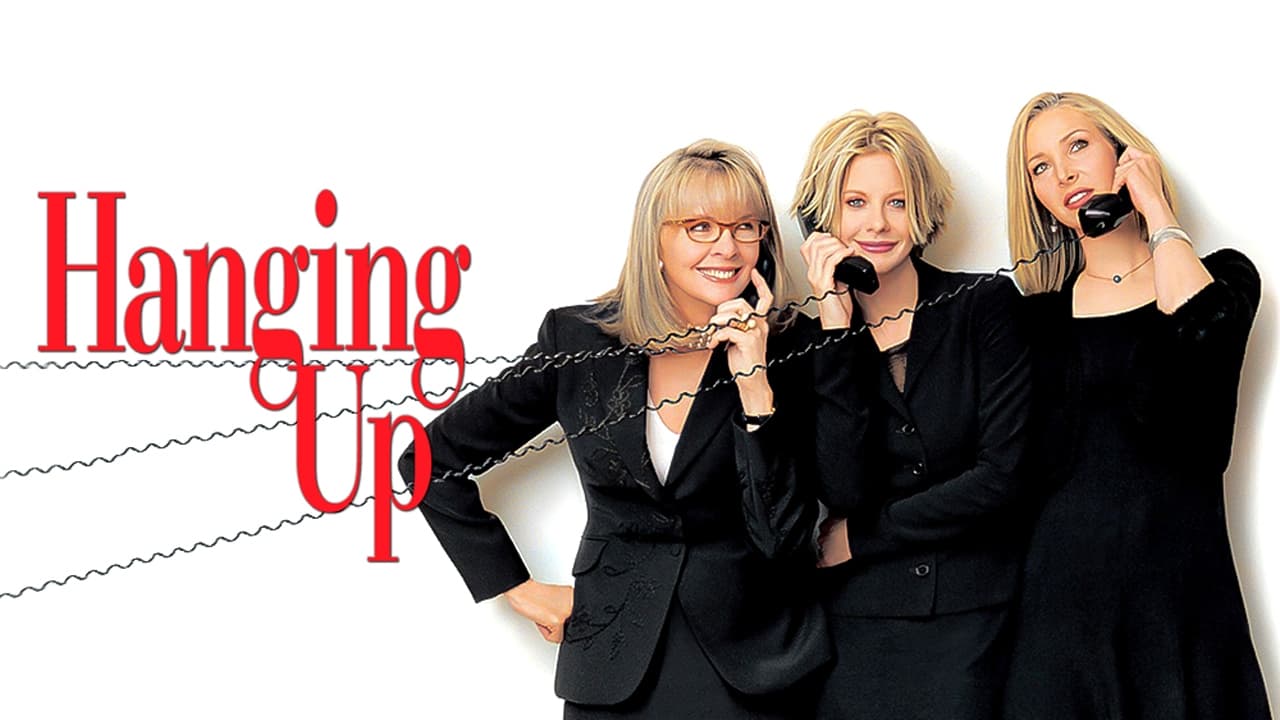
It often starts with a sound, doesn't it? That insistent ring of a telephone, cutting through the quiet or adding to the chaos. In Diane Keaton's Hanging Up (2000), the phone isn't just a plot device; it's a character, a conduit for obligation, guilt, love, and the fractured connections of the Mozell family. Watching it again now, years after its initial release often found gracing the shelves of video stores just as DVDs began their takeover, the film resonates with a particular kind of weary truth about the burdens we carry for those we love, even when they drive us absolutely mad.

The Ephron Signature, Deeply Personal
Penned by the formidable sister duo Delia Ephron and Nora Ephron (Sleepless in Seattle, You've Got Mail), adapting Delia's own deeply personal novel, the film immediately carries their hallmark blend of sharp wit and heartfelt observation. Yet, Hanging Up feels weightier, less overtly charming than their romantic comedy hits. It delves into the messy, often thankless reality of caring for an aging, difficult parent, filtered through the distinct perspectives of three sisters. Delia based the novel, and thus the screenplay, on her experiences with her own father, the famed screenwriter Henry Ephron, lending the narrative an undeniable, sometimes uncomfortable, authenticity. You feel the history, the unspoken grievances, the tangled web of love and resentment that only families truly understand.
Three Sisters, One Overburdened Lifeline
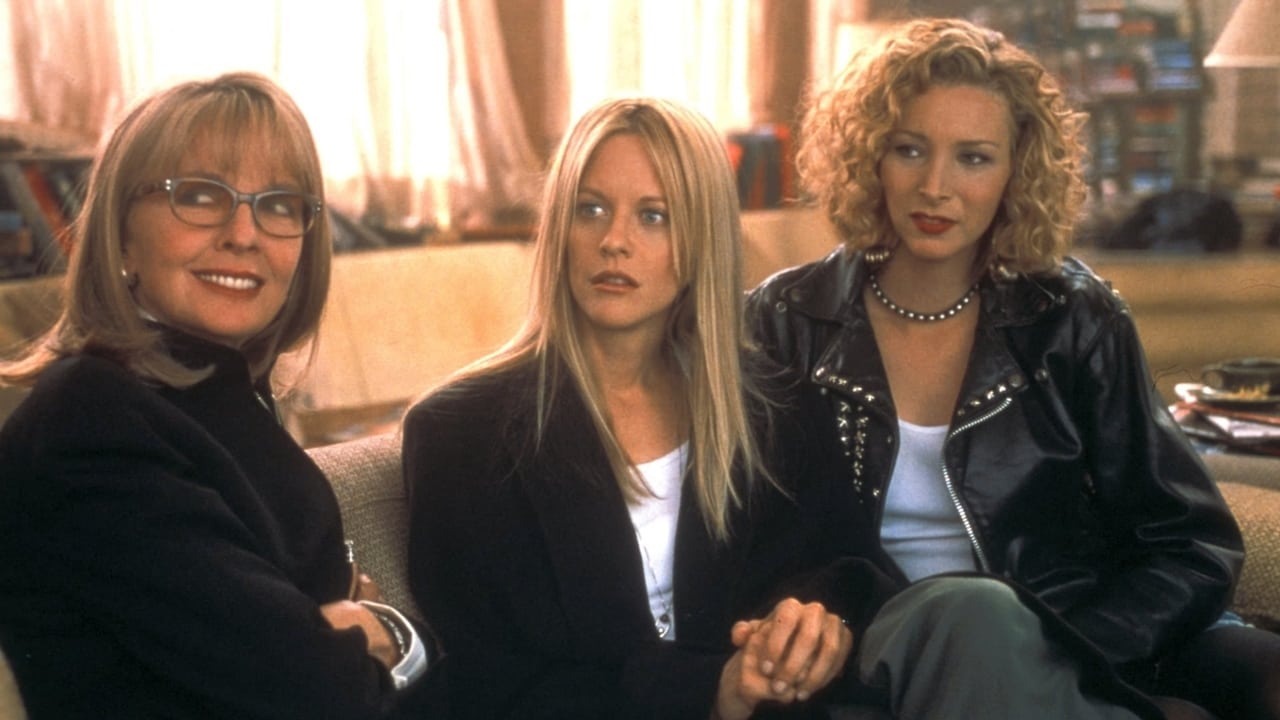
At the center is Eve Mozell, played by Meg Ryan with a frazzled vulnerability that feels miles away from her rom-com queen persona of the 90s. Eve is the designated caregiver, the one perpetually tethered to her estranged, hospitalized father, Lou (Walter Matthau), fielding his calls, managing his crises, and juggling her own burgeoning business and family. Ryan truly carries the emotional weight of the film; her exhaustion is palpable, her quiet moments of despair hitting harder than any grand outburst. She’s the responsible middle sister, caught between her two largely absent siblings: the glamorous, self-involved Georgia (Diane Keaton), a magazine mogul who jets in and out with breezy pronouncements, and the quirky, soap-opera actress Maddy (Lisa Kudrow, bringing her unique comedic timing), who offers well-meaning but often unhelpful support. The dynamic feels achingly familiar to anyone who's navigated the uneven distribution of familial responsibility. While Keaton and Kudrow deliver performances that fit their characters' archetypes, it's Ryan's portrayal of the dutiful daughter nearing her breaking point that lingers most.
Directing from the Inside
Diane Keaton, pulling double duty as director and star, navigates tricky territory. Directing oneself, especially in a role that reflects a certain type of self-absorption, is a challenge. Her previous directorial effort, the lovely Unstrung Heroes (1995), showed promise, and here she crafts moments of genuine tenderness, particularly in the flashbacks depicting the sisters' childhood with their often-absent, alcoholic mother (a brief but effective Cloris Leachman) and their demanding father. However, the film occasionally struggles with tone, sometimes leaning into sitcom-esque scenarios that undercut the deeper emotional currents. One wonders if directing such personal material, featuring herself alongside contemporaries like Ryan and Kudrow, created its own unique set of pressures. The film, budgeted around $60 million, unfortunately didn't connect strongly with audiences at the time, grossing just over $51 million worldwide, perhaps reflecting a public not quite ready for this less-romanticized look at family ties from this particular team.
A Legend's Poignant Farewell
What truly elevates Hanging Up, lending it an unexpected layer of poignancy, is that it features the final screen performance of the legendary Walter Matthau. As Lou Mozell, the charmingly infuriating, selfish, and ultimately fading patriarch, Matthau is captivating. Even diminished by the illness that would sadly claim him shortly after filming, his charisma and impeccable timing shine through. Lou isn't always likable – he’s manipulative, demanding, and largely oblivious to the chaos he creates – but Matthau imbues him with a vulnerability that makes his daughters' (particularly Eve's) unwavering, if exasperated, connection to him understandable. Knowing this was his last role adds a layer of bittersweet gravity to his scenes, especially those exploring memory and mortality. His performance isn't just a final bow; it's a testament to a screen presence that remained undeniable right to the very end. There's a story that Matthau, despite his health struggles, insisted on performing a scene involving falling out of bed himself, showcasing his lifelong commitment to his craft.
The Static and the Signal
Does Hanging Up feel a bit like a late 90s hangover spilling into the new millennium? Yes, in its look, its pacing, and even some of its comedic beats. The technology – those chunky cell phones and ubiquitous landlines – firmly places it in that transitional era right before the digital deluge truly hit. Yet, the core themes remain timeless. How do we navigate the complex demands of family? What does it mean to forgive parents for their failings? How do siblings, bound by shared history yet pulled apart by life, find their way back to each other? These questions resonate perhaps even more strongly now for the generation that first watched this, who may find themselves in Eve's shoes, juggling careers, children, and the needs of aging parents.
It’s not a perfect film; the tonal shifts can be jarring, and some characterizations feel thinner than others. But there's a messy, relatable heart to Hanging Up. It captures the static of miscommunication and resentment, but also the enduring signal of love and duty that keeps families connected, however imperfectly. It’s a film that invites reflection on our own complicated family ties, perhaps best appreciated now with a little distance and life experience.
Rating: 6/10
This rating reflects the film's genuine emotional core and strong central performances, particularly from Meg Ryan and the poignant final turn by Walter Matthau. The Ephron sisters' sharp writing provides moments of relatable truth. However, the film is held back by an uneven tone and some underdeveloped character arcs, preventing it from fully realizing its potential. It’s a worthwhile watch, especially for fans of the cast or those navigating similar family dynamics, but falls short of being a classic.
Final Thought: It leaves you thinking about the calls you make, the calls you avoid, and the enduring, sometimes maddening, necessity of picking up when family rings.