It arrives not with a bang, but with a tightening knot in the stomach. There's a particular kind of tension that permeates Claude Berri's 1997 film, Lucie Aubrac, a feeling distinct from the pulse-pounding thrills of action flicks or the jump scares of horror rentals that often dominated our VCRs. This is the chilling, quiet dread of reality, the weight of history pressing down on every frame. Watching it again, perhaps decades after first encountering its stark cover in the "Foreign Films" aisle of the local video store, that feeling remains potent. It’s a film that reminds you that sometimes the most harrowing stories are the ones etched not in fantasy, but in fact.
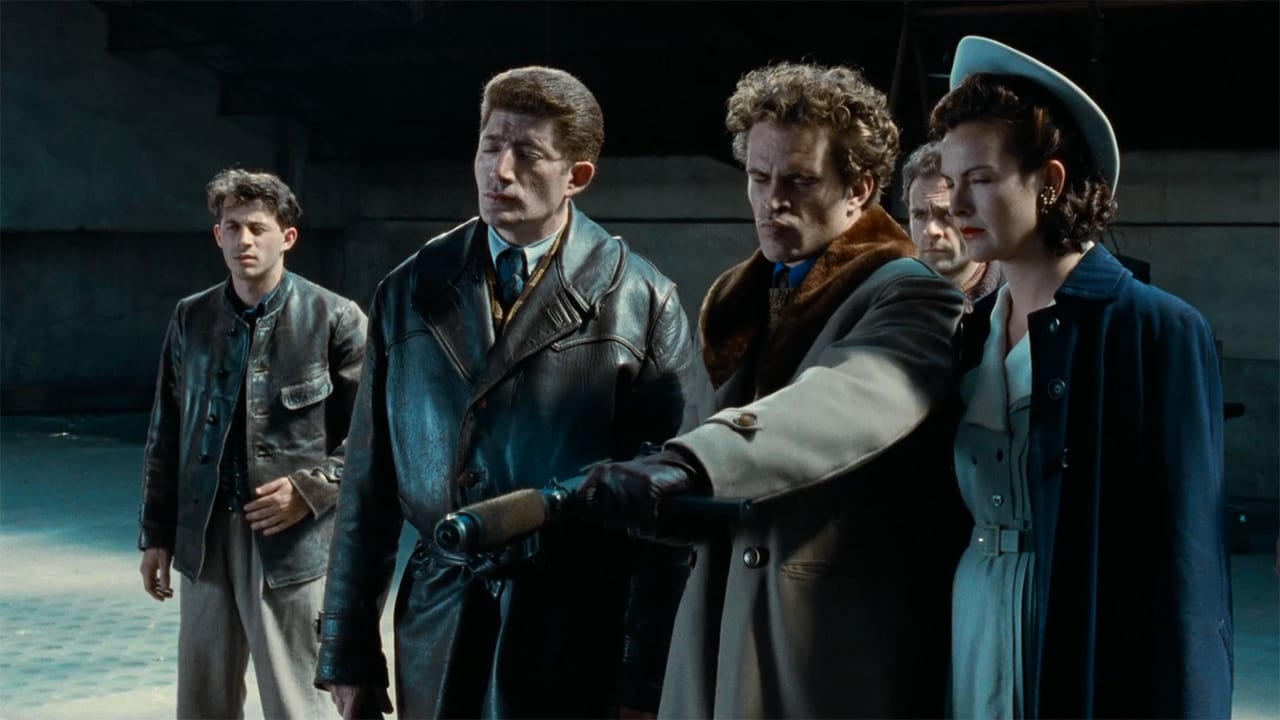
Based on the autobiographical writings of its titular heroine, the film plunges us into Lyon, France, during the darkest days of Nazi occupation in 1943. Lucie (Carole Bouquet) and her husband Raymond (Daniel Auteuil) are key figures in the burgeoning French Resistance. Their ordinary lives – she a history teacher, he an engineer – are cloaked by the extraordinary risks they take daily. When Raymond is arrested along with other Resistance leaders, including the legendary Jean Moulin (portrayed with quiet gravity by Patrice Chéreau, himself a renowned director), Lucie is propelled into a desperate, audacious fight against impossible odds to save the man she loves.
A Portrait of Fierce Resolve
What truly elevates Lucie Aubrac beyond a standard historical account is its laser focus on Lucie's unwavering determination. Carole Bouquet, often known for her cool elegance (think back to her Bond girl role in For Your Eyes Only (1981)), embodies Lucie with a steely grace that masks a fierce, almost terrifying willpower. Her performance isn't about histrionics; it's in the calculated risks, the steady gaze confronting Nazi officials, the sheer nerve required to conceive and execute her plans. She must be convincing, charming, manipulative, and utterly fearless, often simultaneously. It's a performance built on contained intensity, revealing the immense pressure cooker beneath a composed surface. Doesn't her portrayal capture something essential about the kind of courage demanded by those times – not just explosive bravery, but sustained, intelligent defiance?
Alongside her, Daniel Auteuil, already a titan of French cinema known for his profound work in films like Berri’s own Jean de Florette (1986), delivers a performance of compelling vulnerability as Raymond. Captured, tortured, and facing execution, his struggle is internal as much as external. His chemistry with Bouquet anchors the film’s emotional core; their love isn't merely stated, it's the engine driving Lucie’s seemingly impossible mission. Their quiet moments together, fraught with unspoken fear and deep affection, speak volumes more than any grand declaration could.
Berri's Classical Craft
Director Claude Berri, who also adapted the screenplay from Lucie Aubrac’s book Outwitting the Gestapo, approaches the material with a classical, almost restrained hand. This isn't a film that sensationalizes violence or relies on cheap suspense tactics. Instead, Berri builds tension meticulously through careful pacing, authentic period detail, and a focus on the procedural aspects of both the Resistance operations and the Nazi pursuit. The atmosphere is thick with paranoia; danger lurks in plain sight – a casual glance held too long, a car slowing down unexpectedly. The film feels grounded, believable, making the stakes feel terrifyingly real. Some might find the pacing deliberate, but it allows the weight of the situation and the gravity of the choices being made to fully settle. Remember how different this felt compared to the often frantic editing styles emerging elsewhere in the late 90s?
History, Drama, and the Weight of Truth
Now, here's a fascinating piece of context that adds another layer to appreciating the film. While based on Lucie Aubrac's own memoirs, the real Lucie, who passed away in 2007, publicly voiced disagreements with certain aspects of Berri's adaptation after its release. She reportedly felt the film took dramatic liberties, perhaps simplifying complex motivations or altering specific details for cinematic effect. Berri defended his choices as necessary for translating her incredible story to the screen. This tension between lived history and dramatic necessity is something many historical films grapple with, isn't it? Knowing this adds a complex dimension – we're watching a powerful story, beautifully told and acted, yet reminded that film often crafts its own version of truth. It doesn't necessarily diminish the film's impact, but it does invite us to consider the lines between recounting events and crafting compelling cinema. Reportedly made on a substantial budget for a French film at the time (estimated around $20 million), Berri clearly aimed for an epic, yet personal, retelling.
The film doesn't shy away from the brutality of the occupation, but its most enduring images are often quieter: Lucie navigating crowded streets, her mind racing; Raymond’s face behind bars; the clandestine meetings held in hushed tones. It’s a story about grand heroism enacted through meticulous, dangerous steps.
***
Lucie Aubrac stands as a powerful testament to individual courage in the face of overwhelming tyranny. It might not have been the typical Friday night VHS rental filled with explosions or laughs, but for those of us who stumbled upon it, perhaps seeking something different, it offered a profound and moving experience. It’s a meticulously crafted historical drama anchored by outstanding lead performances, particularly from Carole Bouquet who delivers a career-defining portrayal of resilience. The film’s deliberate pacing and classical style effectively build suspense and convey the gravity of the era, even if we acknowledge the documented friction between the adaptation and the real-life subject's perspective.
Rating: 8.5/10 - This score reflects the film's exceptional performances, masterful tension-building, and its powerful handling of a significant true story. While the known historical disputes prevent a perfect score, the cinematic achievement and emotional resonance are undeniable, making it a standout piece of late 90s European filmmaking that likely found its way into many discerning VHS collections.
What lingers most isn't just the daring escape plan, but the quiet strength and profound love that fueled such incredible bravery against the backdrop of unimaginable darkness. A truly unforgettable portrait.