Ah, the early 90s. A time when twin power wasn't just a novelty, it was a phenomenon, largely thanks to two certain residents of a very Full House. If your VCR didn't practically glow with the warmth of family sitcoms and made-for-TV movies back then, were you even living? It’s in this cozy, pre-internet landscape that a particular VHS tape became a staple for many families, especially around the holidays: 1992’s To Grandmother's House We Go. This wasn't just another movie; it was the launchpad for the Mary-Kate and Ashley Olsen entertainment empire, a sugary sweet adventure designed purely to capitalize on their undeniable Michelle Tanner cuteness.
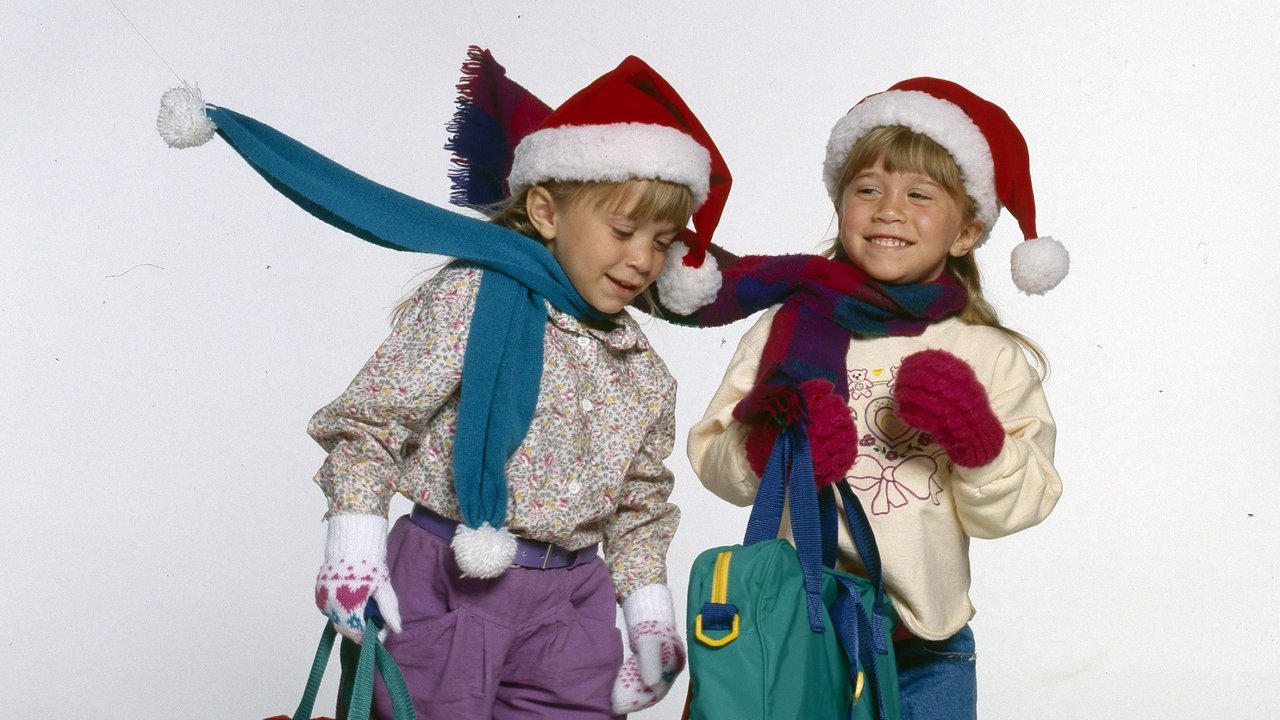
### Double Trouble on the Road
The premise is charmingly simple, the kind of plotline seemingly dreamed up during a particularly wholesome afternoon brainstorming session. Feeling unloved and misunderstood (because Mom needs a break, naturally), six-year-old twins Sarah and Julie Thompson decide the only logical solution is to run away... to their great-grandmother's house. What follows is less a gritty tale of survival and more a whimsical road trip caper, filtered through the lens of early 90s family television. Think Home Alone (1990), but trade the booby traps for adorable misunderstandings and villains who seem more likely to trip over their own feet than inflict any real harm. The girls hitch rides, inadvertently foil kidnappers (the wonderfully broad Rhea Perlman and Jerry Van Dyke having a ball), and generally charm their way through situations that would terrify actual lost children.
This was, of course, the Olsens' very first starring vehicle outside the Tanner household, a strategic move orchestrated by Full House creator Jeff Franklin, who also wrote and directed this film. You can feel his sitcom sensibilities all over it – the pacing is brisk, the humor is gentle slapstick, and every potentially scary moment is quickly diffused with a cute line or a comedic mishap. Filmed on location in Vancouver, British Columbia (standing in for generic suburbia and countryside), the movie has that specific, slightly crisp look common to Canadian-shot productions of the era. It perfectly captured the twins' appeal at the height of their initial fame, turning their shared screen time into a bankable formula.
### Cuteness Over Complexity
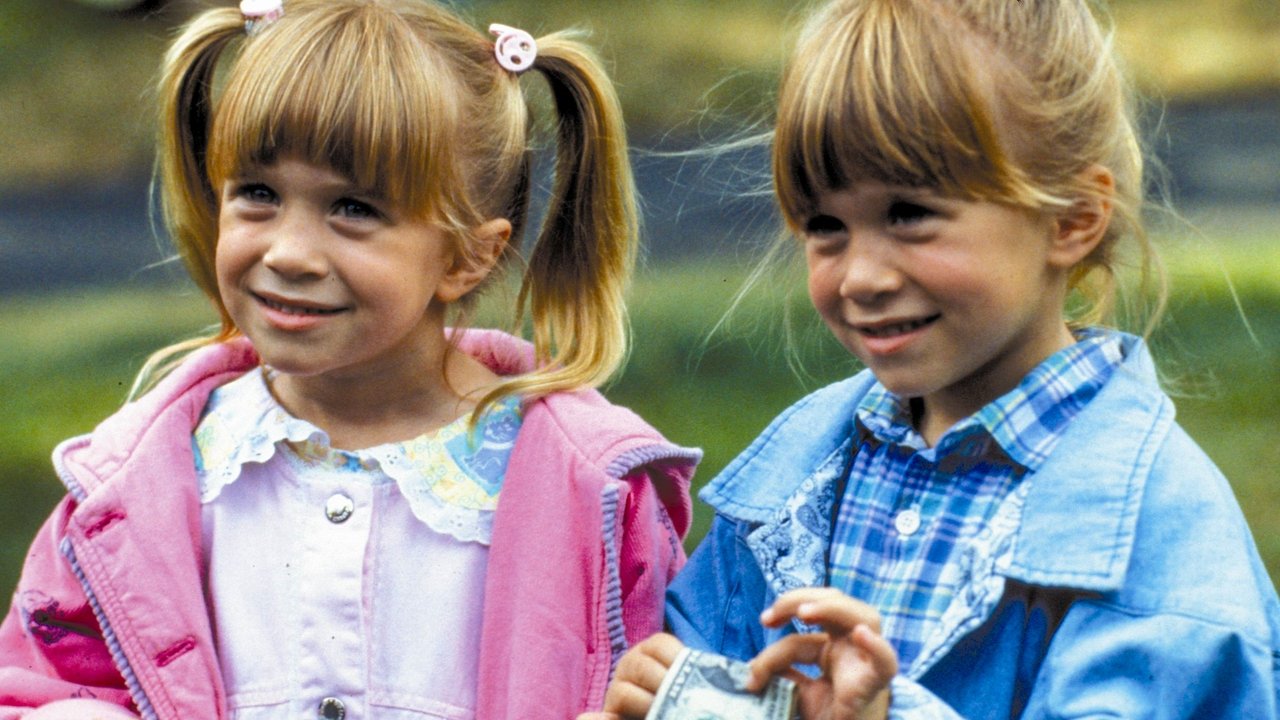
Let's be honest: nobody was renting To Grandmother's House We Go for its intricate plot or deep character studies. This movie runs entirely on the adorable energy of its young stars. Mary-Kate and Ashley Olsen were undeniably captivating as young children, their near-identical looks and practiced line delivery (often finishing each other's sentences, a recurring Olsen trope) making them seem almost otherworldly cute. They handle the simple dialogue and gentle physical comedy with the kind of preternatural poise that made them household names.
The supporting cast leans into the lighthearted tone. Rhea Perlman, forever beloved as Carla from Cheers, and veteran comedian Jerry Van Dyke (younger brother of Dick Van Dyke) chew the scenery as Rhonda and Harvey, the bumbling thieves who accidentally "kidnap" the girls. They're cartoon villains, more exasperated by the twins' antics than genuinely menacing, which keeps the stakes comfortably low for the target audience. Their van, decked out with stolen goods, becomes a sort of chaotic mobile playground. It’s their comedic timing that elevates the predictable scenarios beyond simple kid-fare.

### That Made-for-TV Magic (and Maybe a Few Goofs)
Watching it now, the film screams "early 90s TV movie." The score is earnest and slightly syrupy, the editing straightforward, and the overall production value solid but unmistakably tailored for the small screen. It premiered on ABC in December 1992, instantly becoming holiday viewing for many families. There's a certain comfort in that familiarity, like pulling on a favorite old sweater. Part of the fun now is spotting the charmingly dated elements – the clothes, the cars, the sheer lack of mobile phones that allows the plot to even happen.
Did you know that Jeff Franklin specifically created this project to give the Olsens their own spotlight, seeing their potential beyond sharing the role of Michelle Tanner? It was a gamble that paid off massively, launching a direct-to-video dynasty that would define much of the 90s home video market for kids. While the film aims for broad appeal, its humor is definitely pitched young. The jokes are simple, the dangers are minimal, and the resolution is tied up with a neat, heartwarming bow. It’s cinematic comfort food, pure and simple. Some eagle-eyed viewers might even notice small continuity errors or moments where the twins clearly swapped roles mid-scene – little quirks that add to the vintage charm.
### Still Worth the Trip?
To Grandmother's House We Go isn't cinematic genius, and it knows it. It’s a sweet, unassuming family adventure built around the considerable charm of its young leads and the reliable comedic talents of its supporting cast. It represents a specific moment in time – the peak of Olsen-mania, the era of wholesome TV movies, and a time when a simple road trip plot felt like a grand escapade on the living room TV screen. If you grew up watching this, re-watching it now is like finding a beloved childhood toy in the attic; the thrill might be different, but the warmth is undeniable. It perfectly understood its audience and delivered exactly what they wanted: ninety minutes of lighthearted fun starring America's favorite twins.
Rating: 6/10
The rating reflects its undeniable nostalgic pull and success as a vehicle for its stars, balanced against its simplistic plot and distinctly made-for-TV limitations. It's not a groundbreaking film, but it delivers precisely the cozy, kid-friendly adventure it promises, elevated by the charm of the Olsens and the comedic relief of Perlman and Van Dyke. For fans of the era or those looking for a gentle dose of 90s kid-movie comfort, it hits the spot.
It might not be high art, but sometimes, a simple trip down memory lane (or to Grandma's house) is exactly the adventure you need. Pass the popcorn, would ya?