Homeward Bound: The Incredible Journey
It’s a premise almost primal in its simplicity: beloved pets, separated from their humans, undertaking an impossible journey against the wilds to reunite. Yet, in the hands of Disney back in 1993, Homeward Bound: The Incredible Journey became far more than just a remake of the 1963 original; it became a touchstone of heartfelt family adventure, a movie practically guaranteed to make even the most stoic viewer reach for the tissues. For many of us whose VCRs hummed through the 90s, this wasn't just a movie – it was an emotional rite of passage.
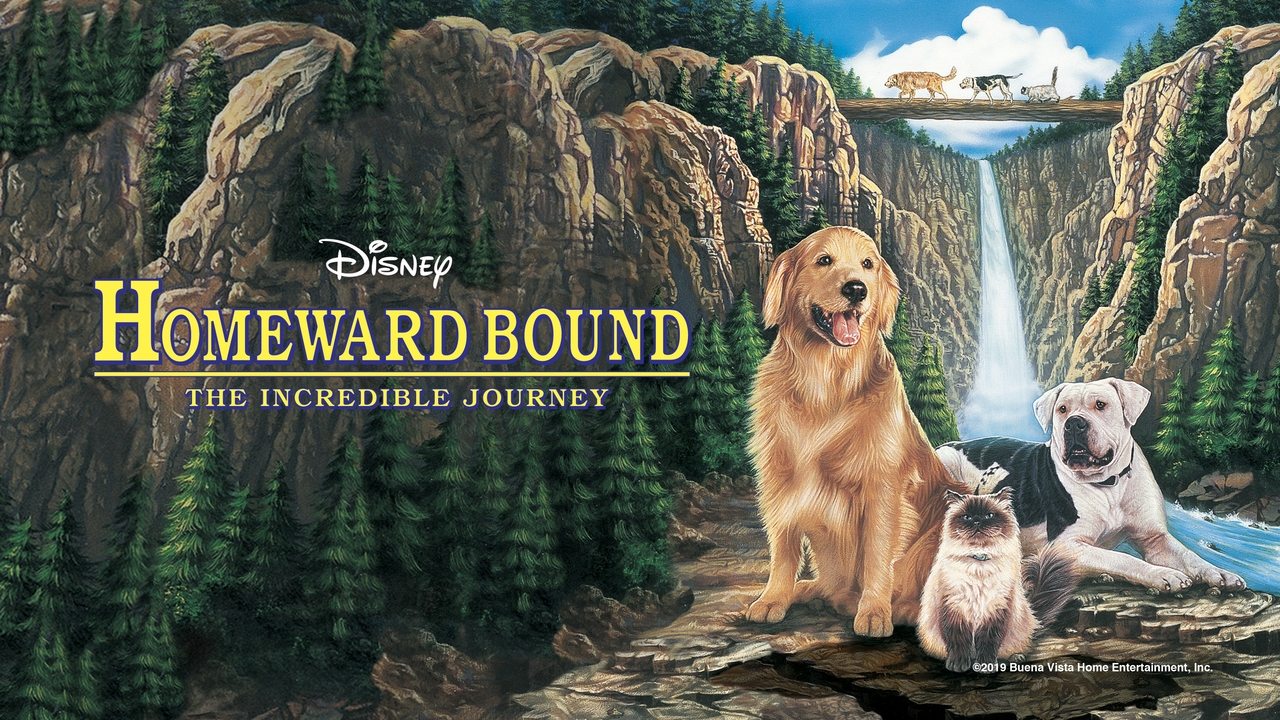
The Unforgettable Trio
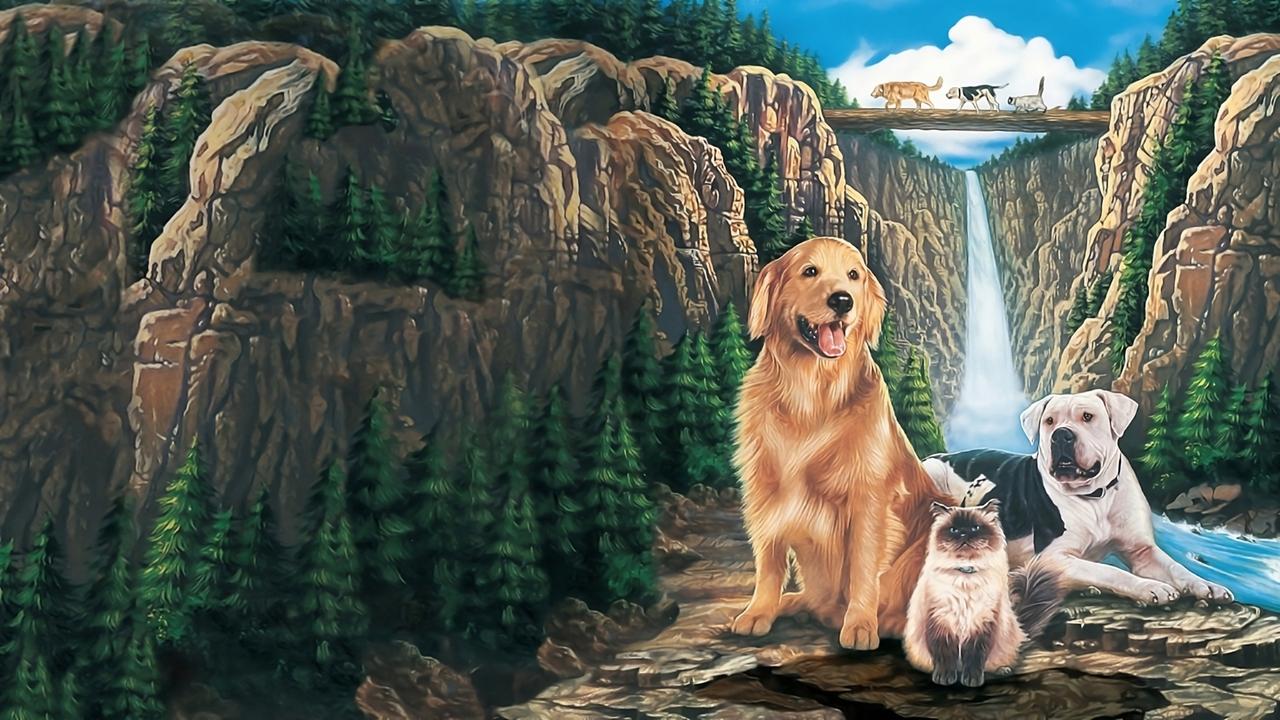
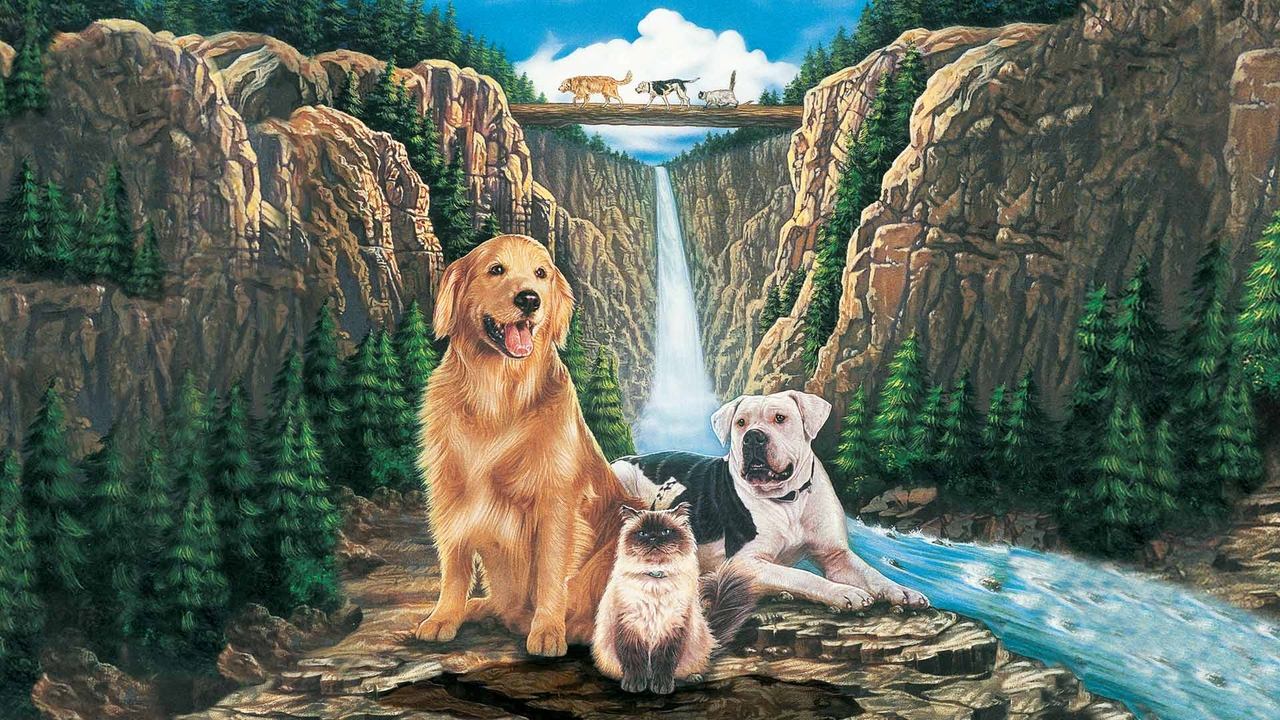
At the heart of this odyssey are three distinct, perfectly cast personalities. There’s Shadow, the wise, aging Golden Retriever, voiced with paternal warmth and unwavering loyalty by the legendary Don Ameche in one of his final film roles. Shadow is the steadfast leader, the anchor of their hope. Then there’s Sassy, the aptly named Himalayan cat, voiced with just the right blend of feline vanity and vulnerability by Sally Field (who, let's remember, could make us feel anything from Norma Rae grit to Steel Magnolias sorrow). Sassy brings the cynical wit and, often, the much-needed dose of cautious reality. And completing the trio is the irrepressible Chance, the young American Bulldog full of goofy energy and hilarious misunderstandings about the world. Voiced by Michael J. Fox, fresh off his Back to the Future triumphs, Chance embodies youthful exuberance and undergoes the most significant character arc, learning the meaning of loyalty and belonging. The chemistry between these three voices is pure magic, making us believe entirely in their bond.
Into the Wild
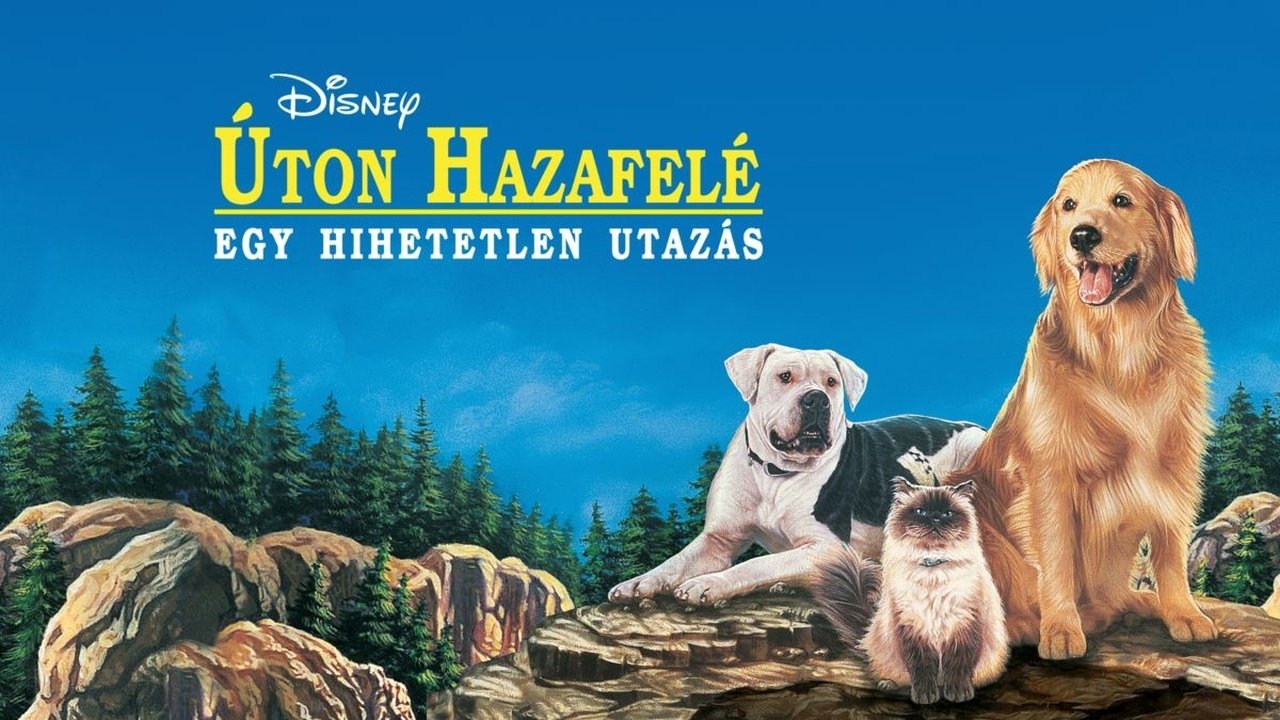
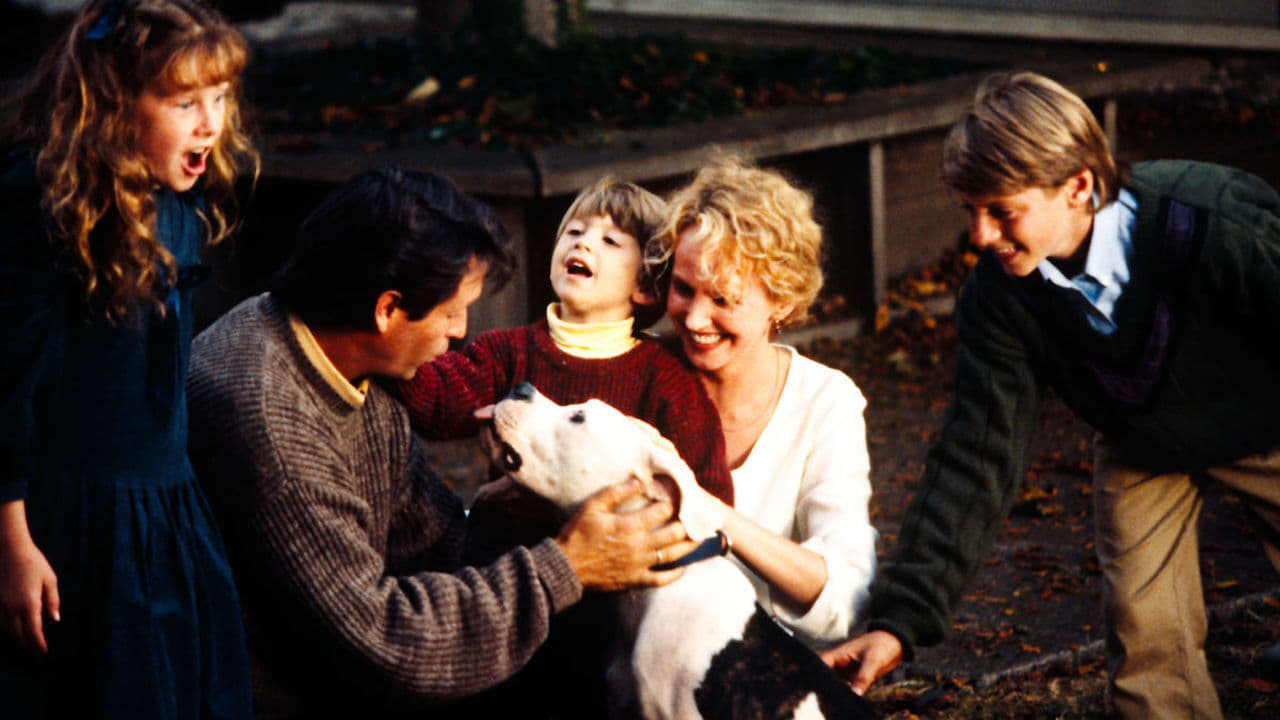
The setup is simple: the Seaver family (yes, that surname feels comfortably familiar, doesn't it?) is temporarily relocating and leaves their cherished pets – Shadow, Sassy, and Chance – at a friend's ranch. Misinterpreting the situation, believing they've been abandoned, the determined trio decides there's only one course of action: head for home, across the formidable Sierra Nevada mountains. Director Duwayne Dunham, who cut his teeth editing classics like Return of the Jedi and later directed Little Giants, crafts a journey that feels both expansive and intimate. We see the grandeur of the wilderness, beautifully shot, but the focus always remains squarely on the animals' perspective – their fears, their triumphs, their unwavering focus on reaching Peter, Jamie, and Hope.
Crafting Canine and Feline Drama
Let's talk about the real stars – the animal actors. In an era before CGI seamlessly inserted talking animals onto screens, Homeward Bound relied on incredible animal training, clever editing, and strategically placed voiceovers. The trainers coaxed remarkably expressive "performances" from Rattler (Shadow), Tiki (Sassy), and Buddie (Chance), along with their various doubles. Remember that scene with the porcupine? Or Sassy’s terrifying tumble into the river? These moments felt genuinely perilous thanks to smart filmmaking and the animals' convincing reactions. It’s a testament to the craft that we so readily accept these animals conversing and strategizing. Reportedly, achieving certain shots, like getting the animals to look in the same direction, required immense patience and ingenuity from the trainers and crew on location in Oregon's stunning landscapes. The screenplay, adapted by Caroline Thompson (who brought us the gothic charm of Edward Scissorhands) and Linda Woolverton (fresh off penning Disney’s animated mega-hit Beauty and the Beast), based on Sheila Burnford's 1961 novel, skillfully balances adventure with humor and deep emotional currents.
More Than Just Talking Animals
While the talking animals are the hook, Homeward Bound resonates because it taps into universal themes: loyalty, perseverance, the unbreakable bond between humans and their pets, and the very definition of "home." We see Chance grow from a self-centered pup concerned only with his next meal to a courageous companion willing to risk everything for his friends. We feel Shadow's aging body struggle but his spirit remain resolute. We witness Sassy overcoming her pampered nature to face true danger. There are moments of genuine tension – the encounter with the mountain lion still feels intense – balanced beautifully with lighter scenes, often driven by Chance's misunderstandings.
The film wasn't a massive critical darling upon release (hovering around the 87% mark on Rotten Tomatoes now, but contemporary reviews were sometimes milder), yet audiences embraced it wholeheartedly. It pulled in a respectable $41.8 million domestically, proving that a simple story, told with immense heart, could capture imaginations. Its success inevitably led to a sequel, Homeward Bound II: Lost in San Francisco (1996), which brought the core voice cast back for another, albeit slightly less impactful, adventure.
VHS Heaven Rating: 9/10
Why a 9? Homeward Bound: The Incredible Journey is pure, distilled emotional storytelling. The voice cast is perfect, the animal performances (achieved through training, not pixels) are remarkable for their time, and the score by Bruce Broughton swells in all the right places. It balances adventure, humor, and genuine pathos masterfully. If it loses a point anywhere, it's perhaps for some moments that might feel a touch too saccharine for modern cynical eyes, but honestly, that sweetness is part of its enduring charm. The film delivers exactly what it promises: an incredible journey, both geographically and emotionally. Watching it again now, it still possesses that potent ability to make you believe in the impossible loyalty of pets and, yes, probably make you shed a tear or two (or maybe more!) during that unforgettable final sequence.
For anyone who remembers crowding around the TV for this one, Homeward Bound remains a powerful reminder of the simple, heartfelt adventures that defined family movie nights in the VHS era – a journey home that always feels welcoming.