There’s a certain kind of electric jolt that hits you when a film arrives seemingly out of nowhere, bristling with a cynical energy that feels both startlingly fresh and deeply unsettling. Back in the mid-90s, amidst the optimistic swagger of Britpop, Shallow Grave (1994) landed like a stylish Molotov cocktail tossed into the polite drawing-room of British cinema. Renting this one from the local video shop, perhaps drawn in by its stark cover art or the promise of a sharp thriller, often led to an experience far darker and more psychologically complex than expected. It wasn't just a thriller; it felt like a warning shot.
Three's a Crowd, Four's a Corpse
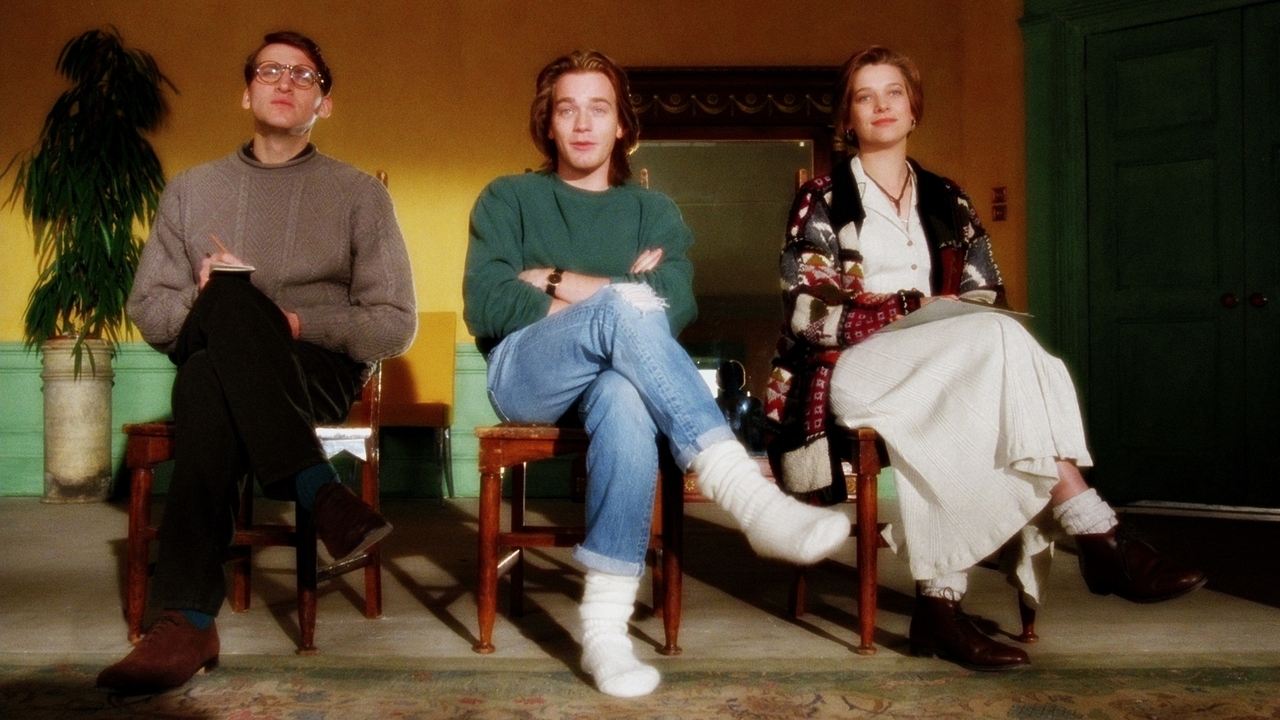
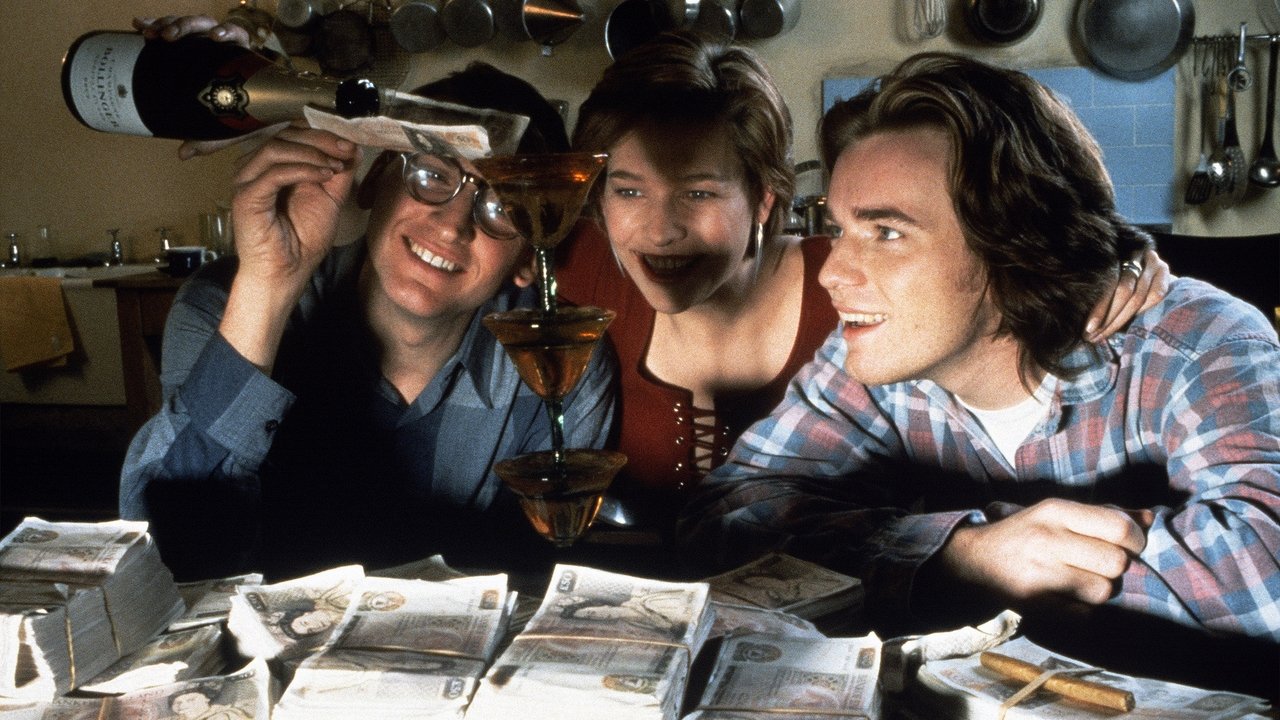
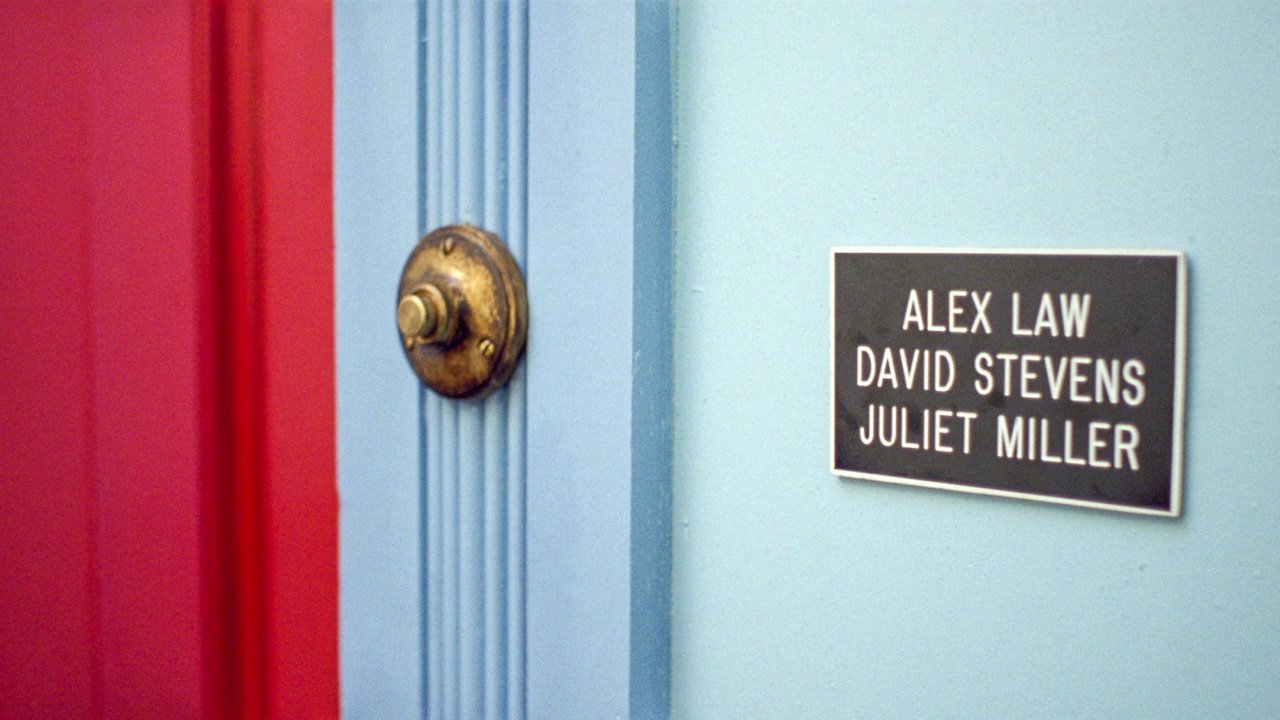
The premise, penned with razor-sharp precision by John Hodge, is deceptively simple: three Edinburgh flatmates – the acerbic journalist Alex (Ewan McGregor), the cautious accountant David (Christopher Eccleston), and the alluring doctor Juliet (Kerry Fox) – find their impossibly cool, bohemian existence thrown into chaos. After a darkly comedic, almost cruel vetting process for a fourth flatmate, they settle on the mysterious Hugo (Keith Allen). Their relief is short-lived; Hugo promptly dies of an overdose in his room, leaving behind a suitcase stuffed with cash. What follows is a chillingly logical, yet morally terrifying, descent as the trio decides not just to keep the money, but to dispose of the body in the most gruesome way imaginable.
What truly elevates Shallow Grave beyond a mere crime caper is its unflinching gaze at the corrosive effect of greed and paranoia on friendship. These aren't hardened criminals; they are relatable, intelligent young professionals whose bonds, initially seemingly strong and cemented by shared wit and arrogance, rapidly fracture under pressure. The film brilliantly captures the shifting alliances, the whispered suspicions, and the terrifying speed at which self-preservation obliterates loyalty. It asks a profoundly uncomfortable question: faced with temptation and consequence, how well do you really know your friends, or even yourself?
A Star-Making Debut
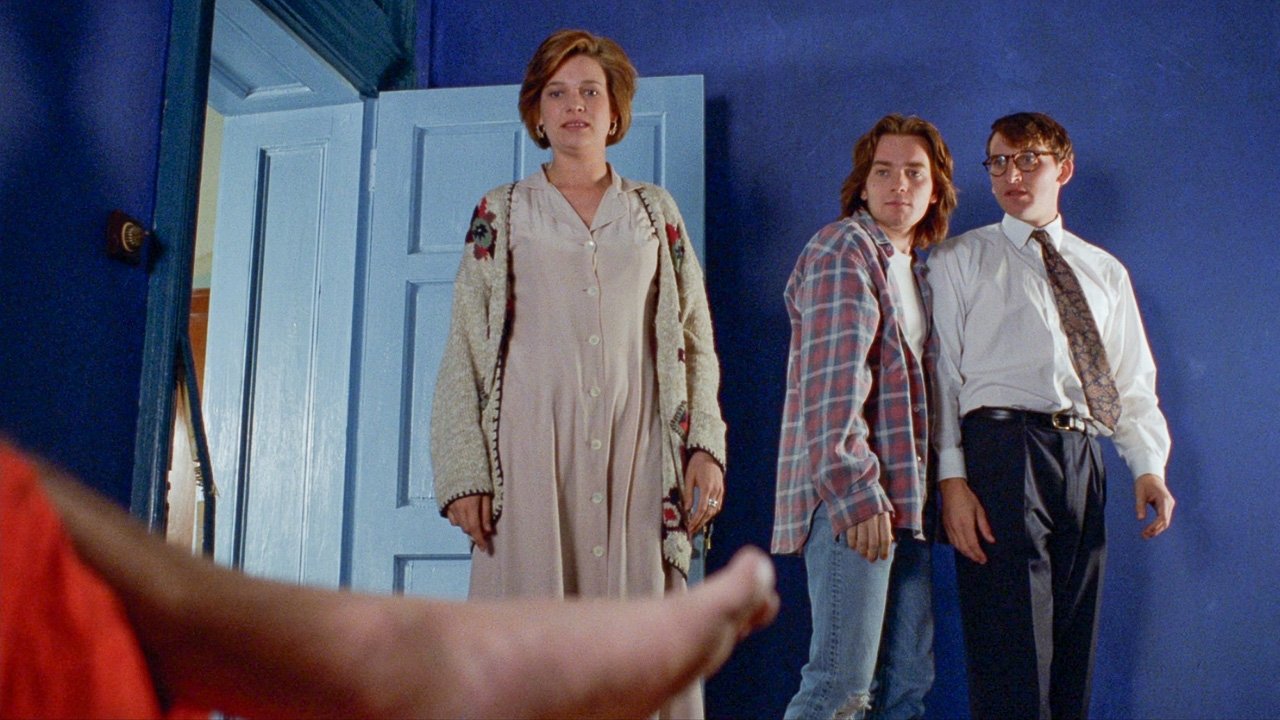
This was, famously, the film that launched the careers of both director Danny Boyle and actor Ewan McGregor. Boyle, who would go on to direct iconic films like Trainspotting (1996) and Slumdog Millionaire (2008), already displays his signature kinetic style here. The camera rarely sits still, prowling the confines of the stylish apartment set (constructed entirely within a Glasgow warehouse, adding to the controlled claustrophobia), employing canted angles and rapid cuts that mirror the characters' escalating panic. There’s a vibrant, almost aggressive use of colour that contrasts sharply with the grim proceedings, giving the film a unique visual identity that felt leagues away from more staid British dramas of the time.
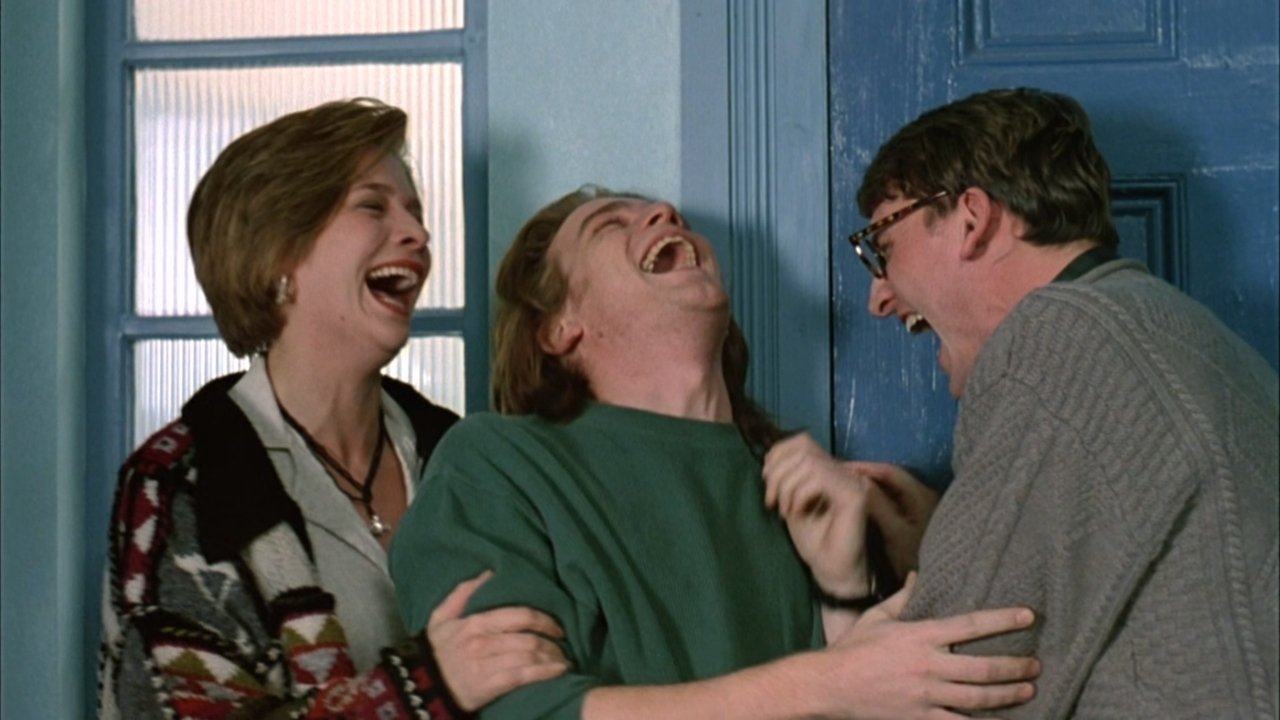
McGregor, in his feature film debut, is electric as the initially cocky Alex, his charm slowly curdling into something more desperate and dangerous. But it's Christopher Eccleston as David who perhaps undergoes the most harrowing transformation. Initially the most morally grounded of the trio, his meticulous nature twists into a terrifying, obsessive paranoia. Eccleston embodies David's psychological disintegration with a quiet intensity that’s utterly chilling – the scene involving the attic and a drill remains a masterclass in slow-burn horror. Kerry Fox navigates the complex role of Juliet, whose motivations remain perhaps the most ambiguous, playing the shifting power dynamics with unnerving skill. The chemistry between the three leads feels authentic, which Boyle reportedly sought by casting actors he felt could genuinely inhabit that shared space, making their eventual betrayal all the more potent.
Behind the Grave
Part of the magic of revisiting these VHS-era gems is uncovering the stories behind their creation. Shallow Grave was made on a shoestring budget – around £1 million – a fact that undoubtedly contributed to its lean, focused intensity. Producer Andrew Macdonald initially secured funding by pitching it as a low-budget horror film, a label it both embraces and transcends. Its success was immediate and surprising, earning over £5 million in the UK alone and winning the BAFTA for Best British Film. It proved that smart, edgy, and stylish genre filmmaking could thrive outside the Hollywood system.
Interestingly, the script originally had an even bleaker ending, reportedly involving David killing Juliet before meeting his own demise. The filmmakers opted for the slightly more ambiguous, ironic conclusion we see, which arguably leaves a more lasting sting. It’s also worth noting that the film's sharp dialogue and dark humour landed perfectly, tapping into a vein of cynical cool that would become even more prominent with Boyle and Hodge’s follow-up, Trainspotting. This wasn't just a film; it was the birth announcement of a major new wave in British filmmaking. Watching it now, you can feel the raw energy, the ambition, the sense of a creative team hitting their stride right out of the gate.
The Lingering Chill
Shallow Grave isn't always an easy watch. Its characters aren't particularly likeable, their choices are appalling, and the film doesn't offer easy moral comforts. Yet, its power lies precisely in that discomfort. It holds a dark mirror up to aspiration, materialism, and the fragile nature of human connection when faced with extraordinary circumstances. The slick visuals and biting wit make the poison pill easier to swallow, but the aftertaste lingers. It’s a reminder that sometimes the most stylish surfaces hide the ugliest truths. Does the cynical core still shock today? Perhaps not to the same degree, in our arguably more jaded times, but the execution remains remarkably potent.
Rating: 9/10
This score reflects the film's near-perfect execution of its premise, its knockout performances, Boyle's electrifying direction, and its undeniable impact on 90s British cinema. It’s tightly constructed, visually inventive, and psychologically unnerving. It loses a single point only because the sheer unlikeability of the central trio might leave some viewers cold, but this is intrinsic to its chilling effectiveness.
Shallow Grave remains a fiercely intelligent, darkly funny, and genuinely suspenseful thriller that feels as sharp and relevant now as it did pulling it off the shelf back in the day. It’s more than just a time capsule; it’s a timeless dissection of greed that still gets under your skin.