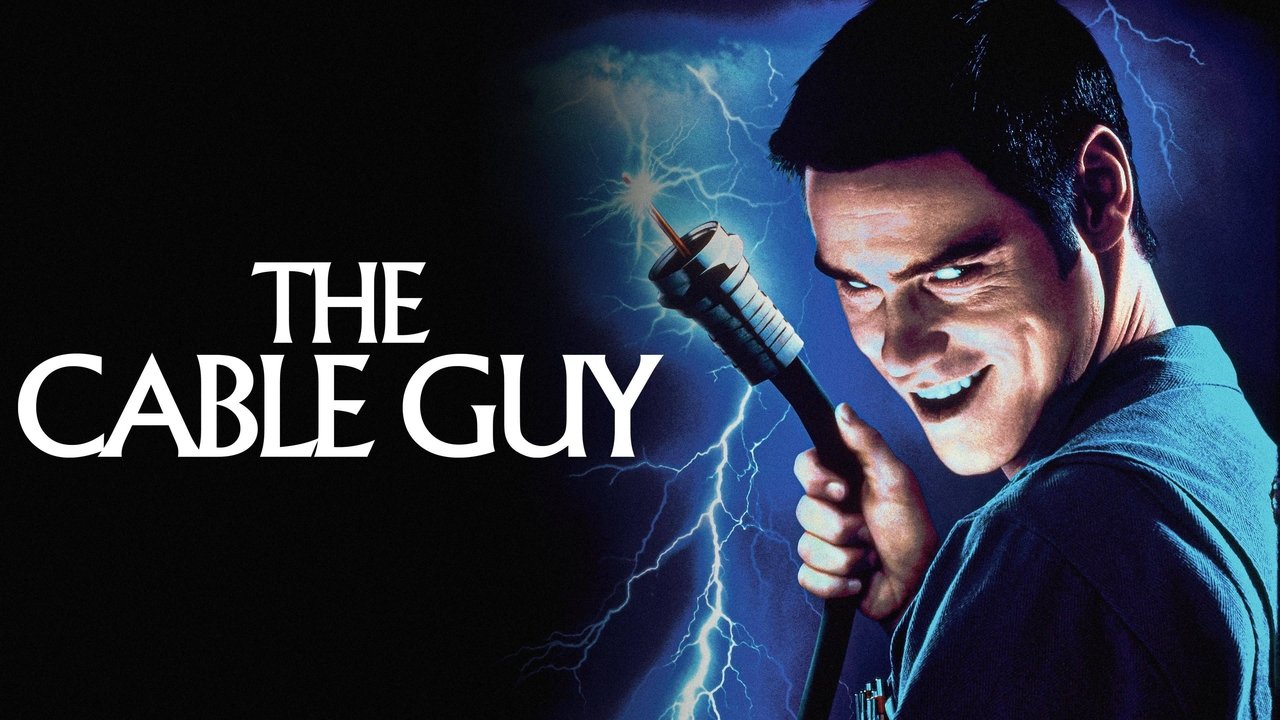
Alright, rewind your minds back to 1996. Picture this: Jim Carrey is riding high on a tidal wave of goofy, rubber-faced mega-hits like Ace Ventura and Dumb and Dumber. Columbia Pictures throws a then-record $20 million his way for his next picture. You slide that fresh VHS copy of The Cable Guy into your VCR, maybe adjusting the tracking slightly, expecting another dose of pure, unadulterated Carrey mania. And then… well, then you get this. A film so weird, so dark, so unexpectedly unsettling, it left many audiences scratching their heads, fumbling for the eject button, or leaning way in, captivated by its bizarre frequency.
### Not Your Usual Installation
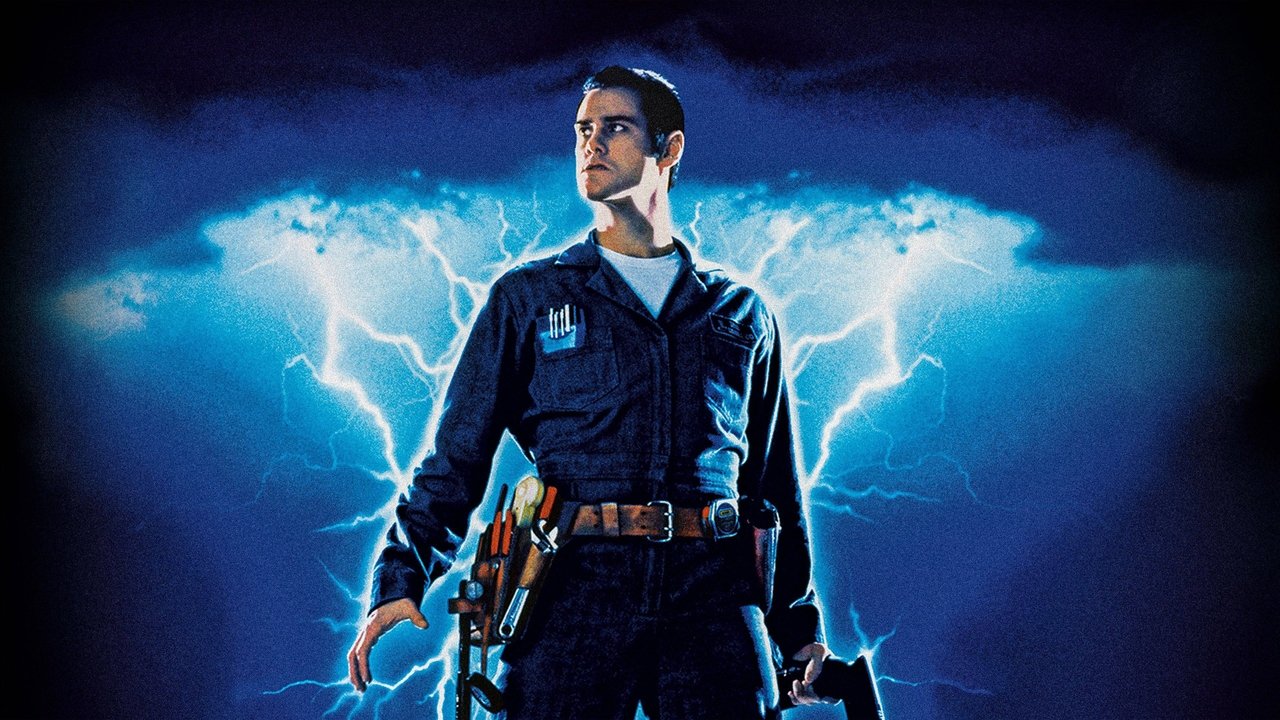
The setup feels deceptively simple, almost like a standard 90s comedy. Steven Kovacs (Matthew Broderick, perfectly cast as the relatable everyman, much like his Ferris Bueller days but significantly more stressed) is reeling from a breakup with girlfriend Robin (Leslie Mann, in an early role showing the comedic timing we'd come to love). He moves into a new apartment and needs his cable hooked up. Enter Chip Douglas (Jim Carrey), the titular cable guy. He seems friendly, maybe a little too friendly, offering free premium channels and striking up an instant, intense bond with the lonely Steven. What follows is anything but standard. This isn't just a quirky friendship; it's a descent into obsessive, manipulative, and downright creepy territory, played with a chilling intensity simmering beneath Carrey's signature manic energy.
### A Different Kind of Signal

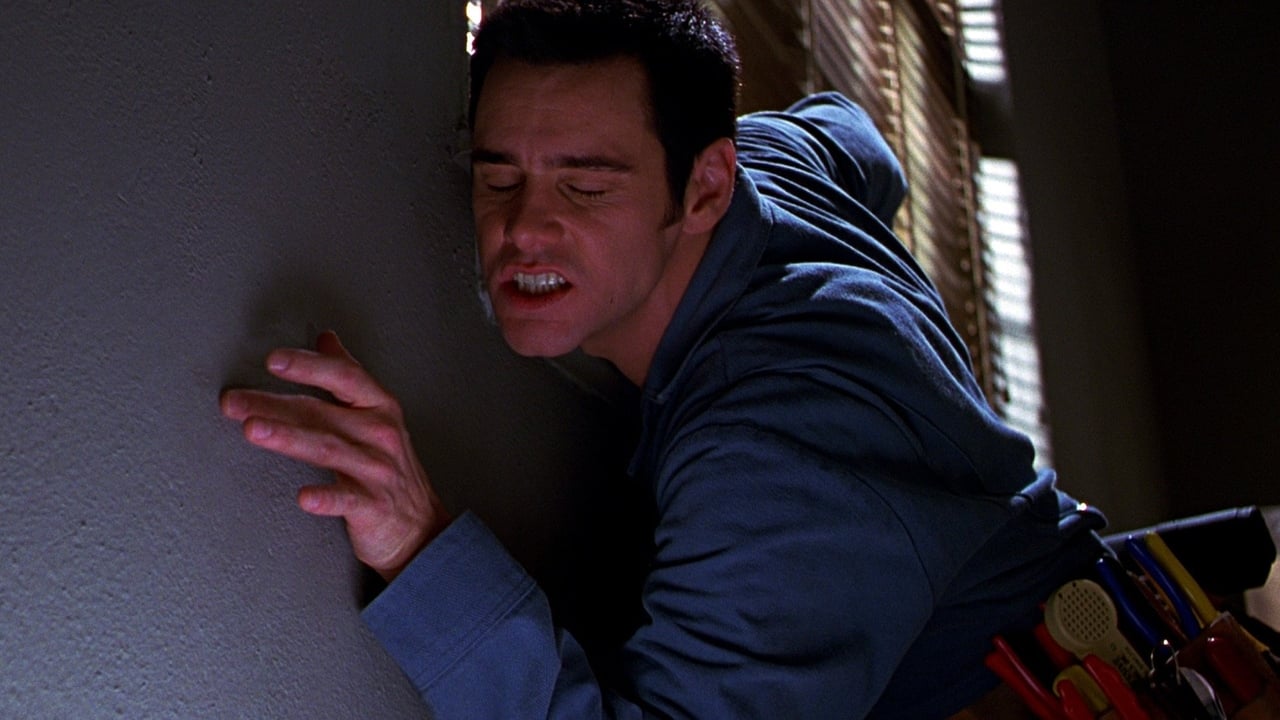
Let's be honest, Jim Carrey is electrifying here, but not in the way audiences expected. He weaponizes his physicality, turning the usual harmless goofball antics into something menacing. That lisp, the intense stare, the sudden shifts from needy best friend to passive-aggressive threat – it’s a genuinely bold performance. Remember Chris Farley was initially considered for the role? It’s fascinating to imagine how different that movie would have been, likely leaning more into outright comedy. Carrey, however, alongside director Ben Stiller (fresh off directing the Gen-X defining Reality Bites (1994)), reportedly pushed the script into darker territory. You can feel Stiller’s hand guiding the film’s unique tone – a slick, almost Lynchian vibe permeates the suburban setting, making the familiar feel alien and threatening. It’s a far cry from the broader comedies Stiller would later direct, like Zoolander (2001), showcasing a different, perhaps riskier, side of his directorial talent early on. Uncredited producer and writer Judd Apatow also had a significant hand in shaping the script, adding layers that would become hallmarks of his later work exploring flawed male relationships, albeit twisted into a stalker-thriller framework here.
### Crossing the Wires: Memorable Static
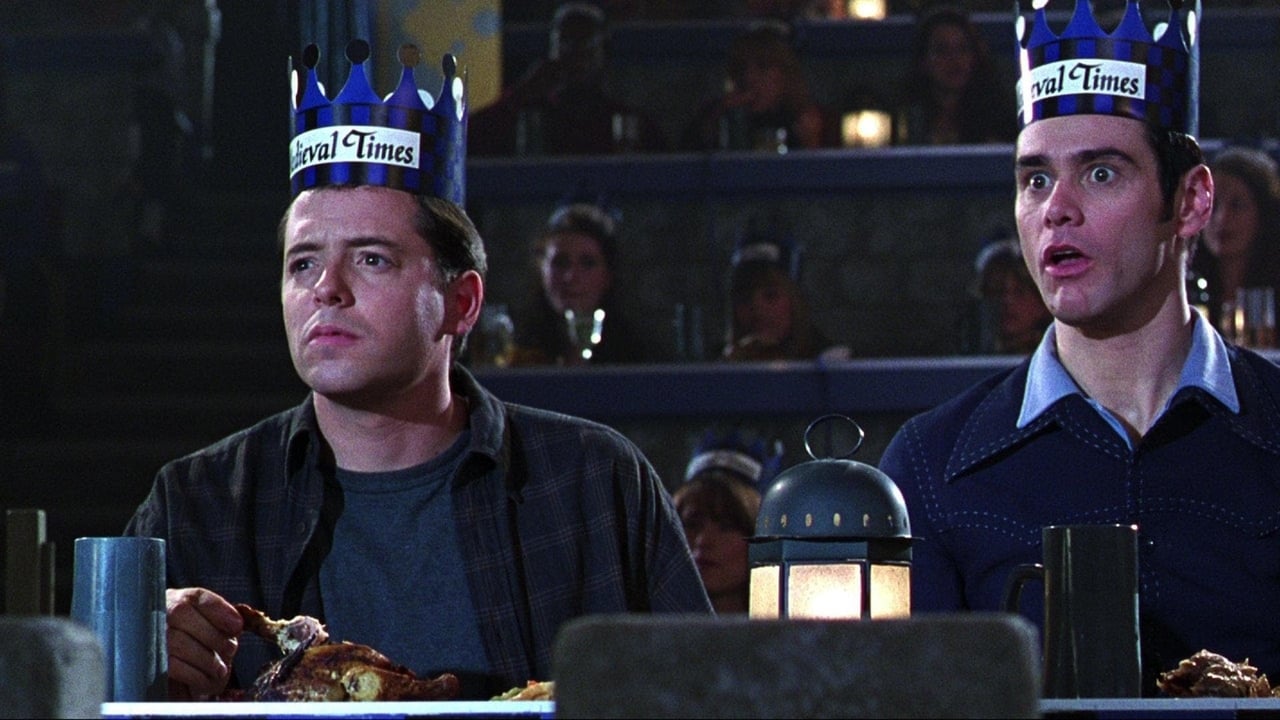
The film is punctuated by scenes that burrow into your memory like cable channels you can’t quite tune out. Who could forget Chip’s unhinged karaoke performance of Jefferson Airplane's "Somebody to Love"? It’s pure, distilled Carrey performance art – funny, terrifying, and utterly mesmerizing all at once. Then there's the sequence at Medieval Times (filmed at the actual Buena Park, California location!), where Chip arranges a bizarrely aggressive duel between Steven and a rival. It’s played for uncomfortable laughs, highlighting Chip's warped sense of reality and entertainment. These set pieces aren't just funny; they're character studies wrapped in absurdity, pushing the boundaries of what mainstream comedy audiences were accustomed to. It’s this tonal tightrope walk – is it a comedy? A thriller? A satire on media obsession and loneliness? – that makes the film so fascinating, even decades later.
### Reception Interference
Upon release, The Cable Guy wasn't exactly embraced. Critics were divided, many finding the dark tone jarring and Carrey's character deeply unlikeable. It certainly wasn't the box office juggernaut Columbia likely hoped for with their $20 million star; pulling in around $102 million worldwide on a reported $47 million budget meant it turned a profit, but it didn't match the stratospheric success of Carrey's previous outings. I distinctly remember the buzz being mixed – some friends loved its weirdness, others were just plain freaked out. It felt like a movie people talked about, argued about, which is often the sign of something interesting, even if it’s not immediately loved. Over the years, however, The Cable Guy has rightfully earned its cult classic status. Viewed today, its themes of intrusive technology, manufactured friendship, and the desperate need for connection feel startlingly prescient in our hyper-connected, social media-saturated world.
Broderick deserves credit for grounding the film; his reactions mirror the audience's growing unease. Leslie Mann also makes the most of her role, providing a necessary counterpoint to the central chaotic relationship. The film’s look, its slightly off-kilter production design, and the unnerving score all contribute to an atmosphere that’s hard to shake.
---
VHS Heaven Rating: 8/10
Justification: This score reflects the film's bold departure for Carrey, Stiller's stylish direction, its uniquely unsettling dark comedic tone, and its eventual, deserved cult following. It dared to be different, alienating some but captivating others with its weird energy and surprisingly relevant themes. While not perfect, its audacity and memorable central performance make it a standout oddity from the 90s comedy landscape.
Final Take: A fascinatingly dark transmission from the mid-90s, The Cable Guy might have caused interference on arrival, but its signal remains strong, perhaps even clearer now. It’s a reminder that sometimes the most interesting comedies are the ones that dare to make you profoundly uncomfortable. Definitely worth plugging back into.