A Thin Line Between Love and Hate
Alright, pop that tape in the VCR, adjust the tracking if you have to, and let’s talk about a film that definitely earned its spot on the “New Releases” wall back in the day. I’m talking about 1996’s A Thin Line Between Love and Hate, a movie that starts like a smooth R&B track and ends like a scratched record skipping straight to the psycho-thriller B-side. If you thought Martin Lawrence was just about the laughs from his hit show Martin, this film was a sharp, sometimes jarring, reminder that comedy can curdle into something much darker.

From Player to Played
Remember Darnell Wright? Our man Marty Mar plays him with that signature swagger – the ultimate ladies' man, nightclub promoter, thinks he’s got the world on a string and every woman wrapped around his finger. He keeps a meticulous little black book, brags to his boys Tee (Bobby Brown, adding some real-deal 90s R&B flavor) and Smitty (Miguel A. Núñez Jr.), and generally operates like the smoothest operator on the West Coast. His opening narration, laying out his philosophy on women, feels like classic 90s rom-com setup. You settle in, maybe grab another handful of popcorn, expecting laughs and maybe a predictable redemption arc.
But then comes Brandi Webb, played with terrifying intensity by the incredible Lynn Whitfield. She’s sophisticated, successful, beautiful, and seemingly immune to Darnell’s usual lines. She’s the ultimate prize, and Darnell pulls out all the stops. The initial courtship feels slick, funny, almost aspirational in that uniquely 90s way – fancy dinners, expensive gifts, the whole nine yards. This is where Lawrence, pulling triple duty as star, co-writer, and first-time director, really leans into his comedic strengths. You almost root for Darnell, even though you know he’s playing a dangerous game, especially since he’s still stringing along his childhood sweetheart Mia (Regina King, already showing the talent that would make her a powerhouse).
When the Needle Skips
The genius, or perhaps the audacity, of A Thin Line Between Love and Hate is how sharply it pivots. Once Darnell thinks he’s conquered Brandi and casually tries to discard her like his other conquests... well, let’s just say Brandi doesn’t take rejection lightly. Lynn Whitfield doesn't just play a woman scorned; she crafts a modern Medea, a terrifyingly plausible portrait of obsession curdling into madness. Her performance is magnetic and chilling, shifting from alluring to alarming with frightening ease. It’s the kind of performance that lodges itself in your memory long after the credits roll. Remember the first time you saw that shift? It was genuinely shocking back then, a splash of ice water after the warm bath of the first act.
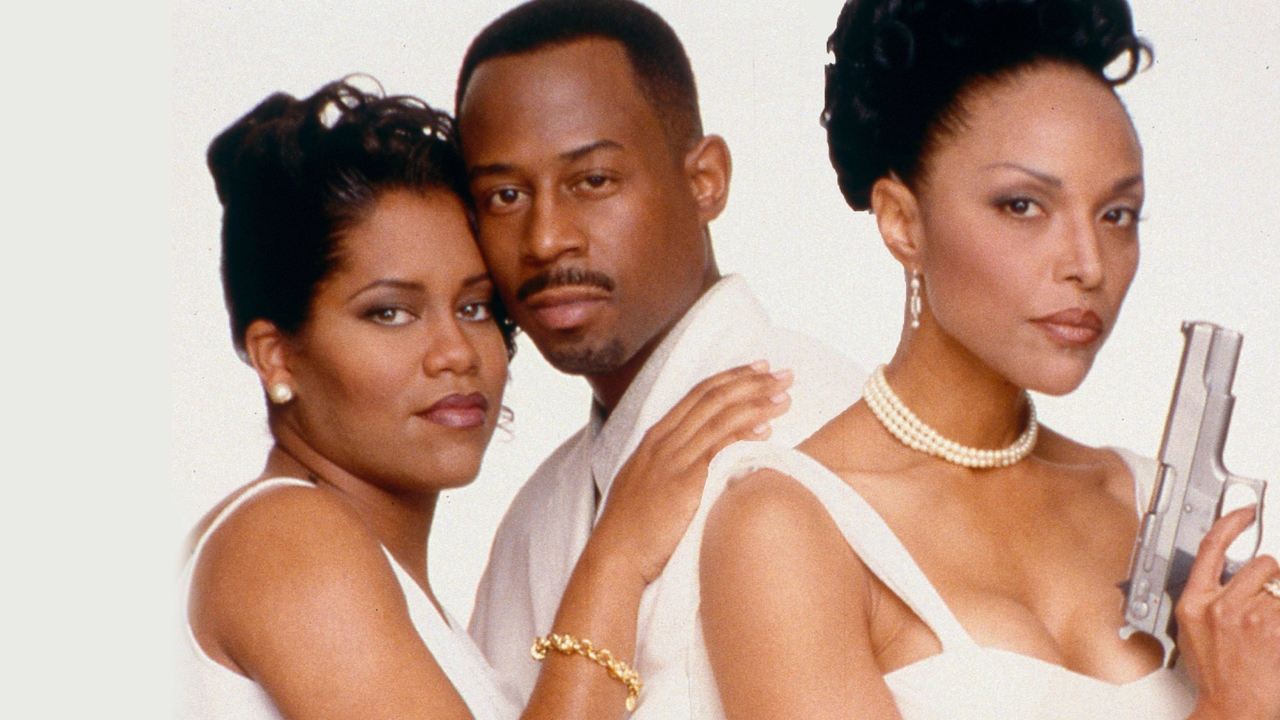
It’s fascinating that this was Martin Lawrence’s directorial debut. Teaming up with writers like Bentley Kyle Evans (a key figure from the Martin show), they crafted something tonally ambitious. Was it always smooth? Maybe not. Some critics at the time found the gear shift from comedy to dark thriller jarring. But for many of us grabbing this off the shelf at Blockbuster, that very unpredictability was part of the appeal. It didn't follow the expected Hollywood playbook. It felt raw, a little dangerous, like maybe the filmmakers weren't entirely sure where the line was either, but they were going for it anyway. And let's be honest, wasn't that kind of filmmaking exciting?
That Mid-90s Vibe
Beyond the performances, the film looks and sounds so distinctly mid-90s. The fashion, the slick R&B soundtrack pulsing through the club scenes (featuring the title track, originally a 1971 hit for The Persuaders), the whole Los Angeles aesthetic – it’s a time capsule. Shot on location, it captures that specific era before everything got glossed over by the digital age. There's a tactile quality to it, much like the VHS tapes we watched it on.
While it doesn't rely on the kind of practical effects explosions you might see in an action flick, the emotional intensity feels very real. Whitfield’s performance, Lawrence’s panicked reactions, Regina King’s grounded portrayal of Mia – they feel earned and authentic within the heightened reality of the story. The film tackled themes of sexism, consequences, and the dark side of charm in a way that felt bold for a mainstream comedy star's vehicle. It’s a cautionary tale wrapped in designer clothes and smooth talk, a precursor in some ways to later thrillers that played with audience expectations.
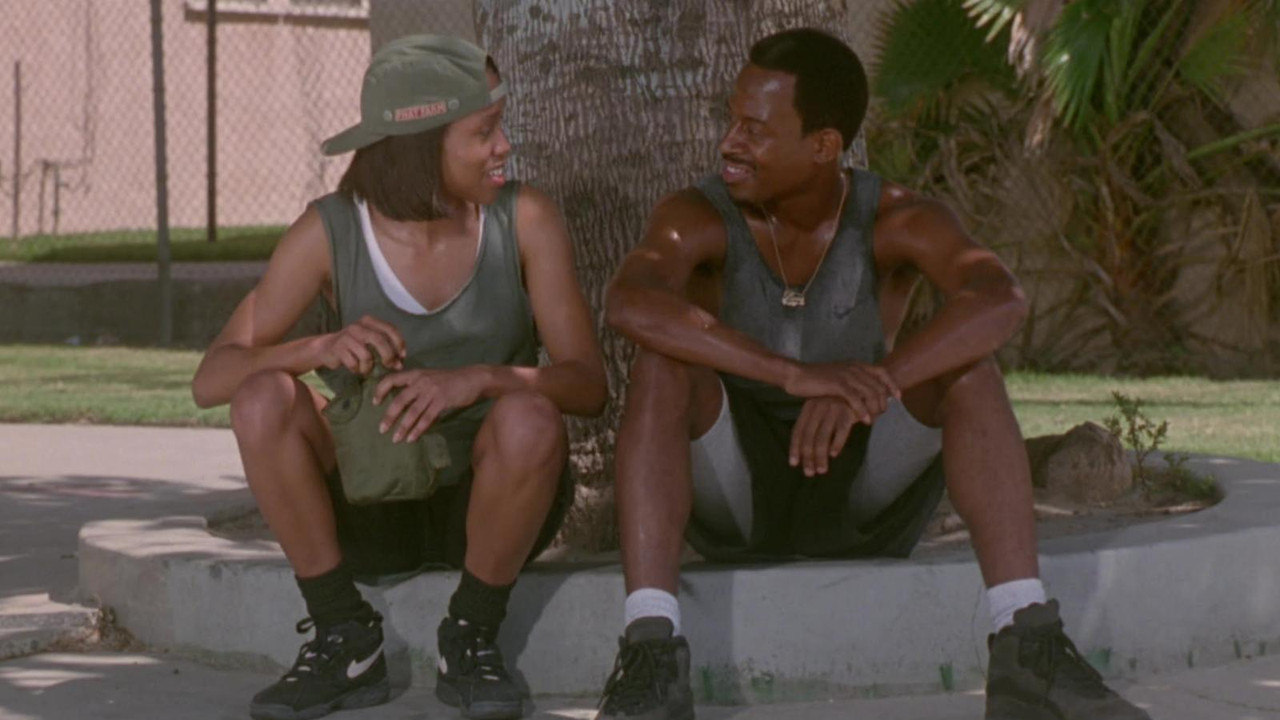
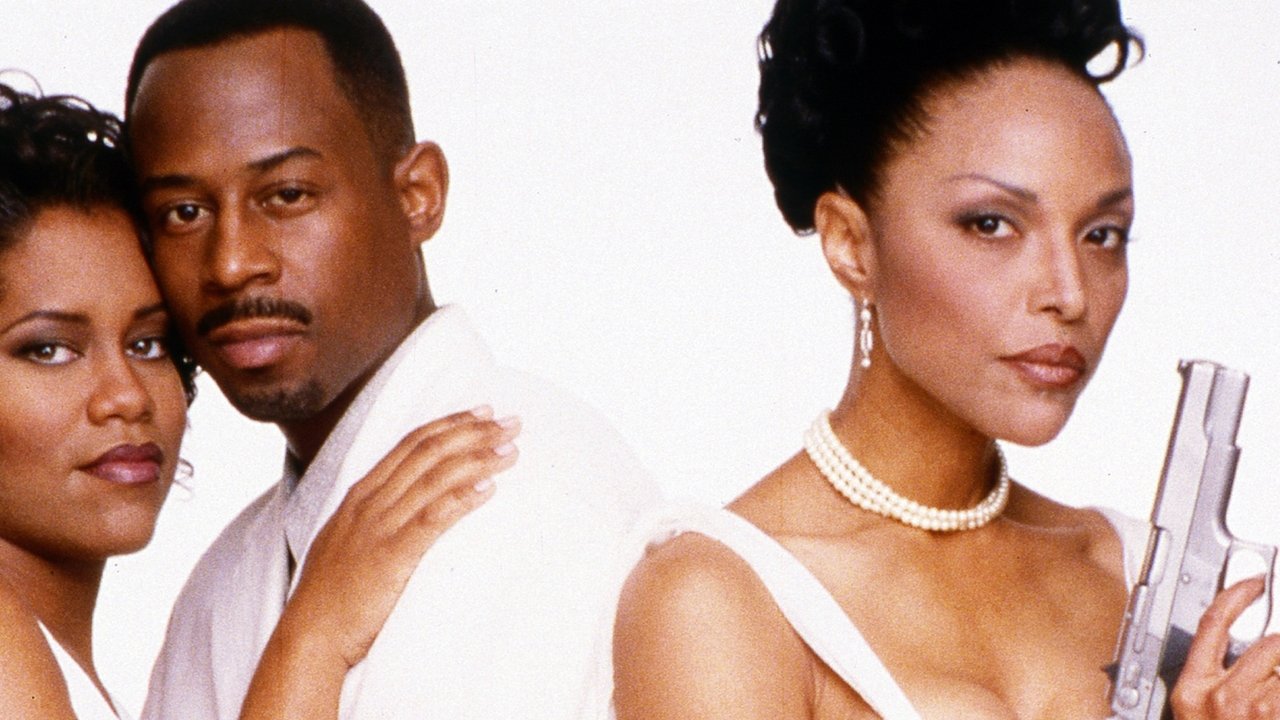
Despite mixed reviews, the film found its audience, pulling in nearly $35 million on an estimated $8 million budget – a healthy profit. More importantly, it became a cult classic on home video, a staple rental, sparking endless debates about Darnell’s karma and Brandi’s chilling descent. It proved Martin Lawrence had ambitions beyond sitcom laughs and stand-up stages, even if he didn’t direct again.
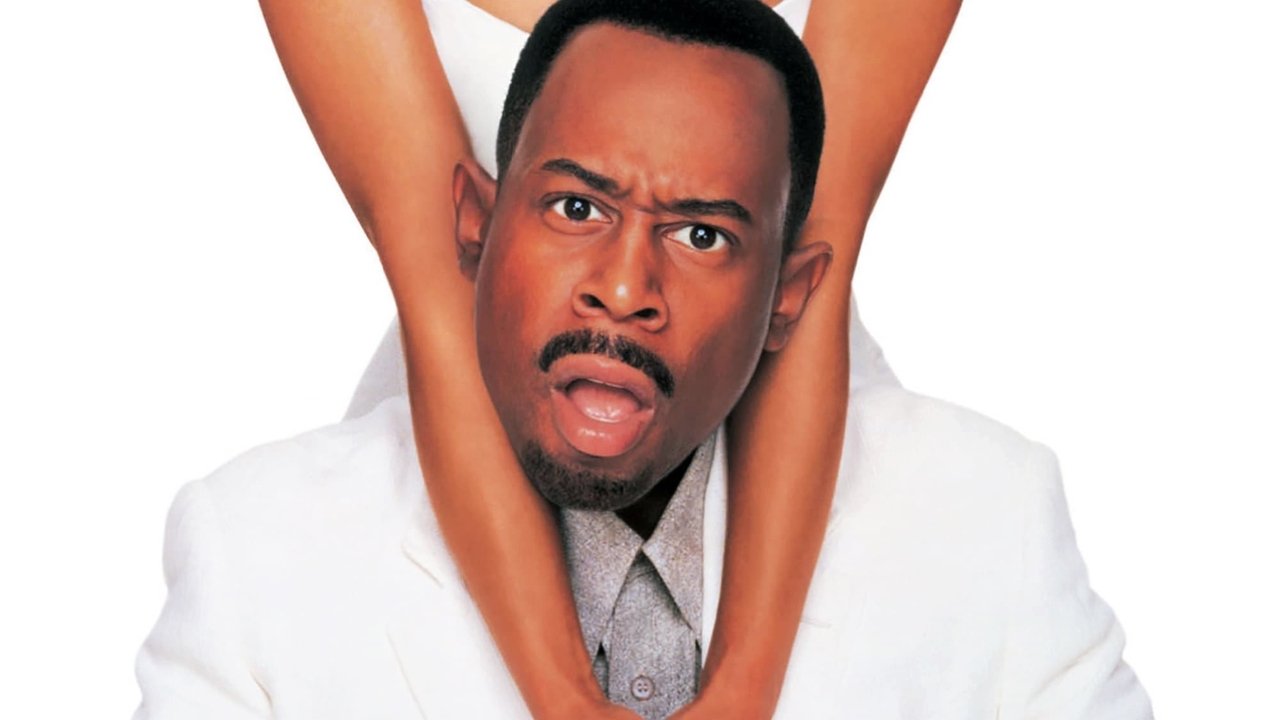
Rating: 7.5 / 10
Why this score? A Thin Line Between Love and Hate gets major points for its bold tonal shift, Lynn Whitfield’s unforgettable, powerhouse performance, and its status as a defining slice of 90s Black cinema. It’s funny, then genuinely suspenseful, and captures an era perfectly. It loses a few points perhaps for the sometimes uneven transition between comedy and thriller, which could feel abrupt. However, its ambition and memorable moments make it stand out.
Final Take: This wasn't just another 90s comedy; it was a Trojan horse smuggling a dark, cautionary thriller onto the video store shelves. Rewatching it now, it’s a potent reminder of when mainstream films could take real chances, delivering laughs one minute and genuine chills the next, all fueled by powerhouse performances that still feel electric. Definitely worth rewinding.