Dust motes dancing in the projector beam of memory... that's often how we recall the gothic masterworks of Mario Bava. Think Black Sunday (1960) or the vibrant, deadly chic of Blood and Black Lace (1964). But then there’s Rabid Dogs (originally Cani arrabbiati), a film that feels less like a carefully constructed nightmare and more like a raw nerve exposed to the blistering Italian sun. Shot in 1974 but famously shelved due to bankruptcy woes, it eventually clawed its way out of obscurity in the mid-90s (which might explain the '1996' date sometimes attached to it, though the soul of the film is pure '74 grit). Finding this on a tape felt like unearthing buried treasure, albeit treasure stained with sweat and desperation.
### A Detour into Hell
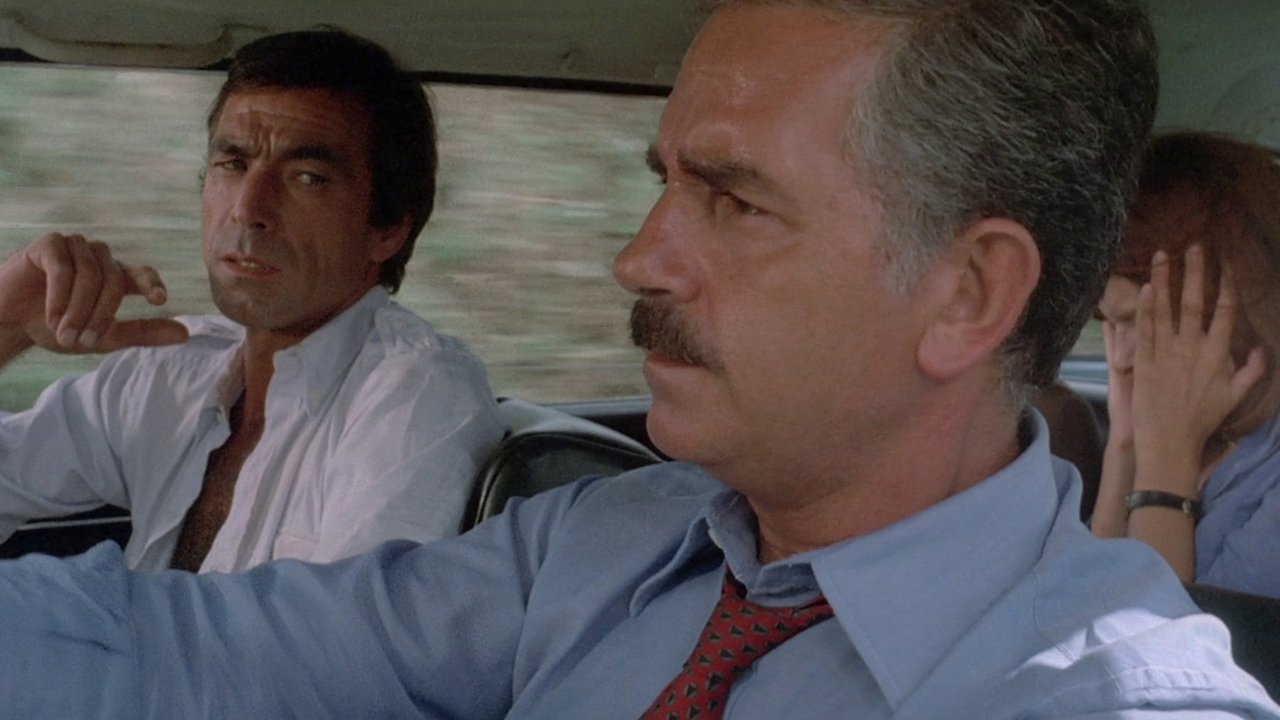
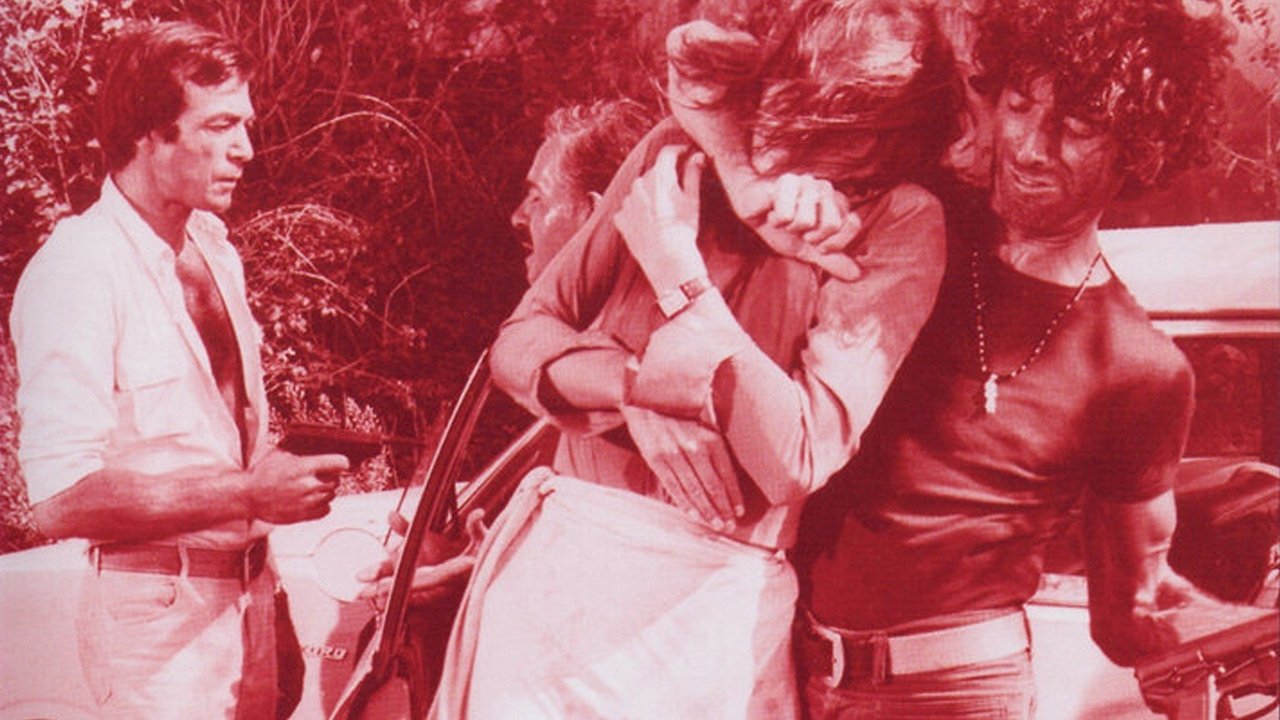
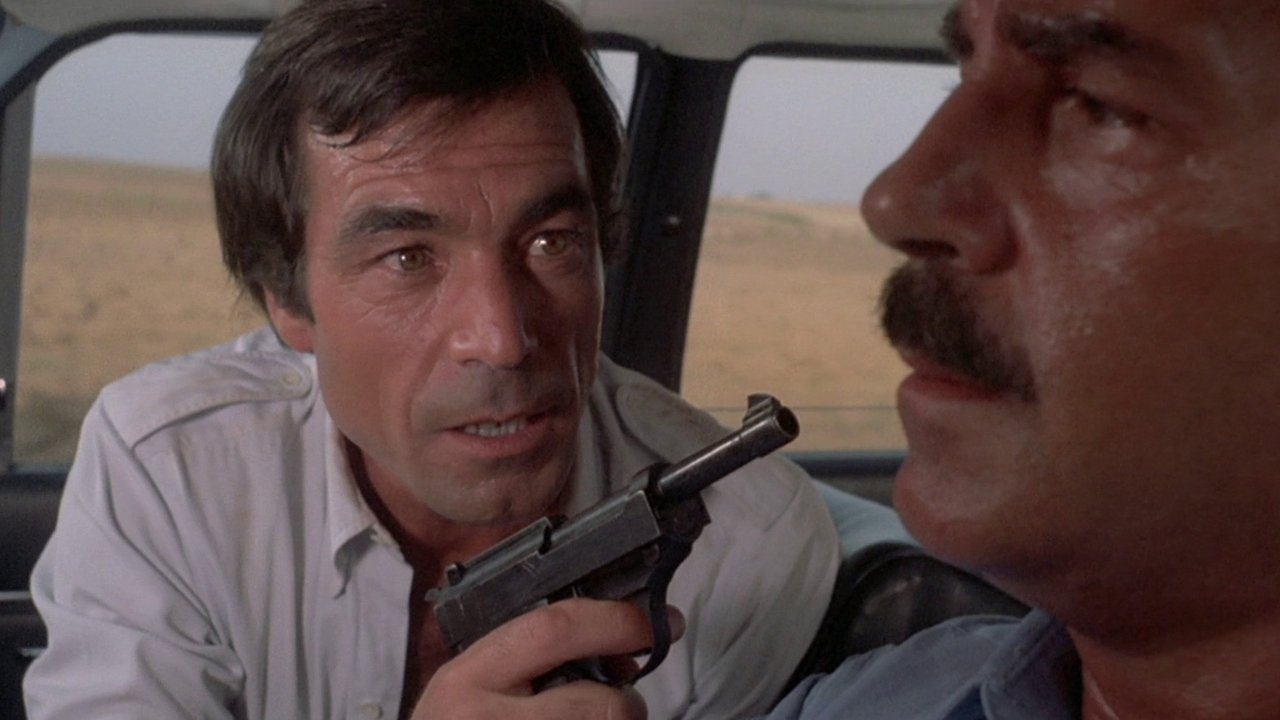
Forget haunted castles and shadowy crypts. Bava plunges us directly into the chaotic aftermath of a payroll heist gone violently wrong. Three increasingly frantic criminals – the calculating 'Doc' (Maurice Poli), the volatile 'Blade' (Don Backy), and the hulking, near-mute 'Thirty-Two' (George Eastman, the frequent Joe D'Amato collaborator) – botch their getaway, leaving a trail of bodies. In a desperate move, they hijack a car, taking the driver, Riccardo (Riccardo Cucciolla), hostage. But Riccardo isn't alone. In the back seat, bundled under a blanket, is a desperately ill child he's rushing to the hospital. And if that wasn't enough pressure, they soon pick up another hostage, a young woman named Maria (Lea Lander), adding another layer of volatile tension to the automotive pressure cooker.
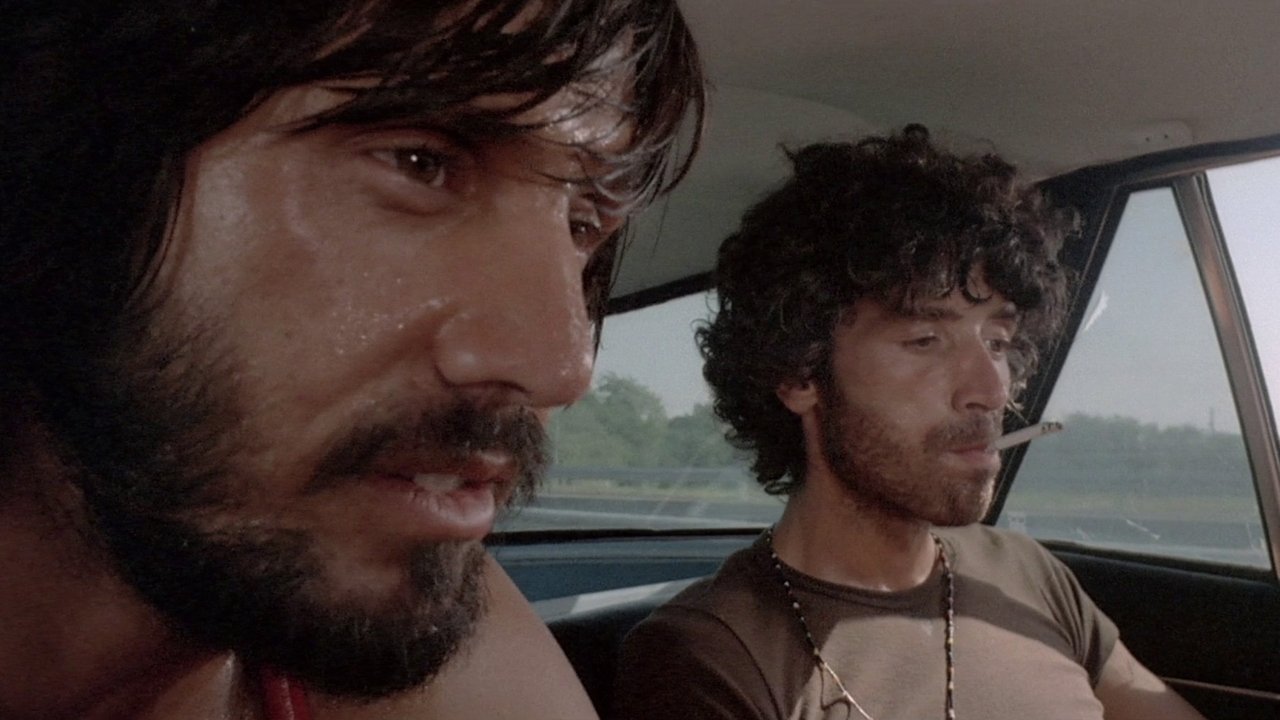
The genius – and the gut-wrenching horror – of Rabid Dogs lies in its suffocating confinement. Most of the film unfolds within the claustrophobic confines of that sedan, baking under the relentless Italian sky. Bava, known for his painterly compositions, strips away the artifice. The camera feels immediate, almost uncomfortably close, capturing the shifting power dynamics, the barely suppressed panic, and the simmering threat of eruption. It’s less Poliziotteschi crime-action, more existential dread on four wheels. You can practically smell the stale cigarette smoke and fear.
### The Bava You Didn't Expect
This was a stark departure for Bava, a deliberate pivot towards gritty realism, possibly influenced by the nihilistic crime films gaining traction at the time. Reportedly, Bava himself was energized by the change of pace, embracing handheld camerawork and a stripped-down aesthetic. The film was shot largely sequentially, adding to the feeling of events spiralling uncontrollably. The tension isn't just in the plot; it's in the filmmaking itself. The score by Stelvio Cipriani (who also scored Bava's Baron Blood) is used sparingly but effectively, often underscoring the psychological strain rather than punctuating jump scares.
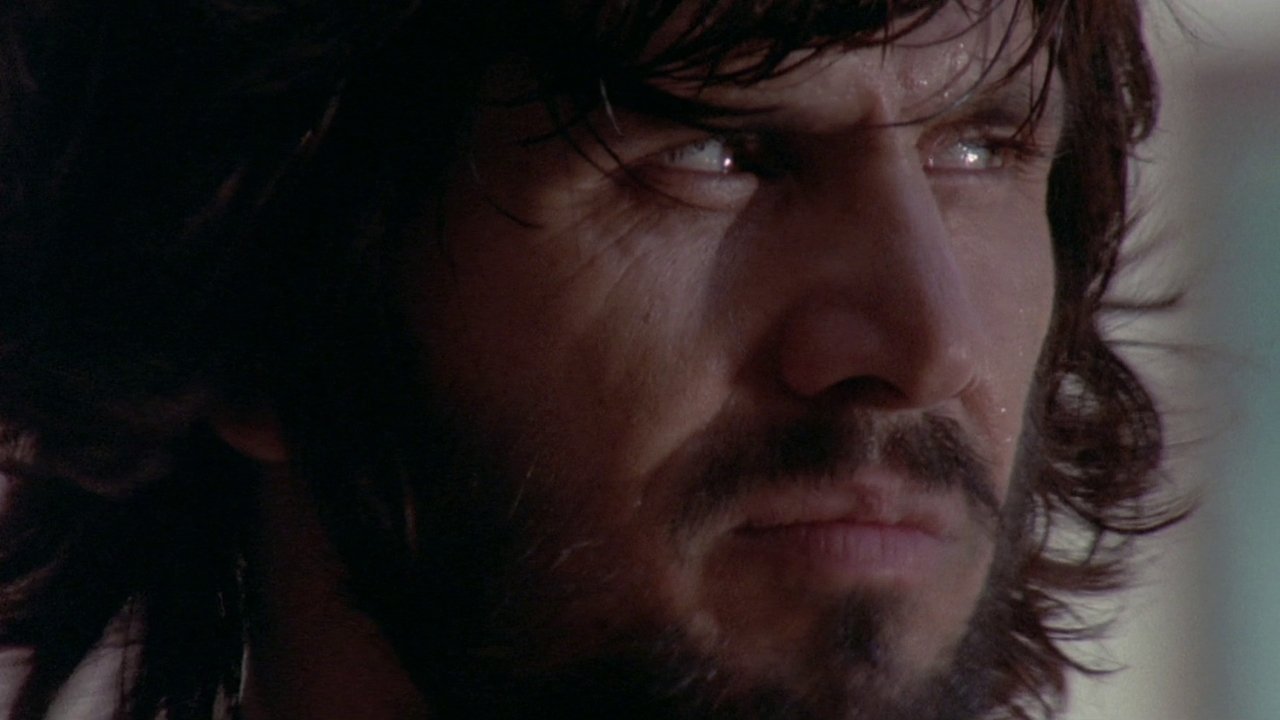
The performances are key to maintaining this raw edge. Don Backy as Blade is genuinely unnerving, a coiled spring of unpredictable violence and misogyny. Riccardo Cucciolla perfectly embodies the everyman trapped in an impossible situation, his quiet desperation palpable. And Lea Lander conveys sheer terror with heartbreaking conviction. Their interactions feel dangerously real, stripped of melodrama, leaving only the brutal mechanics of survival and control. It's rumoured the intense atmosphere on set, fuelled by the cramped conditions and Bava's push for realism, genuinely frayed the actors' nerves, bleeding onto the screen.
### A Cursed Production, A Resurrected Nightmare
The story behind Rabid Dogs is almost as dramatic as the film itself. Principal photography was completed, but the producer's company went bankrupt before post-production could be finished, specifically holding the negative hostage over unpaid lab fees. Mario Bava tragically died in 1980, believing the film would never see the light of day. It wasn't until the mid-90s that actress Lea Lander, with the help of Bava's son Lamberto Bava (director of Demons (1985)), managed to acquire the rights and elements, finally assembling and releasing the film.
Several versions exist, including one titled Kidnapped, which features some different editing choices and additional footage shot later by Lamberto. But the core Bava-shot material remains a testament to his versatility and willingness to explore darker, more grounded territory. Discovering this film on VHS, often with a slightly murky transfer, felt like tapping into a hidden frequency – a transmission from a master filmmaker pushing his boundaries, cut short before its time but finally finding its audience decades later. Does that slightly rough-around-the-edges feel, born from its troubled history, actually enhance its impact for fellow VHS hunters? I tend to think so.
### Legacy in the Rearview Mirror
Rabid Dogs might lack the visual poetry of Bava’s gothic horrors, but it compensates with a raw, visceral power that’s hard to shake. It’s a relentless exercise in sustained tension, a pressure cooker narrative that feels startlingly modern in its bleakness. While perhaps not as widely known as his more stylized work, it stands as a fascinating, crucial piece of his filmography, showcasing a different, darker side of his talent. It’s the kind of film that makes you grip the armrests, lean forward, and maybe check the locks on your doors afterwards. The brutal efficiency of its setup and the sheer hopelessness of the situation burrow under your skin.
Rating: 8.5/10
Justification: While its troubled production history might lead to minor inconsistencies depending on the version viewed, the core film is a masterful exercise in sustained tension and gritty realism. Bava's sharp departure from his usual style is brilliantly executed, the performances are raw and effective, and the claustrophobic atmosphere is almost unbearable. It loses perhaps half a point for the slightly uneven feel inherent in its resurrection, but its power is undeniable.
Final Thought: A harrowing, sun-baked nightmare that proves Mario Bava could conjure dread just as effectively on a dusty roadside as in a cobwebbed crypt. A must-see for Bava completists and fans of unflinching 70s crime thrillers.