The air crackles sometimes, doesn't it? That static hum from the old CRT, the low thrum of the VCR spinning up a tape you know is going to grip you. Some films just had that energy baked into the magnetic strip. Bound (1996) wasn’t just magnetic; it was electric, a tightly coiled spring of noir tension delivered with a visual swagger that felt dangerously fresh. It arrived not with a bang, but with the click of a lock, the whisper of a plan, trapping you inside its stylish confines before you even realized the door had shut.

This wasn't just another crime thriller dropped onto the shelves of the local Video Galaxy. This was the calling card, the audacious debut feature from Lilly Wachowski and Lana Wachowski, the sibling duo who would soon redefine sci-fi action with The Matrix (1999). In fact, Bound essentially was their audition for that later blockbuster. Studio execs were apparently skeptical about handing the reins of a big-budget spectacle to untested directors, so the Wachowskis conceived Bound as a lean, mean, visually inventive thriller on a contained budget (around $6 million) to prove they had the chops. And prove it they did.
The Walls Close In
The setup feels classic noir, deceptively simple: Corky (Gina Gershon), a tough ex-con fixing up the apartment next door, meets Violet (Jennifer Tilly), the sultry, breathy girlfriend of violent mid-level mobster Caesar (Joe Pantoliano). Sparks fly – dangerous, immediate sparks. Violet sees Corky as a way out, and soon they’re hatching a plan to steal $2 million in laundered mob money that Caesar is holding. Almost the entire film unfolds within the claustrophobic confines of two neighboring apartments and the hallway connecting them, turning the screws with agonizing precision. The tension isn’t just in the plot; it’s woven into the very fabric of the production design, the looming shadows, the sense that every wall has ears, and every floorboard hides a secret. Remember how palpable that feeling of confinement was, watching it huddled closer to the screen?
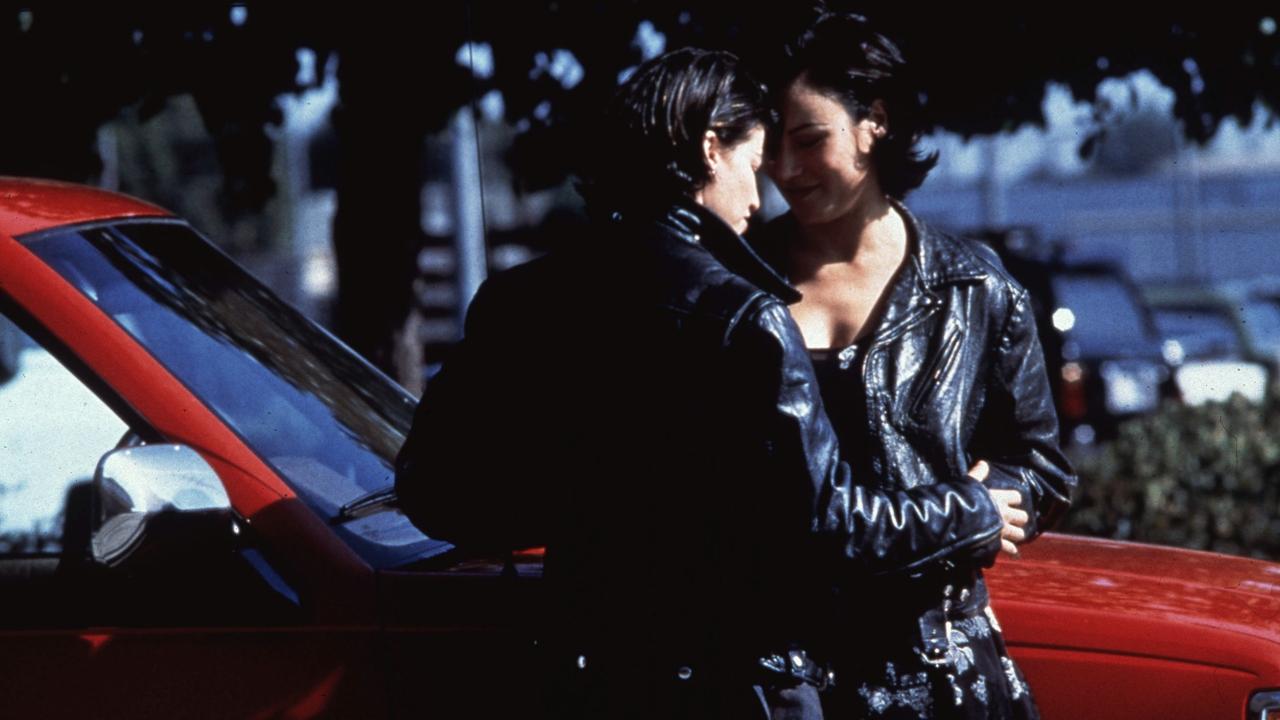
Style Over Substance? No, Style Is Substance Here
The Wachowskis, working with cinematographer Bill Pope (who’d follow them to The Matrix), orchestrate a visual symphony. The camera doesn't just capture the action; it prowls, swoops, and glides, becoming an active participant in the suspense. Think about those elaborate, almost balletic camera movements – tracing phone lines through walls, following a dropped earring with agonizing slowness. It’s filmmaking that draws attention to itself, yes, but in service of the story, heightening the paranoia and the intimacy. The colour palette is deliberately restricted, emphasizing deep blacks, stark whites, and splashes of symbolic violet and blood red. Coupled with Don Davis's (another future Matrix collaborator) tense, minimalist score, the atmosphere is thick enough to cut with a knife. This wasn't just about looking cool; it was about using every tool to amplify the feeling of being trapped with these characters.
A Trio on Fire
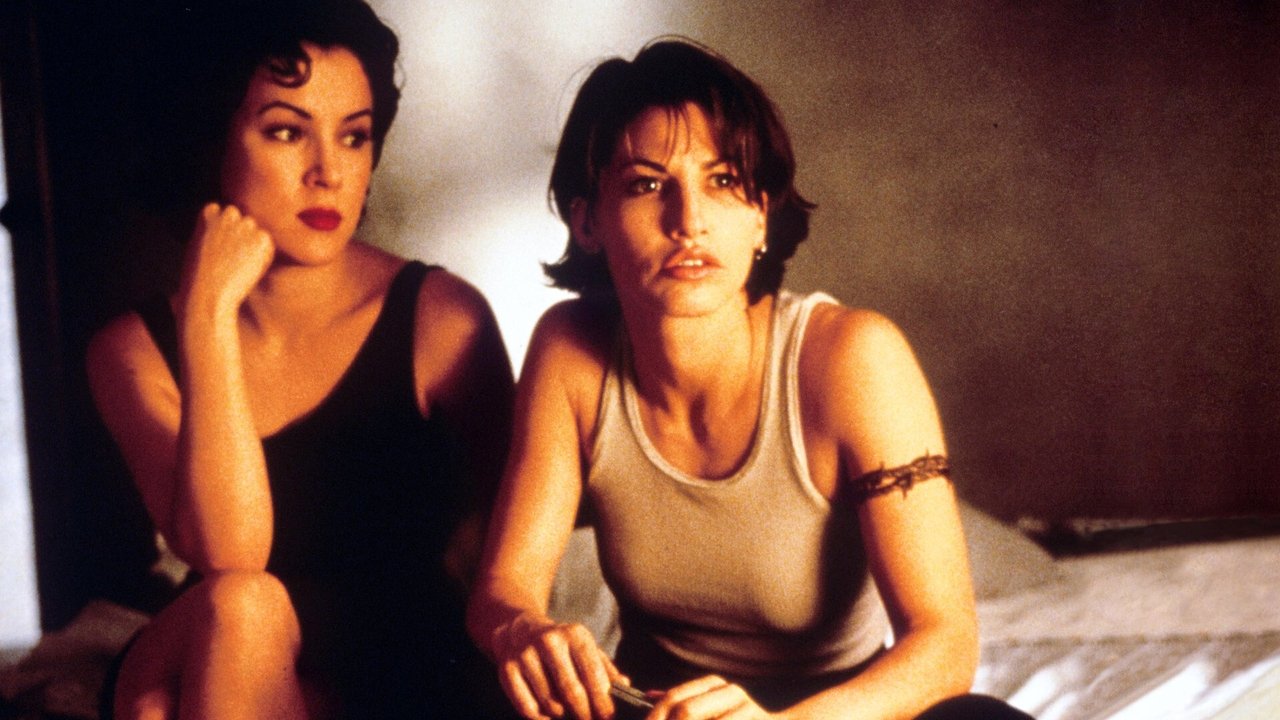
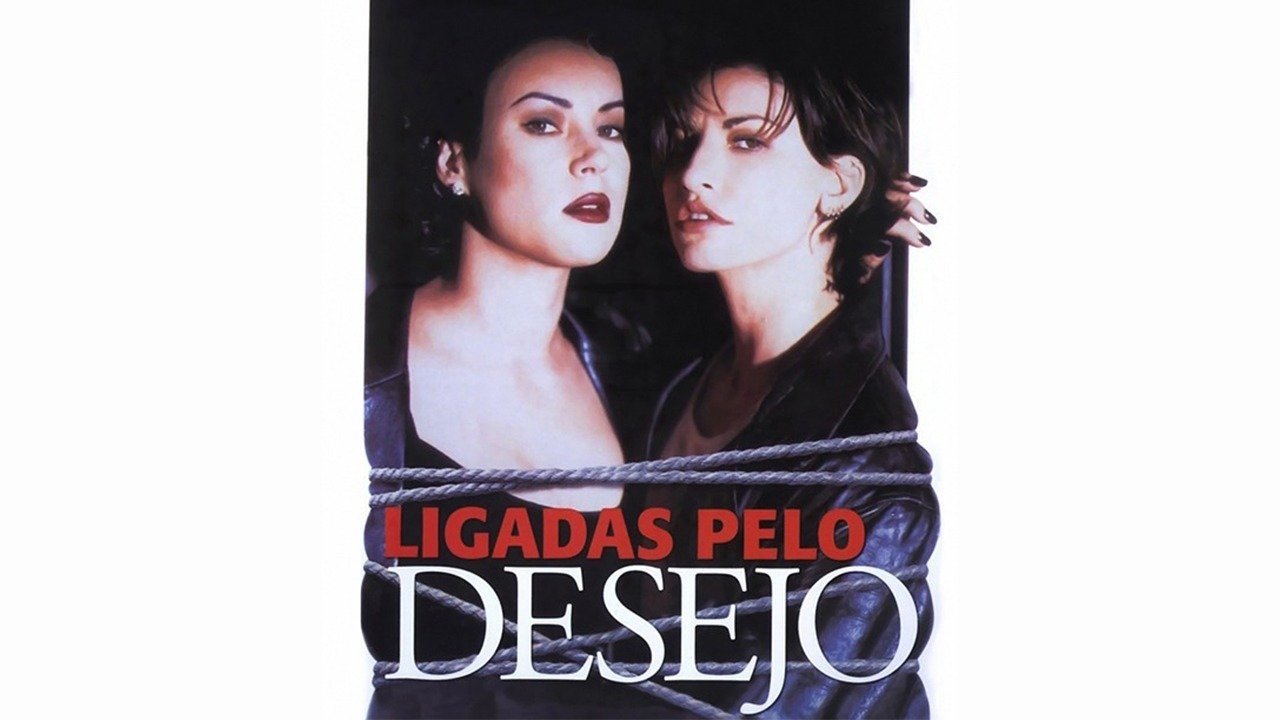
And what characters. Gina Gershon, fresh off the cult notoriety of Showgirls (1995), is magnetic as Corky. She’s got the swagger, the cool competence, but also a vulnerability that makes her instantly rootable. Jennifer Tilly, already known for her distinctive voice and comedic timing (like in Bullets Over Broadway from 1994), weaponizes that persona here. Violet is far shrewder and more dangerous than her breathy delivery might suggest, a femme fatale playing a complex game. Their chemistry is undeniable, the heart of the film. The Wachowskis, wanting an authentic portrayal, famously brought in feminist author and sex educator Susie Bright as a consultant for the love scenes, ensuring they felt integral to the characters' connection rather than exploitative – a detail often overlooked but crucial to the film’s power.
Then there’s Joe Pantoliano. "Joey Pants," a quintessential character actor often seen in supporting roles (think The Goonies (1985) or his later turn in Memento (2000)), gets a chance to absolutely shine here. His Caesar is terrifying precisely because he’s not just a one-note heavy. He’s insecure, volatile, prone to panic, and utterly ruthless when cornered. Watching him unravel as Corky and Violet’s plan collides with unforeseen mob complications is a masterclass in escalating panic. You can almost feel his sweat beading through the screen.
Noir Reimagined
What makes Bound endure, beyond its technical brilliance and stellar performances, is how it takes the familiar tropes of film noir – the femme fatale, the stolen money, the encroaching danger – and twists them. This isn't a story where the scheming woman leads the hero to his doom. It’s a story centered on the relationship between two women, using the crime plot as a crucible for their bond. It was remarkably progressive for a mainstream-ish thriller in the mid-90s, presenting a lesbian relationship not as a gimmick or a tragedy, but as the core emotional engine of the narrative. Finding this gem on VHS felt like stumbling onto a secret – slick, smart, and subversive. Did that central relationship feel as groundbreaking to you back then as it seems looking back now?
The production wasn't without its challenges; executing those complex camera moves on a tight budget required ingenuity. But the result is a film that feels meticulously crafted, every shot purposeful, every line dripping with double meaning. It’s a testament to what focused vision and constrained resources can achieve.
The Verdict
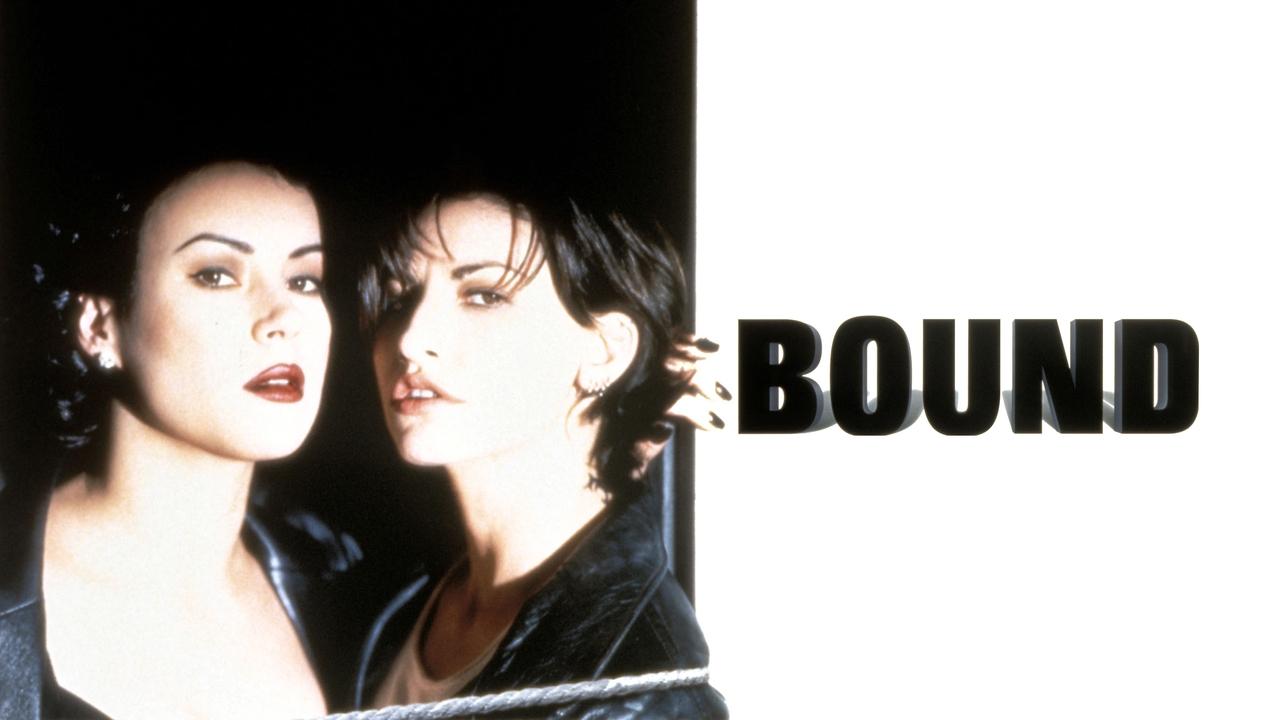
Bound is more than just the Wachowskis' impressive debut; it's a razor-sharp, incredibly stylish neo-noir thriller that still feels remarkably potent. The performances are career highlights for the main trio, the direction is assured and inventive, and the atmosphere is suffocatingly effective. It took classic elements and rearranged them into something vital and new, particularly in its confident centering of its female protagonists and their relationship. It’s a film that grabs you by the collar immediately and doesn’t let go until the final, perfectly executed frame. A true standout of 90s indie filmmaking that absolutely earned its cult classic status on home video.
Rating: 9/10
This tape wasn't just a rental; for many of us, it became a permanent fixture. Bound remains a masterclass in tension, a reminder that sometimes the most thrilling stories unfold in the smallest spaces, powered by sheer style and unforgettable characters. It’s cinematic claustrophobia at its finest.