Some films arrive like a heat haze shimmering off asphalt, distorting the familiar and promising something dangerous just beneath the surface. James Foley's After Dark, My Sweet (1990) is precisely that kind of film. It doesn't burst onto the screen; it seeps in, slow and deliberate, pulling you into a sun-baked California noir where the sweat feels real and the desperation hangs heavy in the air. Watching it again recently, decades after first pulling that distinctive VHS box off the rental shelf, its power hasn't diminished. If anything, its starkness feels even more potent now, a deliberate counter-melody to the often-brighter tones of its era.
Desert Dream, Nightmare Logic
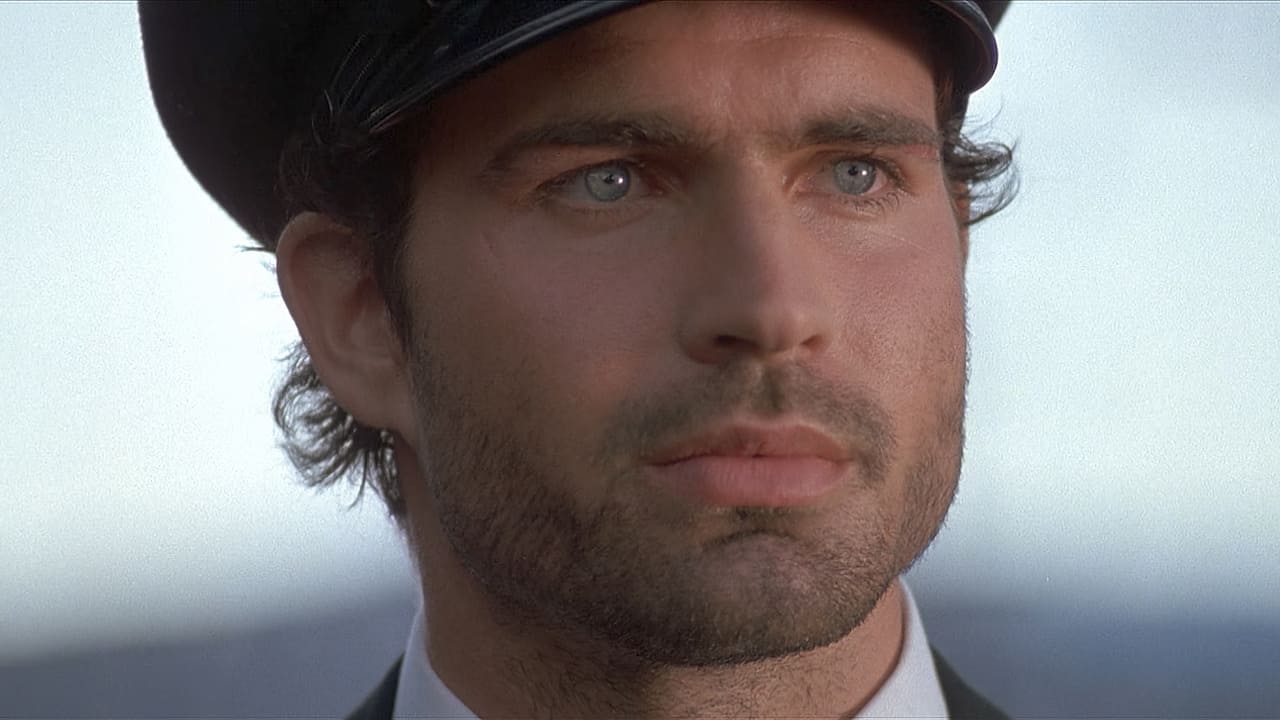
The story, adapted from a novel by the undisputed master of grim pulp, Jim Thompson, follows Kevin "Kid" Collins (Jason Patric), a former boxer with fists like bricks and a mind perhaps too easily swayed. Freshly escaped—or perhaps simply wandered away—from a mental institution, Collins drifts into a desolate desert town near Palm Springs. He's looking for honest work, maybe, but trouble finds him first in the form of Fay Anderson (Rachel Ward), a weary, watchful widow trapped in a decaying estate, and her associate, the unnervingly avuncular "Uncle" Bud (Bruce Dern), a former cop with eyes that see too much and a smile that doesn't quite reach them. Before Collins quite knows how it happened, he’s drawn into their orbit and a seemingly simple, yet deeply flawed, plan: kidnap a wealthy child for ransom. It’s a classic noir setup, but Foley resists easy genre mechanics, focusing instead on the psychological currents swirling between these three damaged souls.
Atmosphere as Character
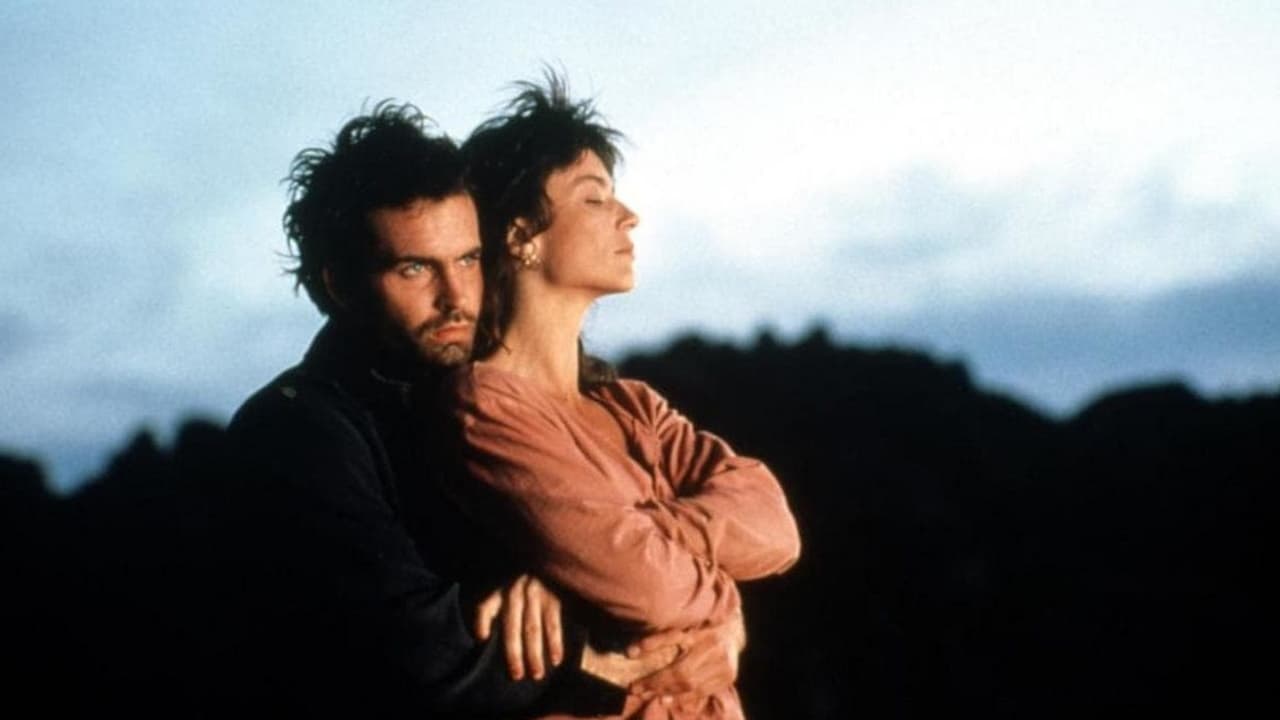
What truly distinguishes After Dark, My Sweet is its suffocating sense of place. Director James Foley, who would later bring similar simmering intensity to Glengarry Glen Ross (1992), uses the arid landscape, the relentless sun, and the dusty, forgotten corners of the town not just as a backdrop, but as an active participant in the narrative. Cinematographer Mark Plummer captures the bleached-out light and deep shadows, creating a visual language that mirrors the characters' internal states – moments of glaring exposure followed by retreats into ambiguity. You can almost feel the grit under your fingernails, the oppressive stillness before a storm that might never break. Foley understood that adapting Jim Thompson wasn't just about plot; it was about capturing that specific flavor of American existential dread, the feeling of being trapped by forces both internal and external. It’s a challenge that has tripped up many filmmakers, but here, the commitment to tone is unwavering.
A Triangle of Quiet Danger
The performances are central to the film's hypnotic pull. Jason Patric, who had previously worked with Foley on Reckless (1984), is riveting as Collins. He plays him not as a simpleton, but as someone whose mental pathways run differently, leaving him vulnerable to suggestion yet possessed of a physical presence that constantly hints at coiled violence. Is he truly dangerous, or just adrift in a world he can't quite parse? Patric keeps you guessing, his quiet intensity filling every frame he occupies. It's said Patric stayed deeply in character on set, contributing to the palpable tension.
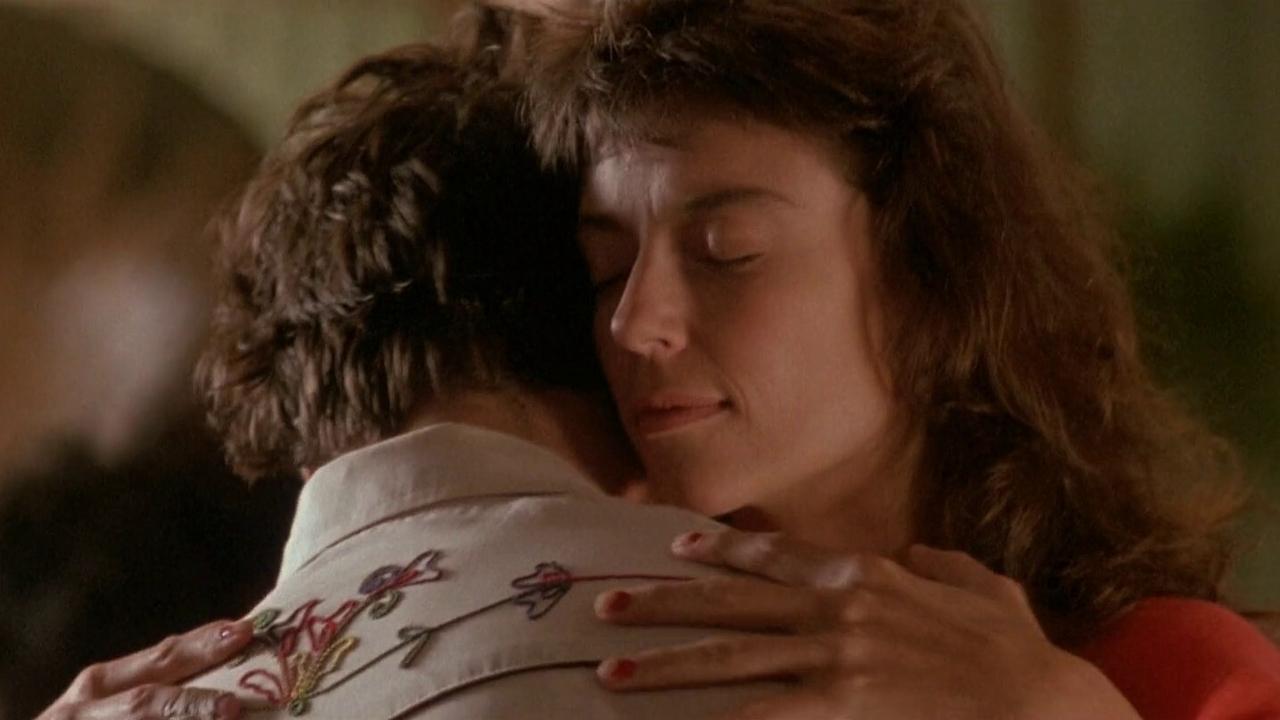

Rachel Ward, meanwhile, sheds any trace of the glamour associated with some of her earlier roles (like Against All Odds from 1984) to embody Fay's profound exhaustion and simmering resentment. Her chemistry with Patric is brittle and charged; you sense a flicker of genuine connection constantly threatened by suspicion and self-preservation. And then there's Bruce Dern. Few actors can convey menace with such folksy charm. His "Uncle" Bud is a masterclass in subtle manipulation, his friendly façade barely concealing the calculating opportunist beneath. The scenes featuring just these three crackle with unspoken threats and shifting alliances.
Beneath the Surface
Interestingly, After Dark, My Sweet received strong reviews upon its release but struggled to find a wide audience, perhaps due to its uncompromisingly bleak outlook and deliberate pacing. It wasn't a film designed for easy consumption. Made for a reported $6 million, it didn't recoup its budget theatrically in the US, becoming more of a cult favorite on home video – precisely the kind of discovery that made browsing the aisles of Blockbuster or Hollywood Video such a thrill. You might have rented it expecting a straightforward thriller, only to find something far more unsettling and psychologically complex. There are no flashy shootouts or car chases here; the tension is almost entirely internal, derived from character and atmosphere. Did Foley make changes from Thompson's notoriously dark novel? Yes, softening the ending slightly, perhaps to offer a sliver of ambiguous grace, but the core despair remains intact.
What Lingers?
What stays with you after the credits roll on After Dark, My Sweet? It’s the oppressive heat, certainly. It’s the ambiguity of Collins's nature – was he the victim, the perpetrator, or simply a catalyst in the inevitable self-destruction of others? It’s the hollow feeling of watching people grasp for a lifeline, only to find it’s attached to an anchor. It doesn’t offer the satisfaction of clear resolutions or moral certainty. Instead, it leaves you pondering the thin line between bad luck and bad choices, the ways people exploit weakness, and the crushing weight of inescapable circumstances. Isn't that the hallmark of truly effective noir?
Rating: 8/10
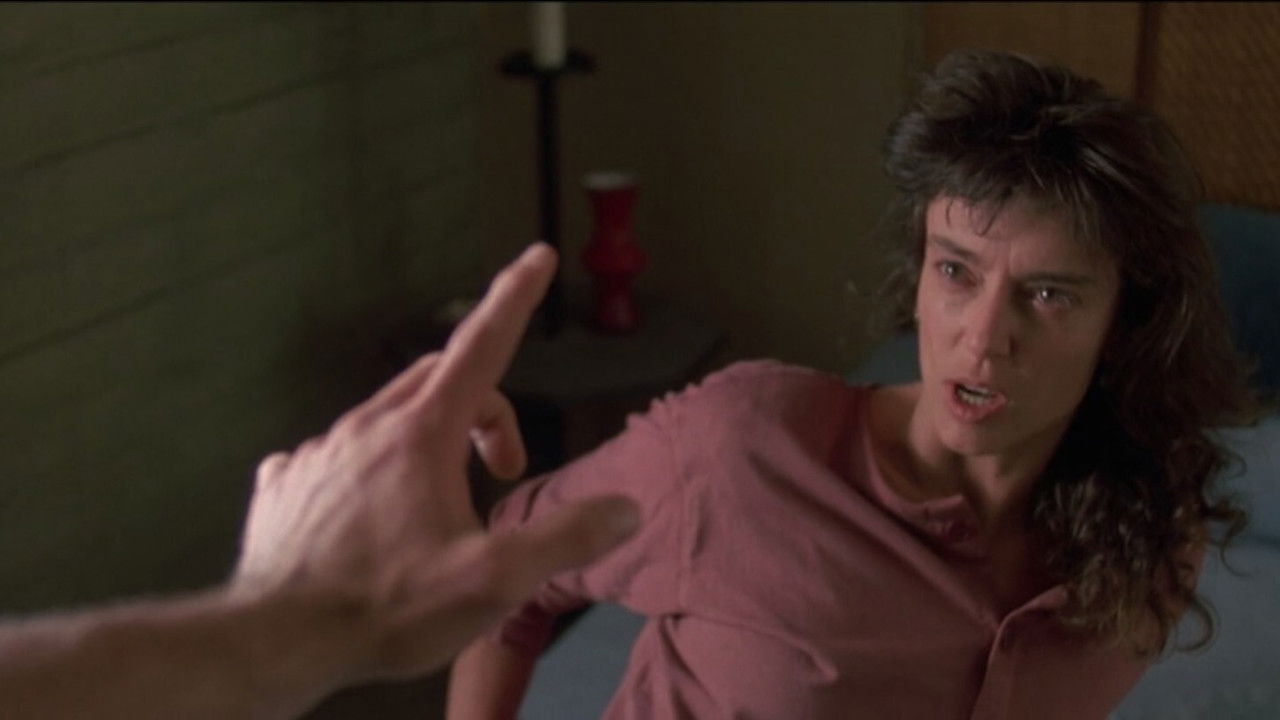
After Dark, My Sweet is a masterful exercise in mood and psychological tension. Its deliberate pace and relentlessly downbeat tone might not appeal to everyone, but for fans of atmospheric neo-noir and stellar character acting, it's essential viewing. The performances from Patric, Ward, and Dern are superb, inhabiting their roles with a raw authenticity that elevates the material. Foley's direction is assured, prioritizing character and atmosphere over plot mechanics, successfully translating the suffocating essence of Jim Thompson's world to the screen. While perhaps too bleak for mainstream success in 1990, it remains a potent and haunting piece of filmmaking, a standout gem from the VHS era waiting to be rediscovered.
It’s a reminder that sometimes the most dangerous traps aren’t physical, but the ones we build, or fall into, within ourselves, shimmering like a mirage in the desert heat.