The air hangs thick and humid, tasting of stale smoke, desperation, and the metallic tang of impending violence. That's the feeling The Longest Nite (1998) slams you with from the opening frames, a suffocating blanket of dread woven through the rain-slicked, neon-streaked streets of pre-handover Macau. This isn't just a crime thriller; it's a descent into a particularly stylish corner of hell, a signature offering from the legendary Hong Kong production house, Milkyway Image.
Nowhere to Run, Nowhere to Hide
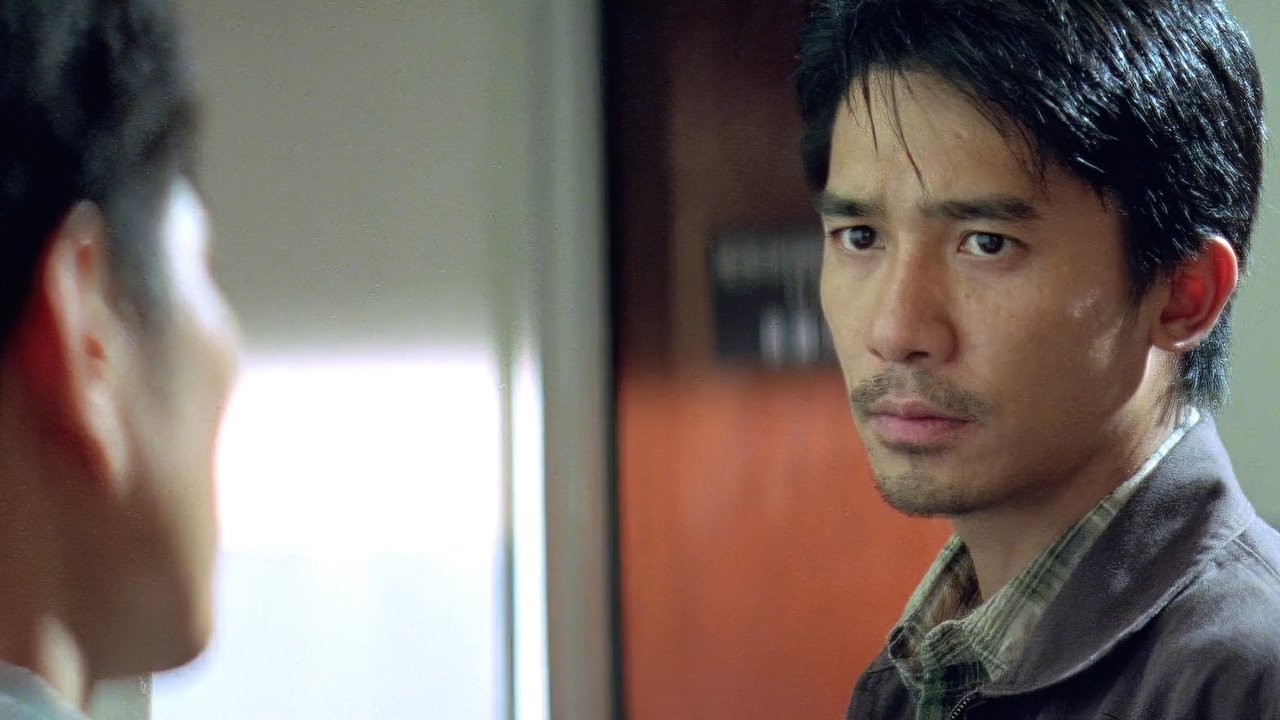
Forget intricate heist plans or noble anti-heroes. The Longest Nite plunges us straight into the muck with Sam (Tony Leung Chiu-wai, radiating weary corruption), a crooked cop caught in the tightening vise of rival Triad bosses warring over a massive contract. He's got mere hours to clean up a messy situation involving a missing gangster and a hefty sum of money before a shadowy Mr. Lung arrives to collect. Every shadow seems to hold a threat, every phone call ratchets up the pressure, and the labyrinthine corridors and back alleys of Macau become a claustrophobic cage. Sam isn't trying to solve a crime; he's frantically trying to survive the night, navigating a landscape where loyalty is bought, sold, and ultimately meaningless.
An Unstoppable Force Meets a Corruptible Object
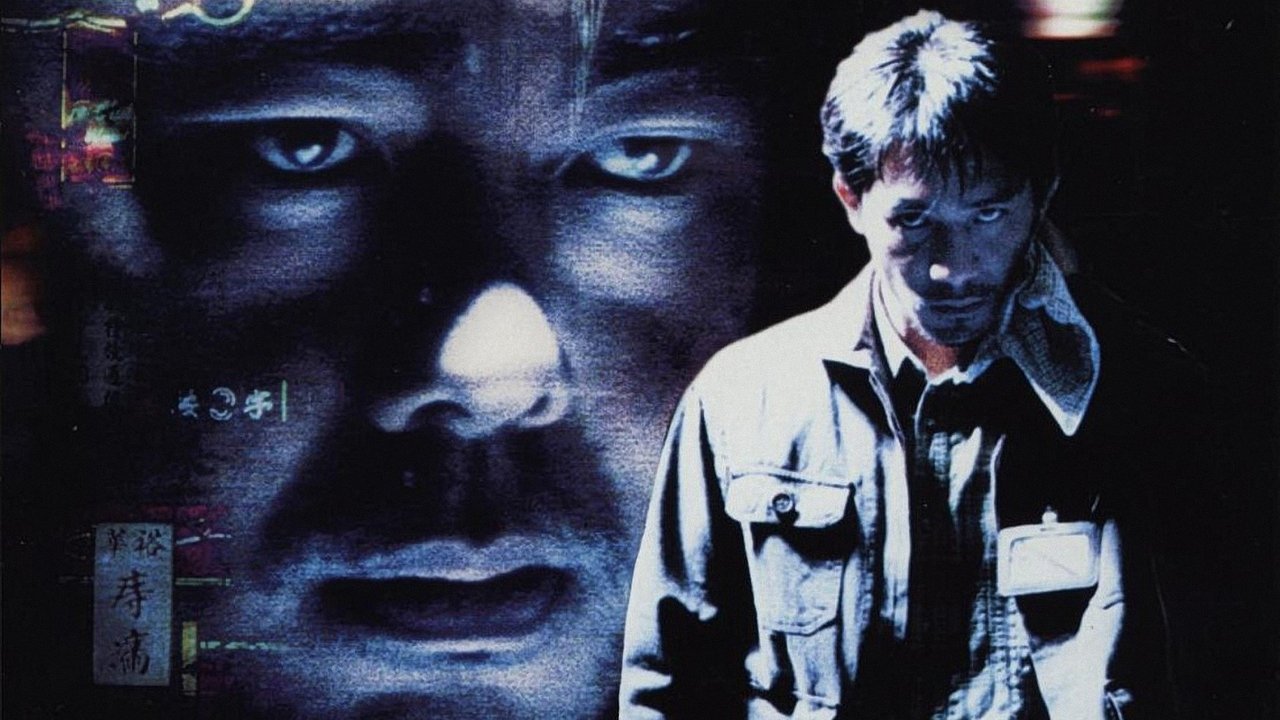
Into this pressure cooker walks Tony (Lau Ching-wan, stoic and unnervingly calm), a bald, quiet stranger whose sudden appearance throws Sam’s already precarious situation into chaos. Is he the legendary hitman everyone fears? Or just another pawn in a deadlier game? The dynamic between Leung and Lau is pure electricity. Leung, usually known for his soulful eyes, here channels a desperate, sweaty panic, a man visibly fraying at the edges. Lau, by contrast, is an enigma – his silences are as menacing as his sudden bursts of brutal efficiency. Their cat-and-mouse game, often playing out through mistaken identities and brutal misunderstandings, forms the nihilistic core of the film. Remember the tension in that interrogation room scene? Pure, palpable dread.
Milkyway’s Bleak Poetry
Helmed by Patrick Yau (though rumours have always persisted about uncredited directorial input from Milkyway maestro Johnnie To, who produced alongside frequent collaborator Wai Ka-Fai, also a co-writer here), The Longest Nite embodies the studio's late-90s aesthetic. The look is pure neo-noir: perpetual night, constant rain reflecting garish casino lights, and interiors lit with sickly greens and oppressive shadows. The editing is sharp, kinetic, often disorienting, mirroring Sam's fractured state of mind. This isn't the hyper-stylized balletic violence of John Woo; it's ugly, sudden, and impactful. The film's original Cantonese title, Um fa (often translated as "Dark Flower" or "Hidden Flower"), perfectly captures the sense of hidden agendas and blooming violence beneath the surface. Shot predominantly on location in Macau, the city itself feels like a character – decaying, indifferent, trapping everyone within its corrupt embrace. It was films like this, often discovered on imported VHS or VCDs back in the day, that opened up a whole new world of intense, atmospheric cinema for many of us Western viewers.

Echoes in the Dark
Watching The Longest Nite today, its power hasn’t diminished. The plot is dense, sometimes deliberately confusing, demanding your full attention. It throws twists and reveals with brutal nonchalance, mirroring the chaos engulfing the characters. There’s a raw energy here, a feeling that anything could happen, that no one is safe. The practical nature of the violence – visceral, grounded – feels more potent than much of today’s CGI-heavy action. It achieved a respectable HK$9.5 million at the Hong Kong box office, a solid showing for such a dark and uncompromising piece. Its reputation has only grown since, solidifying its place as a cornerstone of the Milkyway Image canon and a high point for Hong Kong noir. Doesn't that final, chilling shot still linger long after the credits roll?
Blood, Sweat, and Neon
The Longest Nite isn't a comfortable watch. It's tense, cynical, and relentlessly grim. But it's also brilliantly crafted, superbly acted, and utterly compelling. It’s a film that grabs you by the throat and doesn't let go until its final, fatalistic moments. The intricate plotting rewards repeat viewings, and the performances from Tony Leung Chiu-wai and Lau Ching-wan are simply outstanding, showcasing two titans of Hong Kong cinema operating at peak intensity. The suffocating atmosphere Yau (and perhaps To) conjures is unforgettable.
Rating: 9/10
Justification: The near-perfect execution of its bleak vision, the powerhouse performances, the masterful creation of atmosphere, and its status as a defining work of Hong Kong noir earn it this high score. It falters only slightly in occasional narrative convolution, but this arguably enhances the feeling of disorientation.
Final Thought: For fans of gritty crime thrillers and the unique flavor of late-90s Hong Kong cinema, The Longest Nite remains essential viewing – a brutal, stylish, and unforgettable trip into the heart of darkness, perfectly preserved on those worn-out rental tapes of memory.