Okay, fellow tapeheads, dim the lights and adjust the tracking. Tonight, we're diving headfirst into a corner of the video store that wasn't always brightly lit, a film that likely arrived wrapped in plain plastic or kept behind the counter. We're talking about Bigas Luna's provocative 1996 fever dream, Bambola. Forget your comfortable blockbusters for a moment; this one’s a sticky, sun-drenched slice of European arthouse extremity that certainly left an impression, whether you loved it, hated it, or just stared blankly at the screen wondering what you just witnessed.

This isn't your standard Hollywood fare, folks. If you went into this expecting a typical thriller or romance, you were in for a shock. Bigas Luna, the same Spanish maestro who gave us the iconic Jamón Jamón (launching Penélope Cruz and Javier Bardem) and Golden Balls, brings his signature obsessions – food, sex, primal urges, the simmering heat of the Mediterranean – to this Italian setting with unapologetic intensity. Forget subtle; Luna deals in broad, often grotesque, strokes.
Sun, Sweat, and Something Unsettling
The plot, such as it is, follows the voluptuous Mina, nicknamed "Bambola" (Doll), played by Italian bombshell Valeria Marini, a huge star in her homeland at the time, particularly known for TV and comedy. After her father's death leaves her and her closeted brother deep in debt, they open a trattoria. Things quickly spiral into a bizarre love triangle (or quadrangle?) involving Settimio (Stefano Dionisi, looking suitably tormented) and the brutish, sweaty loan shark Ugo (Jorge Perugorría, who smoldered in Strawberry and Chocolate).
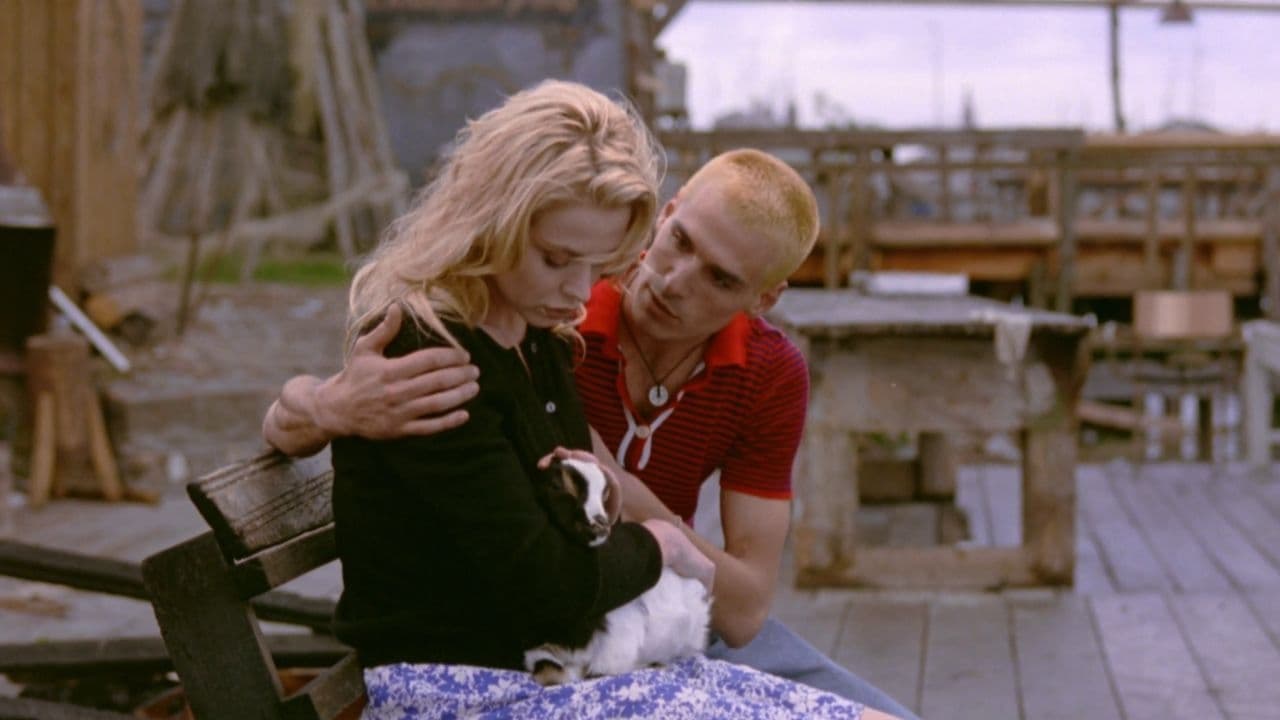
What follows isn't about intricate plotting; it's about atmosphere and confrontation. Luna crafts a world that feels simultaneously beautiful and rotten. The Emilia-Romagna countryside looks gorgeous, sun-baked and fertile, but there's a constant undercurrent of menace and decay. It’s less about what happens and more about the feeling – the oppressive heat, the simmering resentments, the raw, almost animalistic desires. Remember how tangible everything felt in these pre-CGI days? Luna uses the physical landscape, the textures of food, sweat, and skin, to create a visceral, often uncomfortable, reality. There's a physicality to this film that’s miles away from the polished digital sheen of today.
More Provocation Than Plot
Let’s be honest, Bambola courted controversy like a moth to a flame. The film's title comes from a rather infamous plot point involving a large, phallic wooden doll used in a way that... well, let's just say it pushed boundaries and got the censors very hot under the collar. In fact, the film faced significant cuts and even bans in several countries, including its native Italy initially. This wasn't simulated Hollywood heat; this was European arthouse provocation turned up to eleven, designed to shock and confront. It feels very much a product of that mid-90s moment when certain filmmakers were pushing the envelope hard on screen sexuality and transgression.
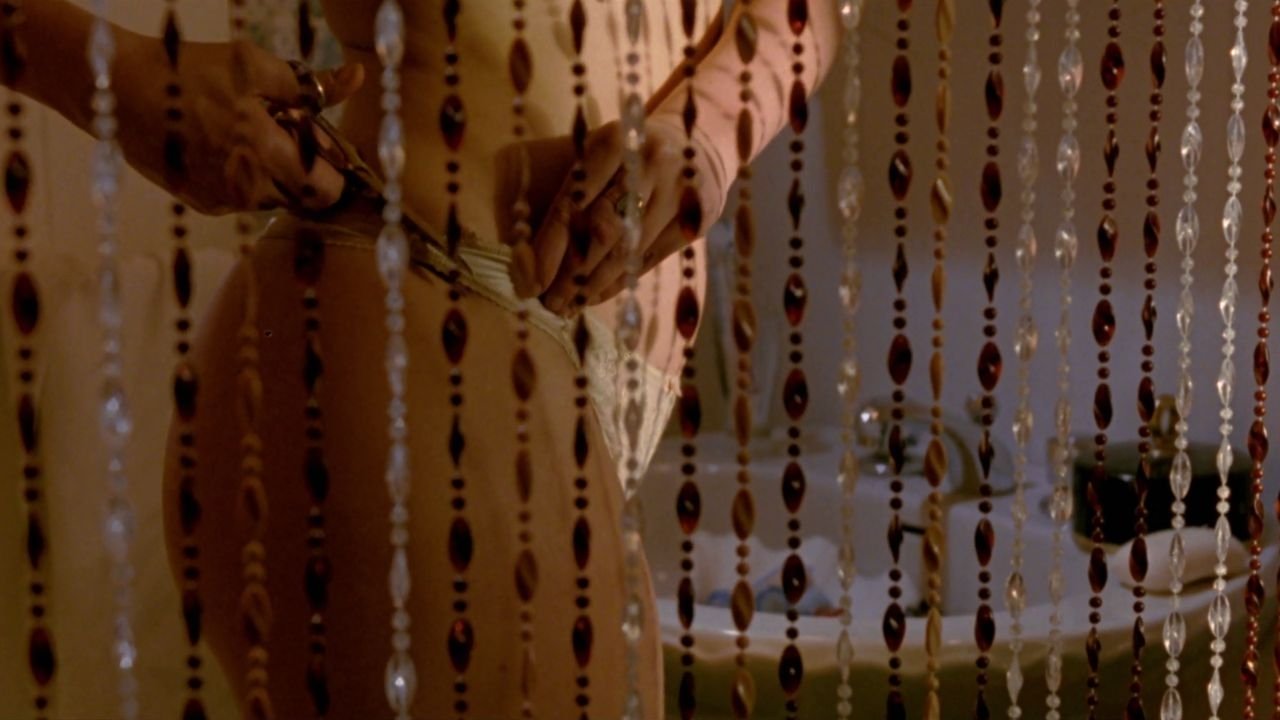
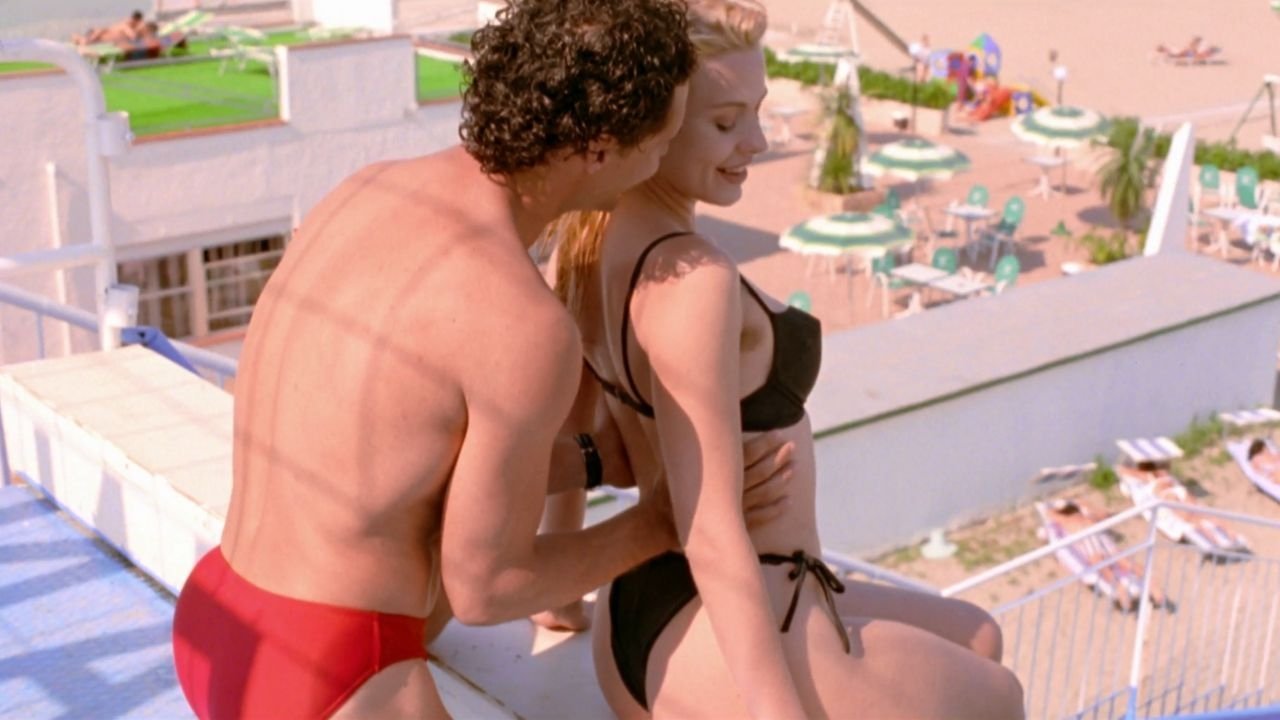
The "action" here isn't car chases, but raw, often disturbing, human interaction. The intensity comes from the claustrophobic situations, the volatile emotions, and Jorge Perugorría’s genuinely intimidating performance as Ugo. He embodies a kind of predatory masculinity that feels dangerous and unpredictable. Valeria Marini, primarily known for lighter roles, throws herself into the part physically and emotionally, becoming the focal point of Luna's often exploitative gaze, but also conveying a certain resilience amidst the chaos. Did her casting, leveraging her pin-up image for such a dark role, add another layer to the film's commentary or just its notoriety? That’s a debate for the ages (or at least, a late-night chat after the credits roll).
A Bigas Luna Special
This is pure, undiluted Bigas Luna. If you know his work, you see the recurring themes: the link between food and eroticism (the trattoria setting is no accident), the exploration of machismo, the almost mythical portrayal of female sensuality mixed with vulnerability. It’s earthy, messy, and resolutely refuses to provide easy answers or comfortable viewing. The score often feels deliberately jarring, amplifying the unease. It’s a film that feels hand-made, flaws and all, radiating the director’s singular, strange vision. Apparently, Luna and his co-writer Cuca Canals were continuing their exploration of "Iberian Portraits," even if this one was set in Italy – the core obsessions remained.
Finding this on VHS back in the day felt like uncovering something forbidden, something miles away from the multiplex. It wasn't advertised on TV, it wasn't discussed in polite company. It was the kind of tape you rented, watched late at night with the volume low, and returned quickly, maybe feeling a little weirded out, maybe oddly fascinated.
Rating: 5/10
Justification: Bambola is a tough one to score. It’s undeniably bold and visually striking in that distinctly Bigas Luna way, featuring committed (if sometimes overwrought) performances and an atmosphere thick enough to cut with a knife. However, it often tips into gratuitousness, the plot is thin, and its shock tactics feel less profound now than perhaps intended. The film's notoriety overshadows its actual substance. It gets points for sheer audacity and capturing a certain kind of late-night, boundary-pushing VHS discovery, but loses points for feeling exploitative and narratively weak. It's memorable, but not necessarily for the right reasons.
Final Thought: Bambola isn't a forgotten action gem, but a lurid, controversial artifact from the extreme end of the 90s arthouse scene – a sweaty, uncomfortable reminder that sometimes, the most intense things on tape weren't explosions, but unfiltered human nature pushed to its provocative limits. Handle with care (and maybe have a palate cleanser ready).