Okay, let's dim the lights, maybe crack open a Crystal Pepsi (or perhaps something a little stronger these days), and settle in. We're venturing slightly past our usual 80s/90s haunt today, right into the dawn of the new millennium, but trust me, this one has echoes that resonate right back to our well-worn tape days. Remember the video store? The sheer volume of choices? Imagine wandering those aisles, perhaps feeling a bit directionless, and stumbling upon the "Action" section... only to find a young man grappling with existential dread amidst the explosions and car chases. That jarring, yet strangely fitting image is the very essence of Michael Almereyda's ambitious 2000 adaptation of Hamlet, starring a brooding Ethan Hawke.
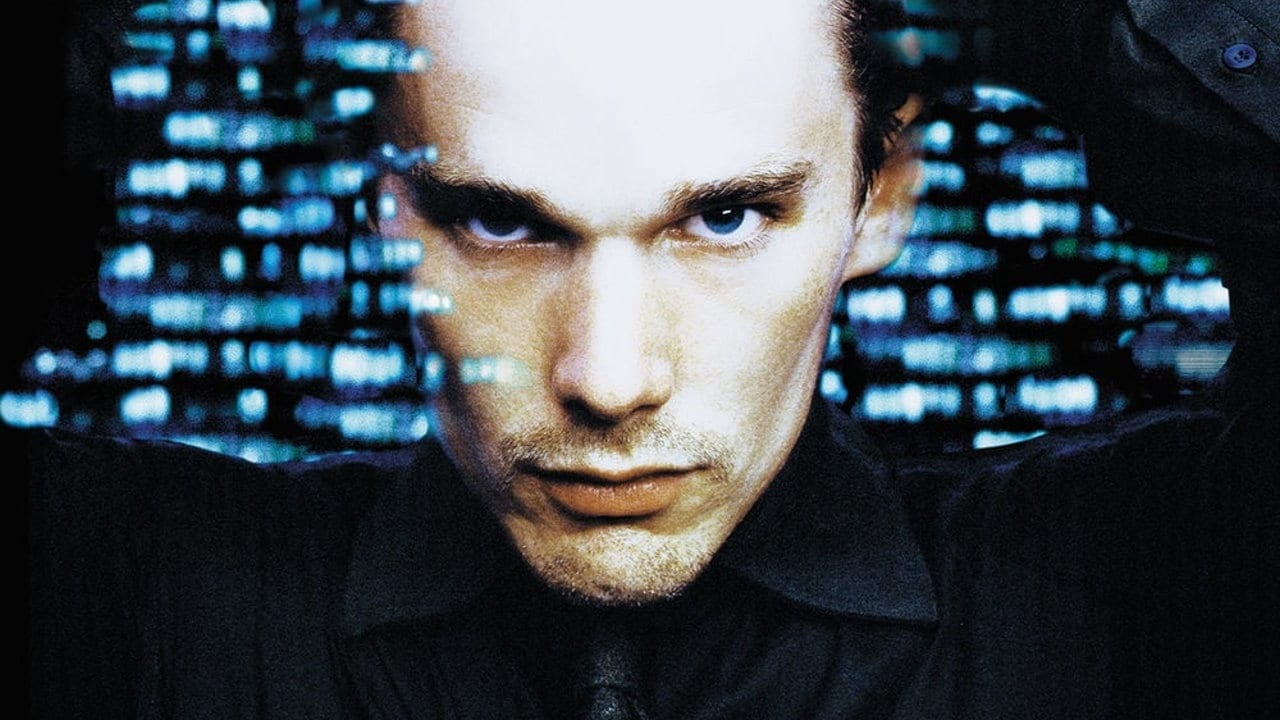
### Something is Rotten in the State of Denmark Corp.
Right away, Almereyda throws us off balance. Forget foggy Danish battlements; this Elsinore is the gleaming, cold heart of corporate New York City. The kingdom is now the monolithic "Denmark Corporation," and Claudius (Kyle MacLachlan, bringing that signature unsettling charm we loved in Twin Peaks) isn't just a usurping king, he's the freshly installed CEO who married his predecessor's widow – Hamlet's mother, Gertrude (Diane Venora). This relocation isn't merely cosmetic; it fundamentally reframes the play's power dynamics into a language many of us understood intimately by Y2K: the ruthless world of business mergers, hostile takeovers, and boardroom betrayals. It’s a bold move, stripping away the medieval grandeur to expose the raw, timeless corruption beneath, making Shakespeare's text feel disturbingly immediate. Doesn't the relentless pursuit of power feel just as poisonous in a skyscraper as in a castle?
### The Prince of PixelVision
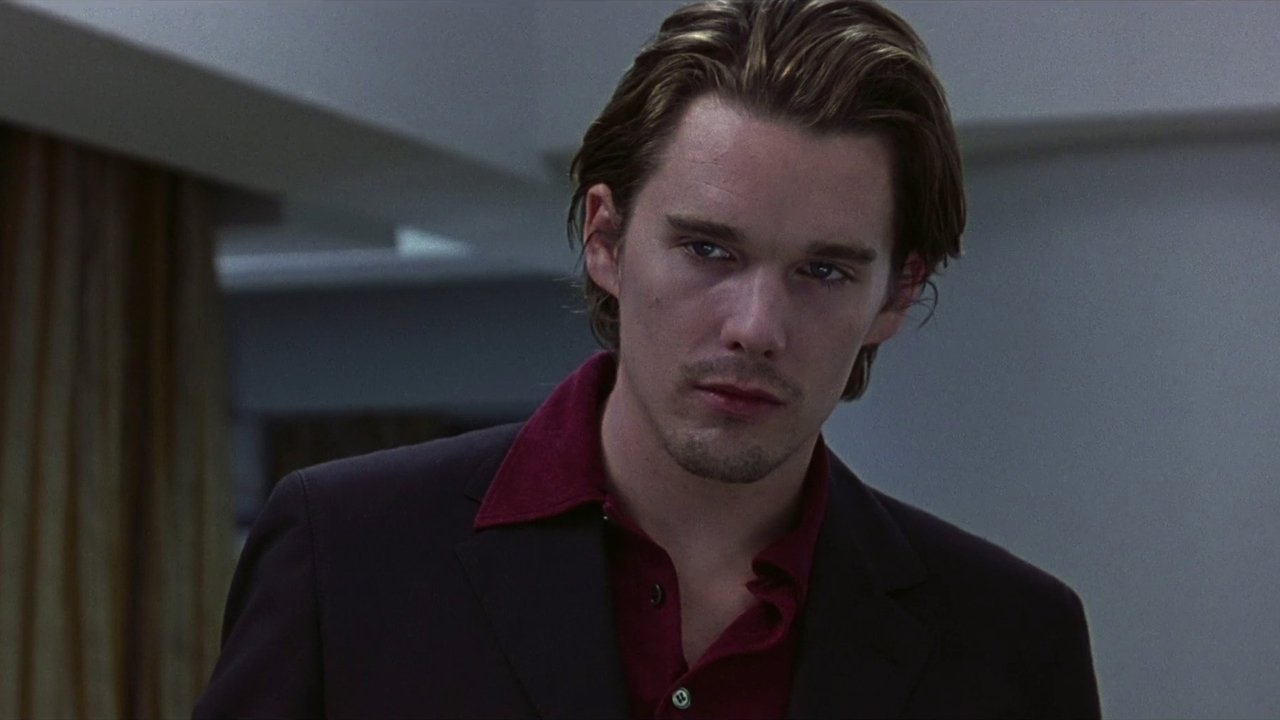
At the center of this corporate labyrinth is Ethan Hawke's Hamlet. Hawke, already a figurehead of Gen X angst thanks to films like Reality Bites (1994), leans into that persona here. His Hamlet isn't a noble prince paralyzed by thought, but an introspective, wounded film student, documenting his grief and suspicions with a lo-fi camera. It’s a portrayal steeped in the burgeoning digital age, where surveillance and self-documentation were becoming commonplace. This choice feels incredibly insightful in retrospect. Almereyda actually used a Fisher-Price PixelVision camera – a toy popular in the late 80s/early 90s – for Hamlet’s video diary segments, lending them a grainy, almost confessional intimacy that contrasts sharply with the sleekness of the corporate world. It’s a brilliant touch, grounding Hamlet’s alienation in a visual language that felt both contemporary and oddly nostalgic, like watching old home movies filled with ghosts. Hawke's performance is deeply felt; his quiet intensity and simmering resentment capture the character's internal turmoil beautifully, even if his understated delivery occasionally feels muted against the play's grander passions.
One of the most talked-about scenes, Hamlet delivering the "To be or not to be" soliloquy in a Blockbuster Video store (yes, really!), perfectly encapsulates the film's approach. Surrounded by endless choices, the ephemeral nature of action versus inaction, life versus oblivion, feels starkly relevant amidst the disposable entertainment on the shelves. It’s a moment that could easily have tipped into parody, but Hawke’s delivery makes it poignant, a young man lost not just in grief, but in the overwhelming noise of modern life. It’s one of those things you remember seeing, maybe on a rented DVD shortly after its release, and thinking, "Wow, they really went there."
### A Kingdom of Familiar Faces
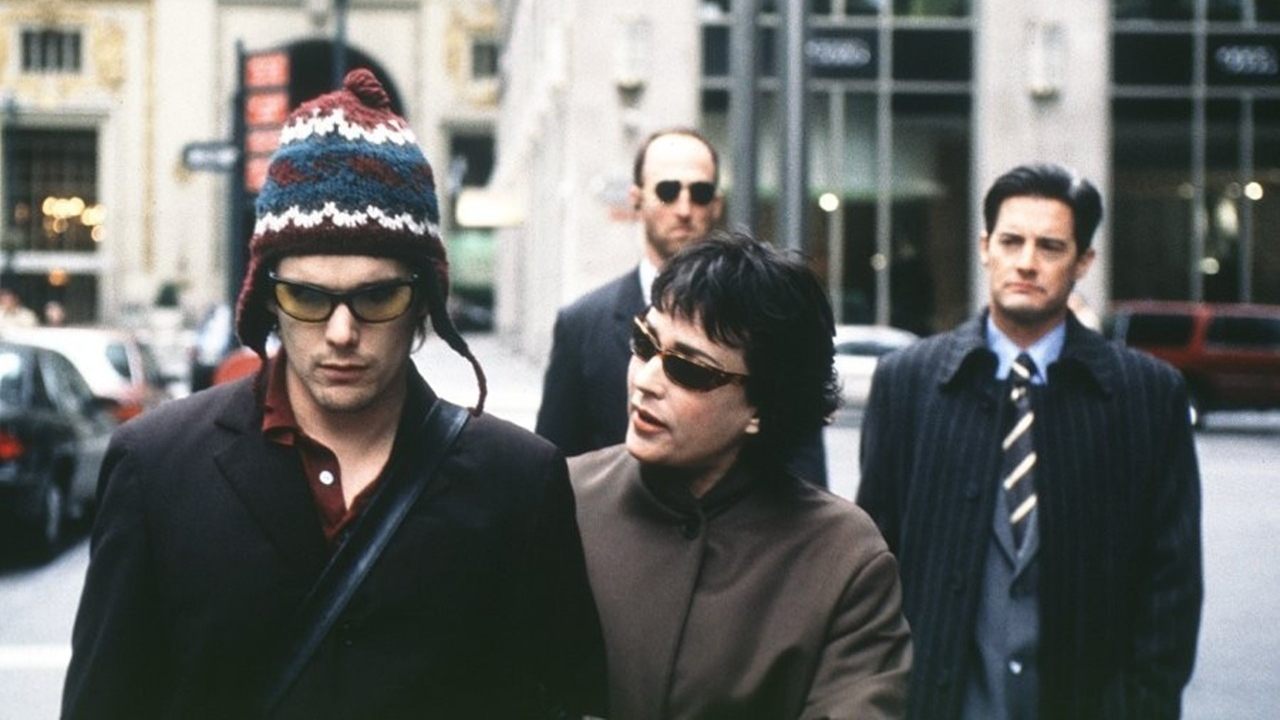
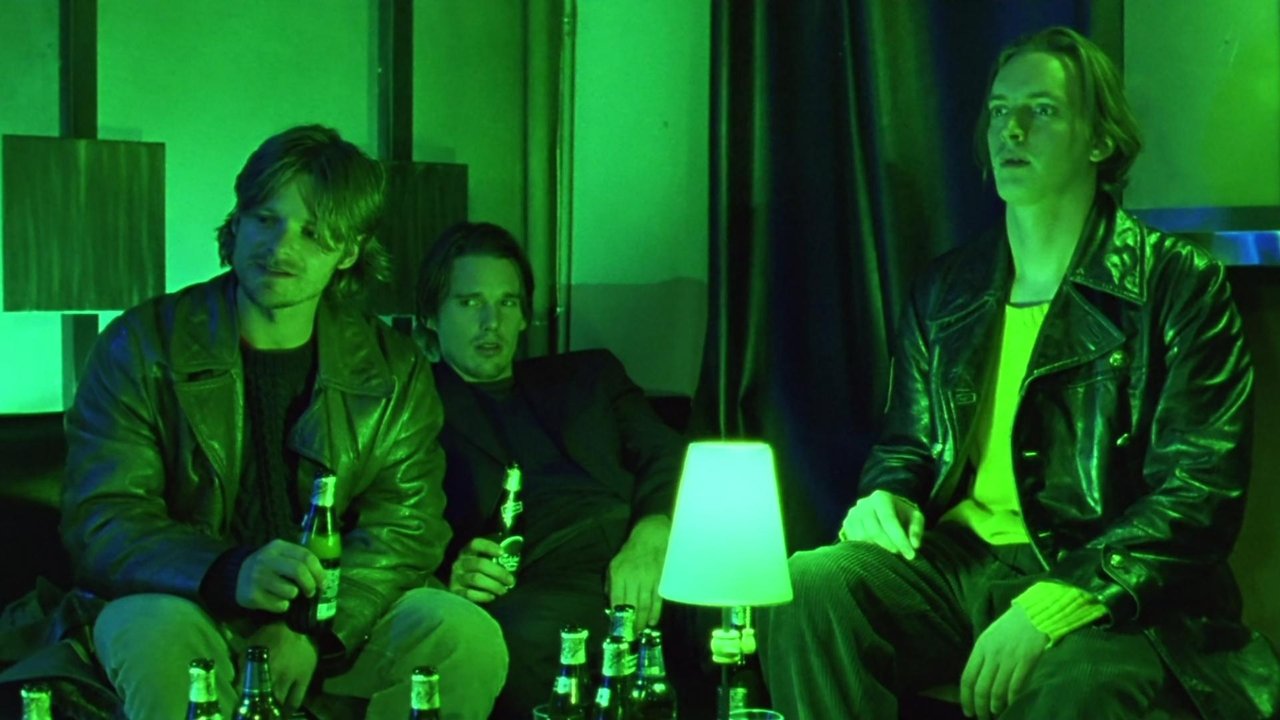
The supporting cast is a fascinating ensemble. Bill Murray as Polonius is an inspired choice, playing him not as a doddering fool, but as a slightly smarmy, meddling corporate advisor, his deadpan delivery finding unexpected pathos. Liev Schreiber brings a coiled intensity to Laertes, his grief sharp and dangerous. Julia Stiles, fresh off 10 Things I Hate About You (1999), another modern Shakespeare riff, portrays Ophelia with a fragile vulnerability that makes her descent into madness feel tragically believable within this updated context. Her performance, captured often through Hamlet's own lens, adds another layer to the themes of watching and being watched. And Sam Shepard as the Ghost, appearing on security monitors and Hamlet’s grainy video? Chillingly effective.
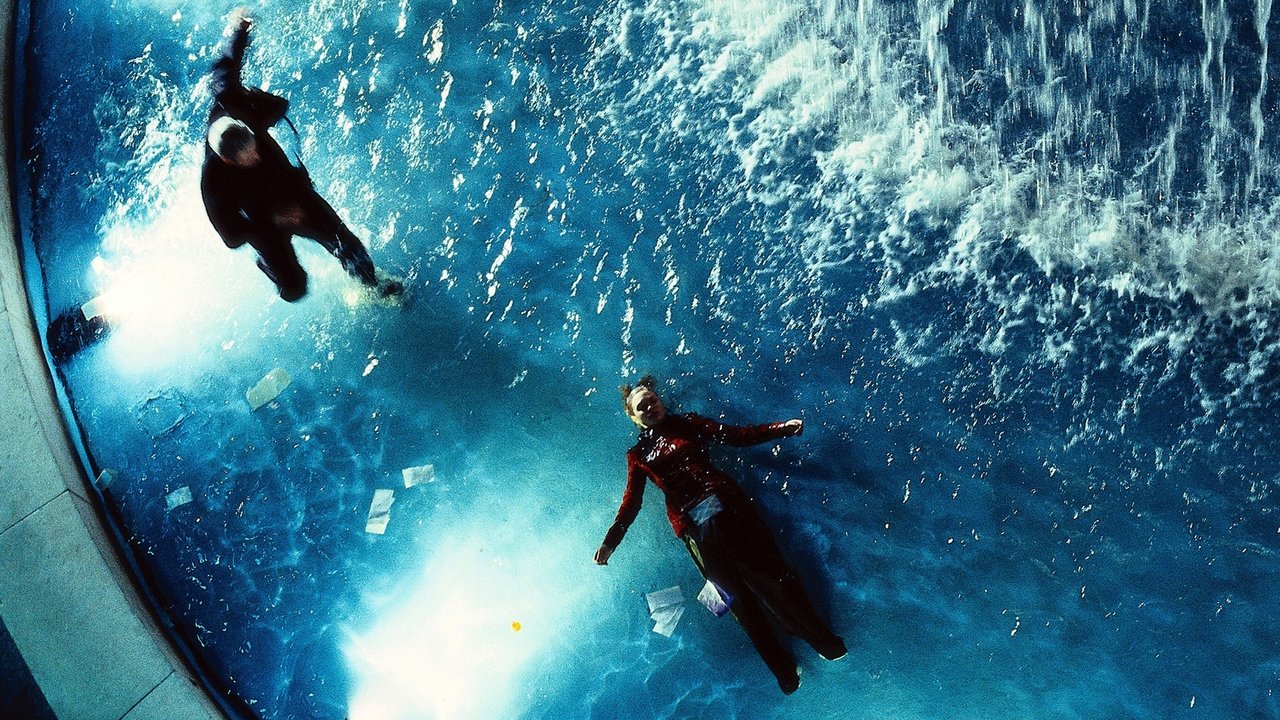
Almereyda, working with a surprisingly modest budget (reportedly around $2 million), uses the New York City locations to great effect. The Guggenheim Museum becomes a backdrop for courtly pronouncements, sleek apartments become sites of conspiracy. It’s a testament to creative resourcefulness, proving that atmosphere and ingenuity can achieve what massive budgets sometimes miss. The film doesn't shy away from the text's darkness, but finds contemporary parallels – poison becomes a corporate "accident," sword fights become gunplay, weaving the Bard's language into the fabric of modern anxieties.
### Lingering Questions in the Digital Static
Does it all work perfectly? Perhaps not for Shakespearean purists. The very modernity that makes it accessible might feel, to some, like it diminishes the poetry's scope. Some lines inevitably land differently when spoken into a cellphone or muttered in a fluorescent-lit office. Yet, the film's willingness to take risks, to interrogate how these timeless themes of revenge, grief, madness, and corruption manifest now (or, well, then in 2000), is precisely what makes it compelling. It forces us to ask: Has human nature truly changed, or just the scenery? What does loyalty mean in a world of NDAs and hostile takeovers?
Watching it again, it feels less like a gimmick and more like a thoughtful, melancholic time capsule – capturing not just Shakespeare's enduring power, but also the specific anxieties and technological shifts of the turn of the millennium. It was a bridge, in a way, between the analog world many of us grew up with and the digital future rushing towards us.
Rating: 7.5/10
This score reflects the film's undeniable intelligence, stylistic boldness, and strong central performances, particularly Hawke's resonant portrayal. It successfully translates the core tragedy into a compelling modern context. It loses a couple of points perhaps for moments where the contemporary setting slightly flattens the original text's poetic grandeur, and where the pacing sometimes mirrors Hamlet's own contemplative inaction a little too closely. However, its creativity and the sheer audacity of its vision make it a standout adaptation.
Final Thought: Almereyda's Hamlet remains a fascinating experiment, a ghost in the machine of Shakespearean cinema, forever asking us to look closer at the screens reflecting our own world. It’s a version that might have felt jarring on first viewing back then, but now feels like a prescient glimpse of the anxieties we'd carry into the 21st century. Worth revisiting, especially if you remember pondering life's big questions under the harsh glow of video store lights.