It’s almost impossible to think about The Marrying Man (1991) without the accompanying static of its off-screen notoriety crackling in the background. The tabloids buzzed louder than the film’s actual dialogue, painting a picture of production chaos fueled by the tempestuous burgeoning romance between its leads, Kim Basinger and Alec Baldwin. For many of us browsing the aisles of the video store back then, the gossip column headlines were probably more compelling than the box art. But stripping away the noise, does the film itself, nestled on that worn VHS tape, offer more than just a celluloid snapshot of a famously turbulent Hollywood affair? Does the story Neil Simon penned hold up, or is it forever overshadowed?
Sparks Fly, On and Off Screen
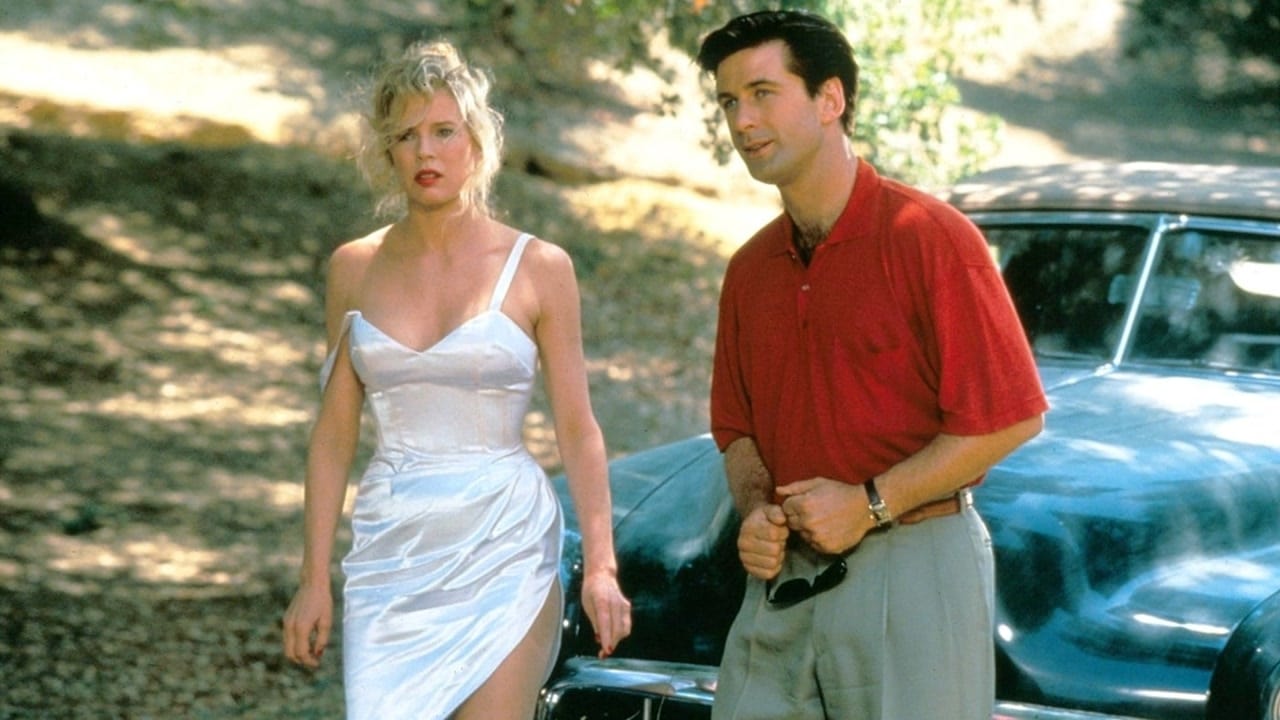
The premise, penned by the legendary Neil Simon (known for classics like The Odd Couple and Barefoot in the Park), certainly sounds promising. Set against the glitz and nascent sleaze of late 1940s Las Vegas, millionaire playboy Charley Pearl (Alec Baldwin, radiating that specific brand of cocky charm he mastered in the era) is en route to marry his fiancée, the daughter of a powerful studio head. A detour introduces him to Vicki Anderson (Kim Basinger), a sultry lounge singer entangled with notorious mobster Bugsy Siegel (Robert Loggia). Cue instant, overpowering attraction, the kind that derails lives and inspires impulsive decisions – like getting married. And then divorced. And then married again. Their relationship becomes a dizzying cycle of passion, betrayal, and reconciliation, a volatile dance that forms the film’s core.
It's this central dynamic where the film both sparks and sputters. The chemistry between Baldwin and Basinger is undeniable, electric even. You absolutely believe these two beautiful people are magnetically, perhaps destructively, drawn to each other. Yet, knowing the stories that swirled around the production – whispers of rewritten scenes, clashing egos, demanding behaviour that reportedly frustrated Simon and director Jerry Rees (who came from animation, helming The Brave Little Toaster) – adds a strange, almost uncomfortable layer. Are we watching Charley and Vicki fall in and out of love, or are we glimpsing Baldwin and Basinger doing the same, blurred lines and all? It gives their interactions a raw edge, but sometimes tips into feeling less like character work and more like watching documented friction. It’s a fascinating, if flawed, example of life imitating art, or perhaps art struggling to contain life.
A Notion of Nostalgia, A Muddle of Moods
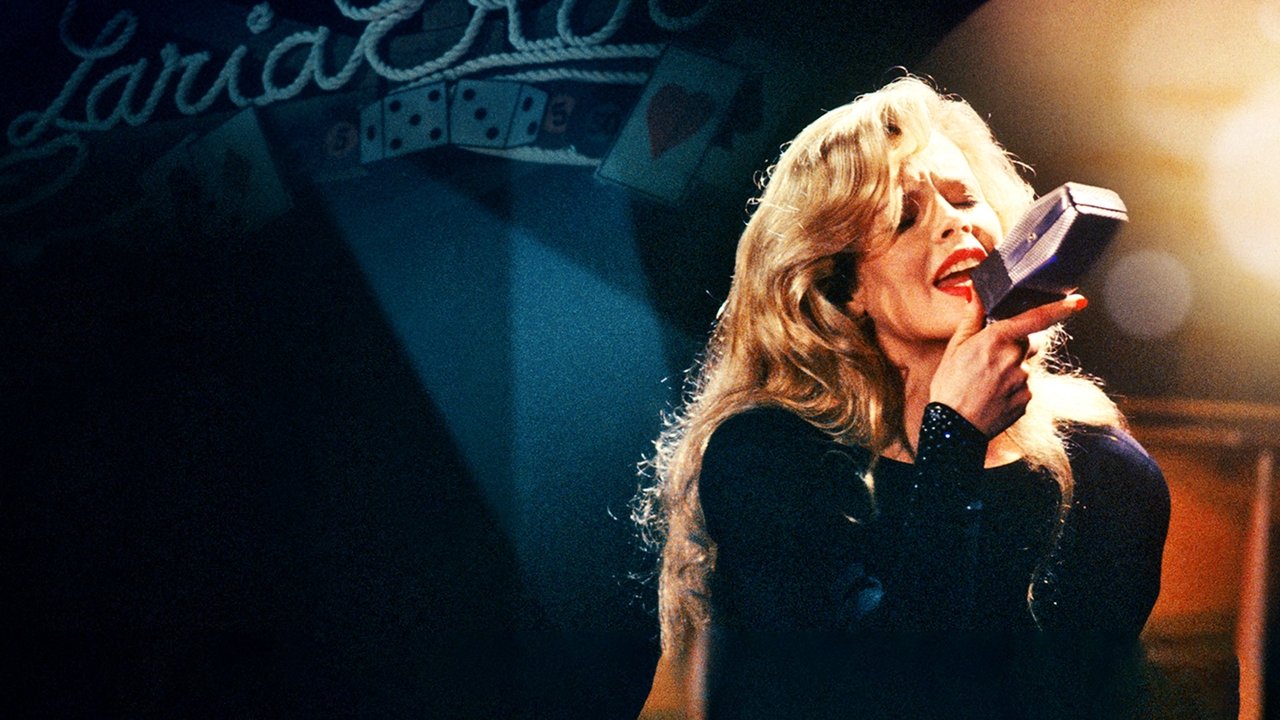
Director Jerry Rees certainly tries to capture the period flavour. There's a visual gloss, an attempt to evoke the smoky nightclubs and desert glamour of post-war Vegas. Basinger, doing her own singing (a point often highlighted in the film's promotion), certainly looks the part of the alluring chanteuse, owning the screen whenever she takes the stage. Her renditions aren't just plot points; they feel integral to Vicki's persona, moments where she holds all the power. Yet, the overall tone feels unsteady, swinging between screwball comedy, romantic drama, and gangster-lite menace without ever quite settling comfortably into any of them. Neil Simon, whose strength usually lies in sharp dialogue and relatable human foibles, seems somewhat lost here. Reportedly unhappy with the final cut and the deviations from his script, one wonders what his original vision truly entailed. The comedic moments sometimes land awkwardly, and the shifts towards darker territory involving Bugsy Siegel feel jarring rather than thrilling. Robert Loggia brings his reliable gravitas to Siegel, and Armand Assante pops up effectively, but they feel like they belong in a slightly different, perhaps more grounded, movie.
Behind the Glamour: A Troubled Production
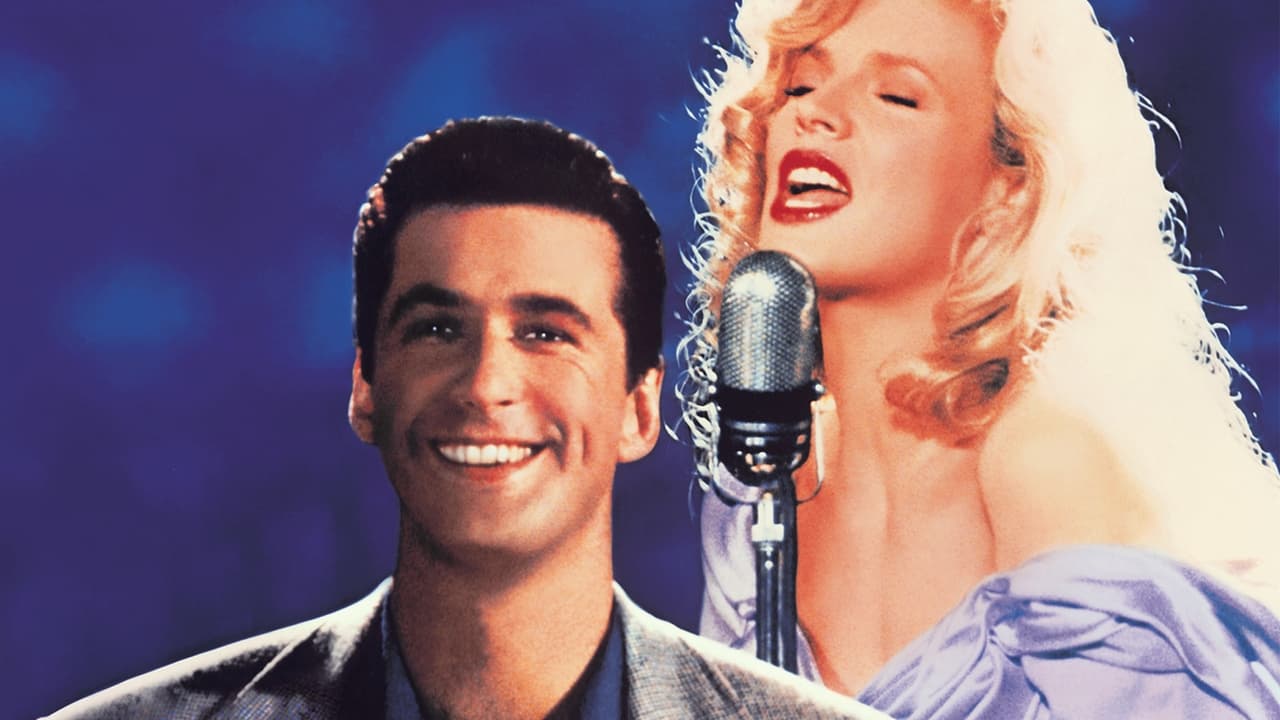

The film’s troubled journey is well-documented. Beyond the central stars' behaviour, the production reportedly grappled with budget issues (costing around $26 million – a hefty sum then, roughly $58 million today) and ultimately failed to connect with audiences, grossing a mere $12.5 million domestically (around $28 million today). It became one of those cautionary tales, a film seemingly sunk by its own internal drama before it even reached the theatres. Watching it now, you can almost feel the strain. There are moments of visual flair, and the central performances have that undeniable, albeit complicated, spark, but the narrative often feels disjointed, lacking the effortless charm or cohesive vision needed to make the cyclical romance truly engaging rather than just repetitive.
Did you ever rent this one back in the day, maybe drawn in by the star power or the promise of a glossy romance? I remember it sitting on the shelf, overshadowed by bigger hits, carrying that faint whiff of Hollywood scandal. It wasn't a tape that got worn out from repeat viewings in my household.
Verdict: More Fizzle Than Sizzle
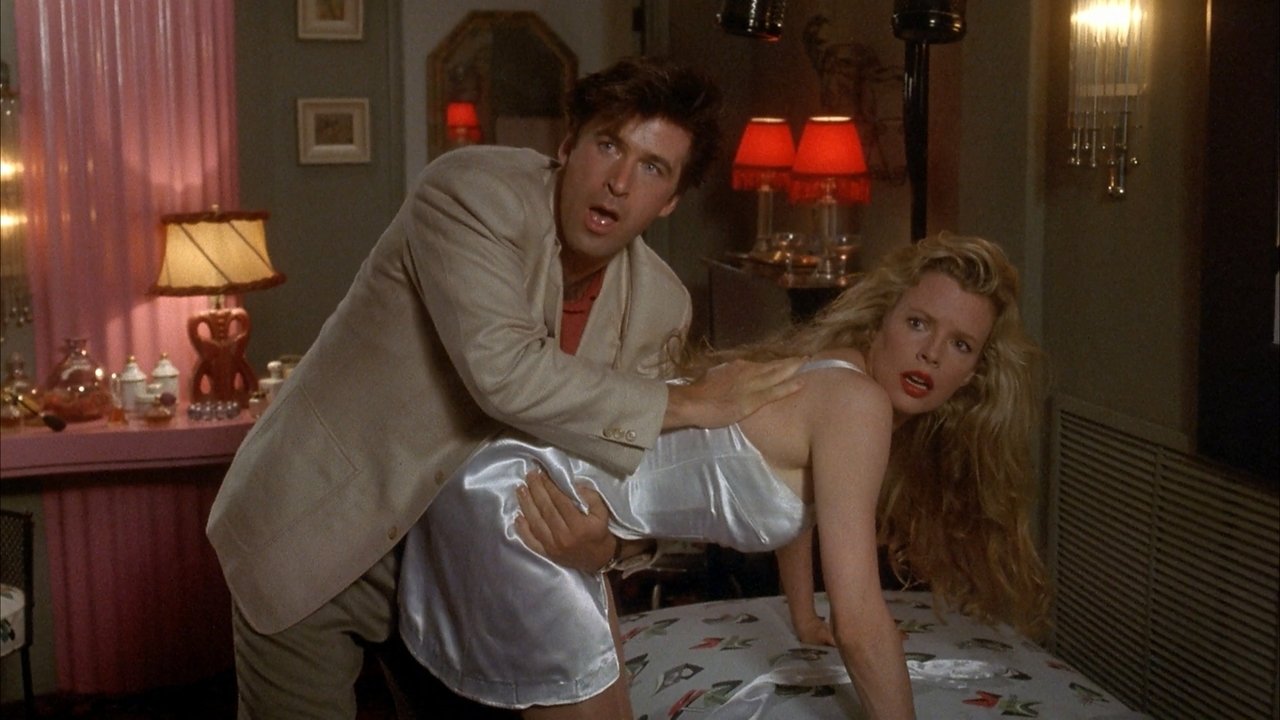
The Marrying Man is a curious time capsule. It boasts two incredibly charismatic stars at the peak of their allure, generates genuine heat between them, and wraps it all in a superficially attractive period package. Yet, the inconsistent tone, the narrative meandering, and the unavoidable baggage of its tumultuous production prevent it from truly taking flight. The chemistry is there, but the film built around it feels shaky, like a glamorous facade hiding structural weaknesses. It’s less a forgotten gem and more a fascinating footnote, a testament to how even potent star power and a legendary writer can’t always overcome behind-the-scenes friction and tonal uncertainty.
Rating: 4/10
The undeniable, raw chemistry between Basinger and Baldwin bumps it up slightly, offering glimpses of the magnetic film this could have been. However, the uneven tone, weak narrative structure, and the sense that the off-screen drama seeped toxically onto the screen ultimately make it a frustrating watch. It remains memorable more for the stories about its making than the story it tells. A flickering glimpse of what might have been, forever trapped in the amber of its own notoriety.