Okay, rewind the tape. Sometimes, nestled between the familiar action heroes and teen comedies on the video store shelf, you’d find something… different. Something vibrant, chaotic, utterly unpredictable. Hitting play on Emir Kusturica's Black Cat, White Cat (1998) felt exactly like that – like accidentally crashing the wildest, most colourful wedding party on the banks of the Danube, schnapps flowing freely and a brass band playing like their lives depended on it. This isn't just a film; it's a glorious, life-affirming explosion of Romani culture, petty crime, unexpected love, and pure cinematic energy.
### Down by the River Danube
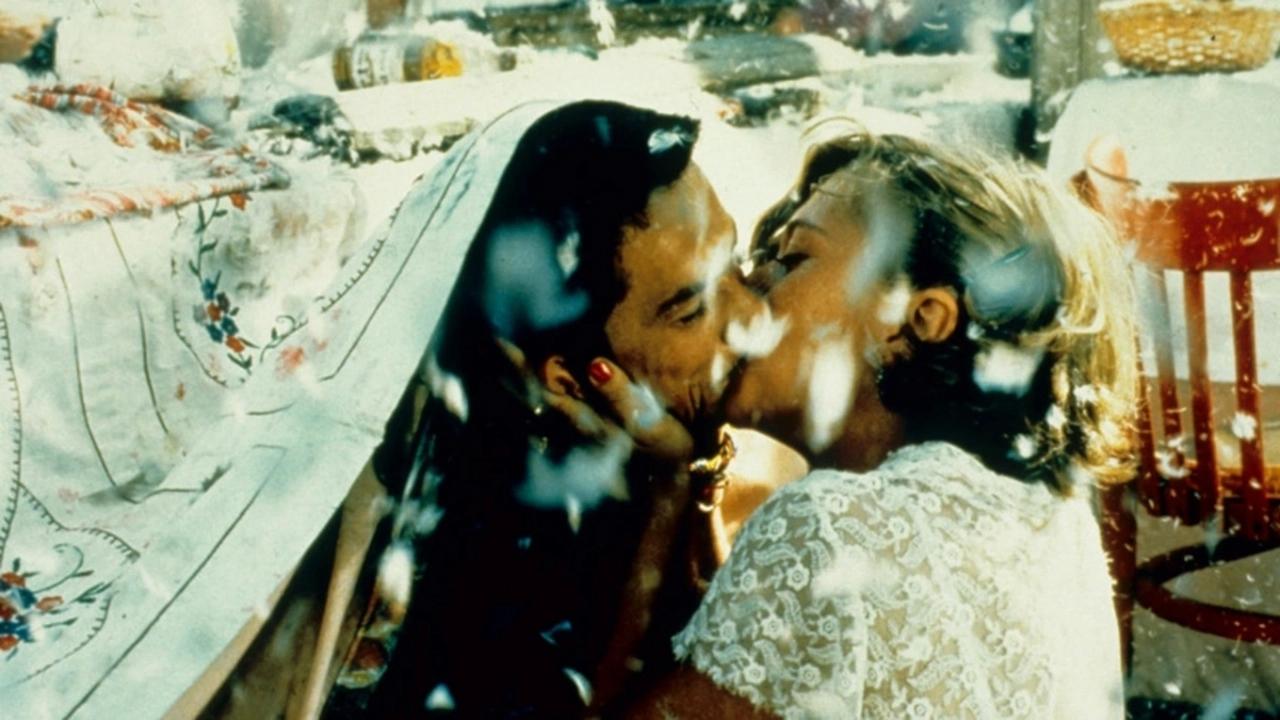
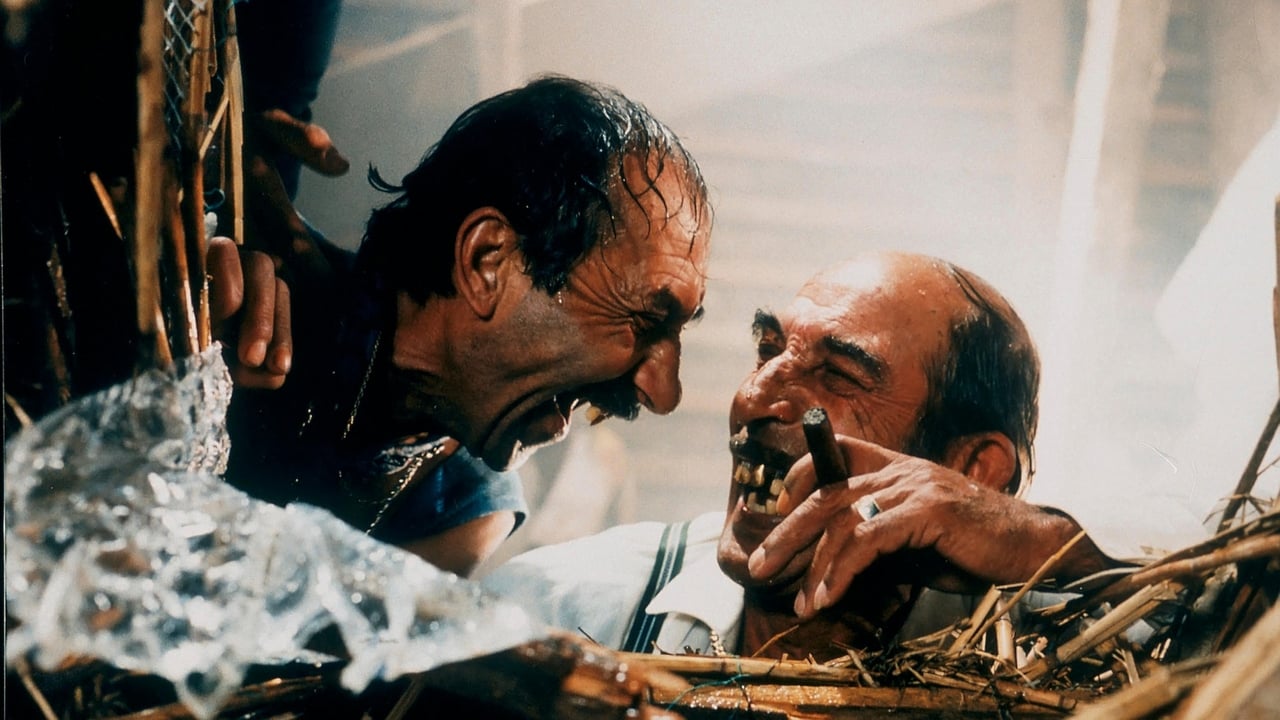
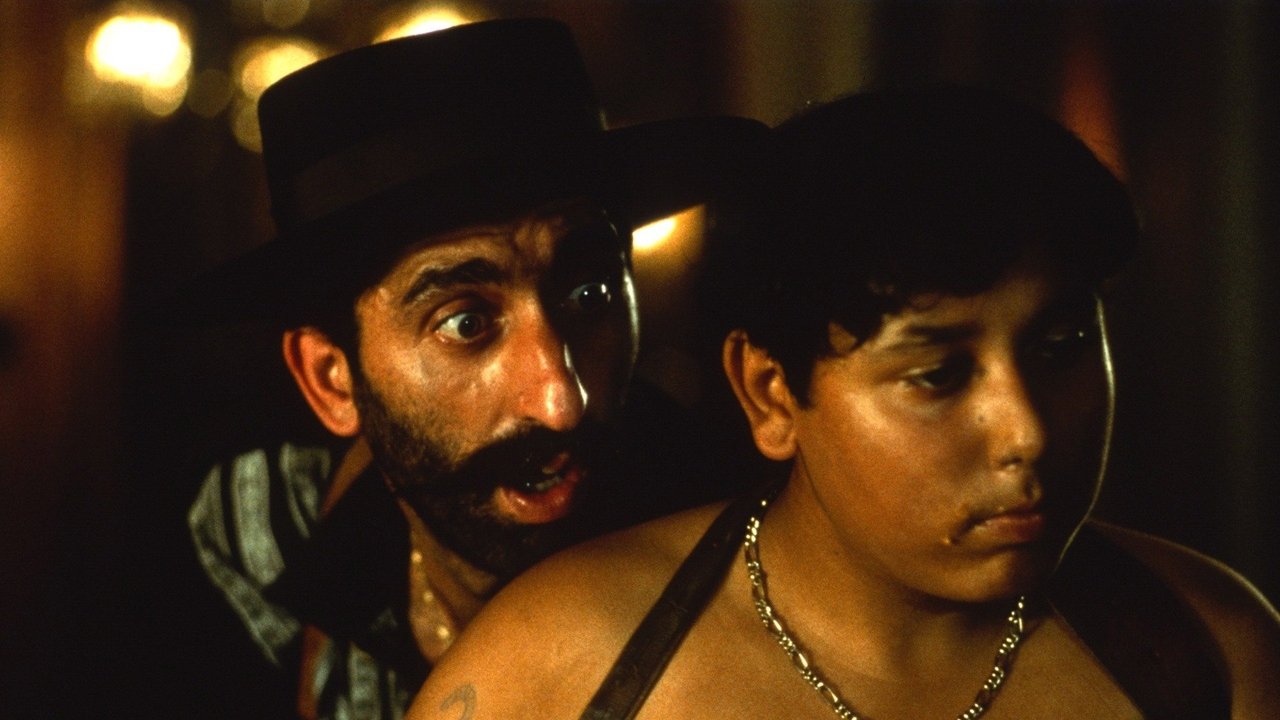
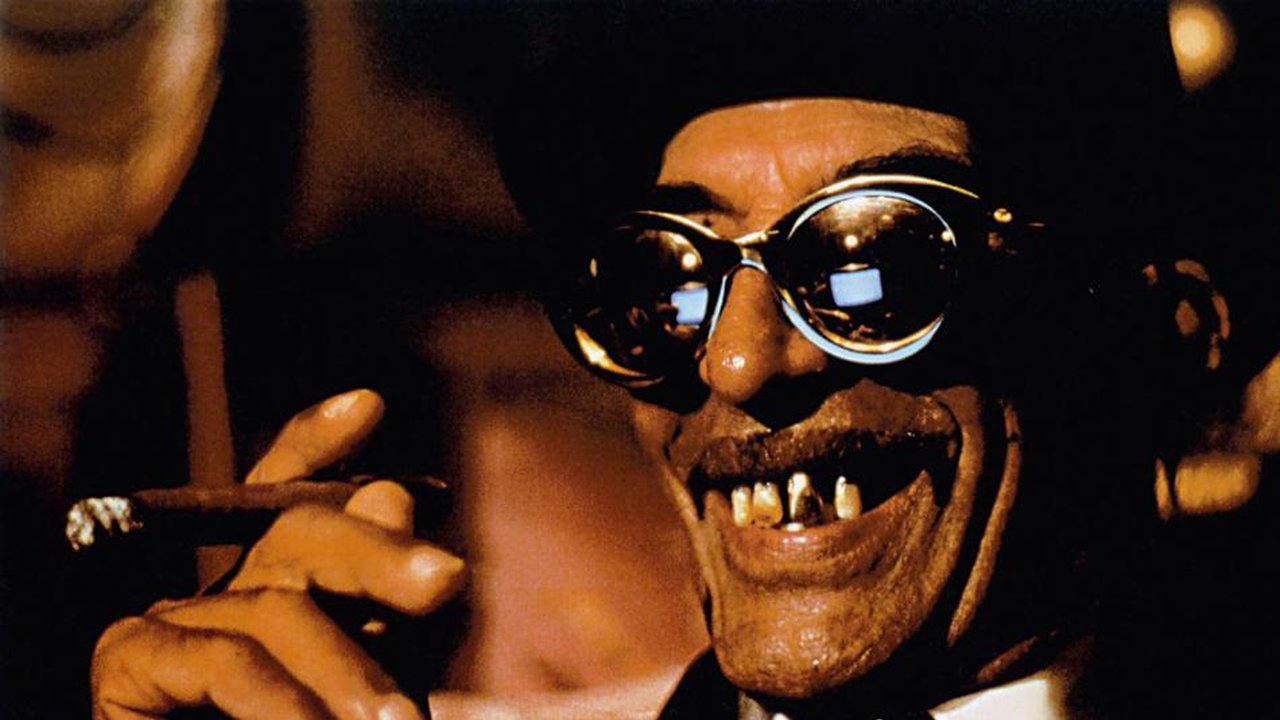
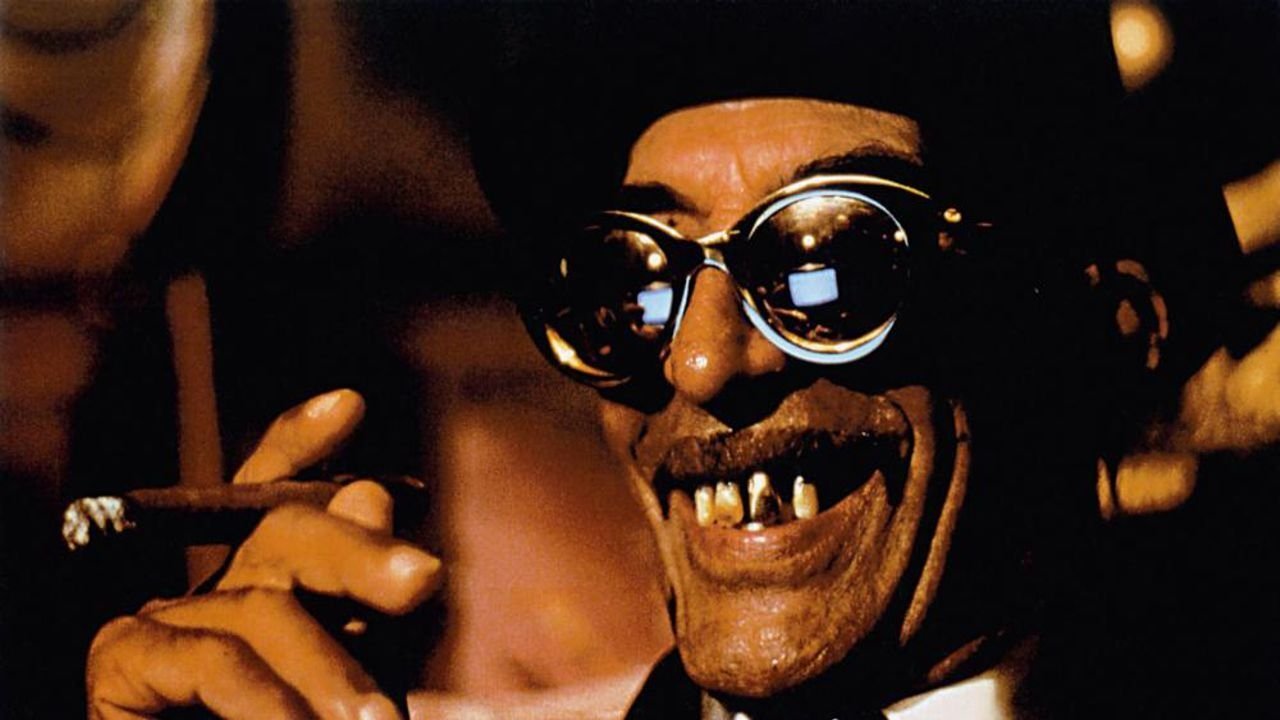
Forget slick Hollywood narratives. Black Cat, White Cat throws you headfirst into the messy lives of two families living along the river. We follow Matko Destanov (Bajram Severdžan, in a wonderfully hapless performance), a small-time hustler constantly dreaming up get-rich-quick schemes that invariably backfire. His latest plan involves stealing a trainload of gasoline, leading him to borrow money from Grga Pitić (Sabri Sulejmani), a local godfather figure confined to a wheelchair but still radiating authority (and obsessed with the ending of Casablanca). Naturally, things go sideways thanks to the dangerously eccentric, cocaine-snorting gangster Dadan Karambolo, played with unforgettable, manic glee by Srđan Todorović (you might remember him from Underground, another Kusturica epic).
What follows is a whirlwind of double-crosses, forced marriages (Matko's son Zare must marry Dadan's dwarf sister, Ladybird), escapes, fake deaths, real deaths (maybe?), and surprising romance, primarily between the reluctant groom Zare (Florijan Ajdini) and the feisty Ida (Branka Katić). The plot, honestly, feels secondary to the sheer joy of inhabiting this world. Kusturica, who also co-wrote the script with Gordan Mihić, isn't concerned with intricate plotting; he's creating a feeling, a mood, a whirlwind of humanity.
### Kusturica Unleashed
After the sprawling, Palme d'Or-winning intensity of Underground (1995), which left Emir Kusturica declaring his retirement from filmmaking (a thankfully short-lived decision!), Black Cat, White Cat feels like a joyous exhalation. Interestingly, the project reportedly began as a documentary about Romani music, but morphed into this fictional narrative. You can still feel that documentary impulse in the film's authenticity, the lived-in feel of the locations along the Danube, and the incredible casting, which heavily featured non-professional Romani actors who bring an unparalleled naturalism and vibrancy to their roles. Kusturica won the Silver Lion for Best Direction at the Venice Film Festival for this, and it’s easy to see why.
His directorial style here is pure maximalism. The screen teems with life – animals wander everywhere (geese, pigs, the titular cats), characters shout, laugh, and cry with abandon, and the camera swoops and dives through the chaos. It’s a far cry from the gritty realism often associated with European cinema of the time; this is Fellini by way of the Balkans, a vibrant, often hilarious folk tale brought roaring to life. Remember how visually dense it felt, even on a fuzzy CRT? Every frame is packed.
### The Sound of Celebration (and Chaos)
You simply cannot talk about Black Cat, White Cat without mentioning the music. While Goran Bregović scored Kusturica's earlier films, this one features a phenomenal soundtrack largely driven by Dr. Nelle Karajlić and Vojislav Aralica, heavily featuring the infectious energy of The No Smoking Orchestra (which Kusturica himself sometimes plays in!). The Balkan brass music isn't just background noise; it's the film's heartbeat, underscoring the comedy, the romance, and the sheer, overwhelming joie de vivre. It’s the kind of soundtrack that makes you want to grab a bottle of something strong and dance on a table. That raw, live-sounding energy felt absolutely electric blasting out of the TV speakers late at night.
### Why It Still Purrs
Sure, watching it now, some of the humour might feel broad, and the pacing is deliberately frantic, which might not be for everyone. But the film’s charm is undeniable. Srđan Todorović’s performance as Dadan is an all-timer – a comic creation both terrifying and ludicrous, often in the same breath. The burgeoning love story between Zare and Ida provides a sweet counterpoint to the surrounding madness, and Branka Katić is magnetic as the resourceful Ida. It’s a film that celebrates resilience, family (however dysfunctional), and finding joy amidst the absurdity of life.
It wasn't a massive blockbuster in the traditional sense, but Black Cat, White Cat became a beloved cult classic, particularly in Europe, celebrated for its unique energy and spirit. Finding this tape felt like uncovering a hidden gem, a portal to a world unlike anything else offered at the local Blockbuster. It was proof that foreign films could be wildly entertaining, visually stunning, and utterly bonkers in the best possible way.
***
VHS Heaven Rating: 9/10
Justification: This score reflects the film's infectious energy, brilliant performances (especially Todorović), unforgettable music, and Kusturica's masterful creation of a unique, vibrant world. It’s a near-perfect execution of controlled chaos and heartfelt absurdity, losing perhaps a single point only for a pacing that might feel too relentless for some. It’s a film bursting with life.
Final Thought: Forget slick CGI; this is pure, uncut cinematic anarchy fueled by brass bands, sunflower seeds, and maybe a little too much schnapps – a VHS treasure whose joyful, untamed spirit feels more vital than ever.