There are films that comfort, films that thrill, and then there are films that simply hold up a mirror to the parts of life we’d rather forget, reflecting them with such unnerving clarity that you can’t look away. Todd Solondz’s 1995 indie breakthrough, Welcome to the Dollhouse, belongs firmly in that last category. It doesn’t gently remind you of adolescent awkwardness; it plunges you headfirst into the specific, fluorescent-lit hellscape of suburban junior high, leaving you squirming with recognition and a strange, unsettling empathy.
The Unflinching Gaze of Dawn Weiner
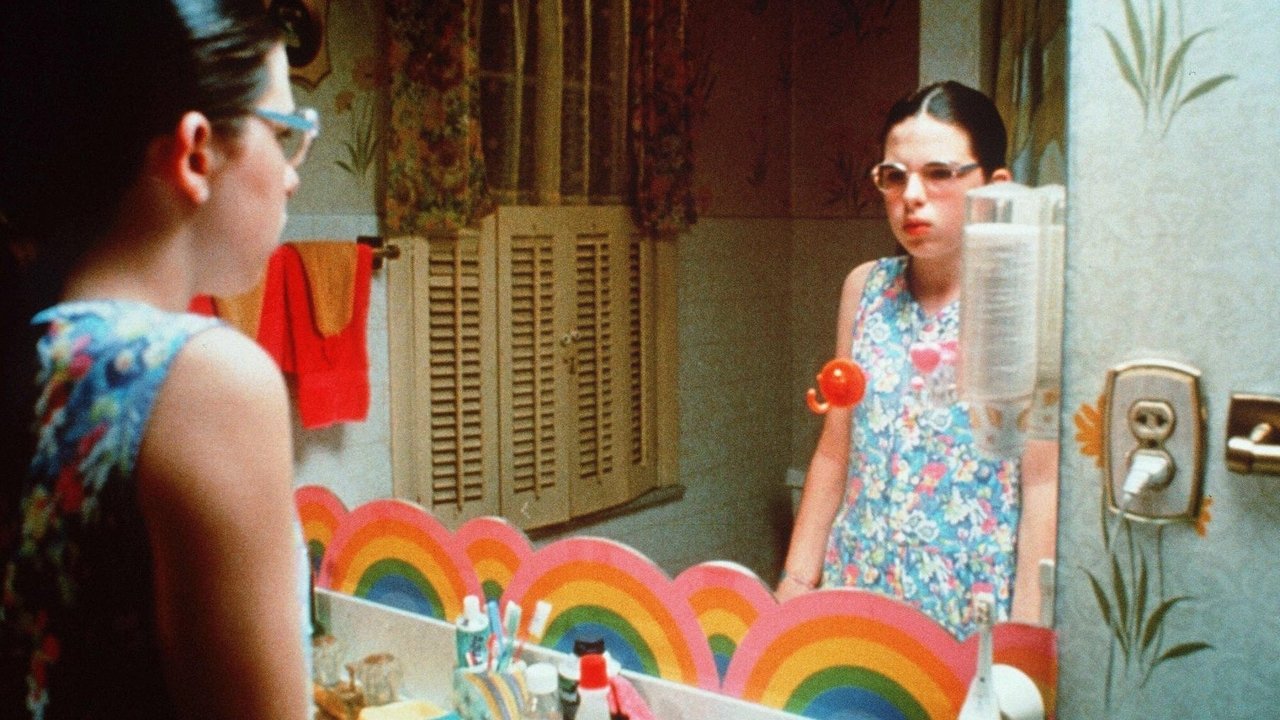
At the heart of this exquisitely uncomfortable experience is Dawn Weiner, brought to life with astonishing rawness by a then-unknown Heather Matarazzo. Forget the sanitized angst often peddled about teenage years; Dawn is the walking embodiment of social leprosy in the seventh grade. Clad in outfits that seem designed to repel, sporting oversized glasses, and perpetually wearing an expression caught between defiance and despair, she navigates a world actively hostile to her existence. Matarazzo’s performance is nothing short of miraculous. There’s zero vanity, zero pleading for audience sympathy in the conventional sense. She simply is Dawn, conveying layers of hurt, frustration, and a desperate yearning for connection beneath a surface seemingly designed for ridicule. It’s a performance that feels less like acting and more like bearing witness. Securing Matarazzo was reportedly key for Solondz; finding an actress willing and able to embody Dawn so completely, without flinching from the character's profound unpopularity, was crucial to the film's unflinching core.
A Suburban Wasteland
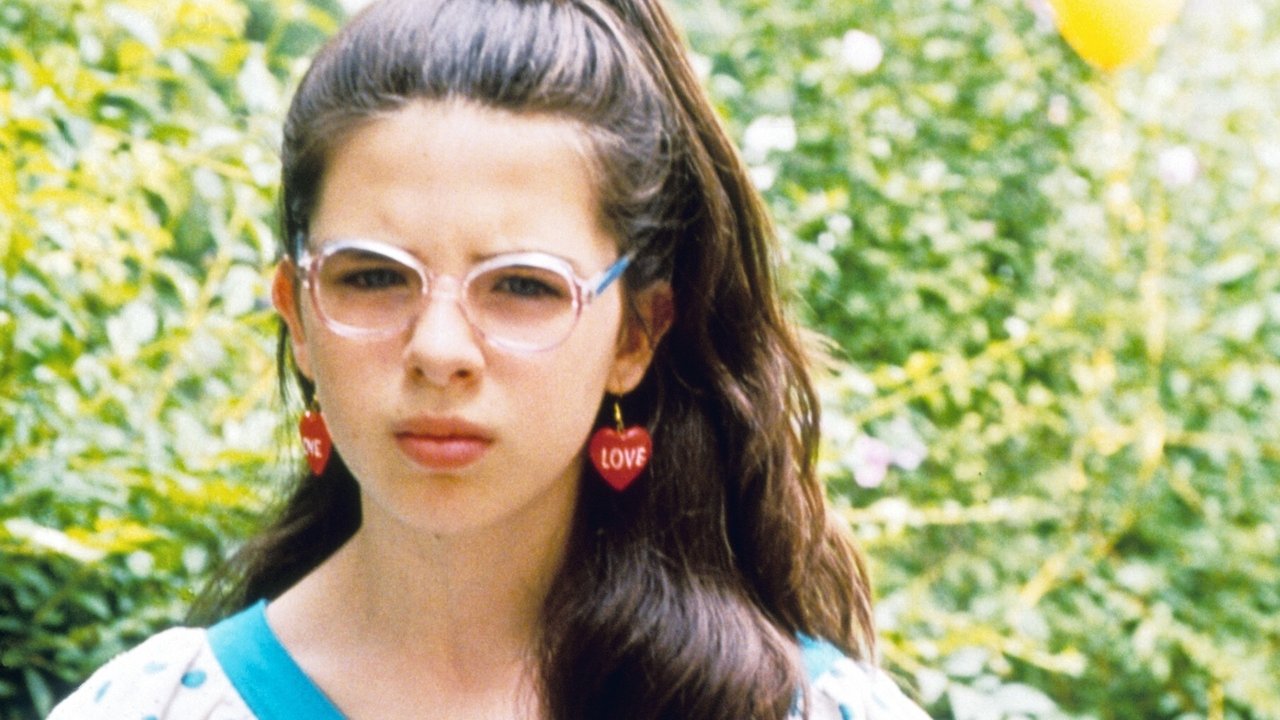
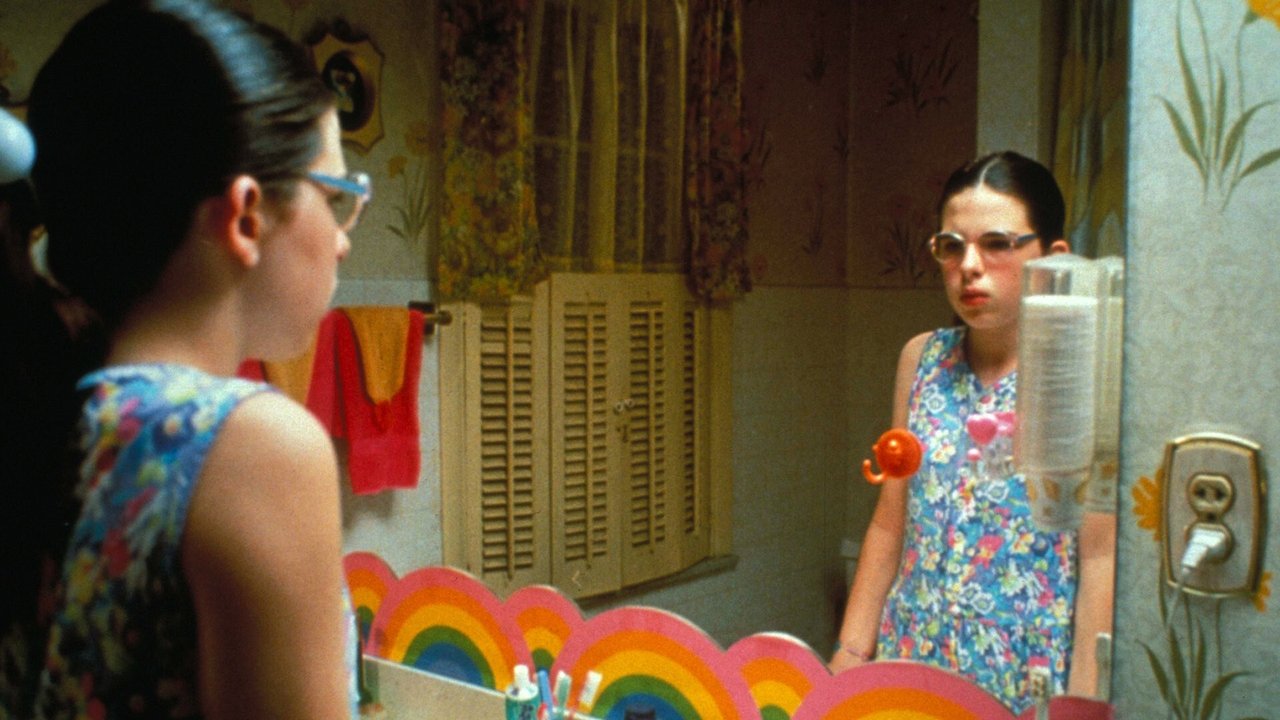
Solondz paints Dawn’s suburban New Jersey environment not as idyllic, but as a sterile purgatory. The family home is a place of casual cruelty and neglect, where her parents barely register her presence, her younger sister Missy is the treasured princess, and her older brother Mark (Matthew Faber, perfectly capturing nerdy condescension) is occupied with his garage band and nascent computer hacking. School is worse – a relentless gauntlet of bullies, indifferent teachers, and the agonizing hierarchy of adolescent social structures. Solondz’s direction is deliberately flat, often using static shots and plain compositions that emphasize the emotional vacancy of Dawn’s surroundings. There’s little visual flourish; the power comes from the stark presentation of events, forcing us to confront the ugliness without directorial nudges or sentimental escapes. It’s a style Solondz would hone further in later challenging works like Happiness (1998).
Navigating Cruelty and Connection
The narrative, such as it is, follows Dawn’s attempts to find any foothold, any scrap of validation. She develops a misguided crush on high school heartthrob Steve Rodgers, serenading him with her brother’s band in one of the film's most memorably painful sequences. More complex and disturbing is her relationship with Brandon McCarthy (Brendan Sexton III, radiating juvenile menace), an older delinquent who threatens her but also offers a twisted form of attention that Dawn, starved for any connection, seems almost drawn to. Sexton III, who had previously appeared in the similarly raw indie Kids (1995), perfectly embodies the volatile mix of aggression and vulnerability that makes Brandon such a frightening and strangely pitiable figure. Their interactions push the boundaries of comfort, forcing questions about power dynamics and the desperate measures taken when genuine affection seems impossible.

Why Does It Linger?
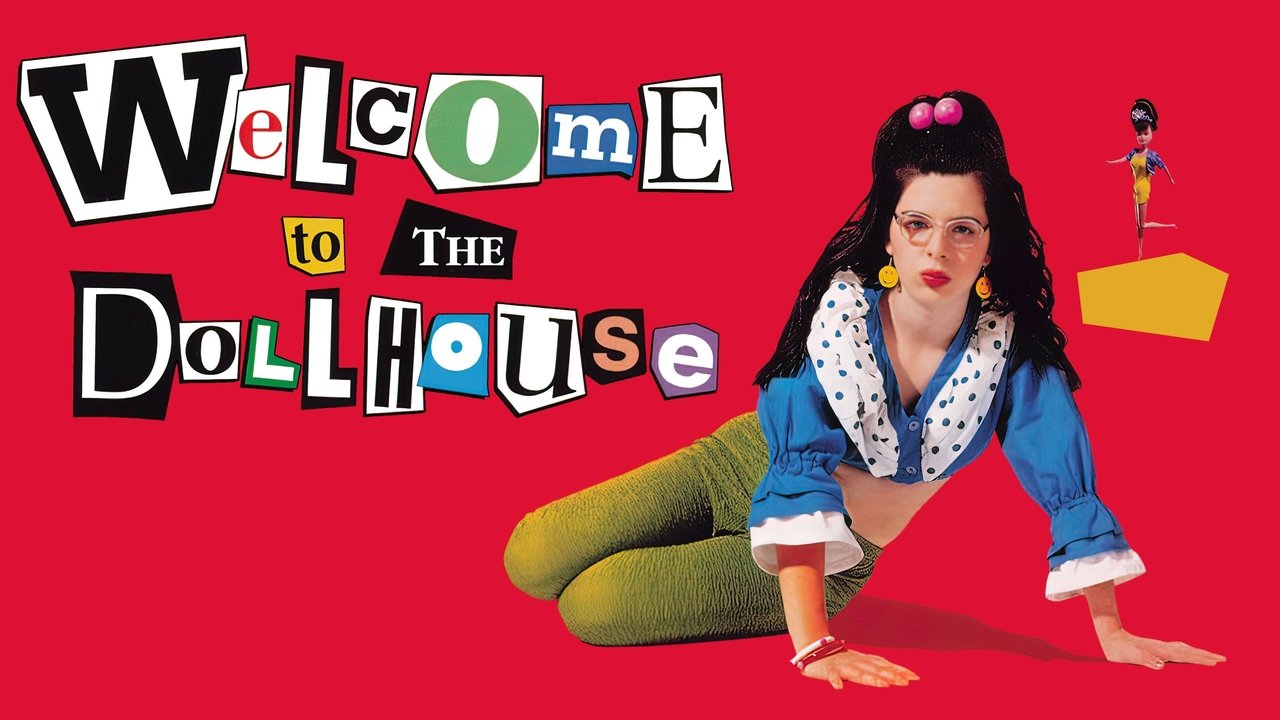
Finding Welcome to the Dollhouse on the shelf at the local video store, perhaps nestled between slicker Hollywood fare, was often an experience in itself. This wasn't your typical teen movie. Its stark cover art and R-rating (notable for a film focused so squarely on junior high protagonists) hinted at something different. Made on a shoestring budget of around $800,000, its eventual success, particularly after winning the Grand Jury Prize at the 1996 Sundance Film Festival, felt like a victory for uncompromising, personal filmmaking. It tapped into something painfully real, a truth about the casual brutality of adolescence that few films dared to explore with such honesty. Watching it on a flickering CRT, the film’s deliberate drabness somehow felt even more potent, reflecting the often unglamorous reality of that age. Did you ever stumble upon a film like this back then, something that felt so jarringly different from everything else available?
Its legacy is complex. While Dawn Weiner became an unlikely icon of outsiderdom, Solondz revisited her world tangentially in later films – Palindromes (2004) depicts her funeral (offscreen), and Wiener-Dog (2016) features an older Dawn, now played by Greta Gerwig. These later films underscore the lasting impact of those formative years, suggesting that the scars acquired in the “dollhouse” never fully fade.
Rating and Final Reflection
Welcome to the Dollhouse is a challenging watch, no doubt about it. Its humor is pitch-black, its outlook often bleak, and its refusal to offer easy answers or redemption can be deeply unsettling. Yet, its power is undeniable. Matarazzo’s performance remains iconic, a fearless portrayal of adolescent isolation. Solondz’s singular vision, though divisive, created a film that resonates with a painful authenticity few others achieve. It’s a landmark of 90s independent cinema, a film that earns its cult status through sheer, unvarnished honesty.
Rating: 9/10
This rating reflects the film's exceptional craft, its groundbreaking central performance, and its lasting impact as a brutally honest, darkly comic exploration of a specific kind of American misery. It’s not enjoyable in the conventional sense, but it’s unforgettable, vital filmmaking. What ultimately stays with you isn't just the cringe-inducing moments, but the profound loneliness at its core – a loneliness that, perhaps, feels uncomfortably familiar even decades later.