### That Title Alone Was a Jolt
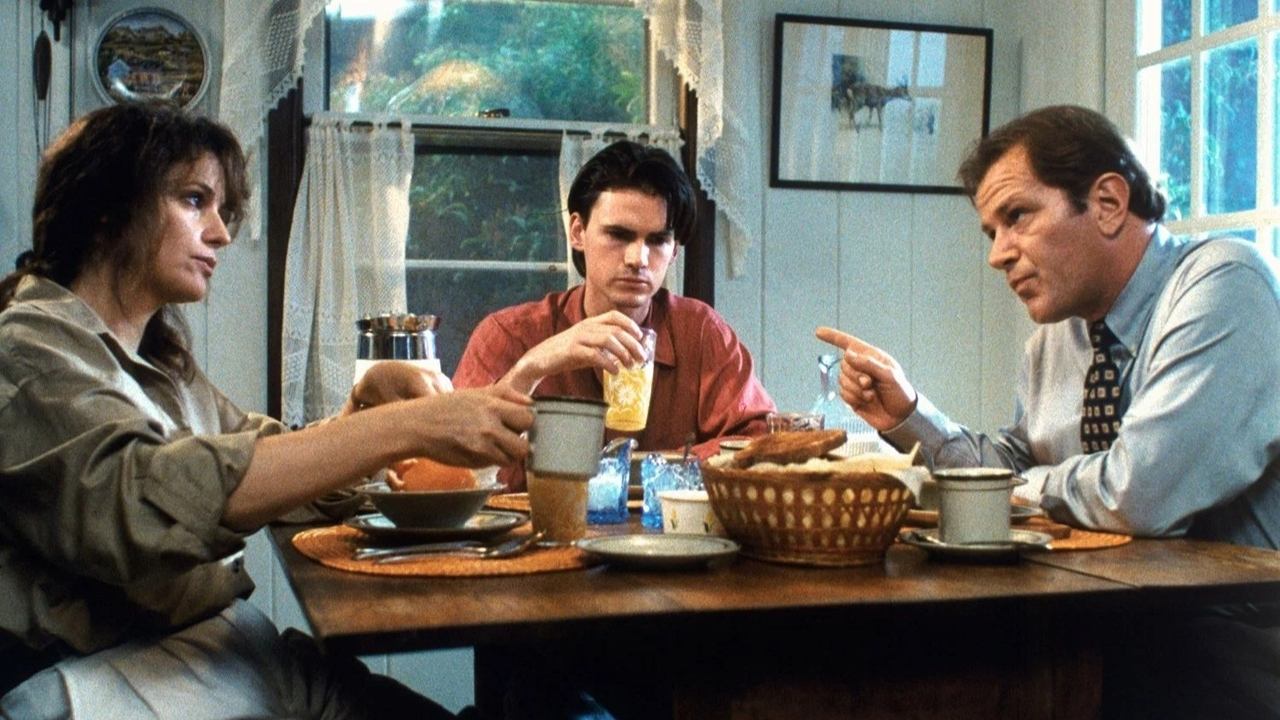
Some VHS boxes just dared you to pick them up, didn't they? Back in the mid-90s, amidst the brightly colored action flicks and familiar comedies lining the shelves of the local video store, a title like Spanking the Monkey (1994) stood out with a kind of confrontational bluntness. It wasn’t promising explosive thrills or heartwarming romance. It felt... different. Provocative. And slipping that tape into the VCR confirmed it: this was a journey into the deeply uncomfortable, sticky heart of suburban dysfunction, a debut feature that announced a raw, confrontational talent in David O. Russell.
### A Summer of Suffocating Closeness
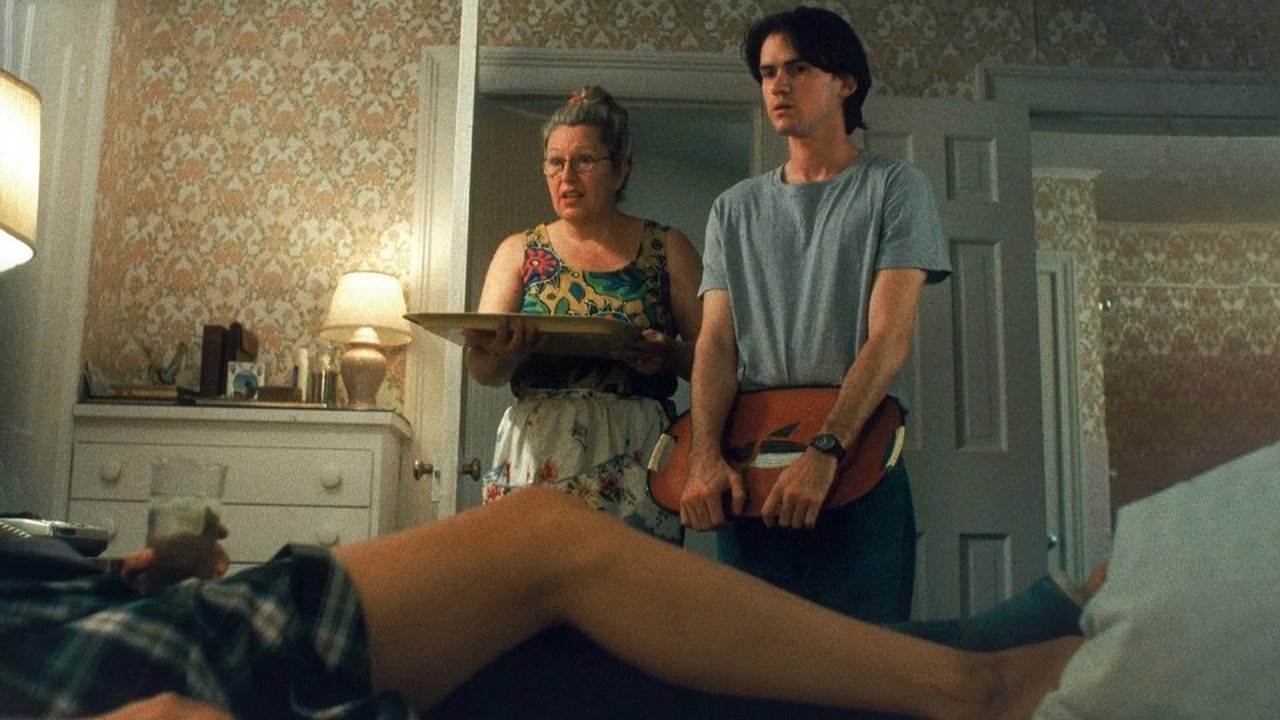
The premise feels deceptively simple, almost mundane. Susan Aibelli (Jeremy Davies), a promising pre-med student, has his summer internship plans derailed when his mother, Katherine (Alberta Watson), breaks her leg in a household accident. His father (Benjamin Hendrickson), a perpetually absent traveling salesman, tasks Susan with staying home to care for her. What unfolds is anything but a typical summer break. Trapped in the sweltering quiet of their suburban home, cut off from his friends and future, Susan finds himself drawn into an increasingly complex and emotionally fraught relationship with his bedridden mother. The air thickens not just with summer humidity, but with unspoken tensions, resentments, and a desperate, misplaced yearning for connection that edges towards the unthinkable.
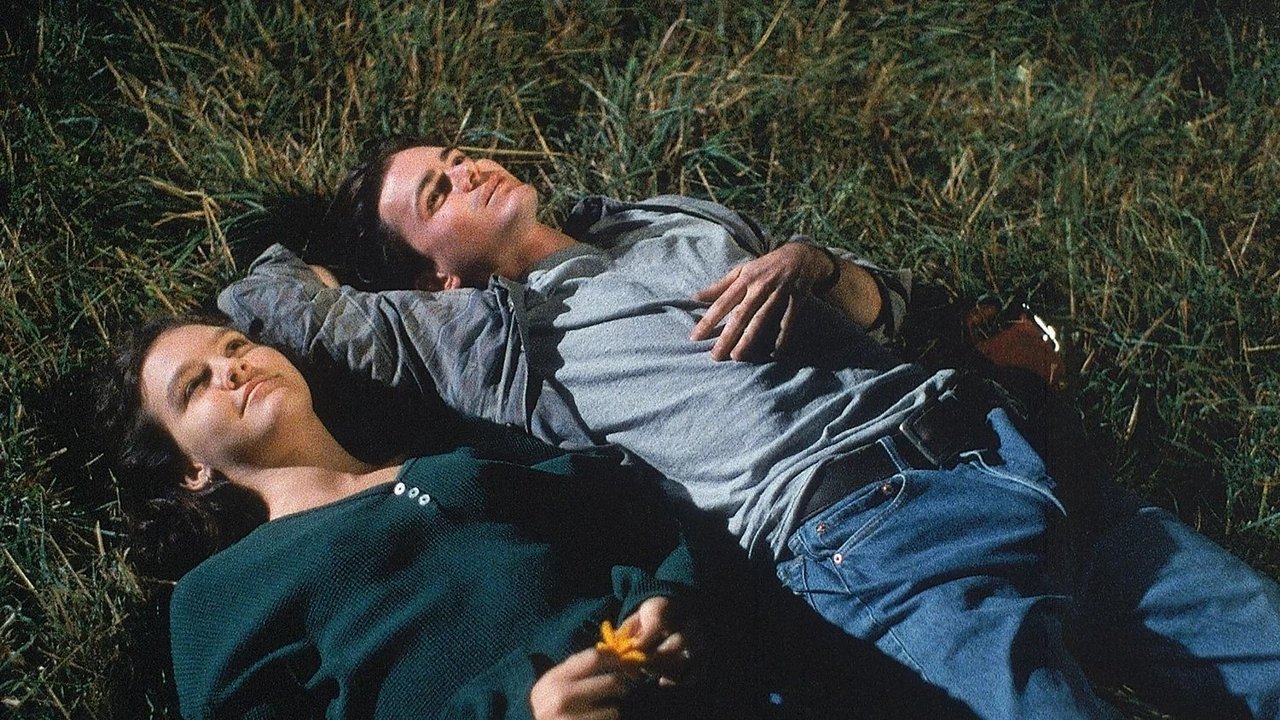
Russell, working with a shoestring budget reported to be around $200,000 (partially scraped together from grants and family help, embodying that true 90s indie spirit), crafts an atmosphere that is almost physically palpable. The house becomes a pressure cooker, the mundane objects within it – the television remote, the pills, the perpetually ringing phone – taking on a loaded significance. There’s a claustrophobia here that goes beyond the physical confines of the setting; it’s the claustrophobia of familial obligation, of secrets simmering beneath a placid surface, and of youthful potential curdling into frustration.
### The Unflinching Gaze of Jeremy Davies
At the absolute center of this storm is Jeremy Davies. In what remains one of the defining performances of his career, Davies embodies Susan with a staggering authenticity. He’s not just playing awkward; he is awkwardness, a jumble of gangly limbs, hesitant speech patterns, and eyes that dart between simmering rage, profound confusion, and a heartbreaking vulnerability. You watch him navigate the increasingly treacherous emotional landscape, his internal turmoil radiating outwards. His interactions with Katherine, played with a captivating blend of maternal neediness, subtle manipulation, and fragile desperation by Alberta Watson, are mesmerizingly uncomfortable. Their dynamic is the film's risky core, handled by Russell not with exploitation, but with a kind of detached, observational honesty that forces the viewer to confront the characters' flawed humanity rather than simply judge them. It’s a testament to both actors that these scenes feel psychologically true, however disturbing the undercurrents.

### Indie Grit and Raw Edges
Spanking the Monkey feels very much like a product of its time – that fertile ground of early 90s independent American cinema where filmmakers tackled challenging subjects with a raw energy often missing from studio pictures. You can see the seeds of Russell's later work here – the interest in volatile family dynamics (The Fighter, Silver Linings Playbook), the blend of dark comedy and intense drama, the focus on characters simmering on the edge. The filmmaking itself has a certain unpolished immediacy, likely born from necessity as much as choice given the budget constraints. The handheld shots, the sometimes abrupt cuts – they contribute to the feeling of unease, mirroring Susan's own fractured state.
One memorable detail, almost darkly comic in its absurdity, is Susan’s recurring conflict with the neighbor's aggressively friendly dog, Amy (a Dalmatian, specifically). This seemingly minor subplot becomes a crucial outlet for his displaced anger and frustration, a tangible target for the rage he can't direct where it truly belongs. It’s a clever piece of writing, adding another layer to his spiraling psyche without hitting the audience over the head. It’s these kinds of specific, observed details that elevate the film beyond mere provocation. Winning the Audience Award at the 1994 Sundance Film Festival certainly signaled that audiences, despite the challenging material, were responding to its raw power and Davies' incredible performance.
### Lingering Discomfort
Is Spanking the Monkey an easy watch? Absolutely not. It pushes boundaries and delves into territory that remains deeply taboo. Its humor, when it appears, is black as pitch, derived from the sheer awkwardness and misery of the situations. Yet, it’s also a film of considerable substance. It asks difficult questions about the nature of desire, the suffocating weight of family expectations, and the desperate lengths people will go to escape loneliness, even if it leads them down destructive paths. What does happen when the normal channels for intimacy and connection are broken or absent? The film doesn't offer easy answers, leaving the viewer with a lingering sense of disquiet long after the credits roll.
For those of us who remember seeking out challenging, offbeat films on VHS, films that felt like discoveries rather than curated products, Spanking the Monkey holds a specific place. It wasn't just shocking; it felt real in its depiction of emotional messiness, even as it ventured into forbidden territory. It's a potent reminder of the risks independent cinema could take in the 90s, and a stunning showcase for a young Jeremy Davies.
Rating: 8/10
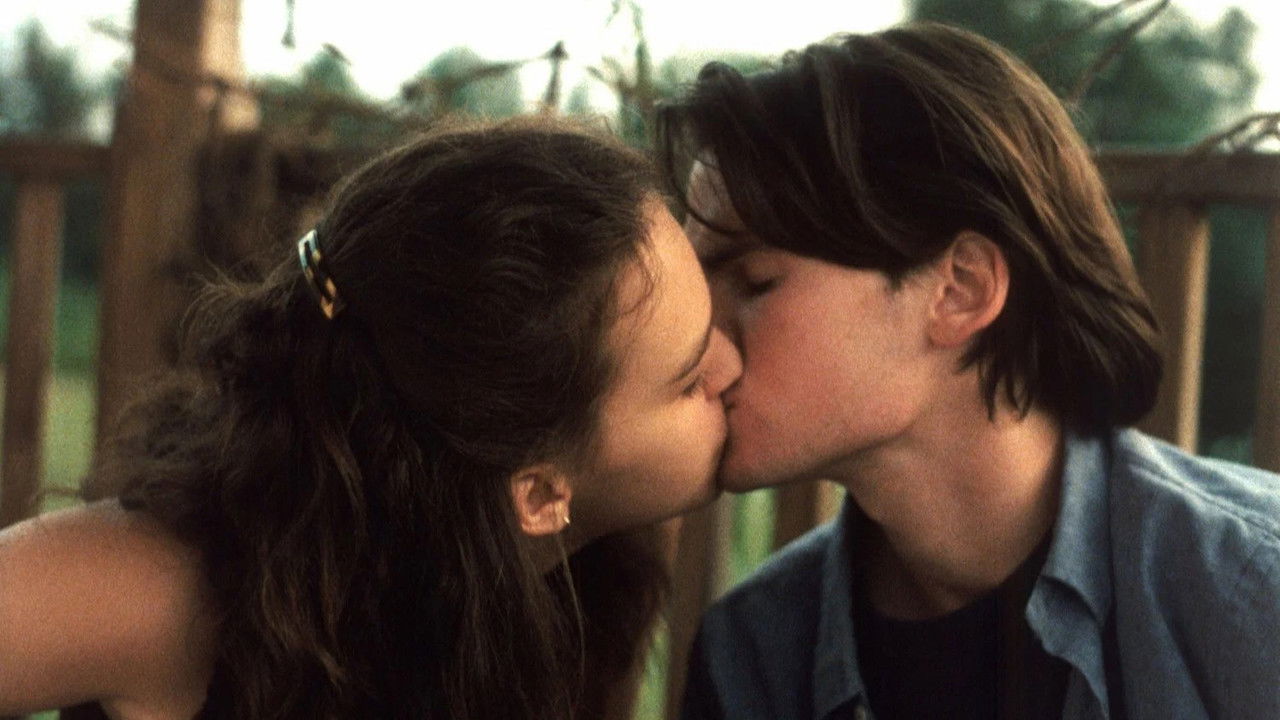
Justification: While undeniably difficult and provocative, Spanking the Monkey is a remarkably assured directorial debut from David O. Russell. Its power lies in its unflinching honesty, the raw and unforgettable central performance from Jeremy Davies, and its ability to create a suffocating, psychologically complex atmosphere on a minimal budget. It tackles its taboo subject matter with seriousness rather than sensationalism, earning its place as a significant, if unsettling, piece of 90s independent cinema. The high rating reflects its artistic boldness and execution, acknowledging that its challenging content might not be for everyone.
Final Thought: This is one of those tapes you might have rented feeling uncertain, and finished watching feeling profoundly disturbed but also strangely compelled – a film that burrows under your skin and stays there.