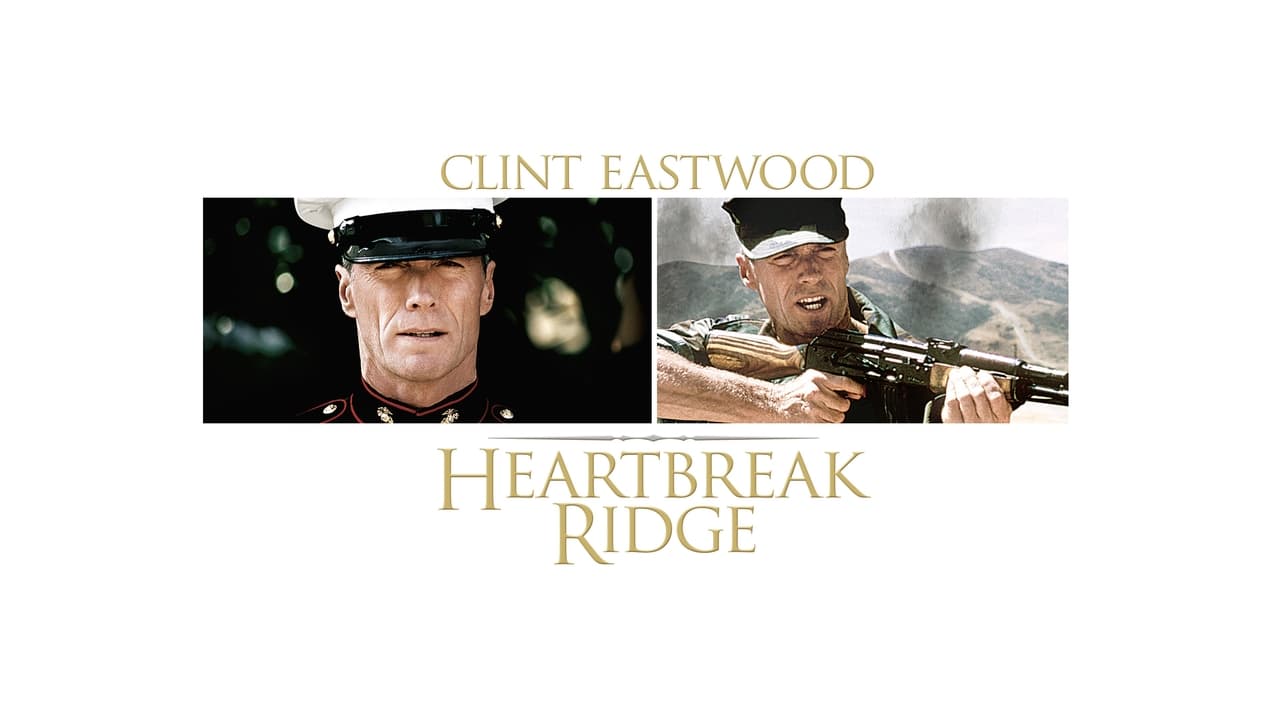
Okay, settle in, maybe crack open a cold one like Gunny Highway might (though probably not while on duty). Let's talk about a film that feels as reliably solid and unapologetically rough-edged as its central star: Clint Eastwood's 1986 military drama, Heartbreak Ridge. This one was a staple on the video store shelves, instantly recognizable with Eastwood’s steely gaze promising… well, promising Eastwood. But there’s a bit more going on under the hood here than just another tough-guy outing.
Facing the Sunset with Gritted Teeth
What strikes me most, watching it again after all these years, isn't just the barrage of wonderfully profane insults or the classic training montages. It's the palpable sense of a man confronting the twilight of his career, both the character and, perhaps, Eastwood himself exploring that theme. We meet Gunnery Sergeant Thomas Highway, a decorated veteran of Korea and Vietnam, essentially put out to pasture in a peacetime Marine Corps he barely recognizes. His methods are antiquated, his attitude clashes with the new, more polished military brass, and his body bears the physical toll of past campaigns. He’s assigned to whip a lazy, undisciplined reconnaissance platoon into shape, a task that feels like one last shot at relevance before the mandatory retirement curtain falls. Doesn't that scenario – the old warrior facing obsolescence – resonate beyond the barracks walls?
Eastwood Being Eastwood, Dialed to Eleven

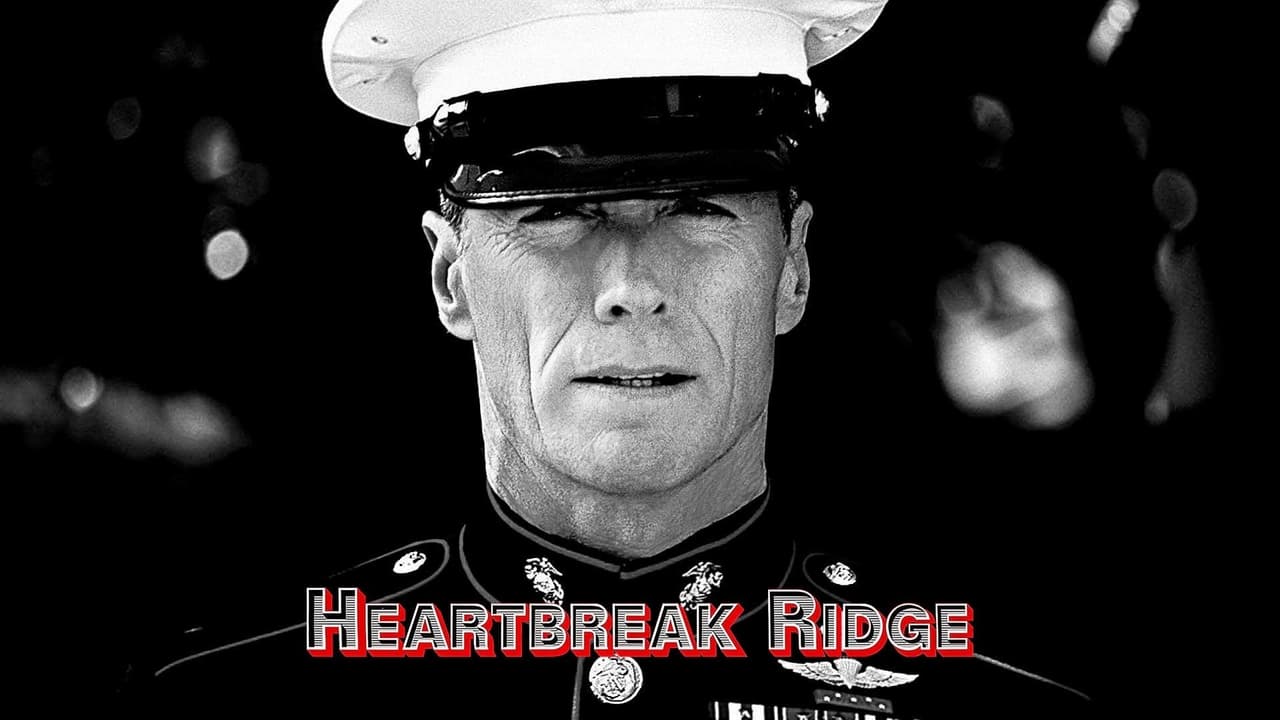
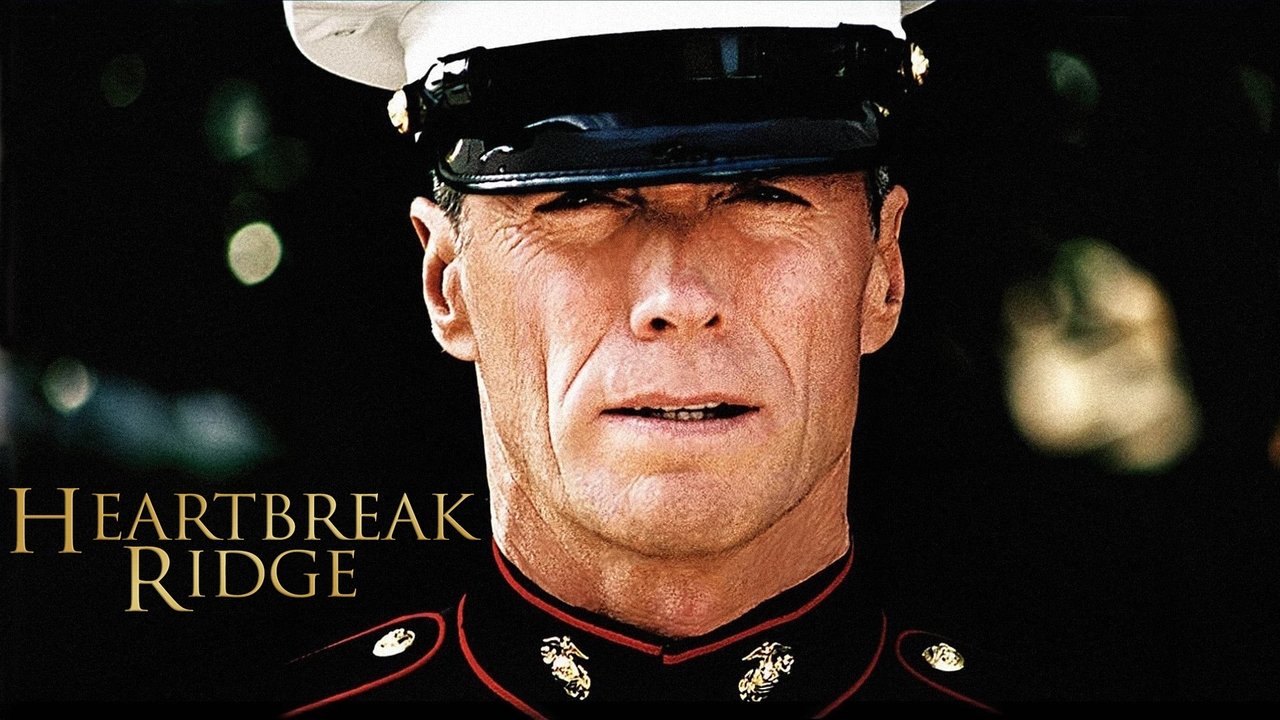
Let's be honest, Clint Eastwood is Heartbreak Ridge. His performance as Gunny Highway is arguably one of his most iconic non-Western, non-Dirty Harry roles. He embodies the grizzled NCO archetype with absolute conviction. The squint, the gravelly voice, the rigid posture – it's all there. But Highway isn't just a caricature. Eastwood layers in a weariness, a sense of loss tied to his past combat experiences (the film's title refers to a brutal Korean War battle that clearly haunts him) and his failed marriage. His interactions with his ex-wife, Aggie (a grounded Marsha Mason, doing her best with a somewhat thankless role), offer glimpses of the man beneath the hardened exterior.
The dialogue is famously salty, packed with creative and often hilarious insults. It’s said that James Carabatsos, the initial screenwriter who served in the Marines, based much of Highway's "colorful" language and training methods on his own drill instructors. This authenticity, however, didn't sit well with everyone. Apparently, the Department of Defense and the Marine Corps initially supported the film, providing access to Camp Pendleton for filming. However, they later publicly distanced themselves, unhappy with Highway’s abrasive methods and, especially, the constant stream of profanity. It’s a classic Eastwood move, really – pushing boundaries and not shying away from portraying a character, warts and all. You have to wonder if that controversy only added to the film's allure back in the VHS days.
Forging Soldiers, 80s Style
The recon platoon starts as a collection of slackers and misfits, more interested in schemes and stereos than soldiering. Mario Van Peebles shines as Corporal "Stitch" Jones, the charismatic, jive-talking musician who becomes Highway’s primary foil and eventual protégé. The transformation of this ragtag group into a cohesive fighting unit is pure 80s movie gold, complete with grueling training sequences set to a driving score. It follows a familiar formula, sure, but Eastwood directs these scenes with efficiency and a clear focus on the dynamic between Highway and his reluctant charges. There's a genuine sense of camaraderie that builds, even amidst the constant verbal abuse. Remember that iconic line, "You improvise. You adapt. You overcome"? While variations existed, this film arguably cemented it in the popular consciousness, becoming an unofficial motto for many Marines long after the credits rolled.
Old School vs. New School
A core conflict revolves around Highway's clash with his spit-and-polish superior, Major Powers (Everett McGill). Powers represents the peacetime, career-focused officer, utterly bewildered and threatened by Highway's unorthodox, combat-proven approach. McGill plays him effectively as an obstacle, though perhaps bordering on caricature at times. This tension underscores the film's central theme: the struggle between battle-hardened experience and bureaucratic procedure. Is there still a place for the old dogs of war in a changing world? The film argues a resounding 'yes', culminating in the platoon's deployment during the real-life 1983 invasion of Grenada.
Action in Grenada, Made on a Budget
The final act shifts from training ground to actual (albeit Hollywood-ized) combat. Filmed primarily on Vieques Island, Puerto Rico, the Grenada sequences deliver the expected action payoff. While perhaps not the most realistic depiction of modern warfare (even for the 80s), it serves its purpose, showcasing the platoon putting Highway’s brutal lessons into practice. It’s interesting to note that the film, made for a reported $15 million, went on to gross over $121 million worldwide – a solid hit that proved Eastwood’s star power remained potent. The action feels functional rather than spectacular, keeping the focus squarely on Highway and his men finally proving their worth.
Still Standing Tall on the Shelf
Heartbreak Ridge isn't aiming for the profound depths of Platoon (also 1986) or the technical gloss of Top Gun (again, '86 – quite a year for military movies!). It’s a character piece wrapped in a military training narrative, powered entirely by Eastwood’s commanding presence. It’s rough, profane, occasionally predictable, and its portrayal of the military certainly ruffled feathers. Yet, there's an undeniable appeal to Gunny Highway, a dinosaur raging against the dying of the light, finding one last moment of purpose. It’s the kind of film that felt perfectly at home on a worn VHS tape – sturdy, reliable, and packing a uniquely Eastwood punch.
Rating: 7.5 / 10
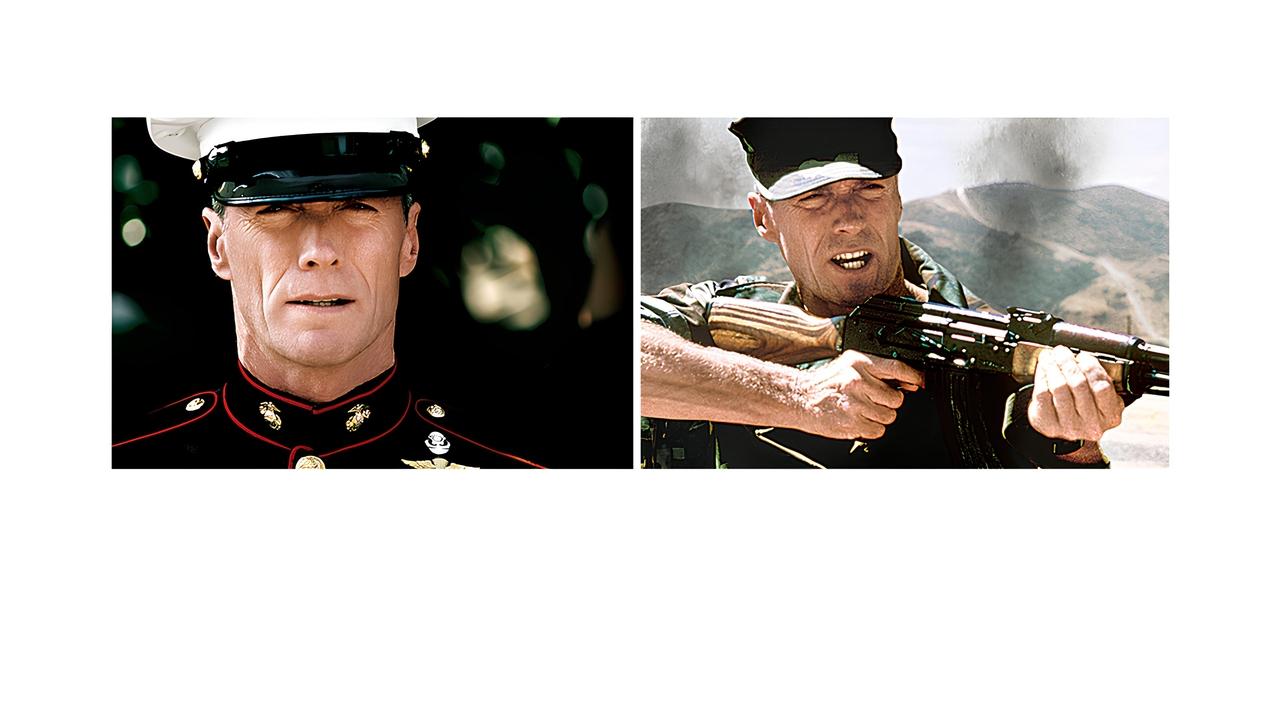
Justification: The film earns its score primarily through Clint Eastwood's defining performance as Gunny Highway, creating a truly memorable character. While the plot follows familiar beats and some supporting elements feel underdeveloped (like the romantic subplot), the sharp dialogue, classic 80s training montage energy, and the sheer force of Eastwood's persona make it a highly entertaining and rewatchable artifact of its time. The controversies surrounding its language and military portrayal only add to its specific legacy.
Final Thought: Even with its flaws, Heartbreak Ridge leaves you with the indelible image of Gunny Highway – a reminder that sometimes, the old ways, however abrasive, still have something vital to teach. You just have to survive the lesson.