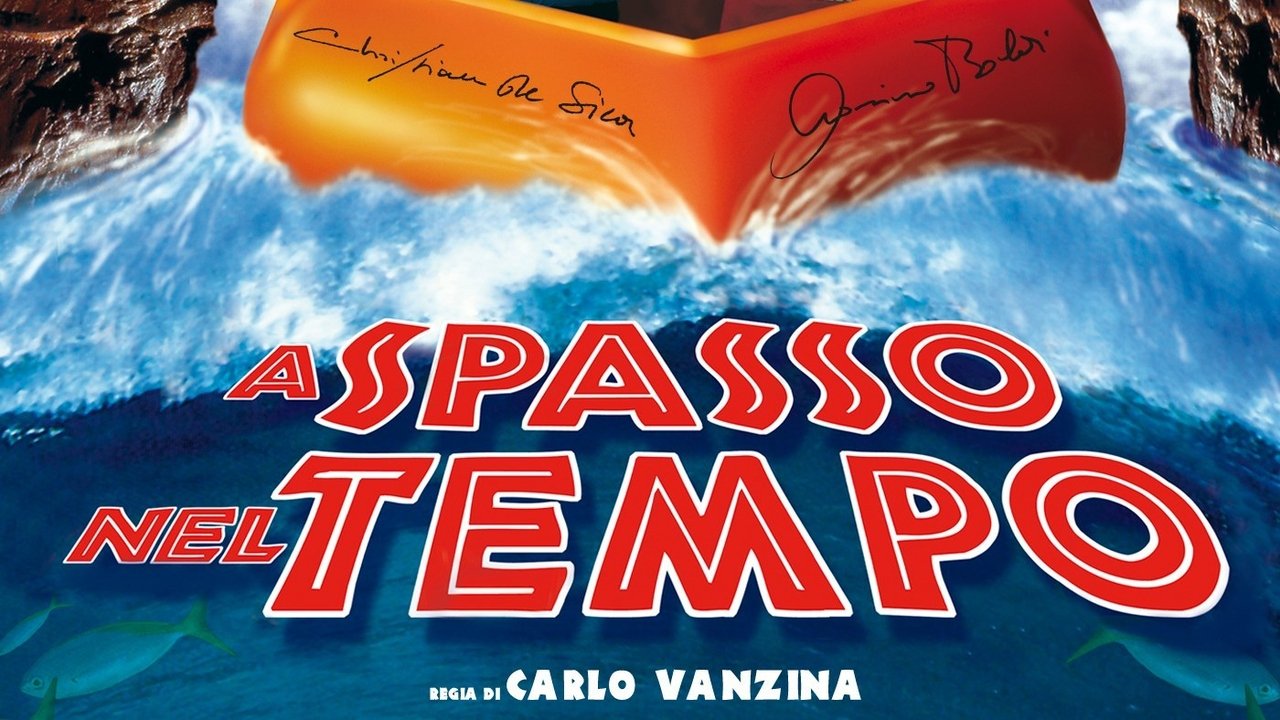
Okay, let's rewind the tape. Remember those Saturday afternoons browsing the aisles of the video store, maybe looking past the big Hollywood hits for something… different? Sometimes you'd stumble onto a cover that just screamed "what IS this?!" and you had to take a chance. For many outside Italy, A Walk in Time (or A spasso nel tempo, its original 1996 title) might have been one of those eyebrow-raising finds, perhaps lurking in the foreign comedy section if you were lucky. But for Italian audiences, this wasn't some obscure oddity; it was a Christmas blockbuster, reuniting one of the nation's most bankable comedy duos for a delightfully absurd trip through the ages.
Time-Tripping Tourists
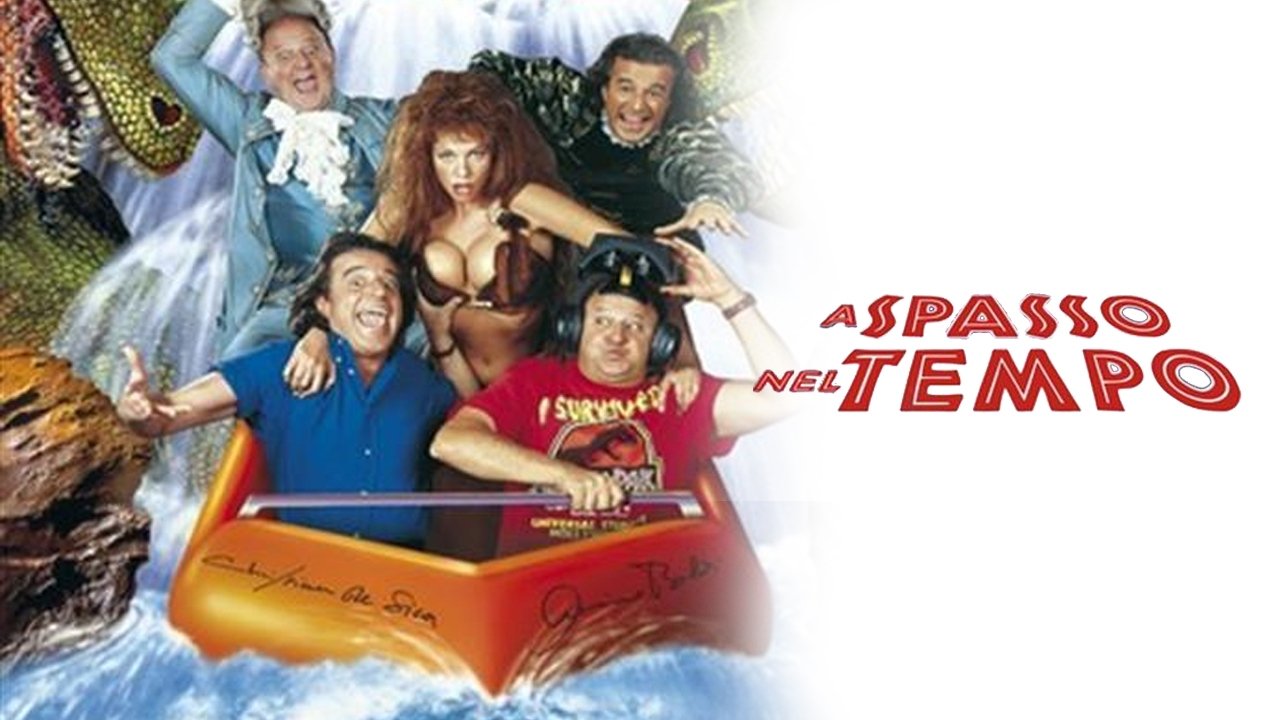
The setup is pure, unadulterated 90s silliness. We meet Ascanio (the legendary Christian De Sica, son of cinematic royalty Vittorio De Sica) and Walter (Massimo Boldi, De Sica's long-time comedic partner-in-crime), two perpetually hapless Italian tourists doing the rounds at Universal Studios Hollywood. Think of them as a kind of Roman Abbott and Costello, dialed up with extra espresso. During the Back to the Future ride – yes, you read that right – a convenient glitch sends our bumbling heroes careening through history. One minute they're dodging fake explosions in Hill Valley, the next they're face-to-face with dinosaurs.
This film is pure Vanzina brothers magic – or madness, depending on your taste. Directed by Carlo Vanzina and co-written with his brother Enrico Vanzina (the minds behind countless Italian comedy hits, including the iconic Vacanze di Natale series), A Walk in Time embodies the cinepanettone spirit: broad, loud, gag-filled comedies released specifically for the Christmas season in Italy. These weren't aiming for high art; they were aiming for packed cinemas and big laughs, often relying heavily on the established chemistry of their leads and a whirlwind pace.
A Chaotic Cavalcade Through History
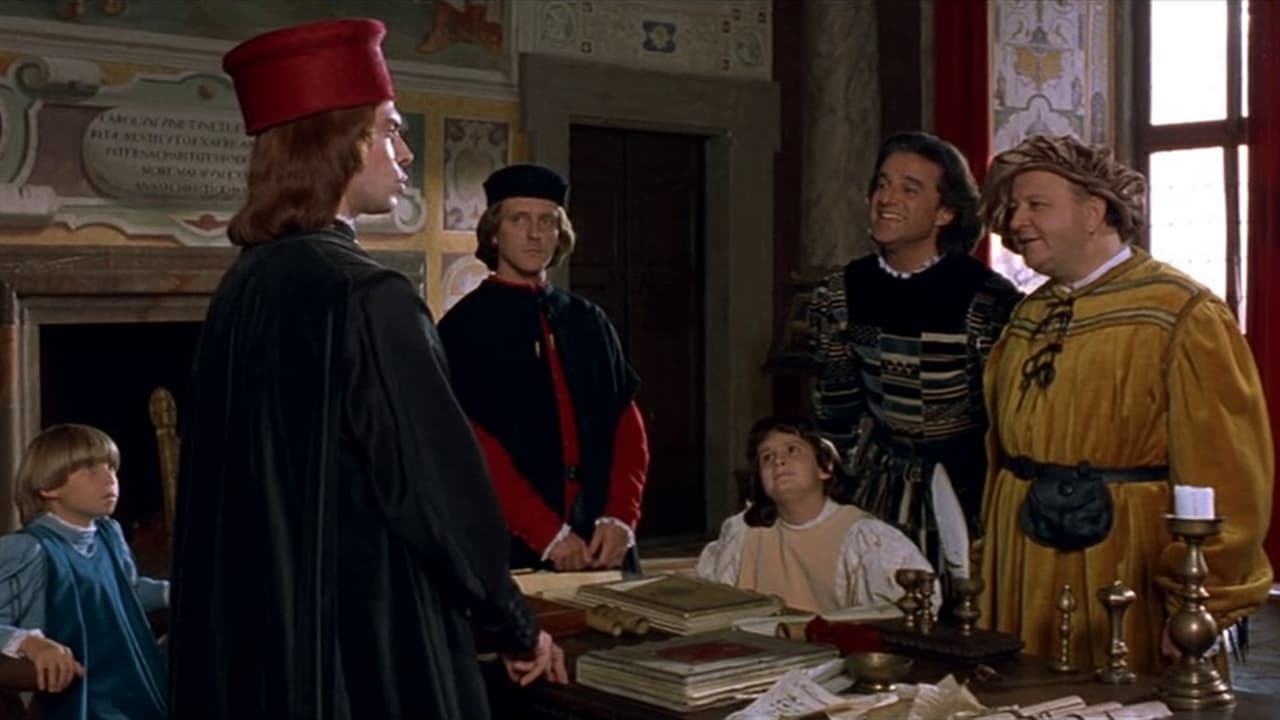
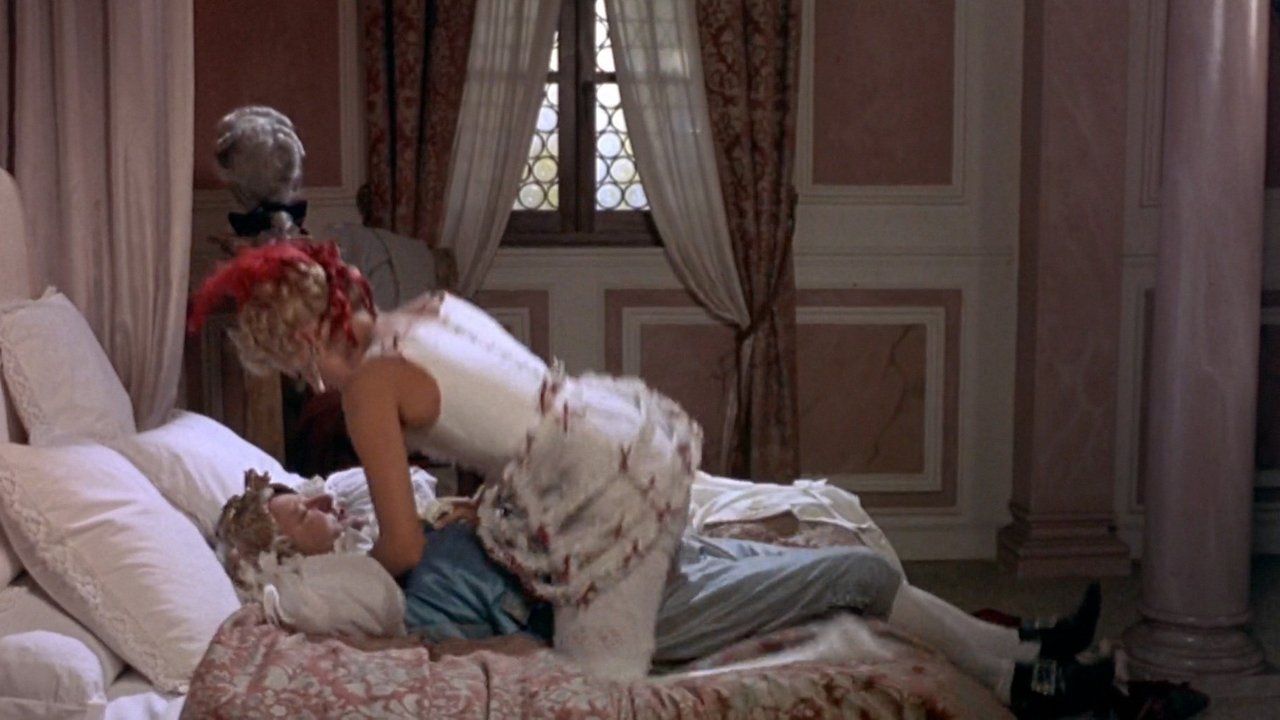
What follows is less a coherent plot and more a series of comedic vignettes stitched together by the time travel premise. De Sica and Boldi crash through prehistoric times (cue caveman slapstick), rub shoulders with Michelangelo in Renaissance Florence (cue predictable misunderstandings about art and anatomy), find themselves amidst flower power hippies in 1960s Venice, and even stumble into the grim realities of World War II Normandy (which takes a surprisingly dark, albeit brief, turn before snapping back to comedy).
The humour is broad, relying on physical comedy, cultural clashes, and the sheer bewildered panic of our protagonists. It's the kind of film where historical accuracy is gleefully thrown out the window in favour of the next gag. Remember how impressive even simple time-travel effects seemed back then? The transitions here aren't exactly Terminator 2's liquid metal, more like flashy wipes and sound effects, but they have that distinct 90s charm. It felt perfectly acceptable on a fuzzy CRT screen after adjusting the tracking. A key Retro Fun Fact: much of the Universal Studios footage, including the iconic Hill Valley courthouse square and the DeLorean itself, wasn't just a background element; it was integral to the plot setup. They literally weaponized a theme park ride for exposition!
An Unexpected Disney Legend
The real surprise here, especially for non-Italian viewers who might have stumbled upon this tape, is the appearance of Dean Jones. Yes, the Dean Jones, star of beloved Disney classics like The Love Bug (1968) and That Darn Cat! (1965)! He pops up as Professor Mortimer, the eccentric scientist responsible (sort of) for their temporal predicament. It's a relatively small role, likely filmed quickly during the Universal Studios shoot, but seeing Herbie's driver interacting with these manic Italian comedians is a delightful piece of cross-cultural casting nobody saw coming. It’s a Retro Fun Fact gem that Jones, already a screen veteran, brought a touch of Hollywood familiarity to this very Italian production. One wonders how the offer came about – perhaps his agent just saw "Hollywood filming" and signed him up for a quick payday between other projects?
The Vanzina Stamp and VHS Appeal
The Vanzina brothers had a knack for tapping into the Italian popular consciousness, creating films that, while often critically dismissed, became massive commercial successes. A Walk in Time was no exception, performing strongly at the Italian box office and even spawning a direct sequel, A spasso nel tempo – L'avventura continua (1997), the very next year.
Watching it now, the film feels undeniably like a product of its time. The pacing is frantic, the jokes are hit-or-miss (and some definitely haven't aged well), and the production relies more on the energy of its stars and the novelty of its locations than on sophisticated filmmaking. But there's an undeniable energy to it. De Sica and Boldi have a specific comedic rhythm, honed over years of working together, that powers the film through its episodic structure. It feels like controlled chaos, captured on film. There’s a certain raw quality, before digital smoothing took over, where the sets feel tangible and the reactions, however broad, feel genuinely performed.
Rating & Final Rewind:
6/10
Justification: This rating reflects the film's specific appeal. For fans of 90s Italian comedy or the De Sica/Boldi duo, it’s a nostalgic blast of chaotic energy and familiar faces. The premise is fun, the use of Universal Studios is clever, and Dean Jones' cameo is a genuine curio. However, the humour is very broad, the plot is threadbare, and its appeal might be limited outside its target audience. It earns points for sheer 90s Italian blockbuster audacity and its surprisingly enduring place in its specific cultural niche.
Final Comment: A Walk in Time is like finding that weird foreign candy bar at the back of the import store – maybe not gourmet, definitely an acquired taste, but delivering a uniquely sugary, frantic rush that feels utterly specific to its time and place. A goofy, loud, time-hopping espresso shot straight from the mid-90s Italian cineplex, best enjoyed with low expectations and a high tolerance for silliness.