It’s funny how some movie memories lodge themselves firmly in your heart, isn’t it? Not necessarily the explosive blockbusters, but the quieter, gentler tales that offered a different kind of wonder. Such is the case with 1987’s *batteries not included, a film that felt like discovering a secret miracle tucked away in the urban sprawl, beamed directly onto our CRT screens via a well-loved VHS tape. This wasn't born from a grand sci-fi concept, but rather blossomed from an idea originally slated for Steven Spielberg's Amazing Stories anthology series – a fact that instantly explains its blend of everyday struggle and extraordinary fantasy.
### Hope Arrives on Tiny Wings
The premise itself is pure Amblin-esque magic dropped into gritty reality. We find ourselves in a dilapidated East Village tenement building, its few remaining residents facing eviction by ruthless developers. At the heart of this dwindling community are Frank and Faye Riley, played with unforgettable warmth and weary resilience by the legendary husband-and-wife duo Hume Cronyn and Jessica Tandy. Their chemistry is the film’s anchor, a portrayal of enduring love amidst hardship that feels utterly genuine. Faye’s gentle descent into dementia is handled with sensitivity, while Frank’s quiet determination to protect their home resonates deeply. They’re joined by a small band of holdouts: the gentle artist Mason (Dennis Boutsikaris), the pregnant Marisa (Elizabeth Peña), and the former boxer Harry (Frank McRae), each adding their own distinct flavor to this microcosm of defiance.
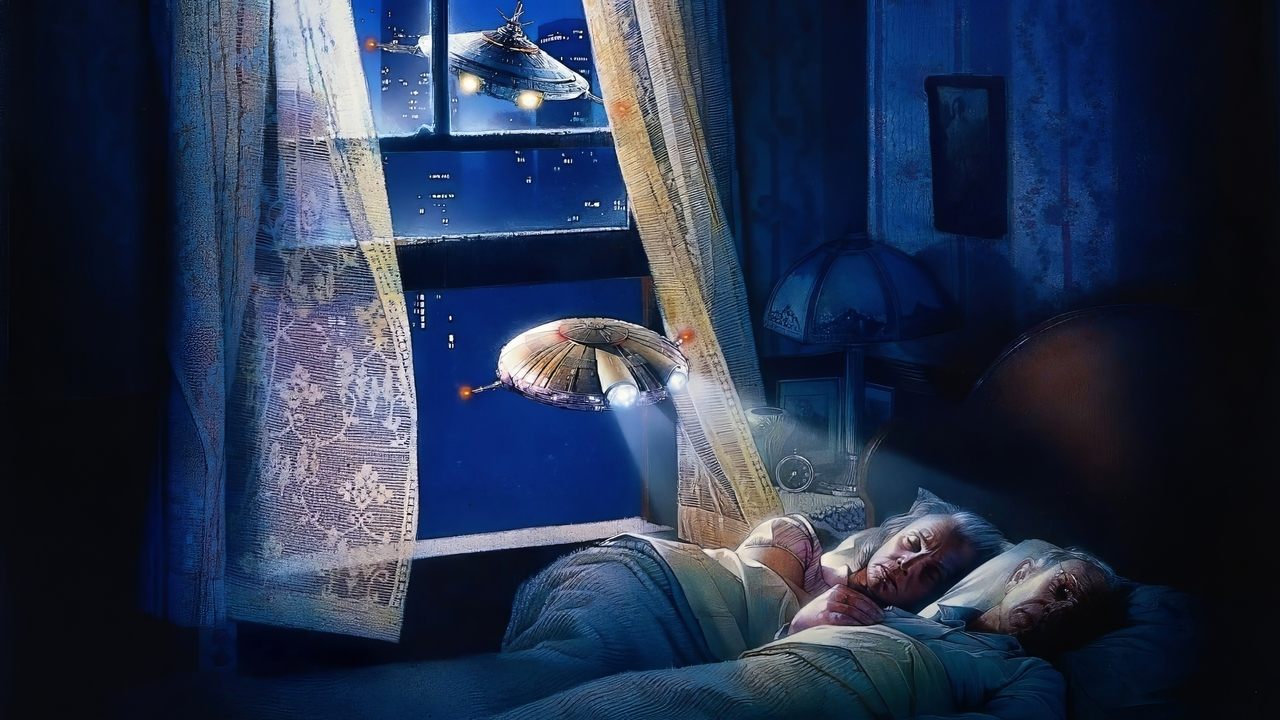
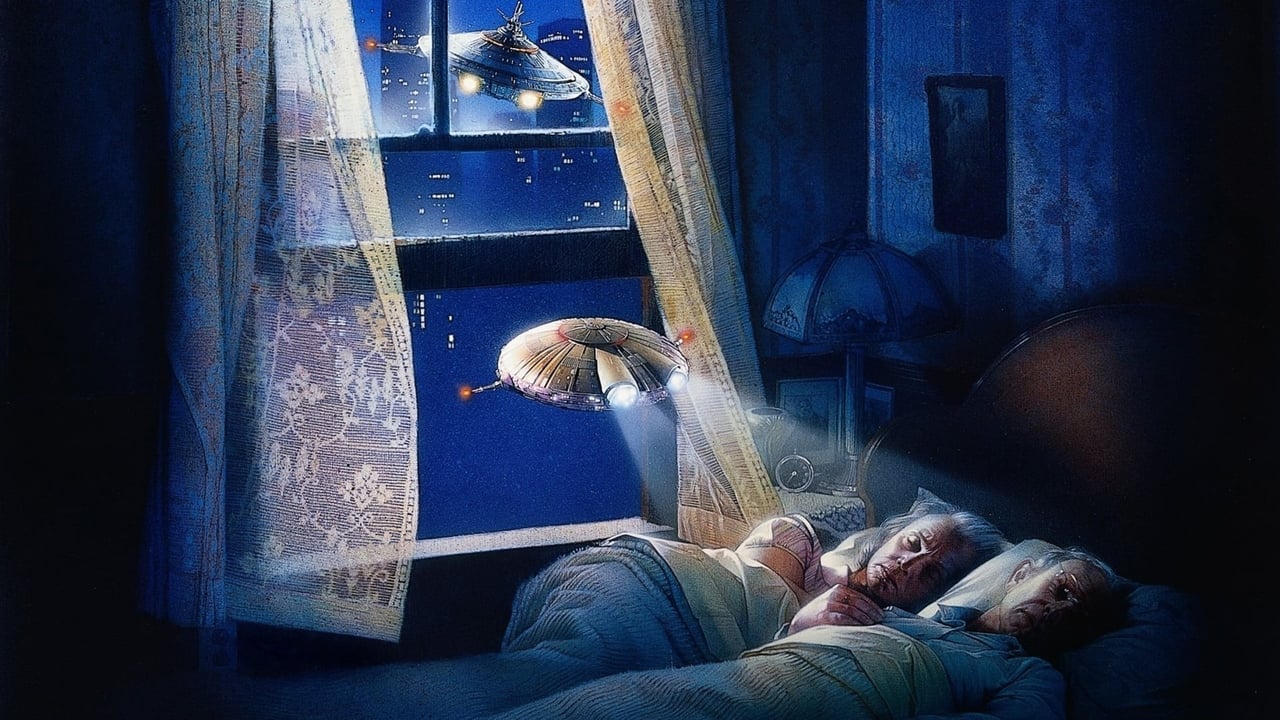
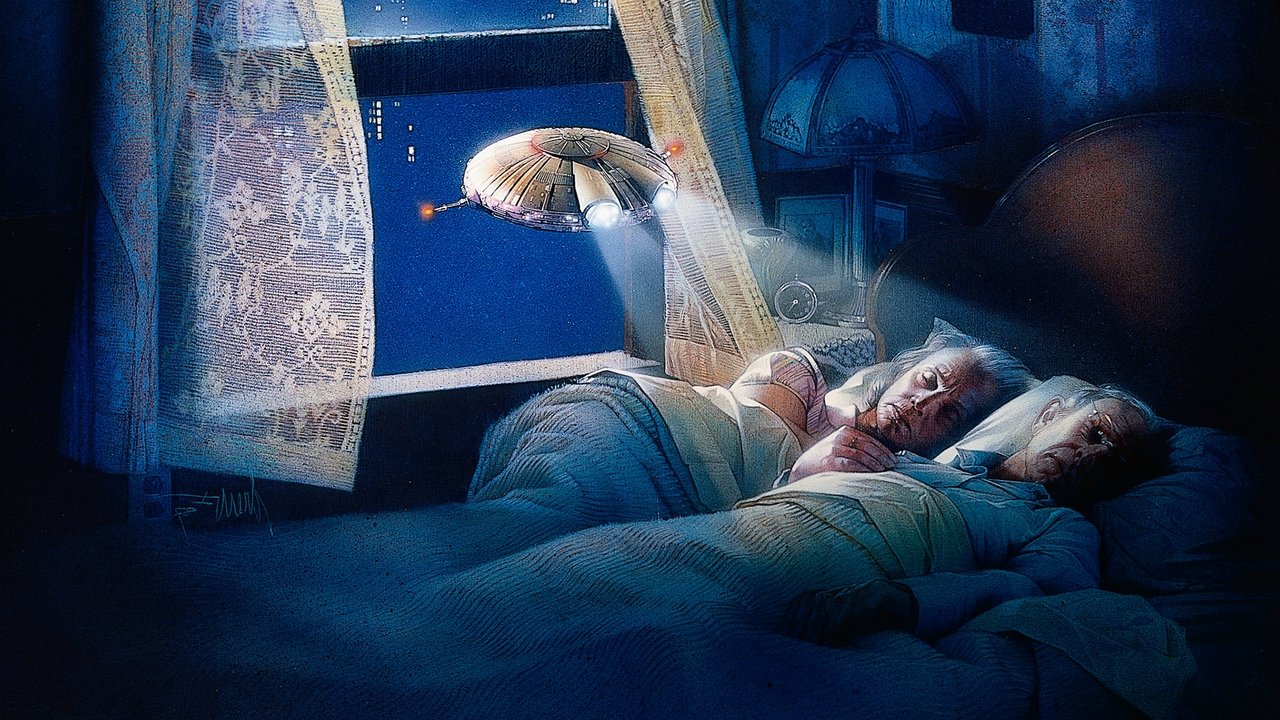
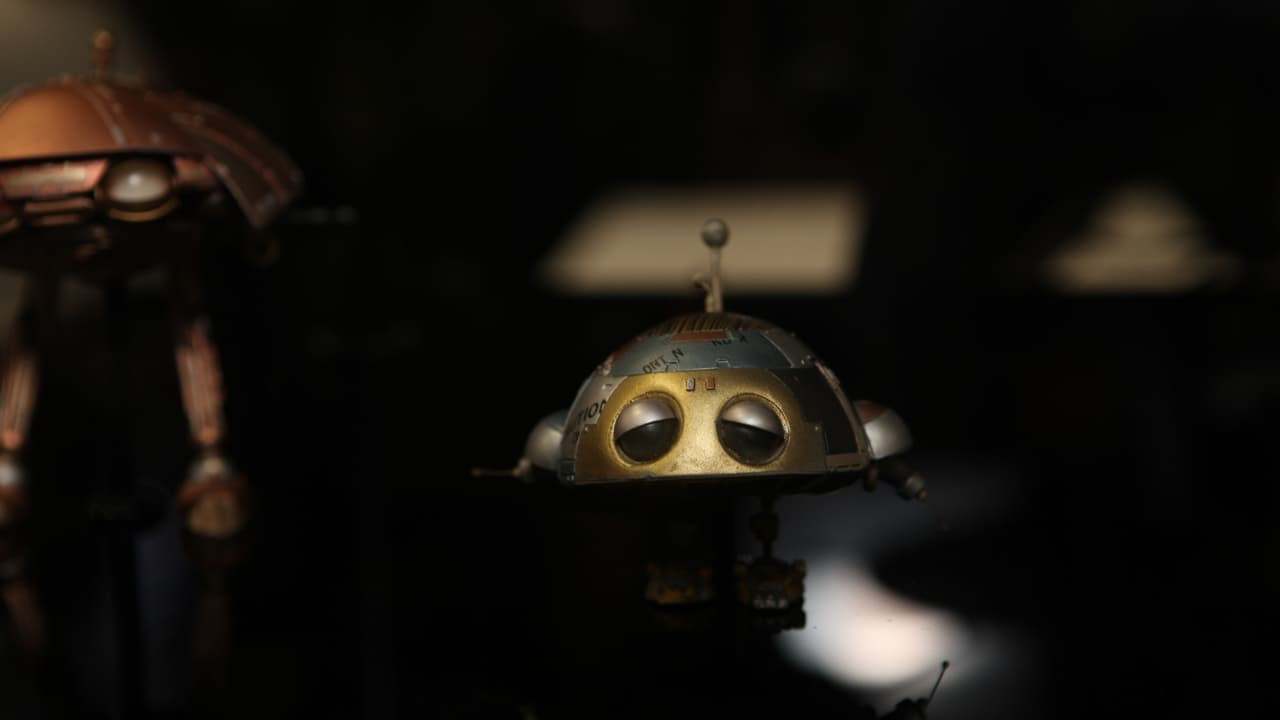
Just when things seem utterly hopeless, something incredible happens. Tiny, living spaceships – affectionately nicknamed "Fix-Its" – arrive through an open window. These aren't invaders, but mechanical angels, zipping around repairing broken appliances, plastering walls, and generally breathing life back into the decaying building. It’s a wonderfully whimsical concept, brought to life with the kind of practical effects wizardry that defined the era.
### The Magic Behind the Machines
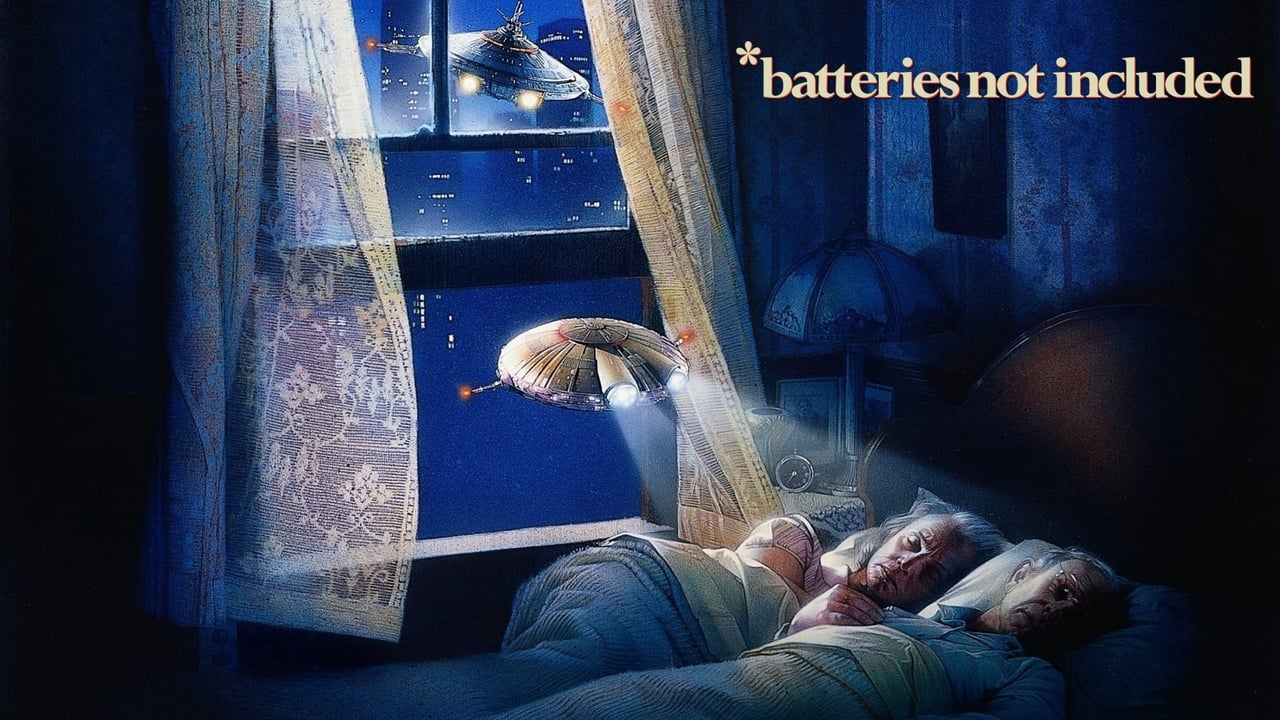
Let's talk about those delightful little visitors. In a time before CGI dominated, the creation of the Fix-Its was a marvel of ingenuity handled by the wizards at Industrial Light & Magic (ILM). Intricate models, puppetry, and stop-motion animation gave these characters tangible weight and personality. You could almost feel the whirring gears and clicking mechanisms. There’s a charming clumsiness to their movements, a distinct visual language that communicates their curiosity and benevolence far more effectively than any dialogue could. I remember being completely mesmerized, desperately wishing a pair would show up to fix my perpetually tangled cassette tapes or maybe just tidy my room.
The film was directed by Matthew Robbins, who had previously helmed the darker fantasy Dragonslayer (1981). Here, he showcases a lighter touch, balancing the fantastical elements with the very real human drama. The script itself has a fascinating pedigree, with contributions from Robbins, Brad Bird (yes, that Brad Bird, future director of Pixar classics like The Incredibles and Ratatouille!), Brent Maddock & S.S. Wilson (the minds behind Short Circuit and Tremors), and Mick Garris (known for his horror work like Critters 2 and Sleepwalkers). It's quite the collection of talent, and perhaps explains the film's unique blend of heart, humor, and slightly quirky sci-fi.
### More Than Just Nuts and Bolts
While the plot – tenants vs. greedy developer – is straightforward, even a little thin by today's standards, the film's strength lies elsewhere. It’s about community, finding hope in the darkest corners, and the simple magic of kindness, both human and extraterrestrial. It tackles themes of aging, displacement, and the importance of preserving history and connection in the face of relentless "progress." The score by James Horner (who gave us the soaring music for Aliens and later Titanic) perfectly complements the mood, adding layers of wonder and emotion.
It’s fascinating to look back at its reception. Produced for around $32.9 million, *batteries not included brought in a respectable $65.1 million worldwide. Not a runaway smash, perhaps, but a solid performer that found its true home on video shelves. It became one of those films you’d rent repeatedly, a comfort watch that always delivered a warm, fuzzy feeling. It’s the kind of film that might seem a bit quaint now, its pacing gentler, its conflicts simpler than much of modern fantasy. But that's precisely its charm. It doesn't rely on bombast; it relies on heart.
### Finding the Fix-Its Again
*batteries not included remains a lovely piece of 80s nostalgia. The practical effects hold up remarkably well, possessing a tactile charm that CGI often lacks. The performances, particularly from Cronyn and Tandy, are deeply affecting. It’s a film that reminds us that wonder can appear in the most unexpected places, even a run-down building on the verge of demolition. It might not be the most complex story ever told, but its sincerity and gentle spirit are undeniable. It captures that specific Amblin magic – finding the extraordinary in the ordinary – with real tenderness.
VHS Heaven Rating: 7/10
Justification: While the plot is somewhat predictable and the villain fairly one-dimensional, the film earns its points through sheer heart, the wonderful performances by Hume Cronyn and Jessica Tandy, the delightful practical effects work on the Fix-Its, and its enduring, gentle charm. It's a warm hug of a movie from a bygone era.
It's a testament to the simple power of hope and a reminder that sometimes, the best solutions arrive in the smallest, most unexpected packages – no assembly required.