Okay, pop that tape in, hit play, and maybe adjust the tracking just a tad. Tonight on VHS Heaven, we're diving headfirst into the glorious, anarchic chaos that is Gremlins 2: The New Batch (1990). Forget subtlety, forget the cozy small-town dread of the original. This isn't just a sequel; it's a full-blown, Zucker-Abrahams-Zucker-meets-Looney-Tunes-meets-monster-movie mutation, beamed directly from the wonderfully weird brain of director Joe Dante. And honestly? It’s kind of miraculous it even exists.
### Anything But More of the Same
Remember how long it took for a Gremlins sequel to happen? Six years! Warner Bros. was desperate, but Joe Dante, who gave us the original Gremlins (1984) and the equally subversive The 'Burbs (1989), wasn't keen on just repeating himself. Legend has it, he only agreed to return if they gave him complete creative control. They said yes, handed him a hefty budget (around $50 million – a big jump from the original's $11 million!), and basically let him run wild in the cinematic equivalent of a high-tech candy store. The result? One of the most delightfully unhinged studio blockbusters of the era.
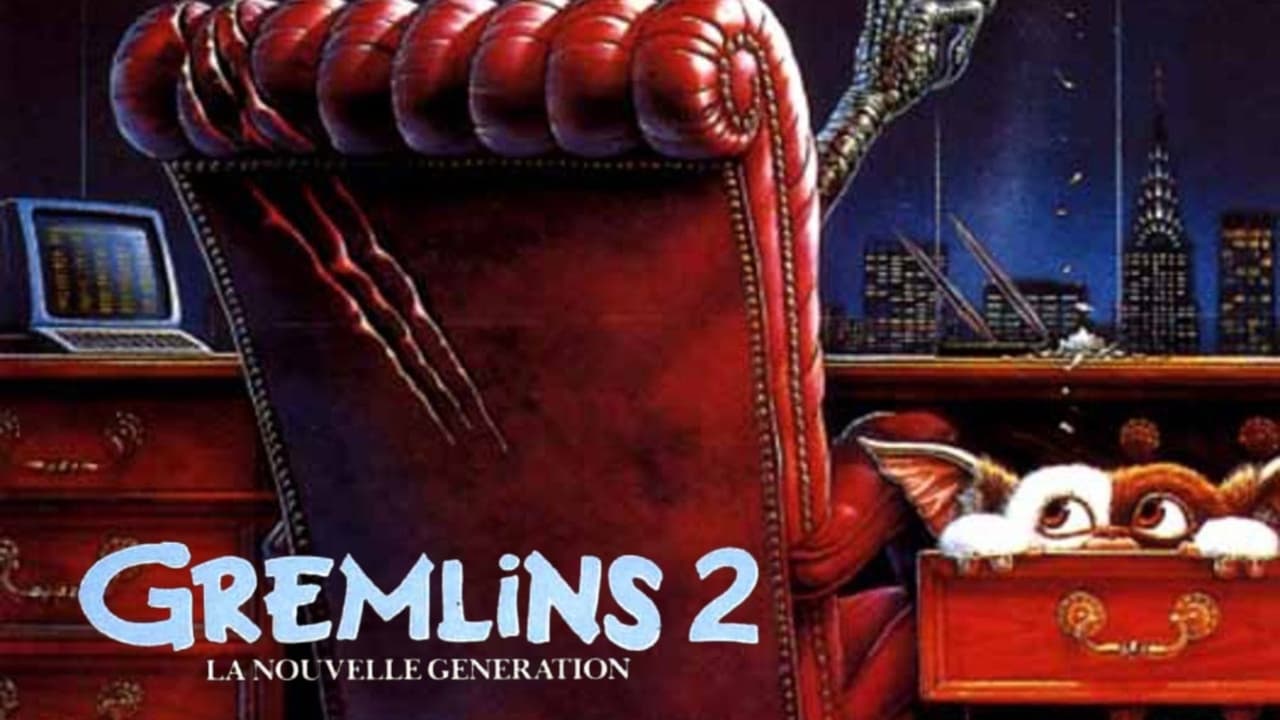
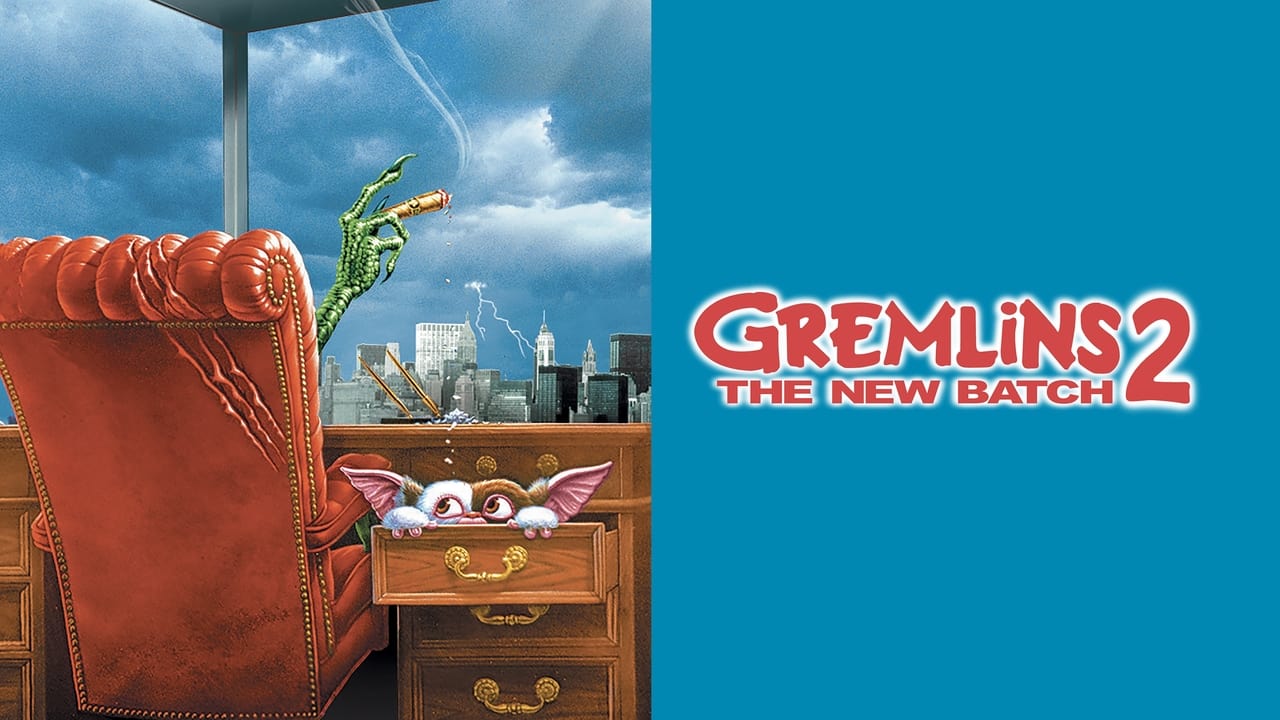
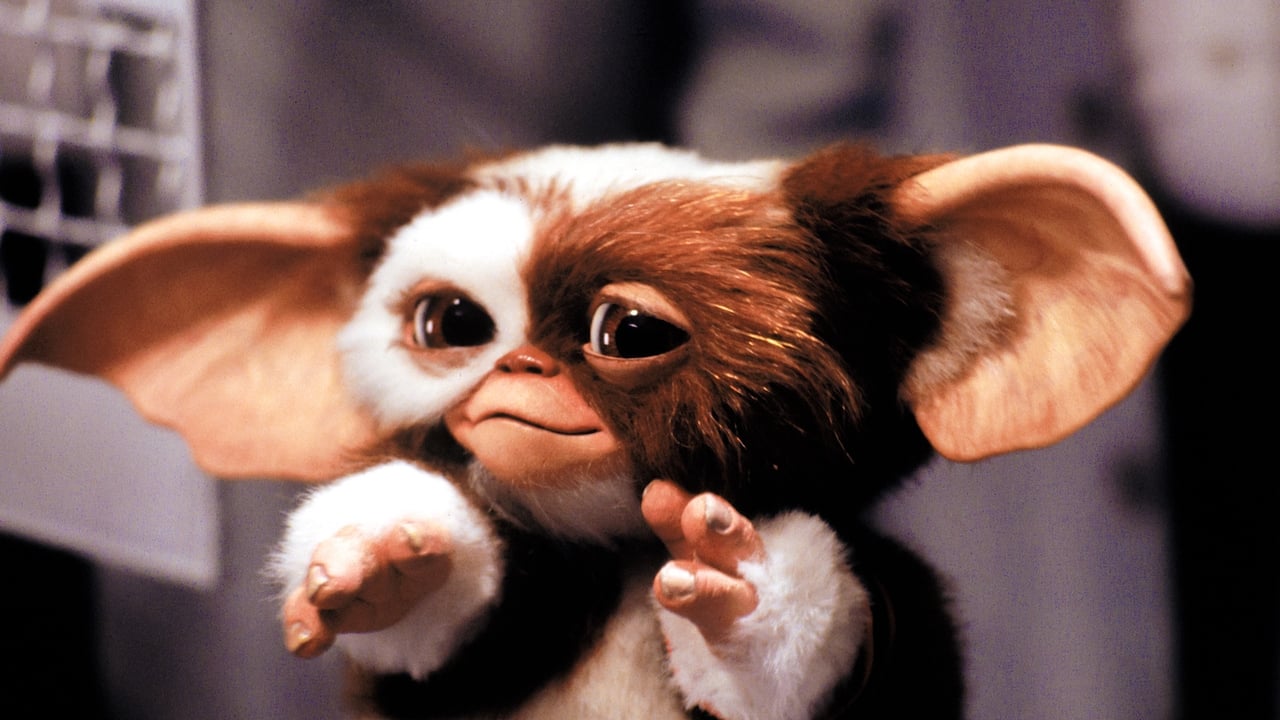
Instead of Kingston Falls, we're thrown into the gleaming, hyper-modern Clamp Tower in New York City, a technological marvel run by the cheerfully egomaniacal tycoon Daniel Clamp (John Glover, in a career-highlight performance that perfectly skewers the billionaire developers of the time). Our old pals Billy Peltzer (Zach Galligan) and Kate Beringer (Phoebe Cates) now work within this corporate monolith. And wouldn't you know it, through a series of only-in-the-movies contrivances, Gizmo ends up in the Clamp building's genetics lab. Cue water, cue midnight snacks, cue absolute pandemonium.
### Unleashing the Practical Effects Zoo
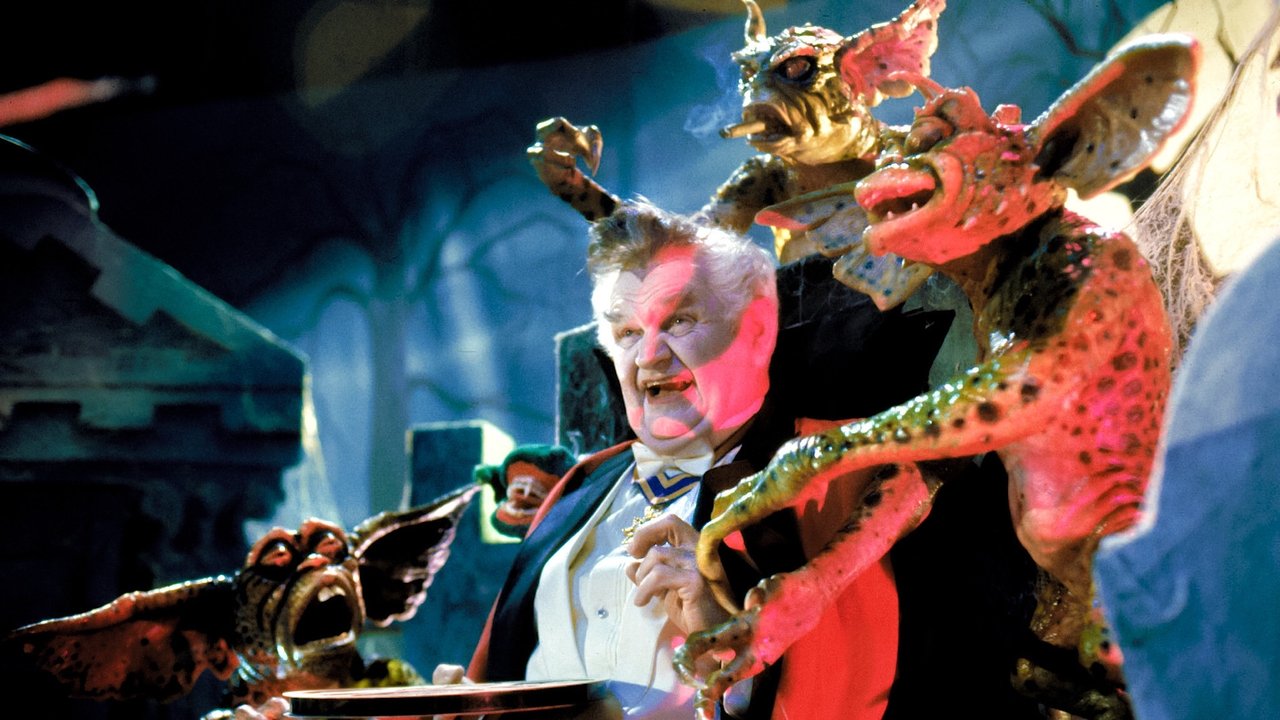
Let's talk Gremlins. The first movie gave us stripe and his gang, menacing and mischievous. The New Batch, thanks to the genius of effects maestro Rick Baker (taking over from the first film's Chris Walas), gives us... well, everything. Forget a homogenous horde; this is a veritable explosion of creature design, all brought to life with stunning practical effects. We get the intelligent, eloquent Brain Gremlin (voiced by Tony Randall!), the screeching Bat Gremlin, the genuinely unnerving Spider Gremlin, the electric Gremlin, the leafy Vegetable Gremlin, and even the vampy Greta Gremlin.
Watching it now, especially on a slightly fuzzy VHS transfer, the tangibility is incredible. These aren't smooth digital sprites; they're puppets, animatronics, gooey, snarling things interacting with the real world. Remember how real those transformations looked? The bubbling, the contorting – it felt visceral in a way CGI often struggles to replicate. The sheer complexity of operating dozens of these puppets simultaneously, often involving multiple operators per creature, was a monumental task. Baker’s workshop reportedly went into overdrive, pushing the boundaries of animatronics and puppetry for the time. The "action" here isn't about choreographed fights; it's about pure, destructive, inventive mayhem orchestrated with rubber, latex, and sheer ingenuity.
### Satire Sharper Than a Gremlin's Tooth
While the Gremlin chaos is the main event, Dante and writer Charles S. Haas use Clamp Tower as a shooting gallery for satirical potshots. Corporate culture, genetic engineering, cable television, architecture, even movie criticism itself (poor Leonard Maltin!) – nothing is safe. John Glover’s Clamp isn't truly villainous, just dangerously ambitious and hilariously self-absorbed, a perfect encapsulation of late-80s/early-90s excess. Supporting players like the ever-intense Robert Picardo as Clamp’s head of security and the legendary Christopher Lee as the wonderfully named Dr. Cushing Catheter add layers of eccentric fun. Lee’s casting, of course, was a delightful nod to his Hammer Horror legacy, bringing a touch of classic horror gravitas to the mad science proceedings.
The film is relentlessly meta, constantly winking at the audience. Remember that brilliant gag specifically designed for the home video release? Where the Gremlins seemingly take over your VCR, messing with the tape before cutting to John Wayne? Pure genius, and something uniquely tailored to the VHS experience we all remember. It felt like they were invading your living room!
### A Glorious Anomaly
Gremlins 2 wasn't the smash hit the studio likely hoped for, pulling in around $41.5 million domestically against its $50 million budget. Audiences and critics at the time seemed a bit baffled; it wasn't the straightforward horror-comedy of the original. It was weirder, smarter, more self-aware, and maybe less concerned with scares than with sheer anarchic glee. But oh, how it found its audience on VHS and cable. It became a cult favorite, appreciated precisely because it dared to be so different, so packed with gags, references, and those incredible practical creature effects.

Rating: 9/10
This score reflects the film's audacious creativity, its mastery of practical effects, its sharp satire, and its sheer rewatchability. It loses a point perhaps only because the human plot sometimes feels secondary to the Gremlin onslaught, but that's arguably the point. Joe Dante took the studio's money and delivered not just a sequel, but a gleeful deconstruction of sequels, blockbusters, and late-century culture, all wrapped up in a package of monster mayhem.
Final Thought: Gremlins 2: The New Batch is a chaotic miracle of the VHS era – a big-budget studio film allowed to be utterly, gloriously strange, fueled by practical magic that still pops today. It’s less a sequel, more a brilliant, caffeine-fueled mutation that could only have happened then. Fire it up; the mayhem holds up beautifully.