There’s a certain weight some VHS tapes carried, wasn't there? Not just the physical heft of the cassette in its slightly worn clamshell case, but the gravity of the story held within. Cry Freedom (1987) was one of those tapes. Renting it felt less like grabbing weekend entertainment and more like undertaking an assignment – an important, necessary one. It promised a story that mattered, a glimpse into a struggle that felt worlds away yet demanded our attention, broadcast onto our flickering CRT screens.

The film, directed by Richard Attenborough – a man who certainly knew his way around the biographical epic after the monumental success of Gandhi (1982) – confronts us immediately with the stark realities of apartheid-era South Africa. It does so through the initially skeptical eyes of white liberal journalist Donald Woods, portrayed with earnest conviction by Kevin Kline. Woods, comfortable in his assumptions, begins to investigate Steve Biko, a charismatic and influential Black Consciousness leader the government has silenced with a "banning" order.
A Voice That Couldn't Be Banned
What unfolds is a powerful depiction of an unlikely friendship and a political awakening. The film truly ignites whenever Denzel Washington is on screen as Steve Biko. It’s a performance that burns with intelligence, charisma, and righteous anger – a portrayal that feels less like acting and more like channeling. Watching it again now, knowing this was the role that earned Washington his first Academy Award nomination (for Best Supporting Actor), feels entirely inevitable. He embodies Biko's philosophy – the call for Black South Africans to reclaim their identity and self-worth – with such clarity and force that you understand immediately why the state feared him so profoundly. There’s a scene where Biko explains Black Consciousness to Woods, patiently dismantling the ingrained prejudices, and it’s utterly captivating. Washington reportedly immersed himself in research, meeting those who knew Biko, capturing not just the man's ideas but his very essence.
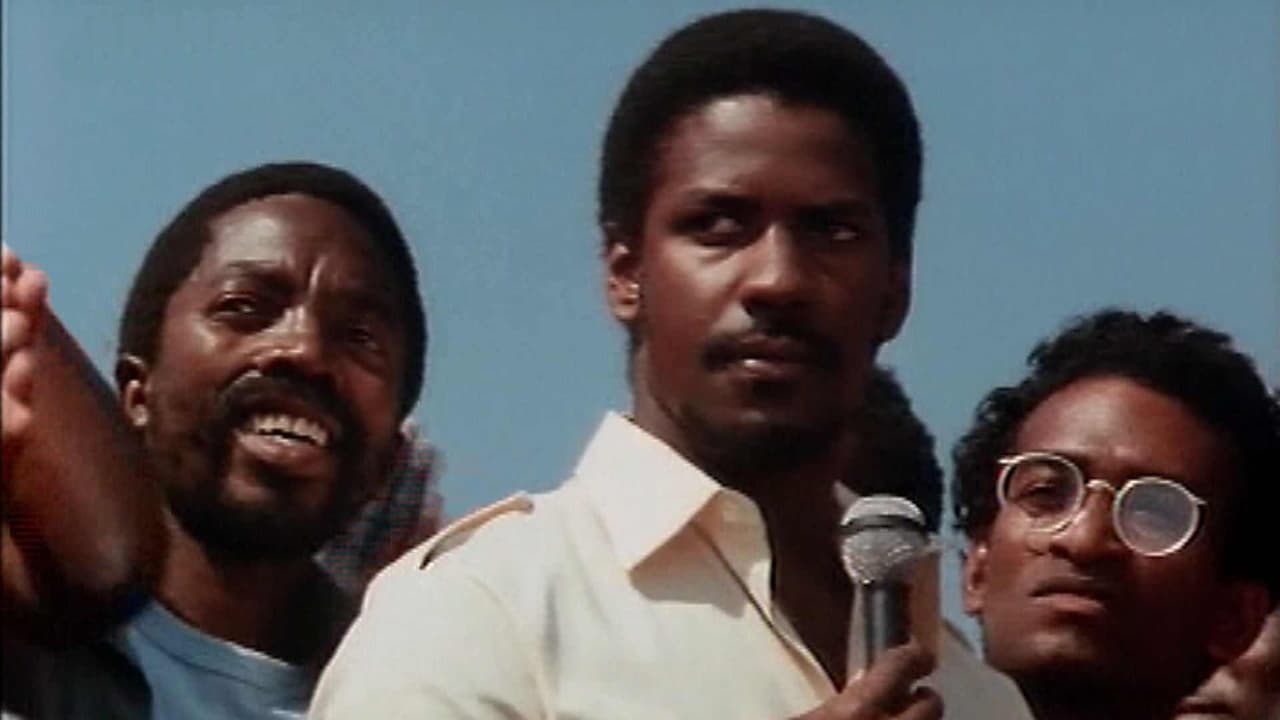
Attenborough masterfully uses the developing relationship between Woods and Biko to expose the insidious nature of apartheid. We see Woods’ comfortable worldview slowly dismantled, his journalistic objectivity replaced by a growing sense of outrage and, eventually, friendship. Kline navigates this transformation beautifully, portraying Woods' dawning comprehension and horror with understated realism. Alongside him, Penelope Wilton as Wendy Woods offers a crucial perspective – the wife and mother grappling with the terrifying implications of her husband's activism.
The Weight of Truth
Filming Cry Freedom was itself an act fraught with political tension. Unable to shoot safely in South Africa due to the very subject matter it depicted, Attenborough and his crew recreated the country primarily in neighboring Zimbabwe and Kenya. This geographical displacement underscores the danger inherent in Biko's story and Woods' subsequent efforts to tell it. The production reportedly faced considerable pressure and security concerns, a real-world echo of the narrative's tension. Written by John Briley (who also penned Gandhi) based on Woods' own books, the script carries the authenticity of lived experience, particularly in its harrowing depiction of Biko's arrest, torture, and death in police custody.
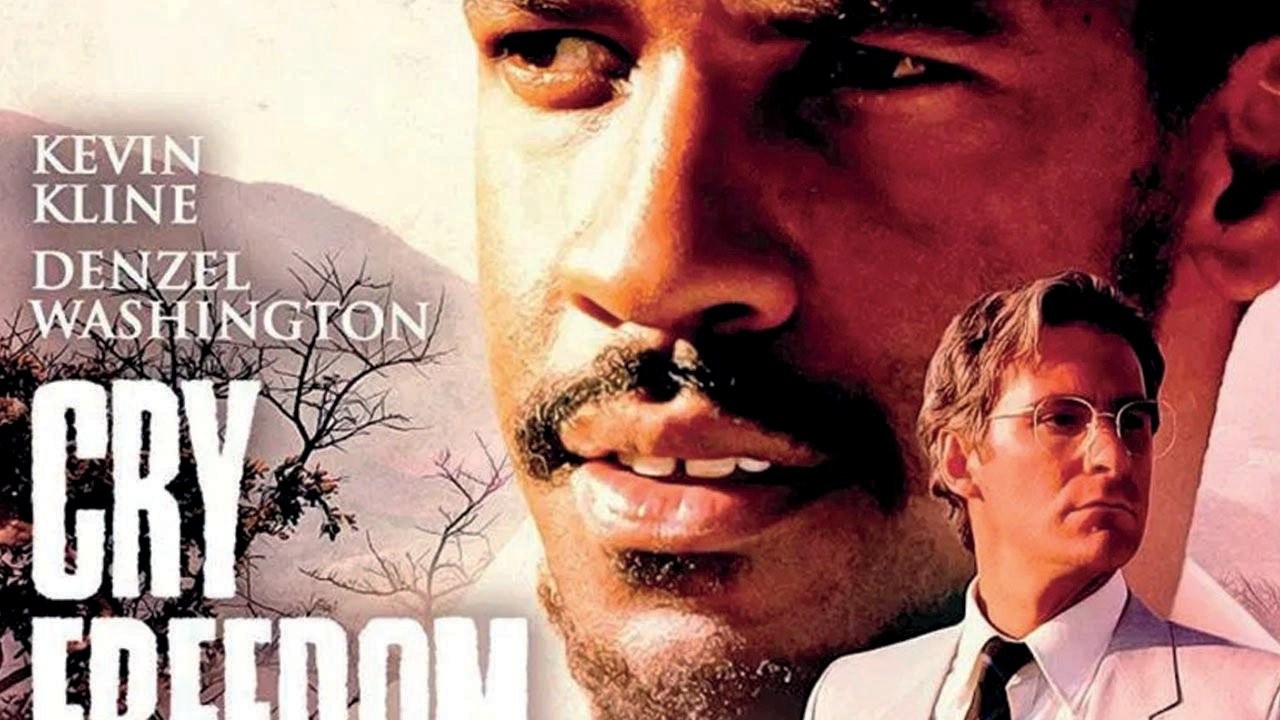
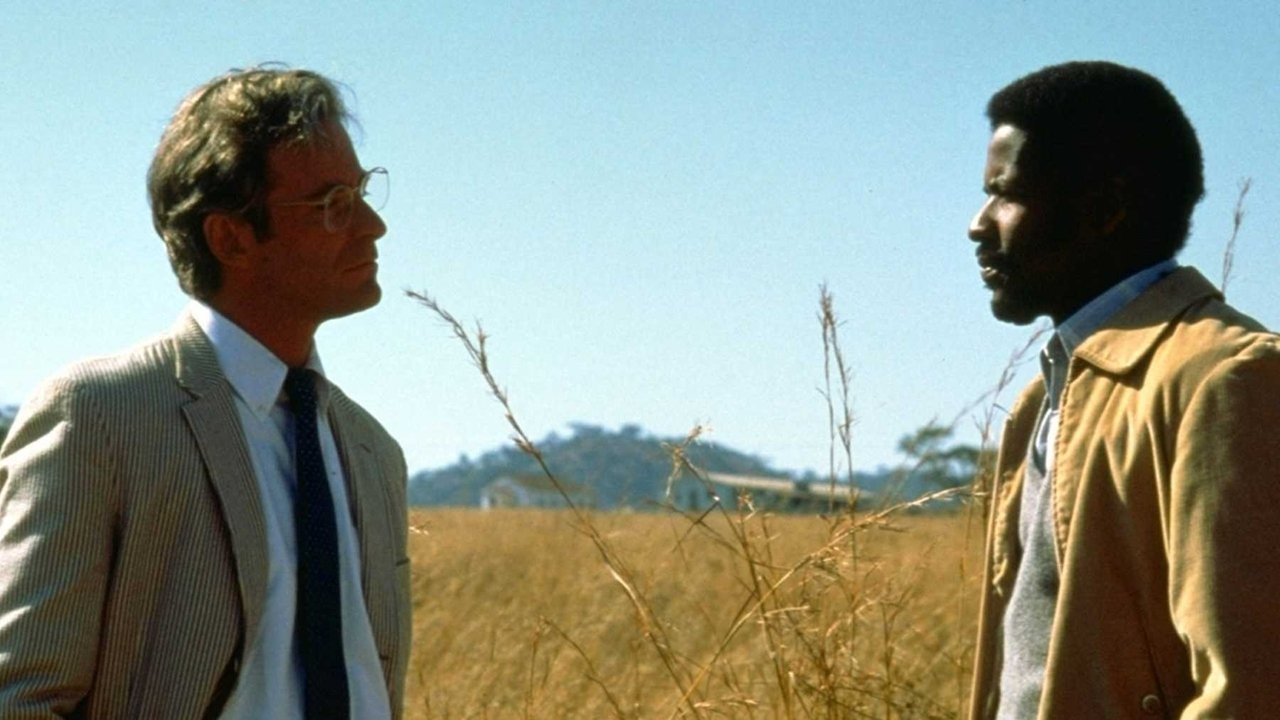
The film does make a significant shift in its second half, moving from Biko's story to Woods' desperate escape from South Africa with his family and the manuscript that would become the basis for the film. This structural choice has drawn criticism over the years, arguing it recenters a white narrative after focusing on a vital Black leader. It's a valid point, yet within the context of the time and the source material (Woods' own account), it also serves a narrative purpose: highlighting the lengths the state would go to silence dissent and the risks taken to ensure Biko's voice wasn't entirely extinguished. It becomes a political thriller grounded in terrifying reality.
An Epic Undertaking
Visually, the film has that distinct Attenborough scope – wide shots capturing the beauty of the landscape juxtaposed with the ugliness of the regime, crowd scenes conveying the simmering unrest. The score, a collaboration between George Fenton (another Gandhi alumnus) and South African composer Jonas Gwangwa, is deeply evocative, blending orchestral sweep with African rhythms, earning its own Oscar nomination alongside the title song. Its nearly three-hour runtime might have felt daunting on VHS (requiring a careful flip of the tape!), but it allowed the story the space it needed to breathe and resonate. Despite its critical acclaim and Washington's powerful performance, the film, made on a hefty $29 million budget, sadly underperformed at the box office, perhaps due to its challenging subject matter and length. It grossed only around $15 million worldwide – a stark contrast to Gandhi's success.
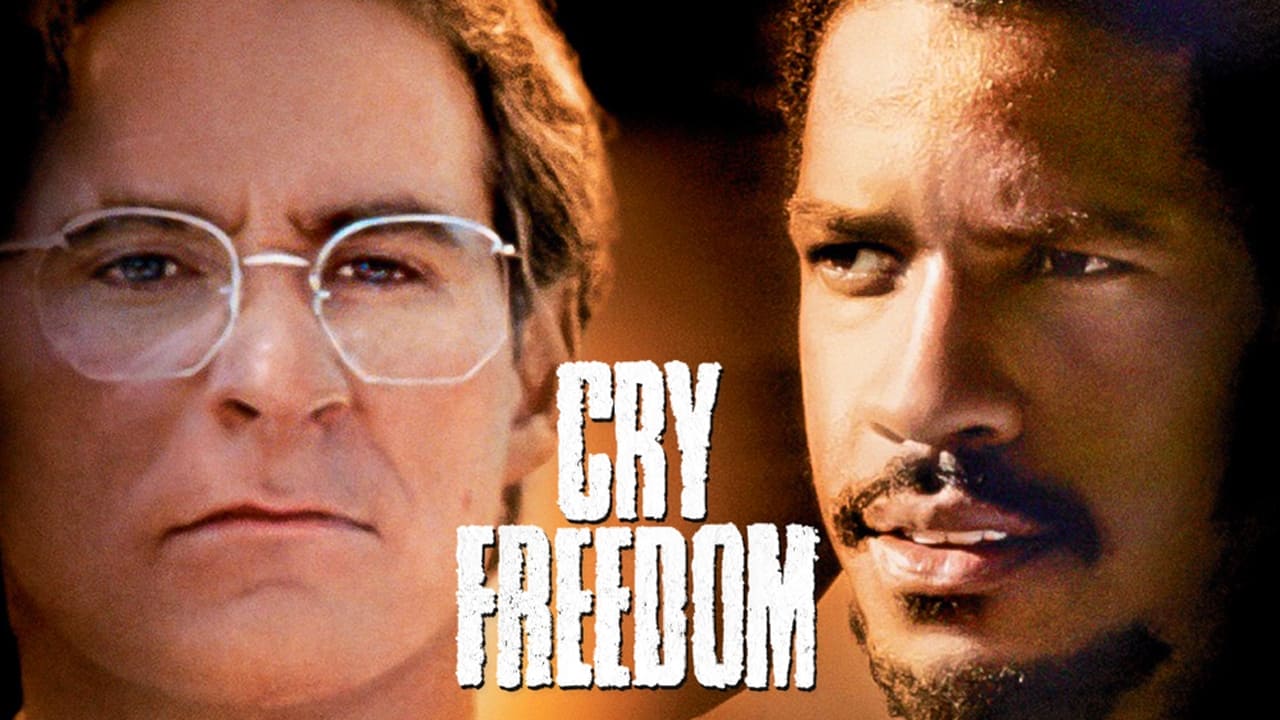
Its importance, however, wasn't measured in ticket sales. The film was initially banned in South Africa, a testament to its perceived threat to the apartheid government. Its eventual release, even in a censored form, and its circulation on those very VHS tapes we remember, played a part in raising international awareness and keeping Biko's legacy alive during a critical period.
Rating: 8/10
Cry Freedom remains a significant and powerful piece of filmmaking. While the narrative shift might feel unbalanced to modern eyes, the film's first half is anchored by one of Denzel Washington's most electrifying early performances, capturing the spirit of a man whose ideas transcended brutal oppression. Kevin Kline provides a relatable human anchor, and Attenborough directs with gravity and purpose. It’s a film that educates, horrifies, and ultimately inspires, reminding us of the courage it takes to speak truth to power. Watching it again isn't just nostalgia; it’s a necessary reminder of struggles fought and the enduring power of a voice demanding freedom. It leaves you pondering: how many vital stories still struggle to be heard today?