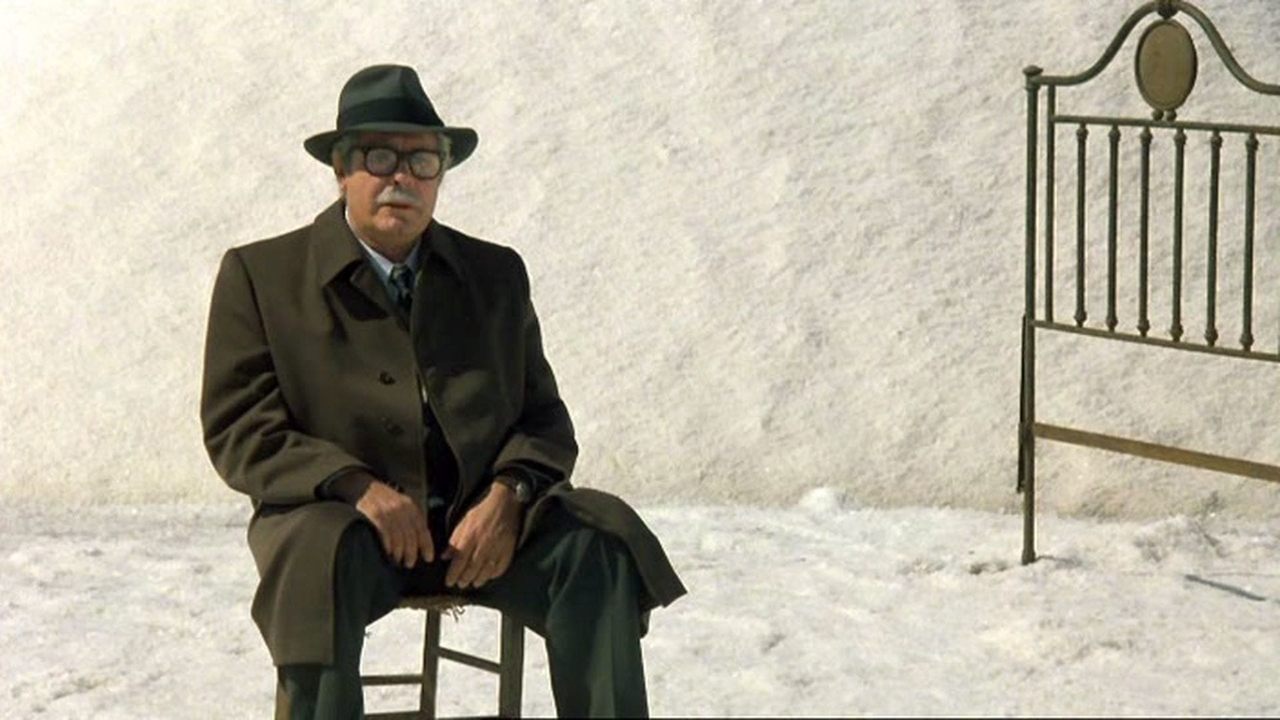
The opening image lingers, doesn't it? The sight of Marcello Mastroianni as Matteo Scuro, a retired Sicilian bureaucrat, preparing for a journey not just across Italy, but into the carefully constructed façades of his adult children's lives. There's a hope in his eyes, mingled with the quiet weariness of age, that sets the stage for a film far more complex and bittersweet than its reassuring title, Everybody's Fine (originally Stanno tutti bene), might suggest. This 1990 offering from Giuseppe Tornatore, arriving hot on the heels of his universally beloved Cinema Paradiso (1988), might have felt like a gentler, more intimate follow-up, but it carries its own profound emotional weight.
A Father's Pilgrimage
Matteo, recently widowed, decides to surprise each of his five geographically scattered children with a visit. He envisions warm reunions, confirmation of their glittering successes – the composer, the politician, the model, the successful professional. What he finds, of course, is something far more nuanced and, frankly, human. Each child, desperate not to disappoint their elderly father, puts on a brave face, concealing anxieties, failures, and the messy realities of their existence. Tornatore crafts Matteo’s journey as a kind of modern pilgrimage, moving through the stunning landscapes of Naples, Rome, Florence, Milan, and Turin, yet the emotional geography is far more turbulent than the picturesque scenery.
Mastroianni: A Masterclass in Understatement
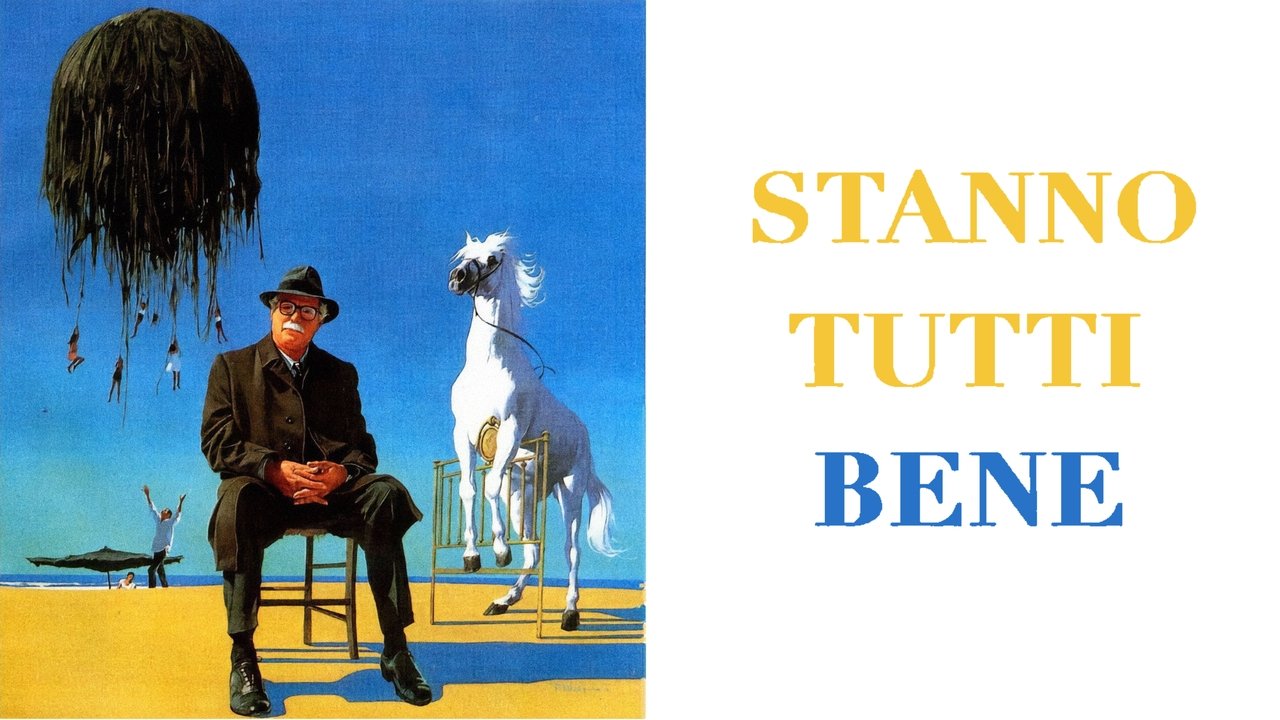
At the heart of it all is Marcello Mastroianni. Watching him here, late in his monumental career, is to witness an actor operating at the peak of subtle expression. He doesn't need grand gestures. The slight downturn of his mouth, a flicker of confusion in his eyes, the way he physically carries the weight of unspoken disappointments – it’s all there. Matteo isn't naive, exactly, but he desperately wants to believe the best, to see the idealized versions he holds in his memory. Mastroianni makes you feel every dawning realization, every pang of paternal love mixed with a growing unease. It’s a performance built on quiet observation and profound internal shifts, a testament to why he remains one of cinema's true giants. You believe him completely as the proud, slightly bewildered patriarch trying to bridge the gap between his expectations and the unvarnished truth.
Tornatore's Vision, Morricone's Soul
Giuseppe Tornatore directs with a blend of lyrical realism and touches of poignant fantasy. Matteo’s conversations with his younger self, or the recurring motif of his children appearing as idealized youngsters, visually underscore the gap between memory and reality. It’s less overtly sentimental than Cinema Paradiso, perhaps, but no less emotionally resonant. Tornatore uses the Italian landscape beautifully, not just as a backdrop, but as a contrasting element to the internal struggles unfolding. The journey itself becomes a character.
And then there’s the score. The legendary Ennio Morricone, Tornatore's frequent collaborator, provides music that perfectly captures the film’s bittersweet essence. It’s often deceptively jaunty, reflecting Matteo’s initial optimism, but underneath, there’s a current of melancholy, a sense of things unsaid, that deepens the film’s impact considerably. It never overwhelms, but subtly guides our emotional response, much like Mastroianni’s performance.
Beyond the Gloss: Retro Realities
Finding Everybody's Fine on the video store shelf back in the day might have felt like discovering a hidden gem amidst the louder action and sci-fi fare. It wasn't a blockbuster, certainly overshadowed by Tornatore's previous Oscar-winner. Yet, its themes felt incredibly resonant, perhaps even more so now. The pressure to present a perfect life, the difficulties of honest communication within families, the bittersweet nature of aging and seeing your children forge their own, imperfect paths – these are timeless concerns. It’s fascinating to consider that the film cost around $10 million to make back then, a substantial sum for an Italian production, aiming for international appeal after Cinema Paradiso's success, though its box office was more modest.
Interestingly, the film was remade in America in 2009, also titled Everybody's Fine, starring Robert De Niro. While a capable film in its own right, it perhaps inevitably lacked the specific cultural nuances and the unique, world-weary grace that Marcello Mastroianni brought to the original. The Italian version feels deeply rooted in its specific time and place, capturing a particular flavour of familial obligation and unspoken feeling.
The Echoes of "They're All Fine"
What truly lingers after watching Matteo's journey is the quiet power of its central irony. Stanno tutti bene – "They are all fine." It’s the phrase the children desperately want their father to believe, the comforting fiction families often construct. But are they? Is anyone, truly? The film doesn't offer easy answers, but instead invites reflection on the complexities of love, expectation, and the inherent loneliness that can exist even within the closest bonds. It’s a film that unfolds gently, revealing its depths slowly, much like the truths Matteo gradually uncovers on his travels. It might not have the immediate, heart-swelling warmth of Cinema Paradiso, but its quiet observations about the human condition resonate deeply.
Rating: 8/10
This rating reflects the film's profound central performance by Mastroianni, its beautifully realized themes, and Tornatore's sensitive direction, subtly enhanced by Morricone's score. While perhaps a touch slow for some tastes, its emotional intelligence and understated power make it a truly rewarding watch. It earns its place not just as a noteworthy follow-up by Tornatore, but as a moving testament to Mastroianni's enduring artistry and a film that gently asks us to consider the truths hidden behind the smiles in our own family photos.
Final Thought: A poignant, beautifully acted film that reminds us that sometimes the hardest journeys are the ones we take into the hearts of those we think we know best.