Sometimes a film doesn't announce itself with explosions or grand pronouncements, but rather settles over you slowly, like the humid haze of a Southern summer afternoon. Paradise (1991) is one such film, a quiet drama that arrived on VHS shelves often nestled between louder, more action-packed fare, yet offering something far more resonant for those willing to slow down and listen. It explores that fragile space where childhood innocence intersects with adult grief, asking profound questions about how we mend broken connections, both with others and within ourselves. I remember renting this one, perhaps drawn by the familiar faces of its leads, and finding myself unexpectedly moved by its gentle honesty.

A Summer of Awkward Healing
The setup is simple, almost archetypal: 10-year-old Willard Young (a remarkably intuitive Elijah Wood in one of his earliest major roles) is sent by his expectant mother to spend the summer in the fictional delta town of Paradise. He stays with her childhood friend Lily Reed (Melanie Griffith) and her husband Ben (Don Johnson). Paradise, however, is anything but idyllic for the Reeds. They are submerged in a silent, suffocating grief following the death of their young son years prior, a loss that has driven an almost impassable wedge between them. Willard, quiet and observant, finds himself navigating the treacherous emotional landscape of their fractured home, while also forging his own path through the trials of summer friendships, particularly with the spirited Billie Pike (a young Thora Birch).
What unfolds isn't a story of dramatic breakthroughs, but rather one of tentative steps and subtle shifts. The film, adapted by writer-director Mary Agnes Donoghue from the acclaimed 1987 French film Le Grand Chemin, understands that healing isn't linear. Donoghue, previously known for penning the screenplay for the tearjerker Beaches (1988), makes her directorial debut here, bringing a sensitivity to the material that feels earned. She lets the humid South Carolina Lowcountry locations (primarily filmed around Georgetown and McClellanville) become almost a character in themselves, their languid beauty mirroring the slow, often painful process of emotional thawing.
Navigating Troubled Waters
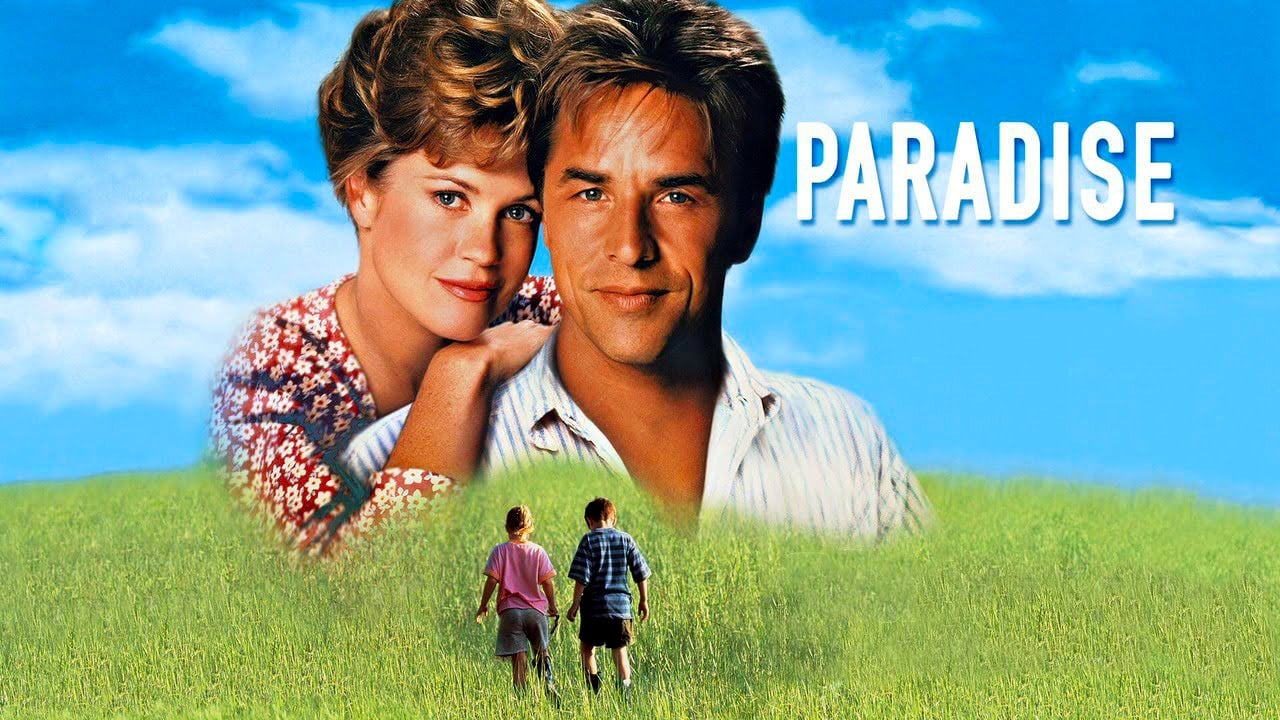
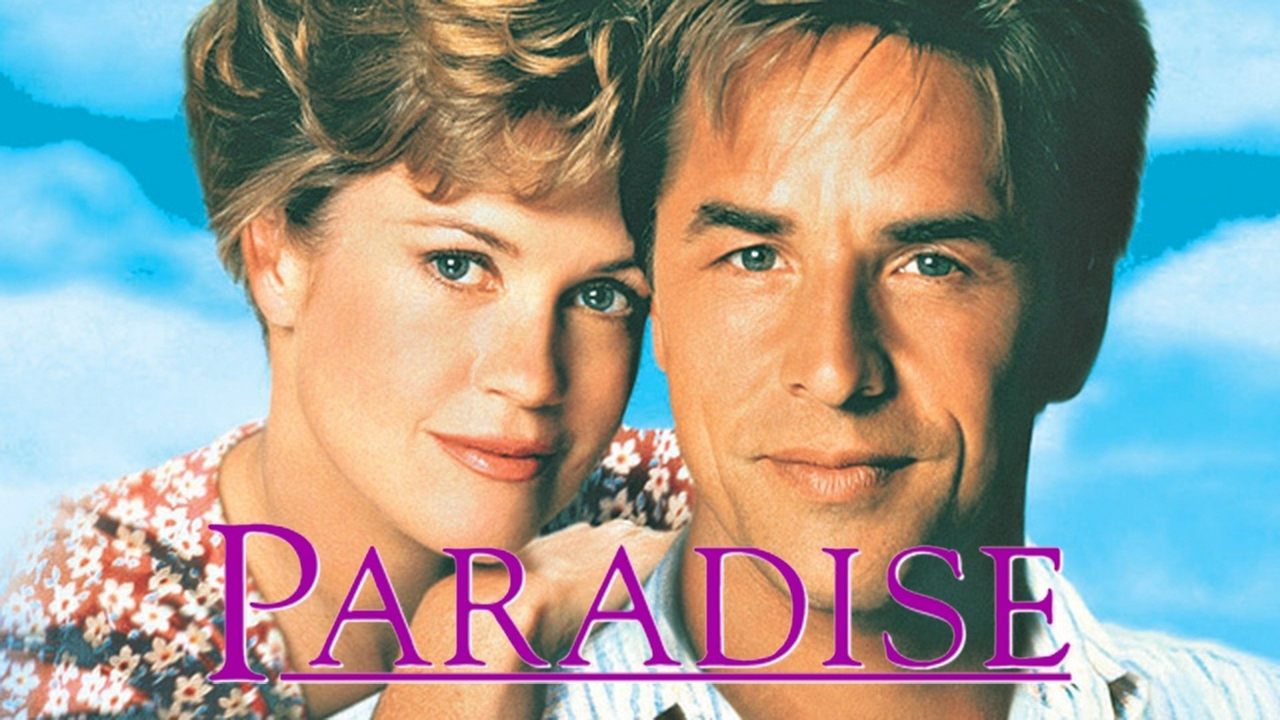
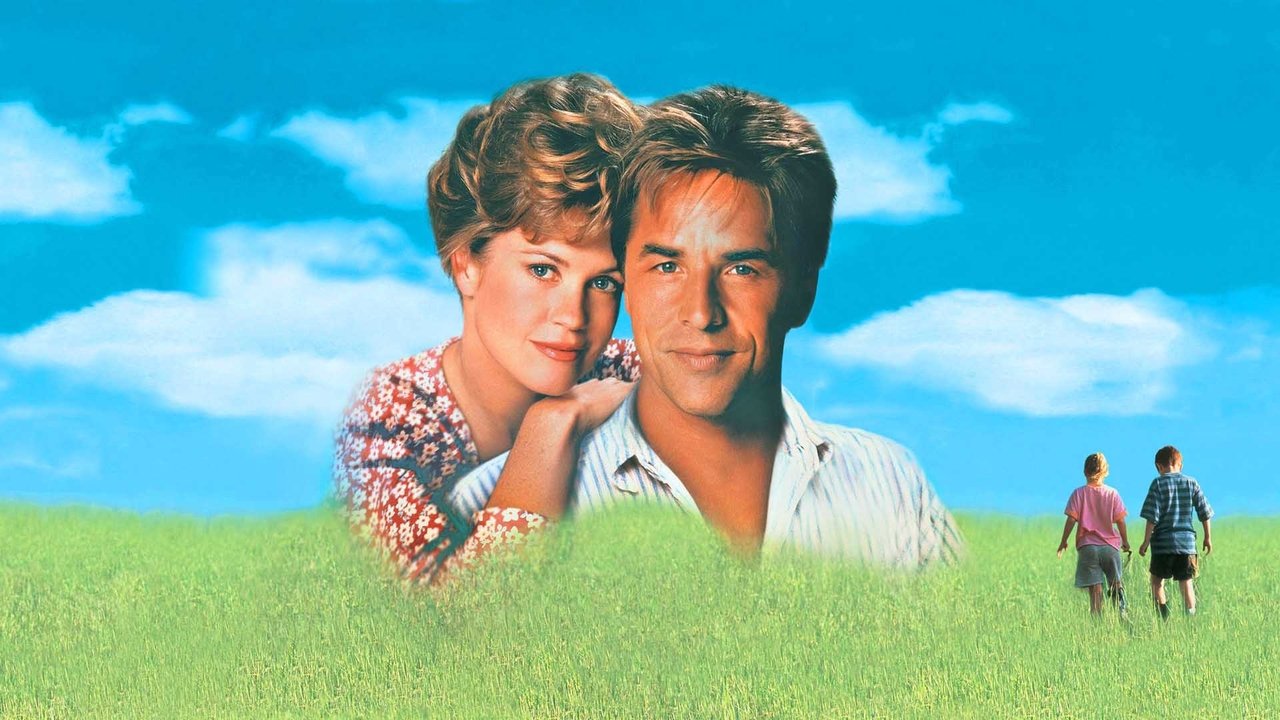
The casting of then real-life married couple Melanie Griffith and Don Johnson adds an undeniable layer of fascination. Watching them portray a couple so disconnected, barely able to occupy the same space without radiating tension, carries a certain poignant weight. Griffith embodies Lily's fragility and submerged pain with a heartbreaking vulnerability; her moments of quiet despair feel utterly genuine. Johnson, often known for more charismatic roles like Sonny Crockett in Miami Vice, delivers a restrained, internalized performance as Ben, a man locked away by his sorrow. Their strained dynamic is palpable, making those fleeting moments where connection flickers – often prompted by Willard's presence – all the more impactful.
And then there's Elijah Wood. Even at such a young age, his performance is astonishingly centered. He conveys Willard's loneliness, curiosity, and burgeoning understanding of the adult world's complexities often through just his eyes. He’s the catalyst, not through precocious wisdom, but through simple, unvarnished presence. His interactions with Thora Birch, herself displaying early signs of the unique screen presence she’d later develop, provide necessary moments of childhood lightness and perspective amidst the adult gloom. It’s reported that Donoghue worked carefully with the young actors, shielding them somewhat from the full weight of the adult themes while still coaxing incredibly naturalistic performances.
Quiet Strengths and Echoes of Source
Adapting a beloved foreign film is always a challenge, and Paradise inevitably softens some of the edges of Le Grand Chemin. Yet, Donoghue successfully translates the core emotional truths for an American context. The film trusts its audience to sit with the discomfort, to understand the unspoken histories weighing on the characters. This wasn't a typical early 90s Hollywood drama; its pacing is deliberate, perhaps even slow for some, mirroring the lazy cadence of summer itself. The score by David Newman complements this mood perfectly, never overpowering the quiet emotional beats.
Interestingly, while the film garnered decent reviews, particularly praising the performances (Roger Ebert gave it 3 stars), it wasn't a massive box office hit, grossing around $18.6 million against a reported $12 million budget. Perhaps its quiet nature and focus on internal struggles made it a tougher sell in an era leaning towards bigger spectacles. Yet, for those who connected with it on VHS, it often became one of those fondly remembered "smaller" films, the kind you'd recommend to a friend looking for something with genuine heart. Does the deliberate pace sometimes test patience? Perhaps. Does the story tread familiar ground regarding grief and reconciliation? Arguably, yes. But the sincerity of the performances and the palpable atmosphere elevate it beyond mere formula.
Final Reflection
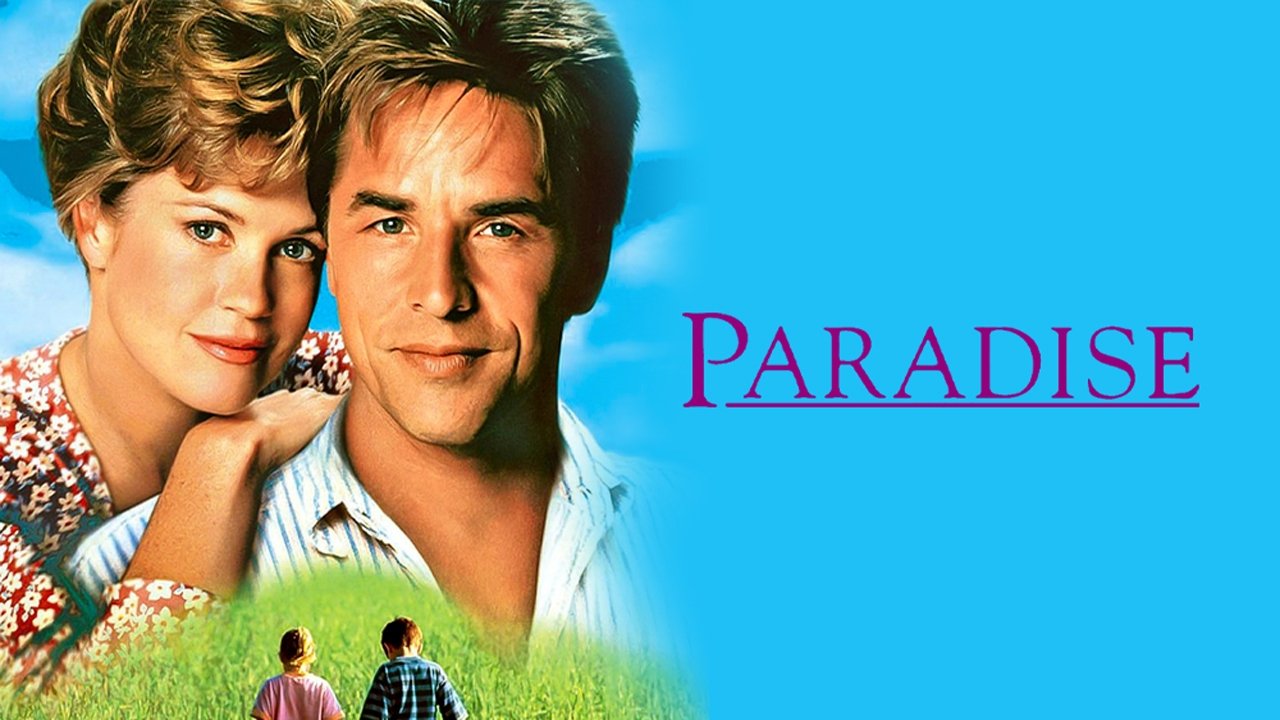
Paradise is a film about the silences as much as the dialogue. It’s about the way grief can isolate, but also how unexpected connections – like a lonely boy arriving for the summer – can begin to bridge those divides. It doesn’t offer easy resolutions but suggests the possibility of finding a way forward, even when carrying immense sorrow. It reminds us that sometimes the most profound changes happen not with a bang, but with a quiet shift in understanding, like the turning of a season.
Rating: 7.5/10
This rating reflects the film's undeniable emotional honesty, superb performances (especially from a young Wood), and evocative atmosphere. While its pacing might deter some and the narrative arc feels familiar, its sensitive handling of difficult themes and the genuine warmth beneath the sadness make it a truly worthwhile watch from the VHS era. It’s a film that lingers, prompting reflection on the quiet ways we navigate loss and find connection, even in the most unlikely of summers.