There's a certain kind of quiet that settles over some films, a stillness that isn't about lack of sound but about the weight of things unsaid. James Mangold's debut feature, Heavy (1995), is steeped in this quiet. Watching it again, decades after first sliding that tape into the VCR – probably rented from the 'New Releases' wall before migrating to the 'Drama' section – that profound sense of hushed introspection feels just as potent, maybe even more so in our relentlessly noisy world. It's a film that doesn't shout its themes; it lets them simmer, like the coffee perpetually brewing in the background of its central location.

The Burden of Being
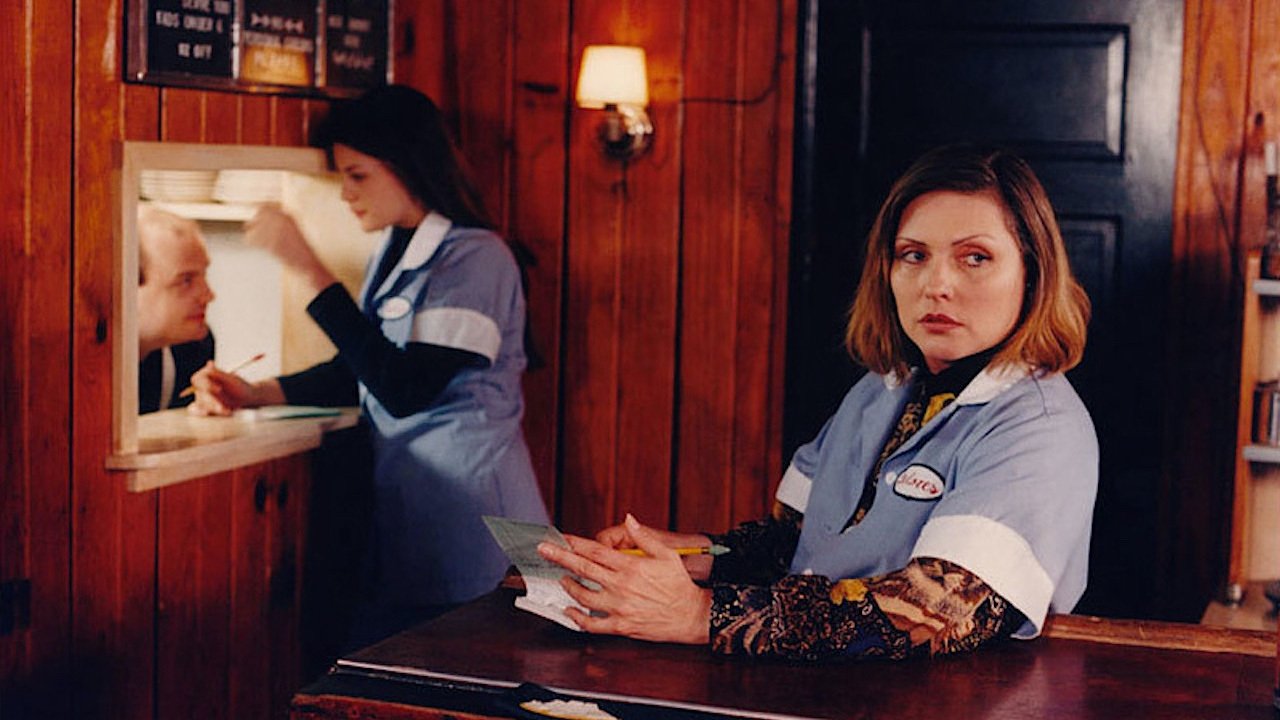
At the heart of Heavy is Victor (a truly remarkable Pruitt Taylor Vince), an overweight, painfully shy man who works as a cook in the dilapidated upstate New York roadside diner owned by his mother, Dolly (Shelley Winters, in her final screen role). Victor moves through life largely unseen, his world circumscribed by the kitchen's heat, his mother's well-meaning but suffocating pronouncements, and the gentle routine of pizza making. His silence isn't empty; it's filled with observation, longing, and a deep-seated kindness overshadowed by his physical presence and crippling insecurity. Vince’s performance is a masterclass in internalization. Much of Victor’s emotional landscape is conveyed through his eyes – eyes that, due to Vince’s real-life nystagmus (a condition causing involuntary eye movement), possess a unique, searching quality that adds layers to Victor’s vulnerability and tentative gaze upon the world. He makes us feel the weight Victor carries, which is far more than physical.
A Flicker of Light

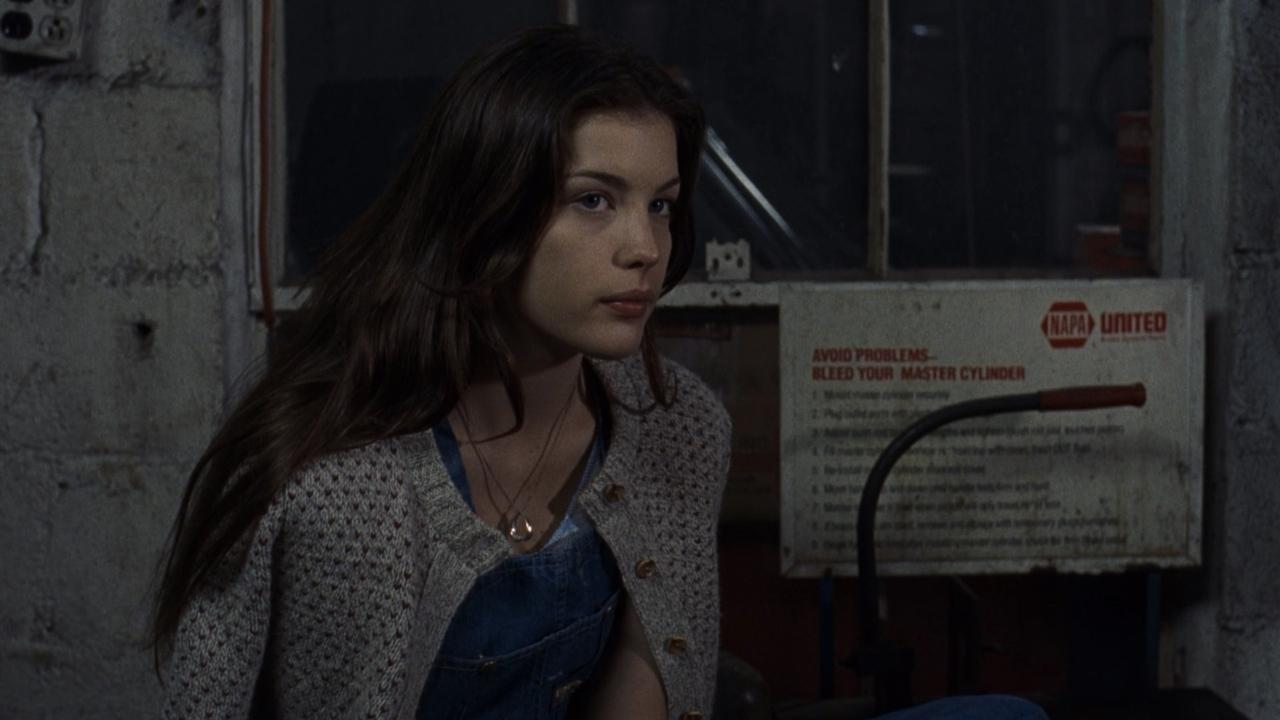
Into this muted world walks Callie (Liv Tyler), a luminous college dropout hired as a waitress by Dolly. Tyler, already showing the screen presence that would define her career (just before her breakout in Stealing Beauty), embodies a kind of guileless beauty and warmth that instantly captivates Victor. She’s not presented as a bombshell or an object, but as a person – kind, perhaps a little lost herself, seemingly unaware of the profound effect she has on the diner's quiet cook. Her interactions with Victor are tentative, gentle, marked by his inability to articulate the depth of his feelings. The film wisely avoids cliché; this isn't a story about a grand transformation or a requited fairytale romance. It’s about the quiet earthquake her presence causes within Victor’s carefully contained existence. Does she see him? Does she understand the adoration in his shy glances? The film leaves these questions shimmering in the air.
Mangold's Measured Hand
What's astonishing is that this was James Mangold's first feature film. Fresh out of film school, he directs with a restraint and maturity that belies his experience. Having known Mangold went on to direct vastly different films like the gritty neo-Western Cop Land (1997) or the intense superhero farewell Logan (2017), seeing his debut reveals a foundational skill in character study and atmosphere. Financed independently for a modest sum (reportedly around $1.5 million), Heavy feels like a perfectly observed slice of life. Mangold and cinematographer Michael Barrow capture the faded charm and slight claustrophobia of the diner and the surrounding small town, letting scenes breathe and allowing silence to speak volumes. There’s a patience here, a willingness to let the audience simply be with these characters, that feels increasingly rare. It's no wonder the film was a standout at the 1995 Sundance Film Festival, winning the Grand Jury Prize Special Recognition for Directing.
Echoes in the Diner
The supporting cast adds crucial texture. Shelley Winters, a legend navigating her final role, embodies Dolly with a familiar blend of smothering affection and oblivious control. Her presence is large, both physically and emotionally, often filling the spaces Victor cannot. And Deborah Harry (yes, that Deborah Harry of Blondie fame) offers a grounding counterpoint as Delores, a world-weary waitress who possesses a clear-eyed understanding of the diner's dynamics and harbors a quiet affection for Victor herself. Her pragmatism contrasts sharply with Callie’s ethereal quality and Dolly’s maternal dominance. It’s a small ensemble, but each performance feels authentic, contributing to the film's lived-in reality. I remember hearing stories later about Winters being characteristically opinionated on set, yet Mangold managed to harness that energy perfectly for the role of Dolly.
Why It Lingers
Heavy isn't a film packed with incident, but it resonates deeply because it taps into universal feelings: loneliness, the ache of unexpressed love, the quiet dignity of overlooked lives. It asks us to consider the inner worlds of those who exist on the periphery. What dreams or desires hide behind a quiet demeanor or an unassuming appearance? The film avoids easy answers or neat resolutions. Victor's journey is internal, his potential transformation subtle. Will he find his voice? Will he connect? The film doesn't explicitly say, leaving the viewer with a lingering sense of melancholy hope. It’s the kind of movie that might have been easily missed on the bustling rental shelves dominated by action flicks and broad comedies, but discovering it felt like uncovering something precious and true.

Rating: 9/10
This score reflects the film's profound emotional honesty, the exceptional central performance by Pruitt Taylor Vince, and the assured, sensitive direction from a debuting James Mangold. It's a near-perfect execution of a small, intimate story that achieves a quiet grandeur. While its deliberate pace might test some viewers accustomed to faster narratives, its depth and authenticity are undeniable.
Heavy remains a poignant reminder that sometimes the most powerful stories are whispered, not shouted, leaving an imprint long after the screen fades to black. It’s a testament to the quiet souls and the weight they carry with unassuming grace.