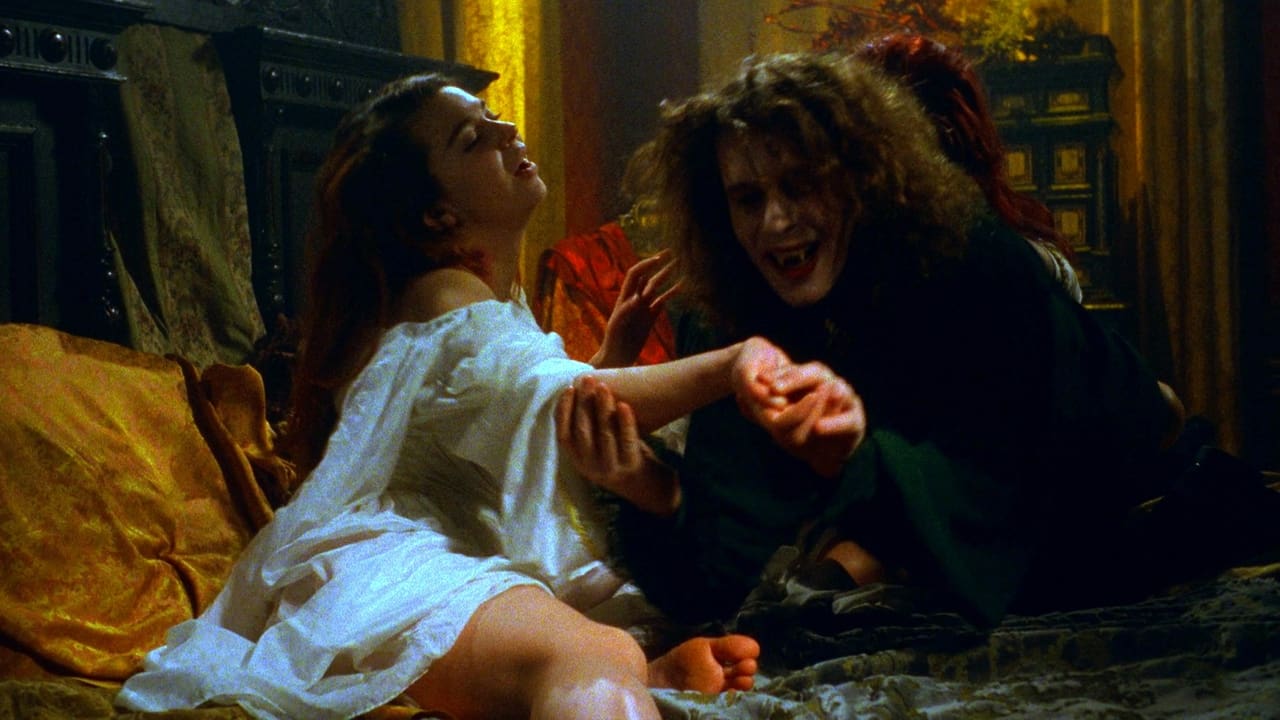
Dust motes dance in the beams of phantom moonlight slicing through decaying velvet curtains. This isn't the frenetic, rock-and-roll bloodletting that often defined 90s vampirism on screen; this is something quieter, more mournful, steeped in old-world decay. This is the realm of Vampire Journals (1997), a film that feels less like a creature feature and more like a whispered secret found on a forgotten shelf at the back of the video store, its worn cover art promising gothic romance and shadowy intrigue.
### A Different Kind of Night Creature
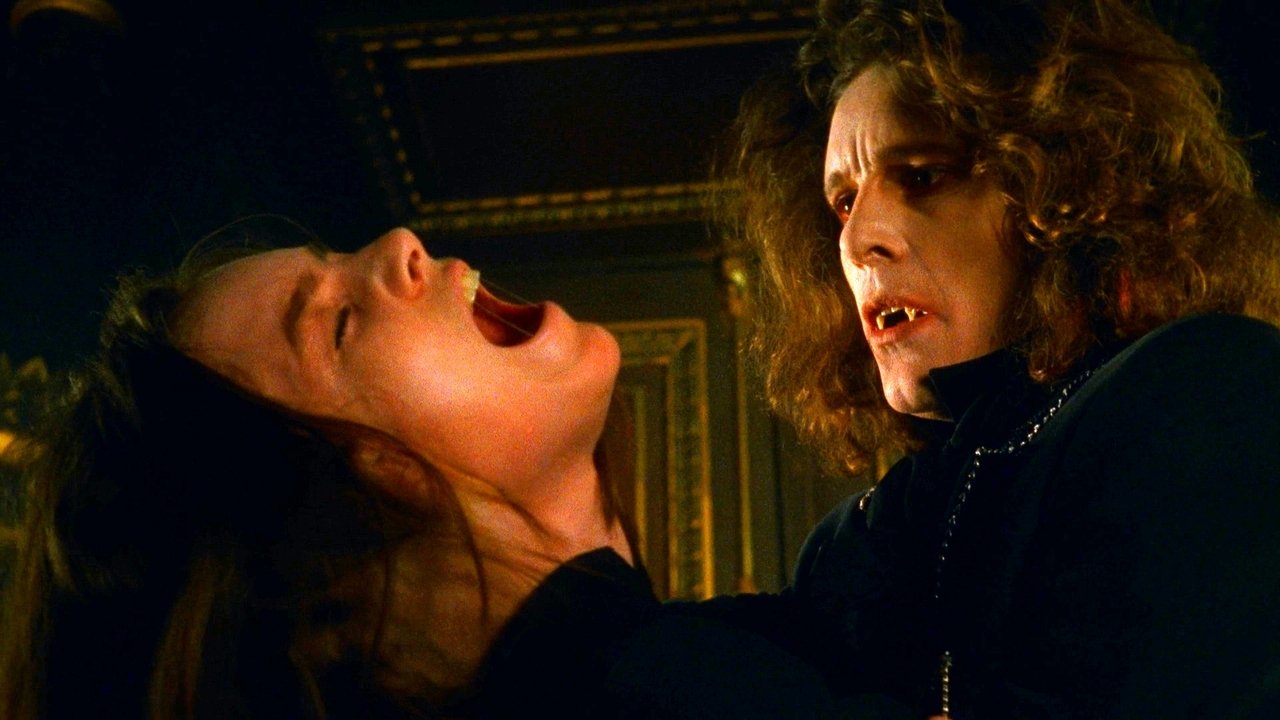
For those familiar with the gloriously schlocky delights of Charles Band’s Full Moon Features, Vampire Journals arrives as a fascinating detour. Directed and written by Ted Nicolaou, the man who gave us the wonderfully grotesque Subspecies series (and the truly bizarre TerrorVision (1986)), this film feels like his art-house vampire project. It serves as a spin-off, focusing on the vampire Ash (Jonathon Morris), previously a secondary antagonist in Subspecies III: Bloodlust (1994). Here, Ash takes centre stage, a creature consumed not by hunger, but by a thirst for vengeance against the ancient master, Zachary (David Gunn), who destroyed his mortal love centuries ago. His hunt leads him to Bucharest, where Zachary preys on the innocent, and Ash finds himself unexpectedly drawn to protecting a gifted young pianist, Sofia (Kirsten Cerre).
### Bucharest Nocturne
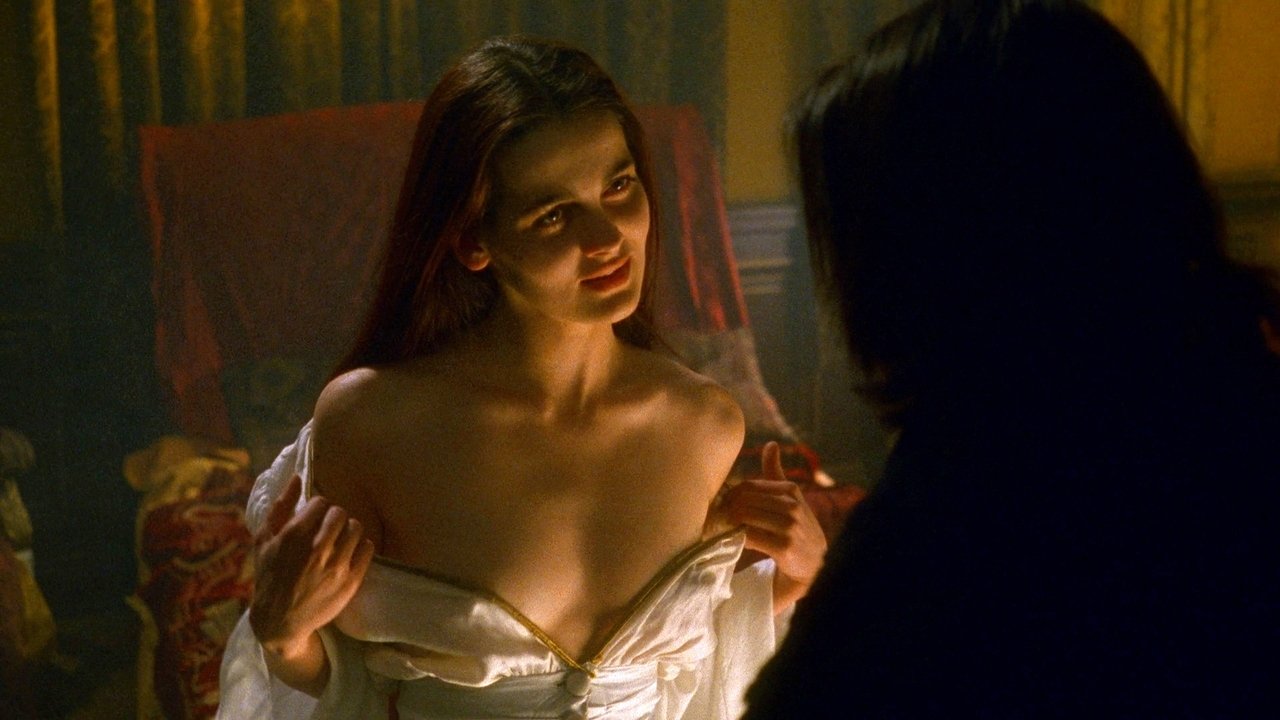
What immediately sets Vampire Journals apart is its commitment to atmosphere over outright scares or action. Forget frantic chases and explosive stake-outs; this film luxuriates in its setting. Filmed entirely on location in Bucharest, Romania – a masterstroke likely born from the same budgetary pragmatism that defined much of Full Moon’s output – the city itself becomes a character. Ted Nicolaou leverages the crumbling baroque architecture, the shadowed alleyways, and the opulent, dusty interiors to create a palpable sense of timeless dread and melancholy beauty. You can practically smell the damp stone and decaying velvet. This wasn’t a backlot approximation; this was Eastern Europe, lending an authenticity that elevates the film beyond its direct-to-video origins. The production design, while undoubtedly constrained, focuses on texture and shadow, creating spaces that feel both seductive and deeply unsettling.
The decision to film in Romania was key, allowing Nicolaou to tap into the very birthplace of vampire lore for a fraction of the cost of replicating it elsewhere. This commitment to location shooting was a hallmark of several Full Moon productions in the 90s, giving films like the Subspecies saga and this one a distinct visual identity that punched well above their weight class. It allowed them to present a scope and atmosphere that felt genuinely transportive, even viewed on a fuzzy CRT screen via a well-loved VHS tape.
### The Brooding Heart of Darkness
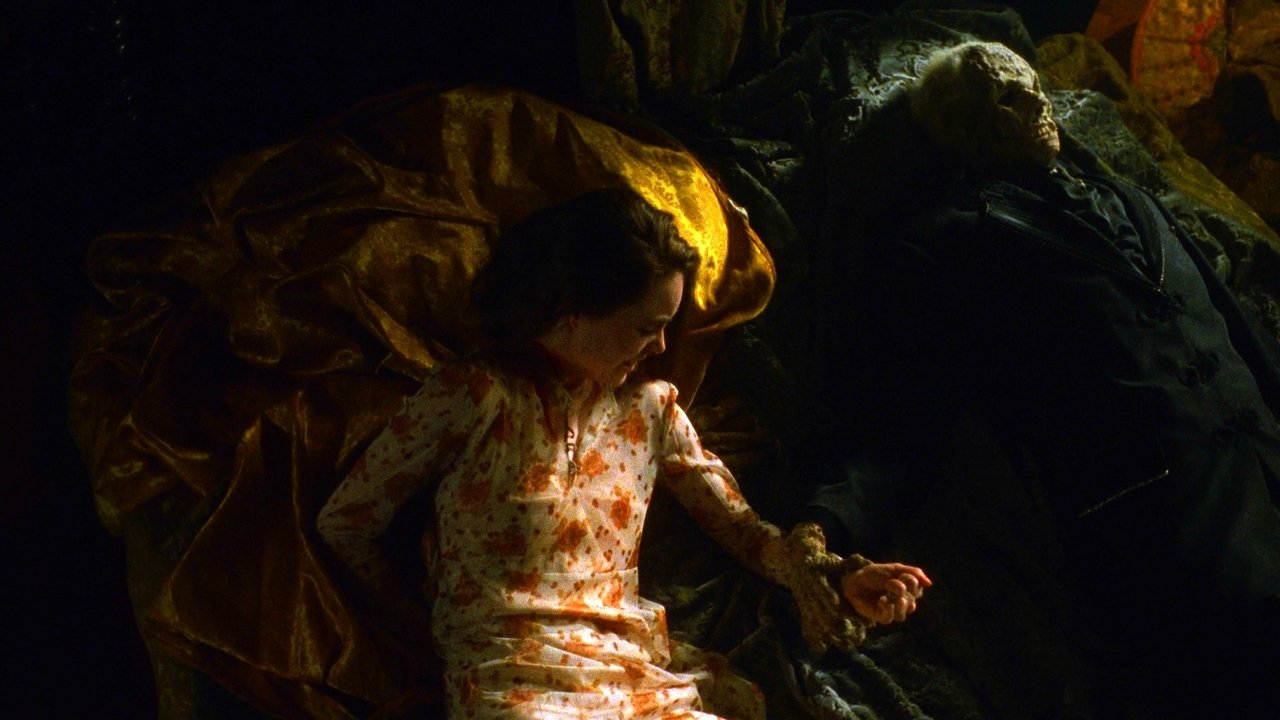
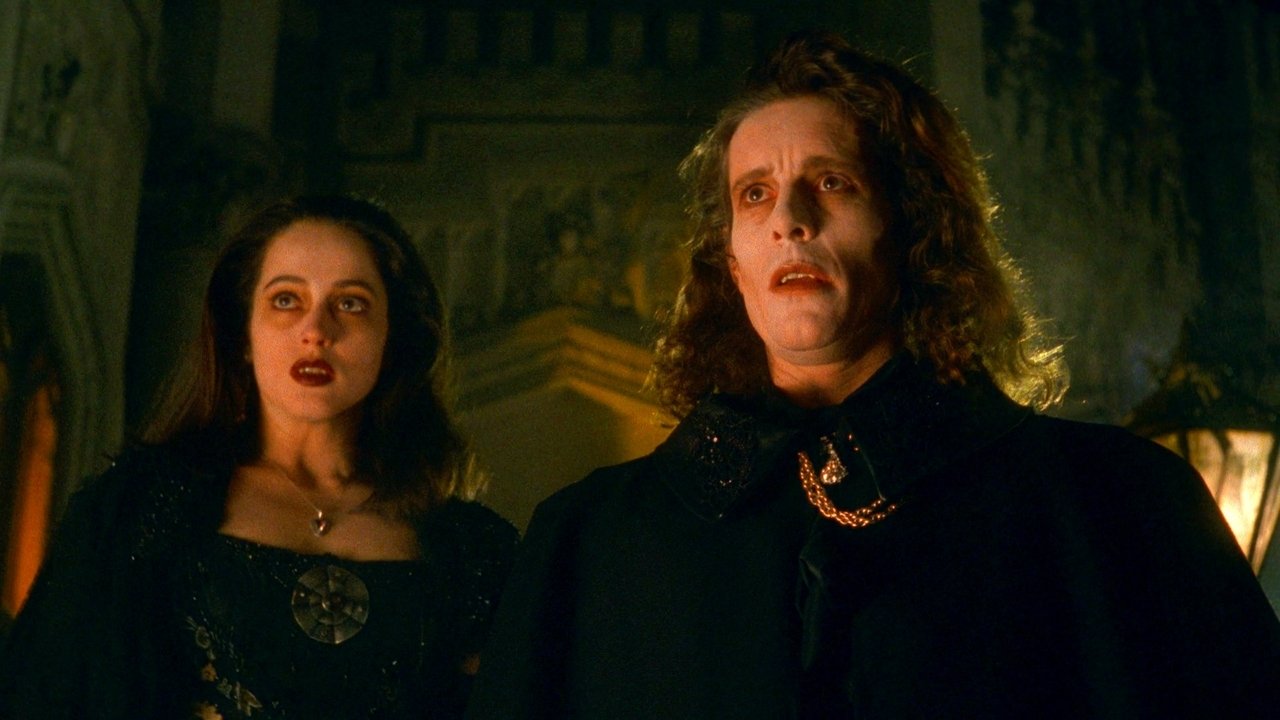
At the film's core is Jonathon Morris as Ash. Taking over the role, he portrays the vampire not as a monstrous predator, but as a tormented soul, an eternal observer weighed down by centuries of loss. His performance is intentionally understated, conveying Ash's weariness and simmering rage through quiet intensity rather than overt theatrics. It's a stark contrast to the flamboyant evil of David Gunn's Zachary, who embodies the decadent, manipulative side of vampirism. Kirsten Cerre as Sofia provides the human anchor, her vulnerability drawing Ash back towards the light he thought long extinguished. While the dialogue sometimes dips into the overtly theatrical, the central performances carry the film's somber tone effectively. It's fascinating to see Ash, a character initially presented as little more than a henchman in the Subspecies universe, explored with such depth here. Reportedly, Nicolaou had always been intrigued by Ash's potential, seeing him as more than just a supporting villain.
### A Different Vein of Vampire Tale
Vampire Journals occupies a unique space in the 90s vampire canon. Arriving just before Blade (1998) ushered in an era of high-octane vampire action, and worlds away from the teen angst of Buffy the Vampire Slayer (premiering the same year), it feels like a throwback to the gothic romances of Anne Rice or the moodier Hammer Horror entries. Its pacing is deliberate, sometimes bordering on slow, prioritizing mood-building and Ash's internal conflict over plot mechanics. There are moments of vampiric threat, certainly, but the horror here is more existential – the horror of eternity, of loss, of monstrous desires warring with lingering humanity. Does the deliberate pace sometimes test patience? Perhaps, especially if you rented this expecting Subspecies-level creature chaos. But for those willing to sink into its specific, melancholic rhythm, it offers a different kind of satisfaction.
This wasn't a blockbuster, pulling in maybe $50,000-$100,000 range in rentals against its presumably modest Full Moon budget (likely under $1 million). Its life was always destined for the video shelves, a place where such atmospheric oddities could find their audience late at night. I distinctly remember seeing its brooding cover art nestled near its more lurid Subspecies brethren and being intrigued by the difference. It felt… classier? More mysterious? It certainly delivered a different experience.
### Final Reckoning
Vampire Journals is a mood piece, a gothic tone poem masquerading as a direct-to-video vampire flick. Its strengths lie entirely in its evocative atmosphere, its authentic Romanian locations skillfully captured by Ted Nicolaou, and its commitment to a more introspective, romantic vein of vampire lore. It's slow, deliberately so, and lacks the visceral thrills of its Subspecies cousins or the action pyrotechnics that would soon dominate the genre. Yet, its melancholic beauty and distinctive tone make it a standout within the Full Moon catalogue and a fascinating artifact of late 90s gothic horror.
Rating: 7/10
Justification: The score reflects the film's exceptional success in creating a thick, gothic atmosphere on a budget, leveraging its Romanian setting beautifully. Jonathon Morris delivers a commendably restrained performance, and Ted Nicolaou’s direction crafts a unique mood. It loses points for pacing that can drag and dialogue that occasionally feels stilted, potentially alienating viewers seeking more action. However, for fans of atmospheric, romantic horror who appreciate practical filmmaking ingenuity, it's a hidden gem.
Final Thought: In an era often defined by louder, faster horror, Vampire Journals remains a haunting whisper from the past – a reminder that sometimes the most chilling stories are found not in jump scares, but in the shadows of centuries-old sorrow. It’s a tape you might have rented by chance, but its melancholic beauty could linger long after the VCR clicked off.