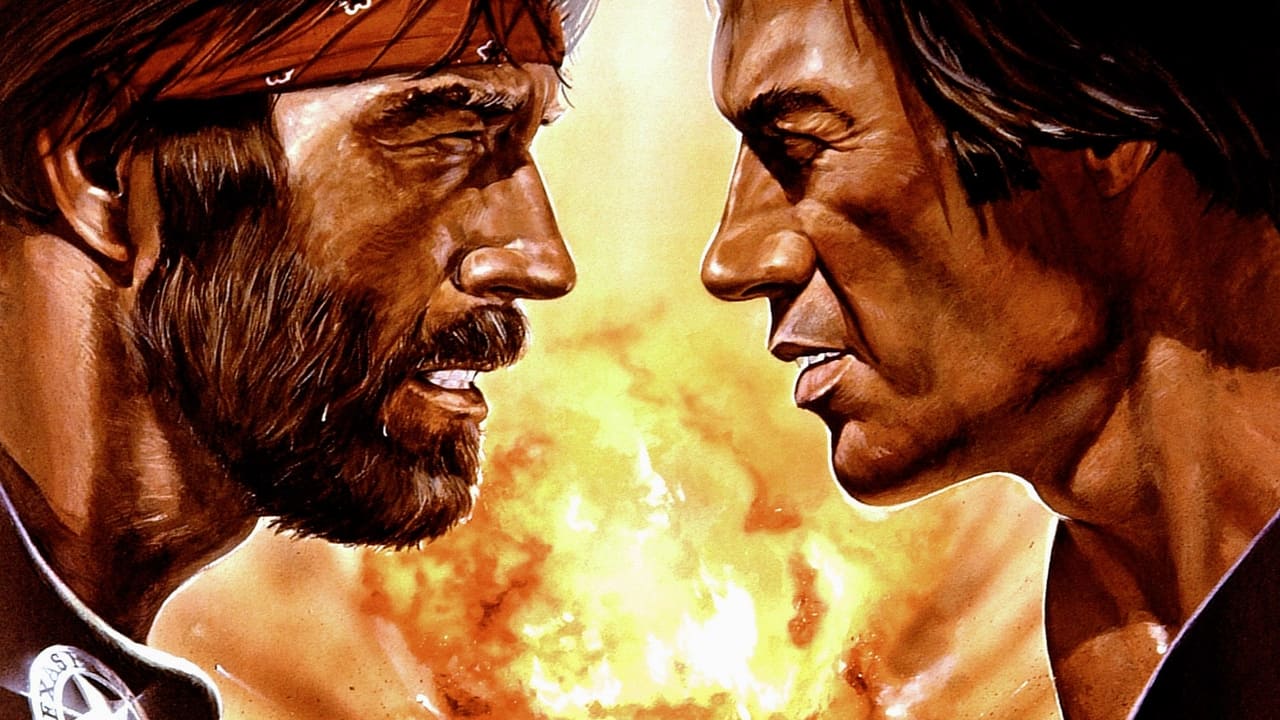
Dust devils dancing in the Texas heat, a lone figure silhouetted against the horizon, and the distinct growl of a supercharged V8 engine… If that image doesn’t immediately transport you back to the glorious days of browsing the action aisle at your local video store, then you might need to hand in your VHS Heaven membership card. We're talking about Steve Carver's gritty, dusty gem, Lone Wolf McQuade (1983), a film that didn't just star Chuck Norris; it arguably crystallized the stoic, bearded, butt-kicking persona that would dominate a certain brand of 80s action cinema.
The Ranger With No Leash
The setup is pure, distilled Reagan-era action gold: J.J. McQuade (Chuck Norris) is a Texas Ranger who prefers working alone, lives in squalor with a pet wolf (because of course he does), and thumbs his nose at authority. He’s the kind of guy who solves problems with a precisely aimed roundhouse kick or the business end of his .44 Magnum. When his daughter is kidnapped amidst a high-stakes arms smuggling operation run by the sophisticated yet utterly ruthless Rawley Wilkes (David Carradine), McQuade is forced to, well, do what he does best – unleash hell, Texas style. Steve Carver, who had directed Norris previously in An Eye for an Eye (1981), brings a lean, no-nonsense efficiency to the proceedings, perfectly capturing that sun-baked, border-town vibe. You can almost feel the grit under your fingernails just watching it. Much of that authentic feel comes from the decision to film on location in and around El Paso, Texas, ditching studio backlots for the real deal.
Norris Forges an Icon
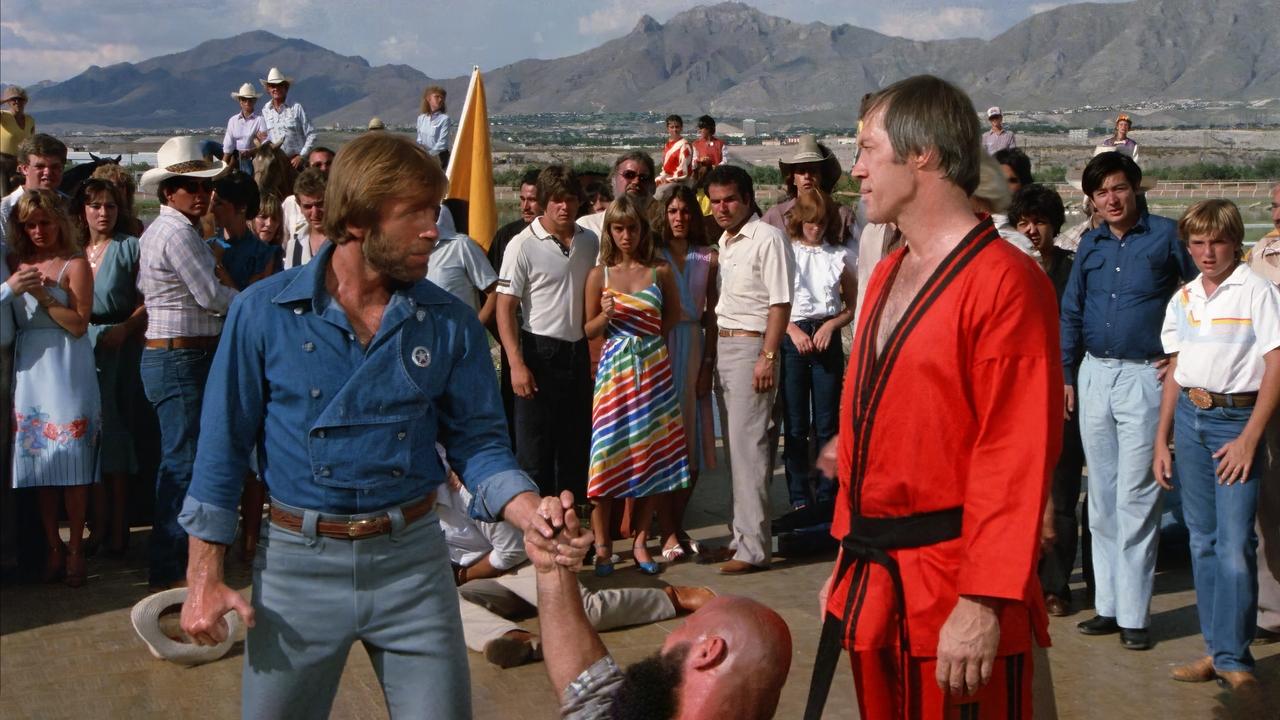
Let's be honest, Chuck Norris is McQuade. While he’d been making martial arts films for years, this role felt different. It was reportedly Norris’s own idea to sport the beard and cultivate a more rugged, individualistic look, moving away from his cleaner-cut karate champion image. It worked. McQuade isn’t just a fighter; he’s a force of nature, laconic and seemingly indestructible. Sure, the acting might lean towards the stoic (okay, very stoic), but it perfectly fit the mold of the emerging 80s action hero – less concerned with complex emotions, more focused on righteous vengeance and improbable survival skills. Remember that scene where he gets buried alive in his Dodge Ramcharger? Pure 80s cinematic insanity! For filming that iconic 'mud hole' scene, they built special breakaway sets to ensure Norris's safety, but the claustrophobia and sheer grit felt terrifyingly real back then on our fuzzy CRT screens. That souped-up Ramcharger, by the way, practically became a co-star.
A Villain Worth Fighting
Every great action hero needs a truly memorable villain, and Lone Wolf McQuade delivers spectacularly with David Carradine as Rawley Wilkes. Fresh off his iconic run in TV's Kung Fu, Carradine plays Wilkes not as a brutish thug, but as a cultured, karate-practicing international criminal with a penchant for fine art and deadly precision. He's the chillingly calm counterpoint to McQuade's simmering rage. The casting was genius, setting up the inevitable showdown between two legitimate martial arts titans. Carradine apparently took the final fight choreography very seriously, wanting it to look as authentic as possible. Throw in the glamorous Barbara Carrera (hot off playing Fatima Blush in the Bond film Never Say Never Again that same year) as Lola Richardson, Wilkes's dangerous associate who complicates McQuade's life, and you have a compelling central conflict.
Real Stunts, Real Sweat, Real Awesome
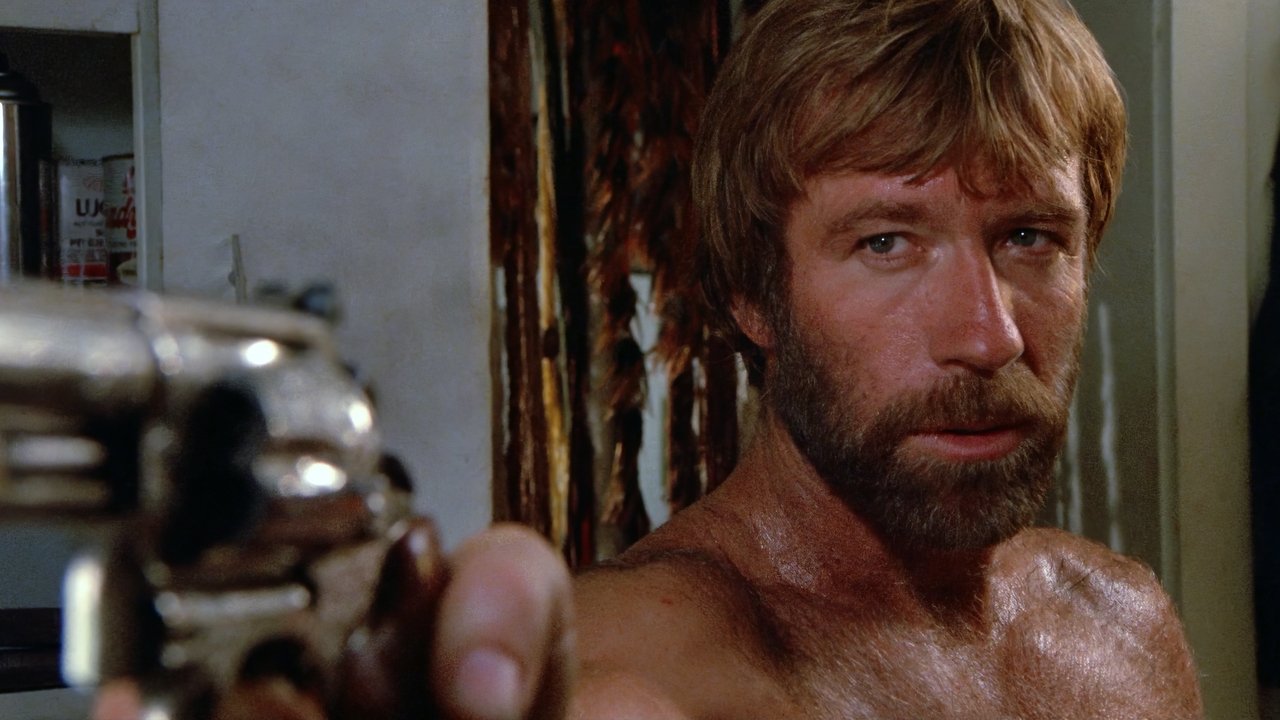
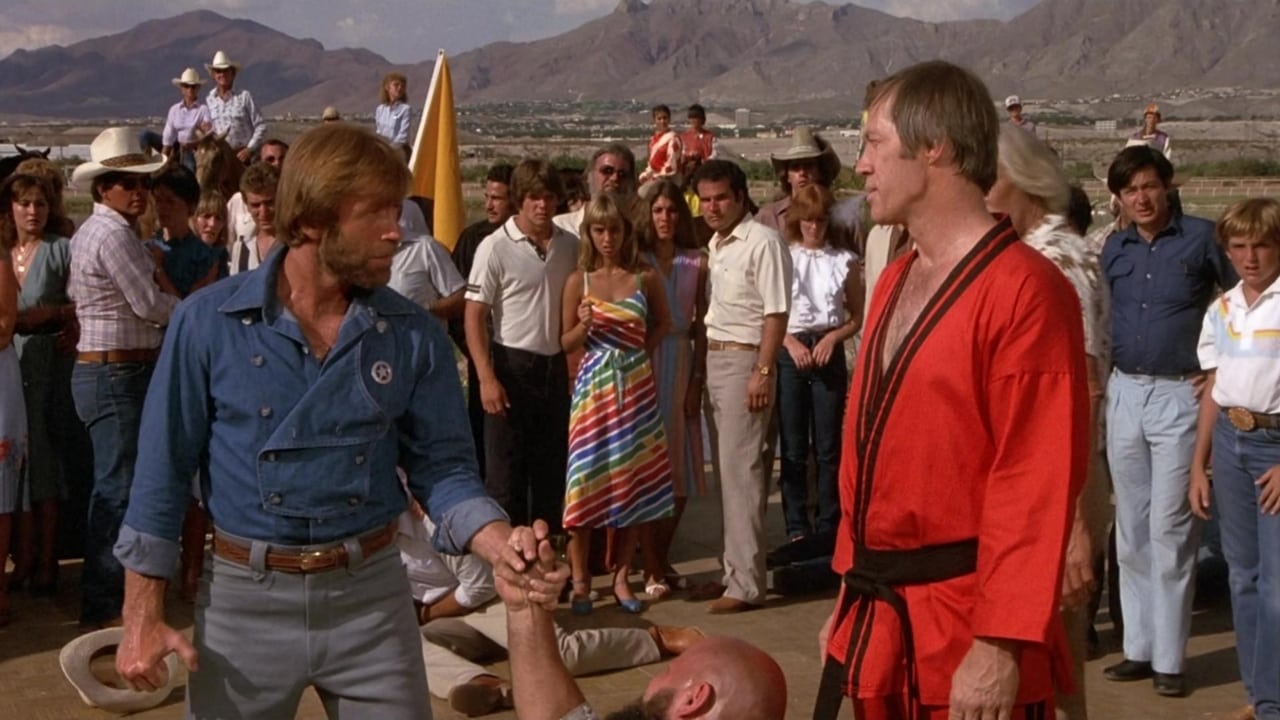
This is where Lone Wolf McQuade truly shines for us retro action fans. Forget silky-smooth CGI – this movie runs on pure, unadulterated practical effects and stunt work. The bar brawl feels messy and chaotic, the shootouts have that satisfyingly punchy feel with squibs erupting in puffs of fabric and dust, and the car chases? Glorious! Remember how visceral those impacts felt? The final confrontation between McQuade and Wilkes is a masterclass in 80s martial arts filmmaking – brutal, physical, and expertly staged. You believe these guys are hitting each other. It’s a grounded intensity that modern action sometimes struggles to replicate. You can almost smell the cordite and taste the dust kicked up by spinning tires.
Behind the Dust Clouds
The film wasn't just a creative success; it was a crucial one for its studio. Orion Pictures was reportedly on shaky financial ground at the time, and Lone Wolf McQuade represented a significant gamble. Its solid performance at the box office (pulling in around $12 million on a roughly $5 million budget – a healthy return back then) helped stabilize the studio and proved Norris's bankability as a leading man. While critics were somewhat mixed, audiences, especially on the booming home video market, absolutely ate it up. You couldn't walk into a video store without seeing that iconic cover art. And let's not forget the supporting cast adding flavor, like the always-welcome veteran L.Q. Jones as McQuade's fellow Ranger, Dakota. Adding to the unique atmosphere is the score by Francesco De Masi, a composer known for his work on Spaghetti Westerns. His music lends the film an almost elegiac, Morricone-esque quality that perfectly underscores its modern Western sensibilities. It's no exaggeration to say this film laid the groundwork for Norris's future television juggernaut, Walker, Texas Ranger.
The Verdict
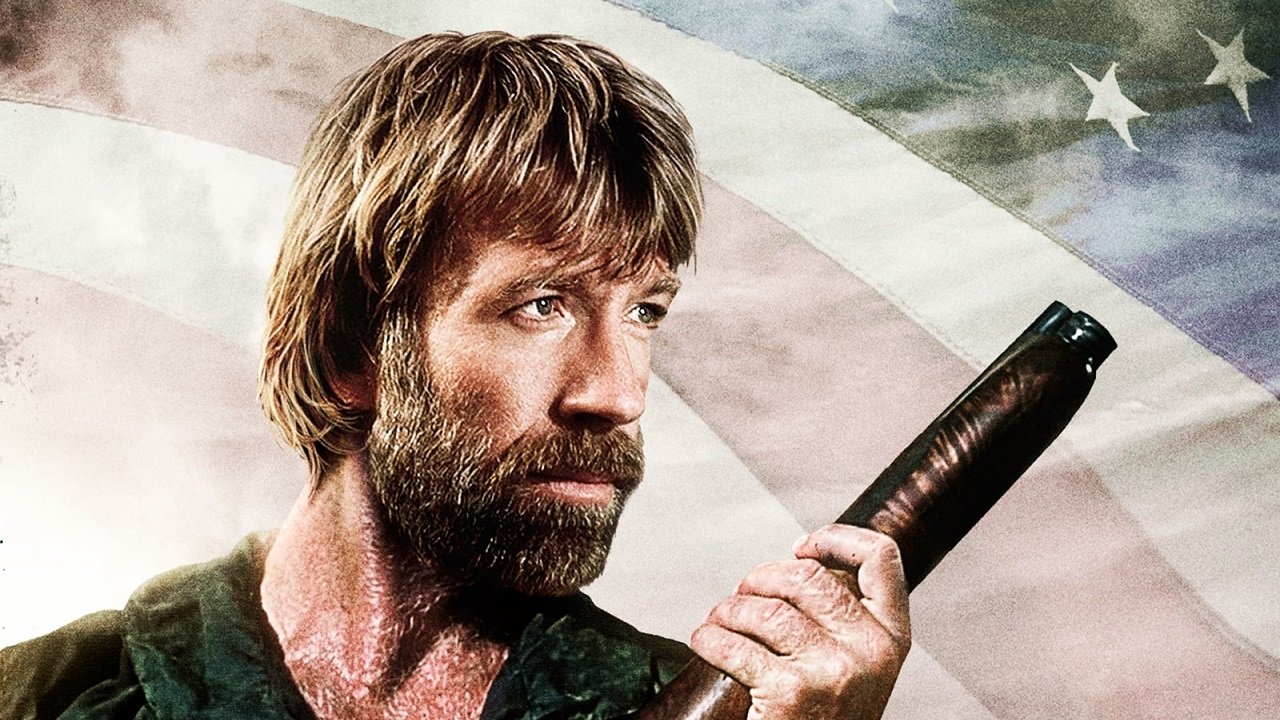
Lone Wolf McQuade is quintessential 80s action filmmaking. It’s tough, straightforward, and powered by a career-defining performance from Chuck Norris and a fantastic villain turn by David Carradine. The practical stunt work feels raw and impactful even today, reminding us of a time when action sequences relied on tangible grit rather than digital wizardry. It perfectly balances its Western influences with explosive martial arts and gunplay. Sure, some elements feel delightfully dated now, but its rugged charm and sheer commitment to old-school action thrills remain undeniable. It knew exactly what it wanted to be, and it delivered with a roundhouse kick to the face.
Rating: 8/10 - This score reflects the film's status as a defining moment for Norris, its excellent villain, memorable practical action, and its perfect encapsulation of a certain brand of rugged 80s cool. It might be straightforward, but it executes its premise with undeniable flair and grit.
Final Thought: Pop this one in your VCR (or, you know, your modern equivalent), crank up the volume, and bask in the glory of a time when action heroes were fueled by lone-wolf attitudes, supercharged engines, and the sheer guts of the stunt team. They don't make 'em quite like McQuade anymore.