There are certain VHS tapes that practically radiated ambition right from the shelf of Blockbuster, their covers promising explosive action and grand adventure on a scale that felt almost impossibly huge. Few promised more – or ultimately, delivered quite so notoriously – as 1995’s Cutthroat Island. It arrived amidst a flurry of hype and whispers of troubled waters, a swashbuckling epic seemingly determined to single-handedly revive the pirate genre with sheer, breathtaking spectacle. And spectacle, dear readers, is something this film delivers in glorious, albeit chaotic, spades.

A Treasure Worth Seeking?
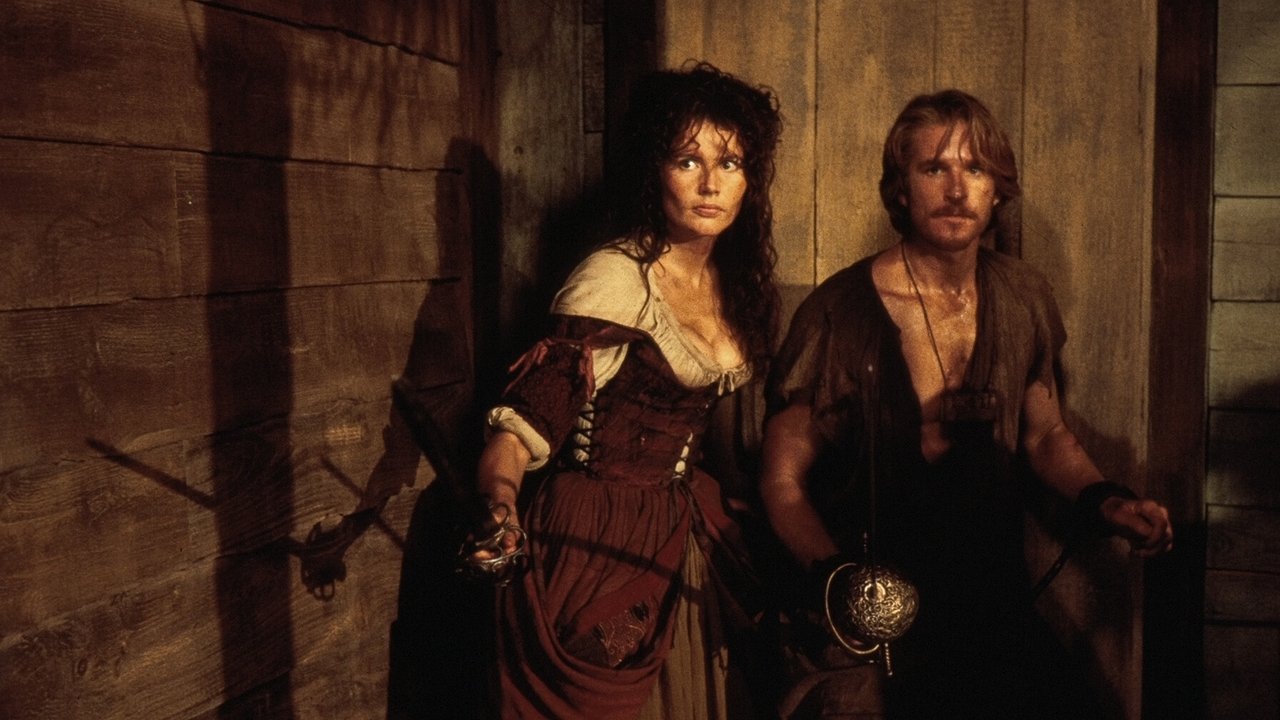
Directed by the maestro of high-octane action, Renny Harlin (hot off hits like Die Hard 2 (1990) and Cliffhanger (1993)), Cutthroat Island throws us headfirst into a world of high-seas treachery. We follow the fierce Morgan Adams, played with undeniable gusto by Geena Davis (then married to Harlin, and fresh from iconic roles in Thelma & Louise (1991) and A League of Their Own (1992)), who inherits her father's ship and one-third of a treasure map... tattooed onto his scalp. To find the legendary loot of Cutthroat Island, she must acquire the other map pieces held by her villainous uncle, Dawg Brown (Frank Langella, clearly having the time of his life hamming it up), and enlist the help of William Shaw (Matthew Modine, known for Full Metal Jacket (1987) and Vision Quest (1985)), a charming con man who can conveniently translate the Latin map. What follows is a whirlwind of ship battles, daring escapes, sword fights, and explosions – everything a burgeoning 90s action fan could seemingly ask for.
The Billion-Dollar Barnacle
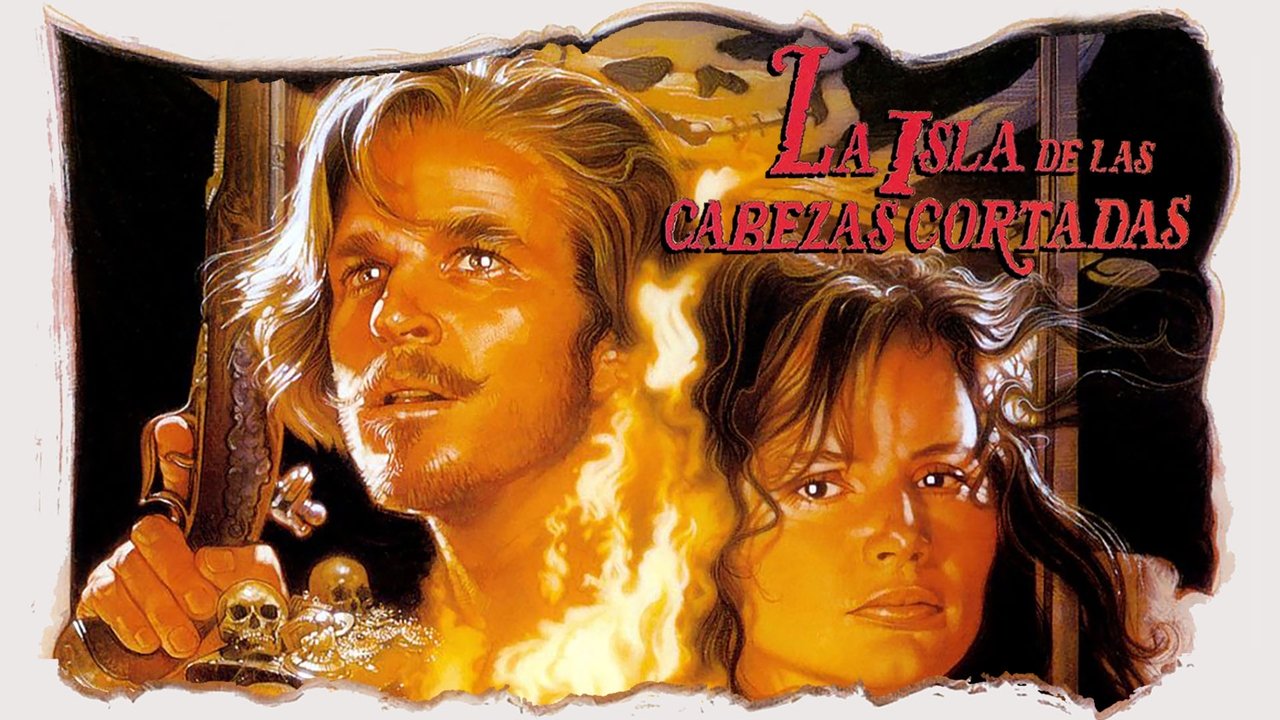
But the real legend of Cutthroat Island isn't the treasure Morgan seeks; it's the film's own troubled and astronomically expensive production history. This wasn't just a movie; it was an event, bankrolled by the often-daring Carolco Pictures, the studio behind blockbusters like Terminator 2: Judgment Day (1991). Initially budgeted around $60 million, costs spiraled wildly out of control, ultimately landing somewhere between $98 million and $115 million depending on who you ask – an absolutely colossal sum for the mid-90s. The stories from the set are the stuff of Hollywood legend: constant script rewrites reportedly costing millions, elaborate sets built in Malta and Thailand facing weather woes, and Harlin's demanding directorial style leading to crew turnover. Finding a male lead became a quest in itself after original star Michael Douglas dropped out; big names like Tom Cruise, Keanu Reeves, and Liam Neeson reportedly passed before Modine signed on, apparently after significant persuasion and a pay bump. It’s fascinating trivia now, but back then, it was a sign of a production sailing into treacherous waters.
All Hands on Deck!
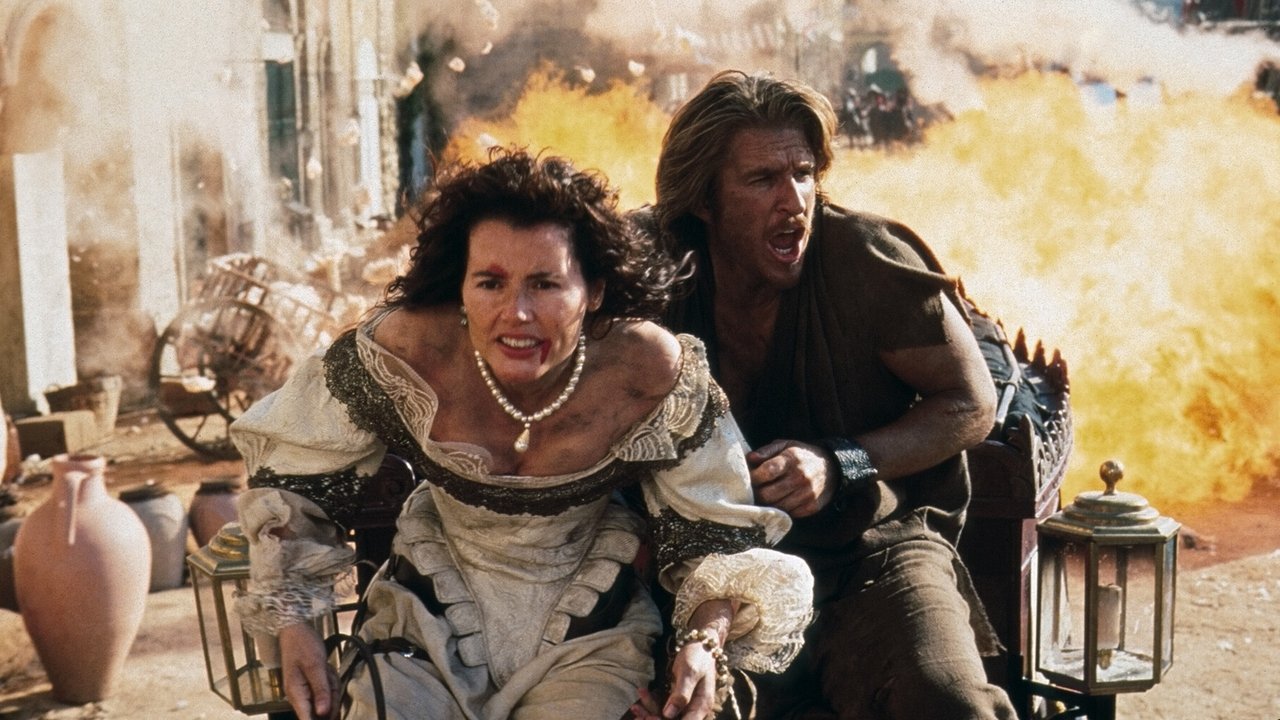
Despite the behind-the-scenes turmoil, you absolutely see the money on screen. The practical effects are genuinely staggering. Harlin insisted on using full-sized ship replicas, resulting in some truly impressive naval sequences. The sets are huge, the costumes are elaborate, and the stunt work is often breathtaking. Geena Davis, to her immense credit, threw herself into the role, performing many of her own demanding stunts – including a memorable leap from a window onto a moving carriage. You can feel the physicality of the action; the explosions are real, the sword fights feel dangerous (even if sometimes chaotic), and the sheer scale is undeniable. It’s a tangible quality often missing in today’s CGI-heavy blockbusters, a real throwback to the era of practical filmmaking ambition. And complementing the visuals is John Debney's magnificent, rousing score – often cited as the film's unqualified high point, perfectly capturing the swashbuckling spirit the rest of the movie strains to maintain.
Navigating Choppy Waters
So, with all this incredible practical craftsmanship, a committed lead actress, and a legendary composer, why did Cutthroat Island become synonymous with box office disaster? Earning a meager $10 million domestically against its gargantuan budget, it effectively bankrupted Carolco Pictures and earned a spot in the Guinness Book of World Records as one of the biggest financial flops in history. Watching it today, the cracks are visible. The script, likely a victim of those endless rewrites, often feels disjointed and relies heavily on pirate movie clichés. Modine, while charming, seems somewhat disconnected, perhaps reflecting his reported clashes with Harlin. The pacing can be uneven, and the sheer relentless volume of the action sometimes borders on exhausting rather than exhilarating. It famously killed the pirate genre dead for nearly a decade until Disney resurrected it with Pirates of the Caribbean: The Curse of the Black Pearl in 2003.
The Verdict from the Crow's Nest
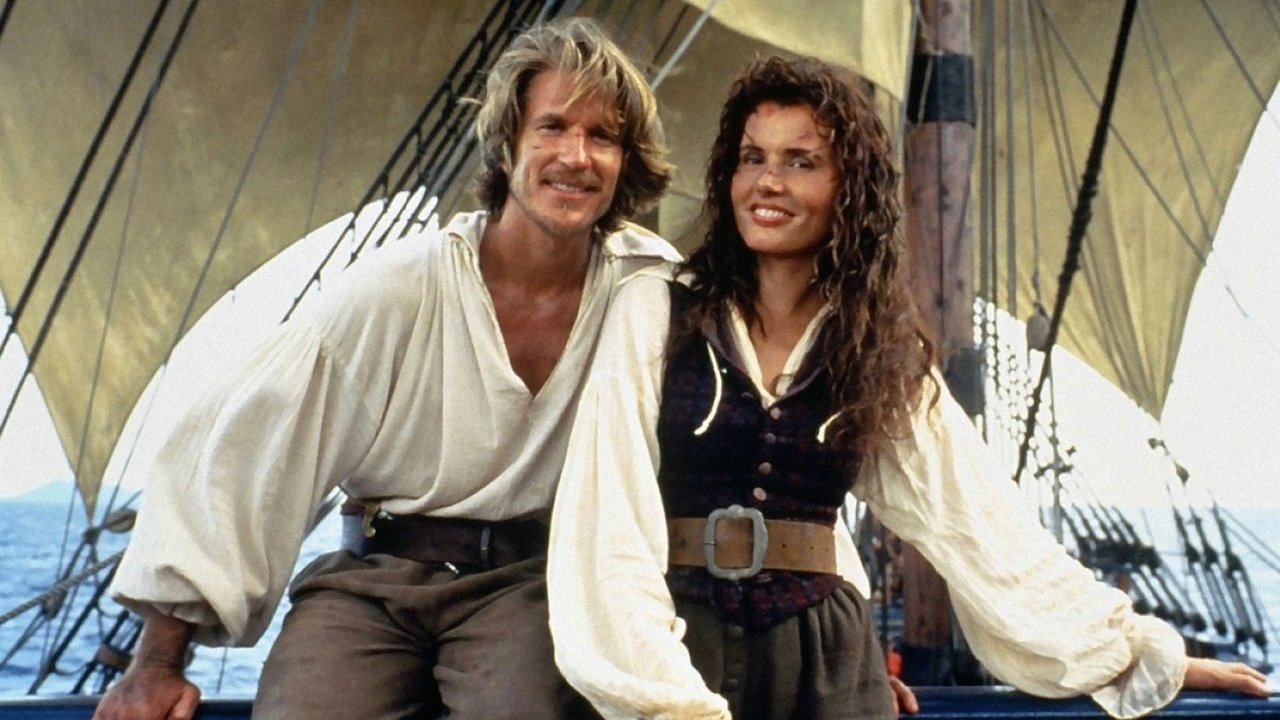
Is Cutthroat Island a misunderstood masterpiece? Not quite. Is it the unmitigated disaster its reputation suggests? Absolutely not. It's a fascinating artifact of a specific moment in blockbuster filmmaking – a time of go-for-broke practical effects and almost reckless ambition. There's a genuine sense of adventure buried beneath the flaws, fueled by Davis's energetic performance, Langella's delightful villainy, and that spectacular production value. For fans who remember the days of epic practical stunts and sheer, unadulterated cinematic scale, there's still a lot to enjoy here, perhaps with a knowing chuckle at its excesses. It’s the kind of movie that might have blown your young mind renting it on VHS, even if adult eyes spot the leaks in the hull.
Rating: 6/10
The score reflects the undeniable visual spectacle, thrilling practical action sequences, and John Debney's fantastic score, balanced against a weak script, uneven pacing, and its infamous production baggage. It’s a flawed adventure, but an undeniably big one.
Cutthroat Island remains a glorious, waterlogged monument to 90s Hollywood hubris – a wildly expensive, visually stunning, and ultimately doomed voyage that’s still, somehow, a ridiculously entertaining watch if you’re in the mood for pure, practical pirate pandemonium. Grab your eyepatch and enjoy the ride!