Lupin the Third: The Legend of the Gold of Babylon
Okay, fellow tapeheads, gather 'round. Let's talk about a Lupin III adventure that feels like it beamed in from another dimension, possibly one located right next door to Max Headroom's studio apartment. I'm talking about Lupin the Third: The Legend of the Gold of Babylon (1985), a film that likely left more than a few jaws on the shag carpet back in the day. Finding this one on the rental shelf often meant bracing yourself for something… different. And boy, did it deliver on that promise.
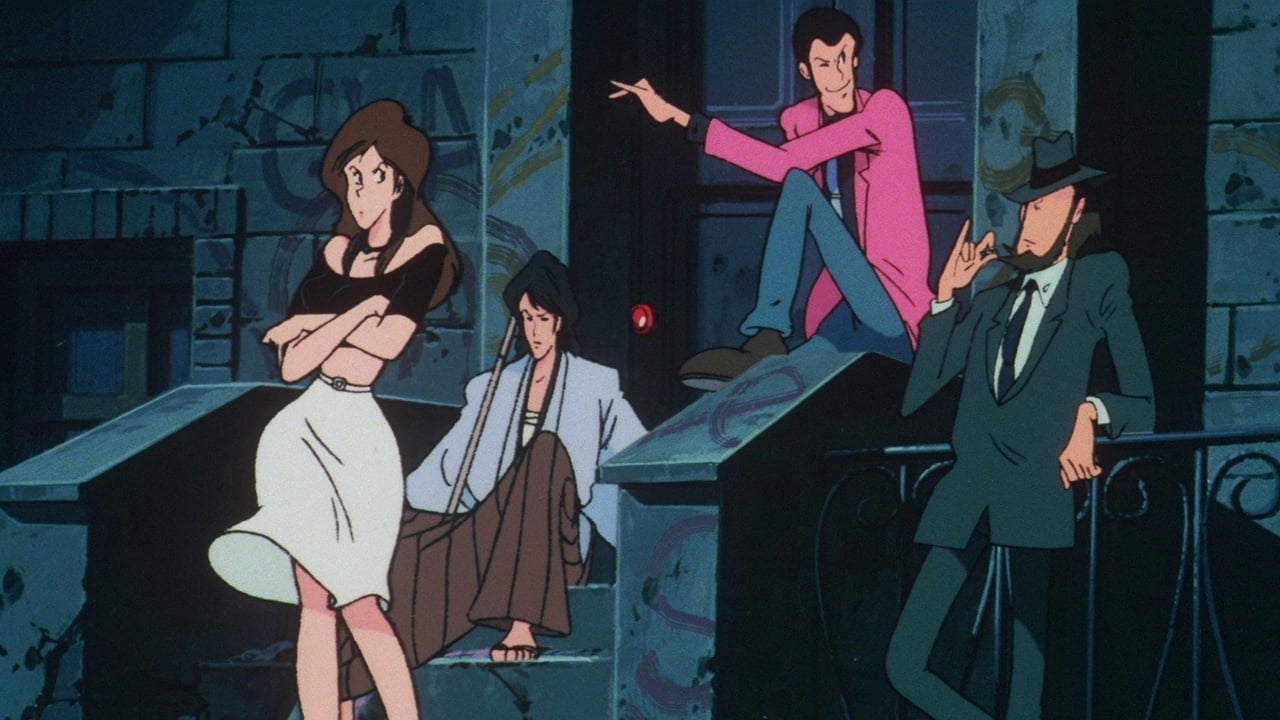
This wasn't your elegantly crafted Castle of Cagliostro. Oh no. This was Lupin filtered through a neon-drenched, bubblegum-pop lens, courtesy of a rather unexpected directorial pairing. While Shigetsugu Yoshida handled much of the animation direction, the legendary cult filmmaker Seijun Suzuki co-directed, and you can feel his anarchic spirit trying to burst through the animation cels. This is the same Suzuki who got famously fired from Nikkatsu studios in the 60s for making his gangster films too visually wild, culminating in the avant-garde masterpiece Branded to Kill (1967). Bringing him onto a beloved franchise like Lupin III? A move as audacious as Lupin himself stealing the Mona Lisa with a rubber chicken.
### Gold, Gangs, and… Giant Buddhas?
The setup feels classic Lupin on the surface: our favorite gentleman thief, Lupin III (voiced with his usual manic charm by the irreplaceable Yasuo Yamada), is after the legendary lost gold of Babylon. He’s spurred on by cryptic clues delivered by a mysterious, ancient-looking (and occasionally blues-singing) old woman named Rosetta. Naturally, his loyal partners are along for the ride: the stoic, sharp-shooting Daisuke Jigen (Kiyoshi Kobayashi, dependable as ever) and the samurai master Goemon Ishikawa XIII (Makio Inoue). The perpetually scheming Fujiko Mine (Eiko Masuyama) flits in and out, playing her own angles, while the eternally frustrated Inspector Zenigata (Gorō Naya) chases Lupin across the globe, this time with some truly bizarre Interpol backup.
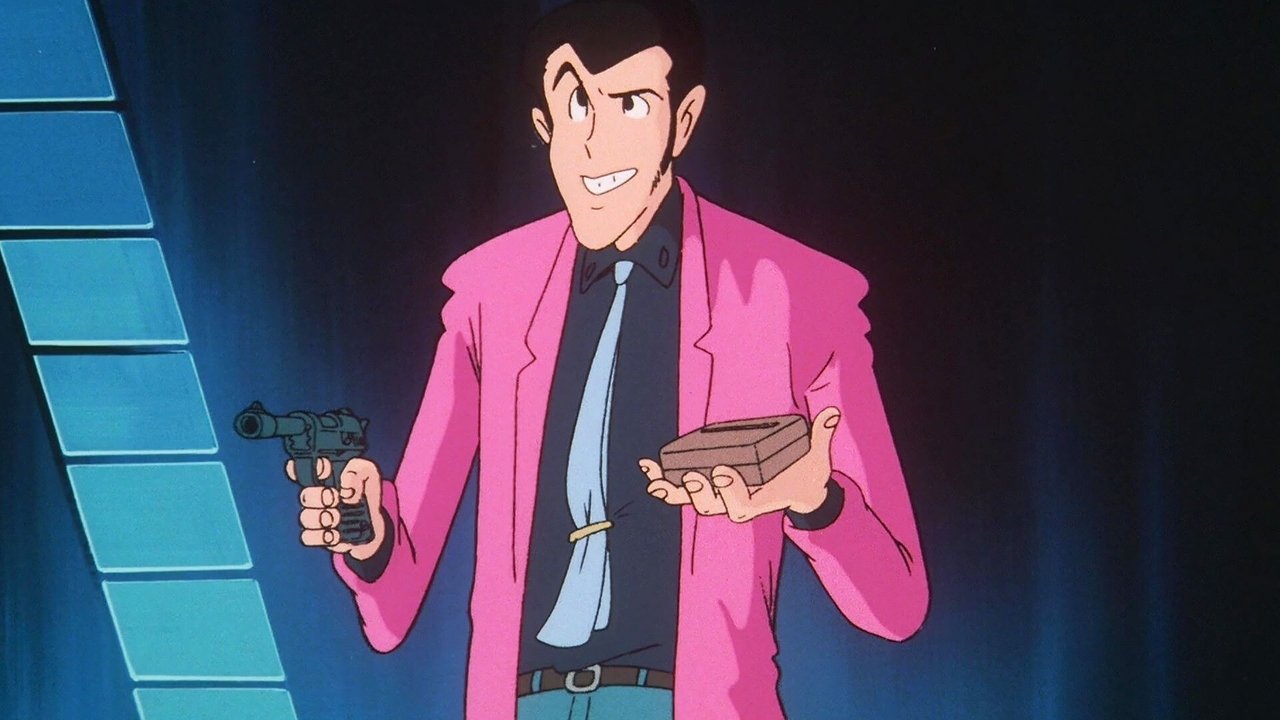
But any semblance of a standard caper quickly dissolves into a psychedelic swirl of motorcycle gangs clad in what looks like rejected Tron costumes, ancient alien conspiracies (yes, really!), hidden cities, and visual gags that stretch physics like taffy. Remember those moments in classic Looney Tunes where characters would zip off-screen leaving only a puff of smoke? Gold of Babylon cranks that energy up, adds synthesizers, and throws in a plot that feels like it was written on cocktail napkins during a particularly wild night.
### An 80s Aesthetic Overload
Let's talk about the look of this thing. Forget the grounded, detailed style of earlier Lupin adventures. Gold of Babylon embraces a hyper-stylized, almost aggressively cartoony aesthetic. Characters are incredibly elastic, moving with a rubbery fluidity that sometimes borders on the bizarre. The color palette is loud, favoring bright pinks, electric blues, and neons that scream mid-80s. It’s a far cry from the more painterly backgrounds of Cagliostro, opting instead for bold, graphic designs. Some found it jarring, a betrayal of the established Lupin look. Others, especially those with a taste for the unconventional, found a certain punk-rock energy in its refusal to conform.


This unique visual approach was reportedly a deliberate choice, aiming for something fresh and modern for the time. Whether it worked is still debated among fans decades later, but you can’t deny its distinctiveness. Suzuki's fingerprints seem most evident in the film's more surreal moments and its fragmented, almost dreamlike narrative structure. Little details, like strange background characters or unexpected visual non-sequiturs, hint at his avant-garde sensibilities bubbling just beneath the surface. It’s fascinating to see his style, usually confined to gritty Yakuza flicks, applied to the world of anime. Did he fully understand Lupin? Maybe not. Did he make something unforgettable? Absolutely.
### That Unmistakable 80s Sound
And the music! Oh, the music. Composed by the maestro Yuji Ohno, who penned Lupin’s iconic themes, the score here is pure, unfiltered 1985. Think heavy synth basslines, gated reverb drums, and catchy-if-slightly-cheesy pop melodies. The main theme song, "Manhattan Joke," is an earworm of the highest order, a perfect slice of 80s J-Pop that feels both wildly out of place and strangely appropriate for this particular Lupin outing. It sets the tone immediately: this is Lupin, but he’s traded his trench coat for a Members Only jacket.
### A Curious Case in the Lupin Canon
Legend of the Gold of Babylon wasn't a massive hit upon release, certainly not reaching the heights of Miyazaki's earlier effort. Critically, it was often dismissed, and many fans were perplexed by its radical departure in style and tone. It often ranks lower on fan lists, overshadowed by more traditional entries. Yet, like many oddities from the VHS era, time and the cult status of Seijun Suzuki have given it a second life. It’s the kind of film you might have stumbled upon late one night, the fuzzy tracking lines on your CRT TV somehow adding to the hallucinatory experience.
Was it trying too hard to be hip? Maybe. Does the plot completely fall apart if you stare at it too long? Probably. But there’s an undeniable, infectious energy to it. The animation, while unconventional, is fluid and expressive in its own way. The action sequences, though lacking the grounded feel of earlier films, are frenetic bursts of cartoon chaos. And it’s genuinely funny in places, leaning into the absurdity with gusto. I distinctly remember renting this from a local video store with a hand-drawn cover, having no idea what I was in for beyond "Lupin." It was certainly… an education.

Rating: 6/10
Justification: While undeniably stylish and unique thanks to Suzuki's involvement and the bold 80s aesthetic, the often incoherent plot and jarring animation style make it a less satisfying Lupin adventure compared to the classics. However, its sheer weirdness, historical curiosity as a Suzuki anime, and infectious energy earn it points. It's not peak Lupin, but it's far from forgettable.
Final Thought: The Legend of the Gold of Babylon is like finding a bootleg cassette of your favorite band doing an experimental synth-pop album – confusing, maybe not entirely successful, but fascinating and undeniably a product of its time. A bizarre trip well worth taking for the adventurous retro anime fan.