Okay, fellow tape travellers, gather 'round the flickering CRT glow for a moment. Before the Grand Line became a household name, before the Going Merry (or the Thousand Sunny) sailed into billions of hearts via the long-running TV anime, there was… something else. A rumour, a whisper on the salty sea breeze of late 90s anime fandom. I'm talking about a rare treasure map leading not to gold, but to the very first animated adventure of Monkey D. Luffy and his nascent crew: the 1998 OVA, One Piece: Defeat the Pirate Ganzack!. Finding a copy of this back in the day felt like uncovering a genuine piece of lost pirate lore, a fascinating glimpse into what might have been.
### A Different Kind of Voyage
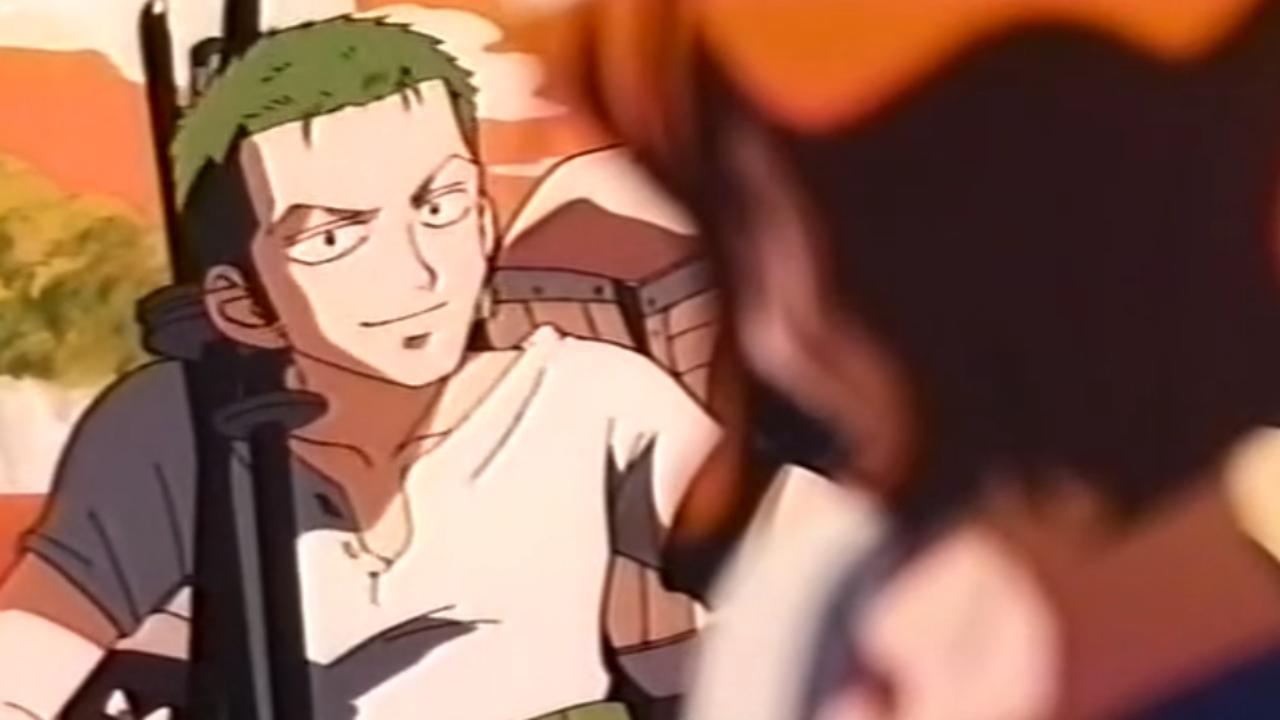
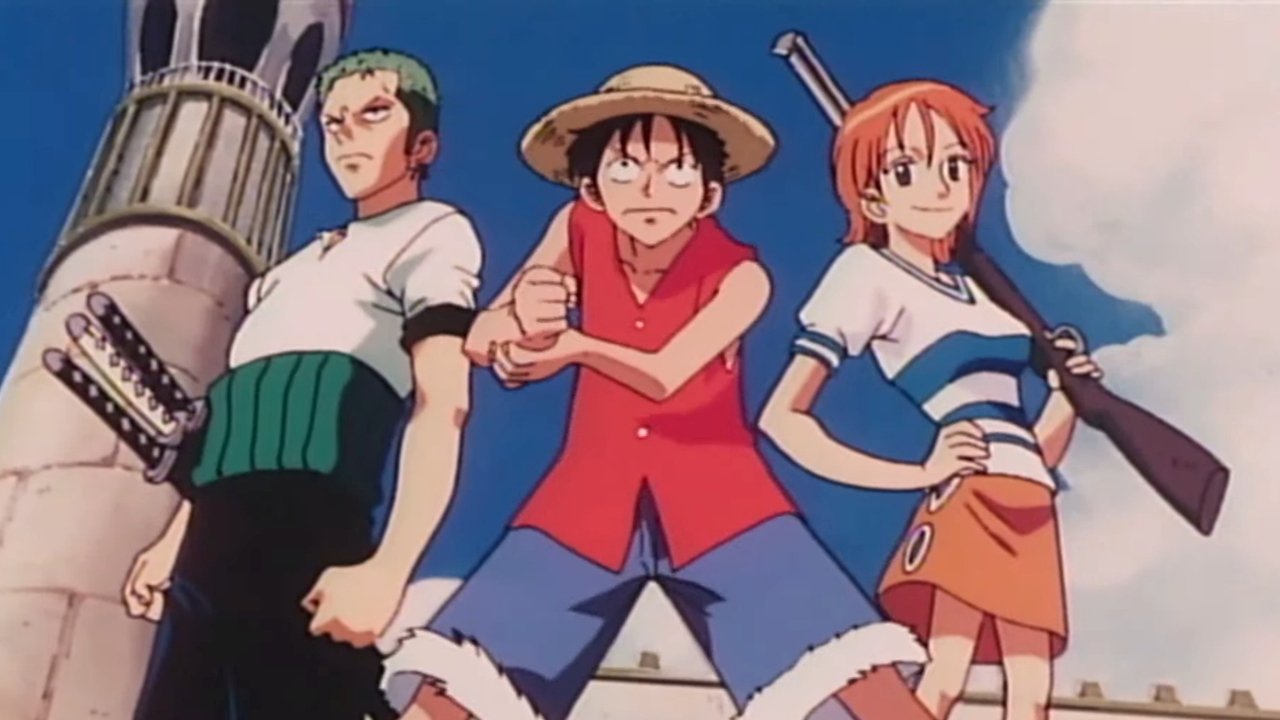
Produced by the renowned studio Production I.G. (who would later give us titans like Ghost in the Shell: Stand Alone Complex) for the Jump Super Anime Tour '98, this 30-minute special is a curious and utterly charming time capsule. Forget the Toei Animation style that would define the series just a year later; this OVA, directed by a then-lesser-known Gorô Taniguchi (who would eventually helm the mega-hit Code Geass), boasts a distinctly different aesthetic. The character designs, while recognizably Eiichiro Oda's creations (he even had a writing credit alongside Taniguchi), feel rougher, perhaps a bit closer to the earliest manga chapters. Luffy, Zoro, and Nami are all here, but they look... well, younger, somehow rawer than their eventual TV counterparts.
The plot itself is classic early One Piece: Luffy, Zoro, and Nami, adrift and starving (naturally), wash ashore on an island oppressed by the brutish, crab-themed pirate Ganzack and his crew. They encounter a resourceful young girl named Medaka, whose father was taken by the villains. Cue heroic declarations, rubbery punches, slashing swords, and cunning navigation – the core ingredients are all present and accounted for. It’s a simple, self-contained story, perfect for its short runtime, capturing the essential spirit of adventure, justice, and, of course, food that Oda baked into his creation from the very beginning.
### Hearing Familiar Voices... Differently
One of the most immediately striking things for modern fans watching Defeat the Pirate Ganzack! is the voice cast. Forget the iconic tones we know today. Here, Luffy is voiced not by Mayumi Tanaka, but by Urara Takano. Zoro isn’t Kazuya Nakai yet; he’s Wataru Takagi (who would later voice Bellamy and Van Augur in the main series!). And Nami is brought to life by Megumi Toyoguchi instead of Akemi Okamura. It’s undeniably jarring at first, like hearing your best friend speak with a completely different voice. Yet, there's a unique charm to it. These performances capture the essence of the characters, even if they aren't the definitive versions lodged in our collective consciousness. It’s a fascinating "what if?" scenario preserved on tape (or, more likely now, digital files).
### Retro Fun Facts: The Proto-Piece
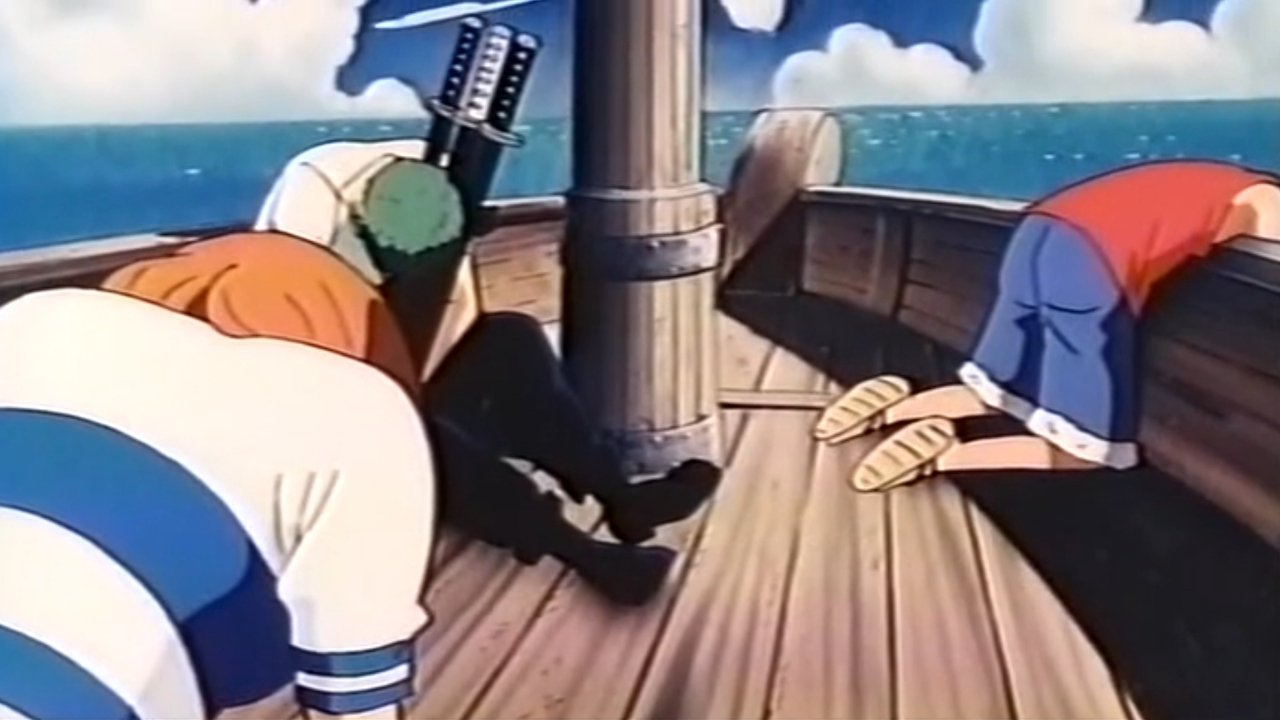
Let's dig into the treasure chest for some trivia! This OVA wasn't just an early animation; it was the test flight. Produced before the massive Toei series began airing in October 1999, Defeat the Pirate Ganzack! served as a proof-of-concept, showcasing the potential of Oda's world in animated form. Its limited screenings during the Jump Super Anime Tour meant it was initially seen by relatively few, adding to its mystique among Western fans who heard whispers of it through grainy fan-subs and online forums in the dial-up era. Production I.G.'s involvement is also noteworthy; their typical style leans towards more detailed, often grittier animation than what Toei eventually delivered, making this OVA visually distinct. Seeing Luffy stretch and Zoro wield his swords under their animation philosophy is a unique treat. While specific budget numbers are lost to the sea fog of time for OVAs like this, its existence proves Shueisha was testing the waters for a larger anime commitment.
### The Animation and the Vibe
The animation itself holds up surprisingly well for a late-90s OVA. Production I.G. clearly put effort into it. Movements are fluid, especially Luffy's Gum-Gum techniques, which already show creative flair. The colour palette feels a bit more muted compared to the vibrant TV series, lending it a slightly different atmosphere – less overtly sunny, perhaps a touch more grounded, despite the inherent absurdity of a rubber man fighting a crab pirate. There’s a certain handmade quality to it, a feeling common in OVAs of the era, that feels incredibly nostalgic now. You can almost feel the cel paint! It perfectly captures that late-90s anime energy – earnest, action-packed, and full of potential.
Watching it now, it feels less like a direct prequel and more like an alternate universe snapshot. It's One Piece, but viewed through a slightly different lens. It lacks the polish and iconic voice work of the main series, sure, but it possesses an undeniable energy and historical significance that makes it essential viewing for dedicated fans or anyone curious about the genesis of an anime legend. It’s like finding the pilot episode of a beloved show that used different actors – fascinating, slightly strange, but utterly worthwhile.
---
VHS Heaven Rating: 6.5/10
Justification: Defeat the Pirate Ganzack! is more of a historical curiosity and a charming oddity than a must-see adventure in its own right unless you're a die-hard One Piece enthusiast. The different voice cast and art style can be jarring, and the story is simple OVA fare. However, its significance as the first animated One Piece, the competent Production I.G. animation for its time, and the sheer nostalgic thrill of seeing this early, raw version of the crew earn it solid points. It's not peak One Piece, but it’s a fascinating piece of the puzzle.
Final Thought: A rare pearl found washed ashore before the tide brought in the galleon – essential viewing for completionists and a delightful flashback for anyone who remembers the thrill of discovering anime treasures in the pre-streaming age.