It's strange to think about now, given its towering reputation, but The Shawshank Redemption wasn't exactly a box office sensation when it landed in 1994. On a budget of around $25 million, it initially struggled to find its audience in theaters, barely recouping its costs domestically. Yet, lurking within that unassuming theatrical run was a film destined for a different kind of glory, one found not under the bright lights of the multiplex, but in the cozy glow of countless living rooms, passed hand-to-hand on well-worn VHS tapes. It became a word-of-mouth phenomenon, a staple of video rental stores, and ultimately, one of the most beloved films of its era – a testament, perhaps, to the enduring power of its central message.
### A Glimmer in the Grey
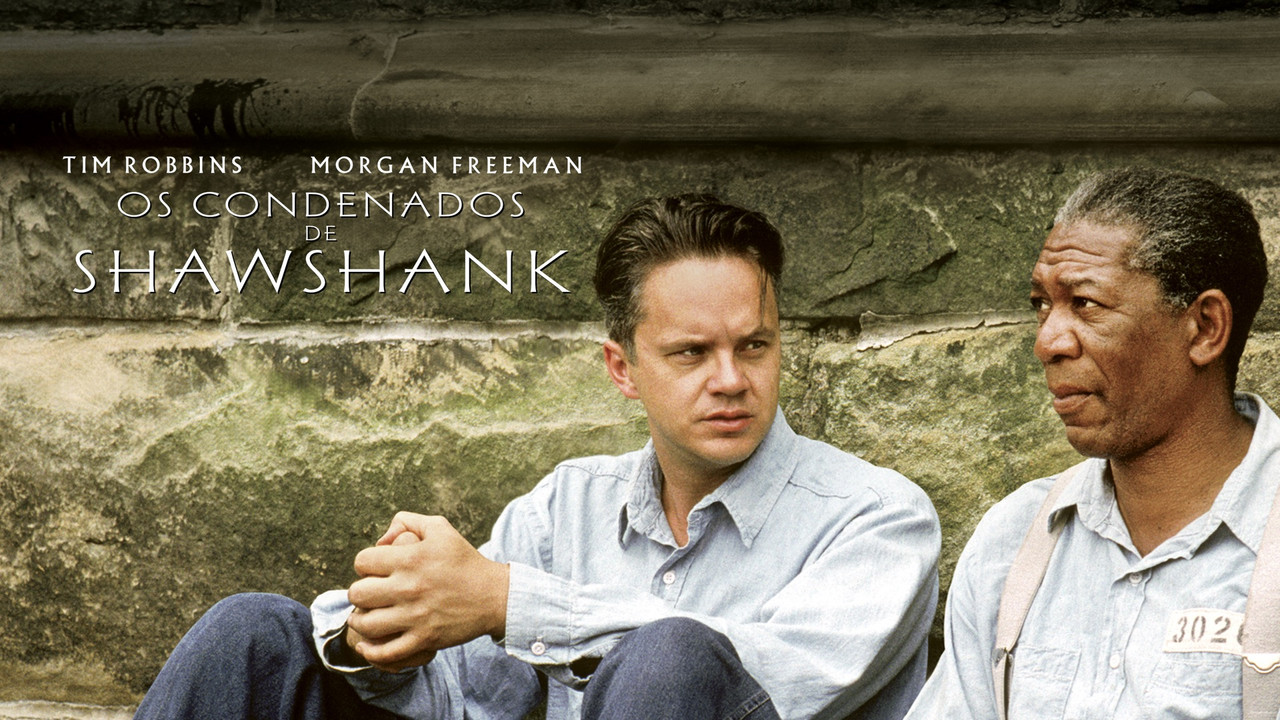
The film drops us, alongside banker Andy Dufresne (Tim Robbins), into the grim, imposing walls of Shawshank State Penitentiary in 1947. Accused of murdering his wife and her lover, Andy maintains his innocence, but the system, embodied by the chillingly pious Warden Norton (Bob Gunton) and the brutally pragmatic Captain Hadley (Clancy Brown, known to many genre fans from Highlander), cares little for his claims. What unfolds over the next two decades isn't a conventional prison escape thriller, though it certainly contains elements of that. Instead, it’s a profound meditation on endurance, friendship, and the stubborn refusal to let the human spirit be extinguished, even in the bleakest circumstances. Director Frank Darabont, in his feature debut (adapting Stephen King's novella "Rita Hayworth and Shawshank Redemption"), crafts an atmosphere thick with despair, the grey stone and muted colours reflecting the crushing monotony of prison life. Yet, within this oppressive environment, moments of unexpected grace somehow bloom.
### The Unlikely Bond
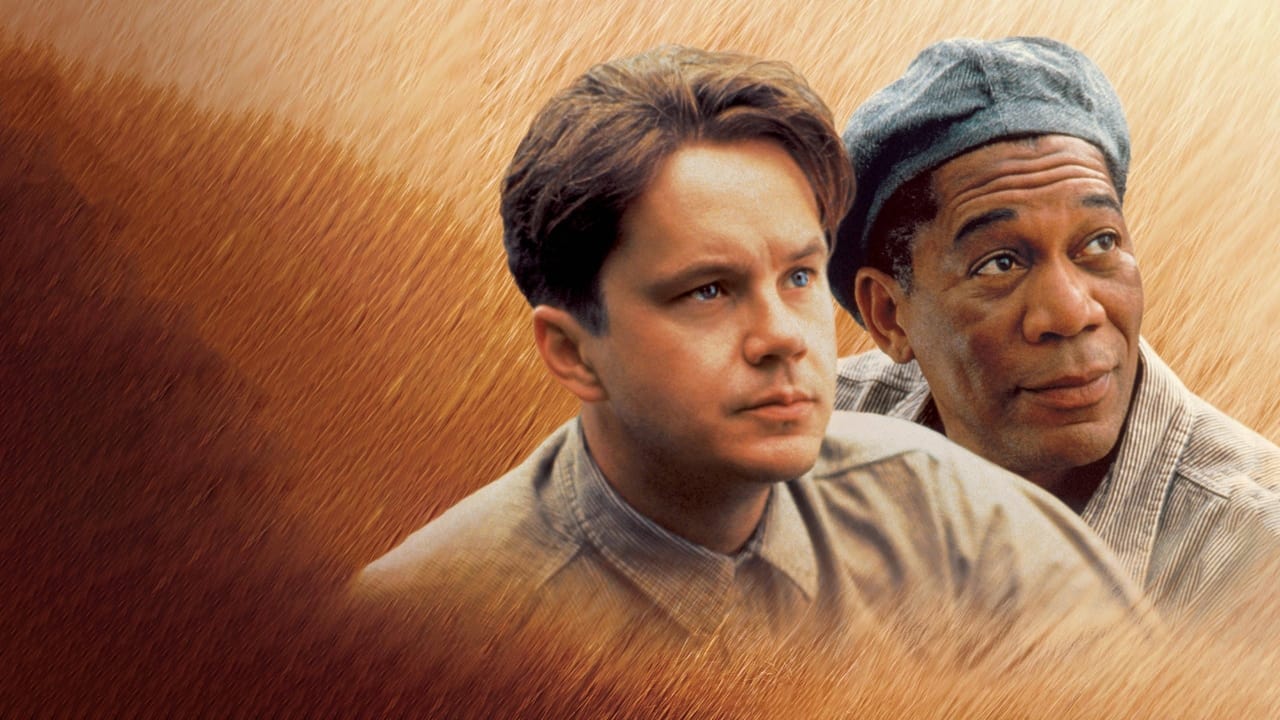
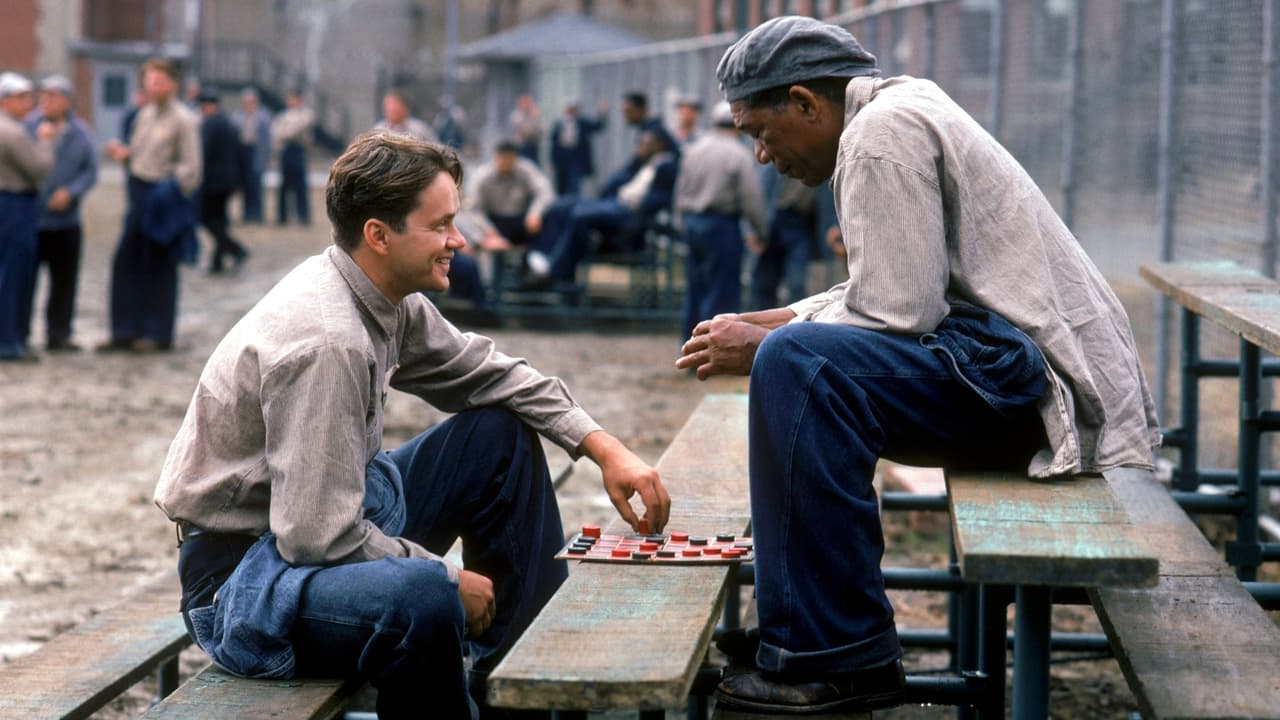
At the heart of Shawshank lies the relationship between Andy and Ellis "Red" Redding (Morgan Freeman), the man who "can get things." Freeman's performance, complete with that now-iconic, world-weary narration, is simply masterful. He conveys decades of institutionalization, the slow erosion of hope, but also a deep-seated decency and a capacity for connection that Andy gradually reawakens. Red initially observes Andy with detached curiosity, betting against the quiet newcomer's chances of survival. But Andy’s quiet dignity and unwavering sense of self slowly chip away at Red’s cynicism. Their friendship, built over chess games, shared cigarettes, and quiet conversations in the prison yard, becomes the film's emotional anchor. Tim Robbins matches Freeman perfectly, embodying Andy's resilience not through grand pronouncements, but through small, persistent acts of defiance and self-worth – polishing rocks, building a library, playing Mozart over the prison loudspeakers in a moment of breathtaking, transcendent beauty. It’s a performance of remarkable stillness and inner strength.
### Finding Hope in the Details
It's fascinating how Darabont, working from King's source material (which King famously sold the rights to for just $1, a gesture of faith in the aspiring director), finds hope not just in the grand narrative arc, but in the textures of prison life. The camaraderie among the inmates, the small victories like securing cold beers for the roof-tarring crew, the poignant tragedy of Brooks Hatlen (James Whitmore in a heartbreaking performance) who is lost outside the only home he’s known for fifty years – these moments add layers of humanity and realism. The film reminds us that even within a dehumanizing system, individual connections and small acts of kindness can sustain the soul.
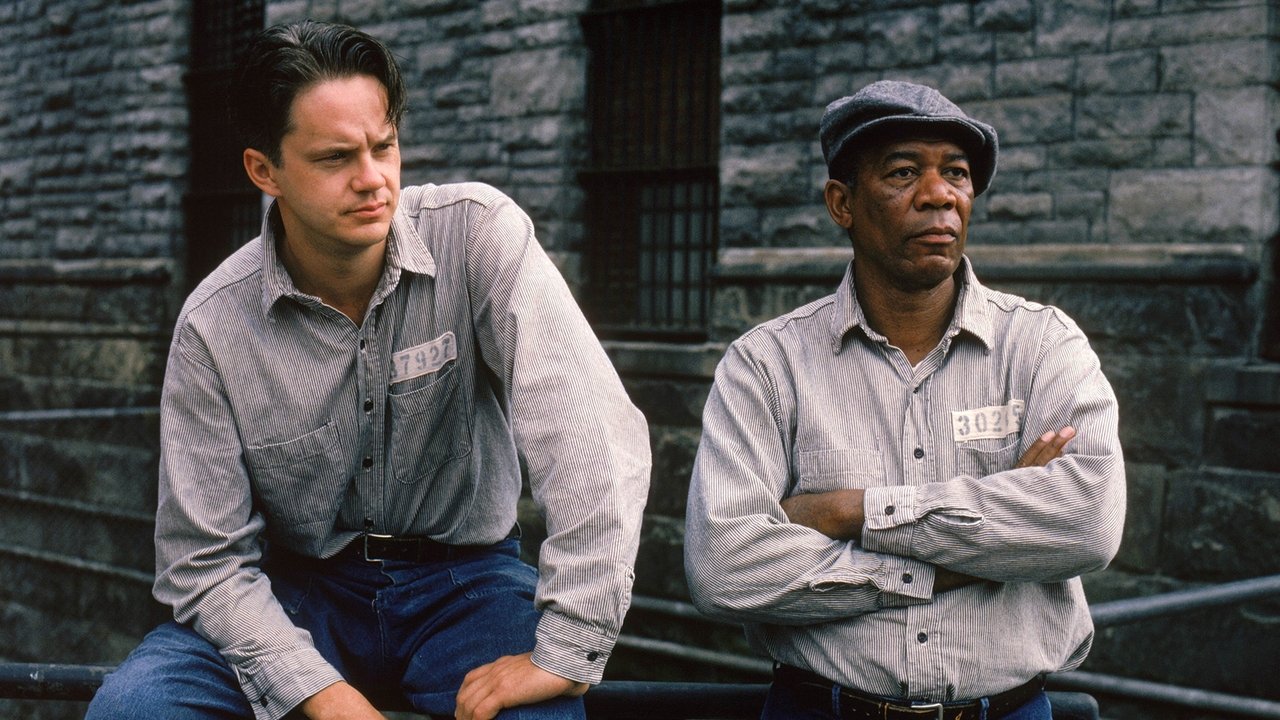
Digging into the production reveals the commitment involved. Darabont, passionate about the project, reportedly took a significant pay cut to ensure it got made his way. Finding the right leads was crucial; names like Tom Hanks, Kevin Costner, Harrison Ford, and Clint Eastwood were apparently considered for Andy or Red at various stages, but it's hard to imagine the film now without the specific chemistry of Robbins and Freeman. Filming took place largely at the imposing, and then-abandoned, Ohio State Reformatory, its genuine decay lending an undeniable authenticity to the screen. I remember hearing stories about the grueling conditions, particularly for Robbins during the filming of the sewage pipe escape – a physically demanding sequence that provides the film with one of cinema's most cathartic and visually unforgettable moments.
### Beyond the Walls
What truly elevates The Shawshank Redemption is its exploration of what it means to remain human under duress. Andy’s refusal to succumb to despair isn't just about physical survival; it’s about maintaining his inner freedom. His financial acumen becomes a tool, yes, but his insistence on hope, on the idea that "hope is a good thing, maybe the best of things, and no good thing ever dies," resonates far beyond the prison walls. Does this message feel almost too perfect, too uplifting for such a grim setting? Perhaps for some, but the film earns its emotional payoffs through the sheer weight of the preceding darkness. It doesn't shy away from the brutality or the corruption inherent in the system, making the eventual triumph feel genuinely cathartic.
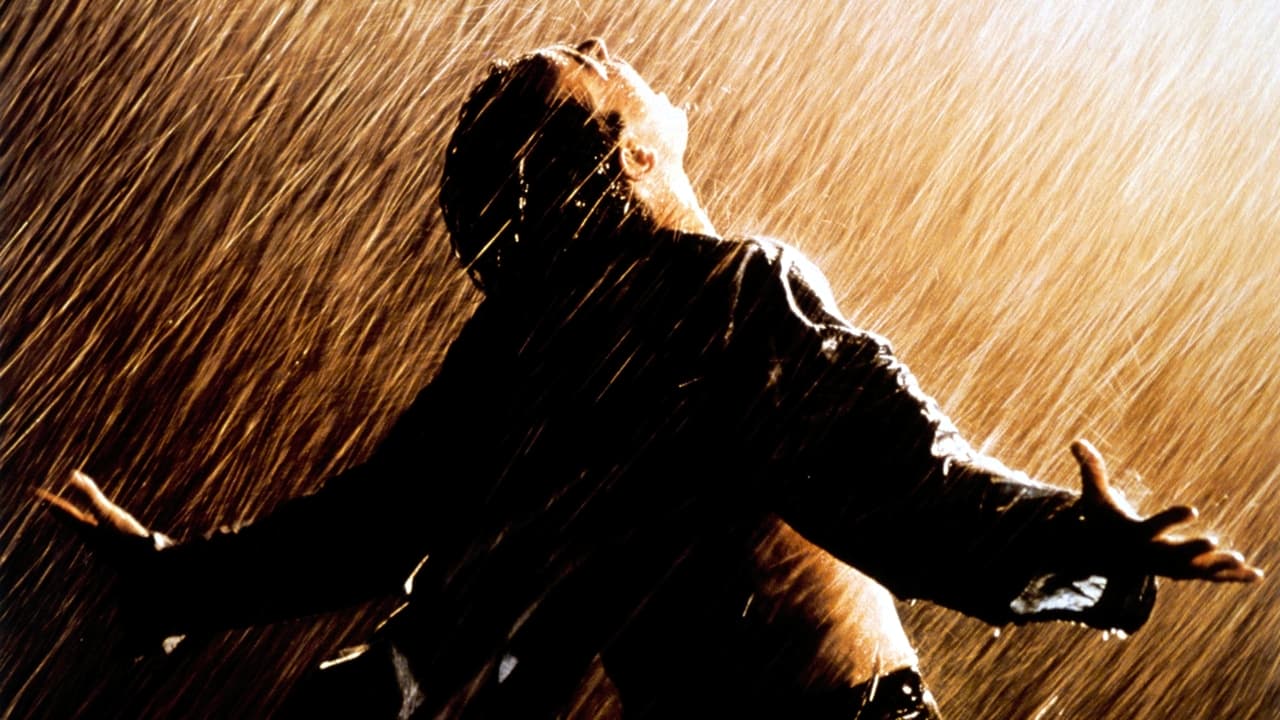
The film’s journey from modest theatrical release to its current revered status – often topping "greatest films of all time" lists – is largely thanks to the home video market and subsequent television airings. It found its audience slowly, persistently, much like Andy chipping away at his cell wall. I distinctly recall seeing that VHS box countless times at the local rental store, the image of Andy in the rain becoming almost iconic before I even saw the film. It became that movie – the one friends insisted you had to watch, the one that lingered long after the credits rolled.
Rating: 9.5/10
This score reflects a film that achieves near-perfection in its storytelling, performances, and thematic depth. While some might find its hopeful message a touch idealistic against the stark reality it portrays, the execution is so masterful, the characters so indelible, and the emotional impact so profound that it transcends minor quibbles. Robbins and Freeman deliver career-defining performances, and Darabont crafts a timeless tale of resilience that feels both grounded and inspirational. It’s a film that reminds us of the power of friendship and the enduring strength of the human spirit, earning its place not just as a VHS-era favorite, but as a true cinematic classic.
What lingers most, perhaps, isn't just the escape, but the quiet dignity Andy maintained throughout his ordeal, and the profound question: in the face of overwhelming darkness, where do we find our own Shawshank redemption?