It rarely shouts, this film. Unlike so many thrillers that crowded the shelves of Blockbuster in 1994, The Patriots (Les Patriotes) doesn’t announce its intentions with explosions or screeching tires. Instead, it unfolds with the quiet intensity of a whispered secret, pulling you into a world where the stakes are lethally high, but the methods are often mundane, meticulous, and morally murky. It’s a film that asks you to lean in, to observe, and to contemplate the human cost of unseen wars.
### Beyond the Gadgets and Glamour
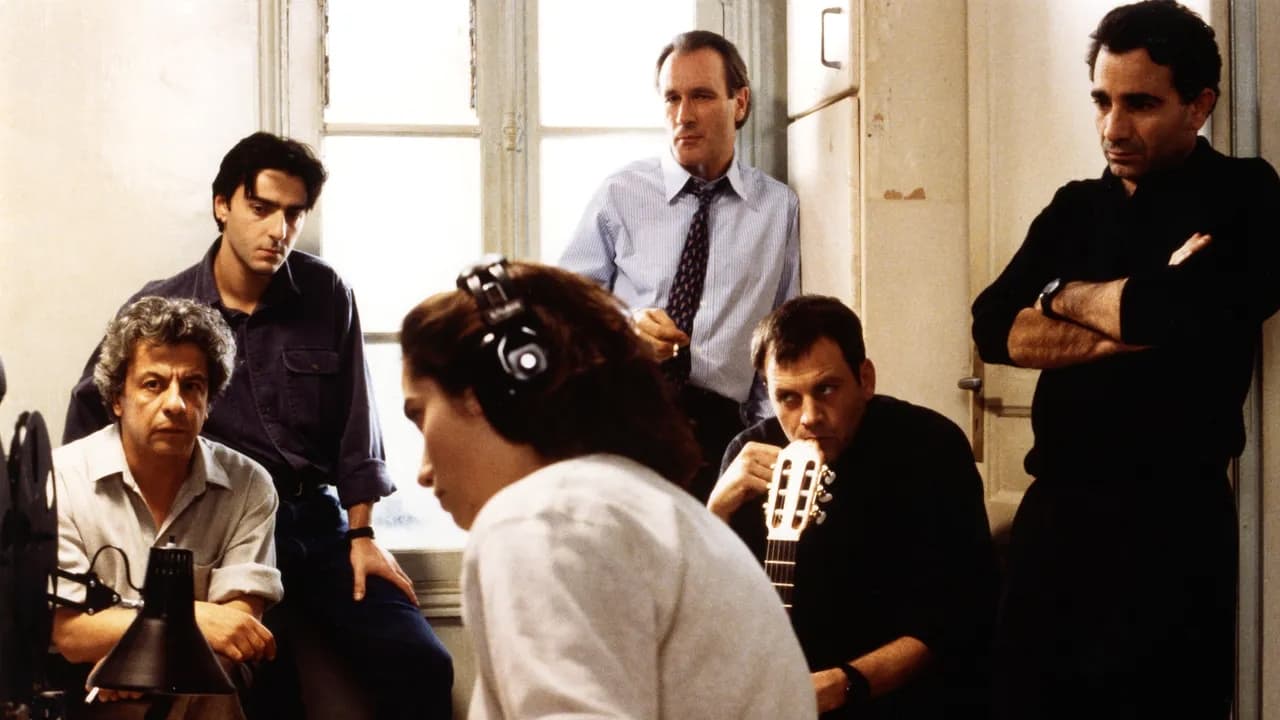
Directed and penned by Éric Rochant, who had already made waves in France with the César-winning Un monde sans pitié (1989), The Patriots offers a stark counterpoint to the Bond-esque fantasies of espionage. We follow Ariel Brenner, a young French Jew played with compelling nuance by Yvan Attal, who feels adrift in Paris. Seeking purpose and connection to his heritage, he immigrates to Israel and volunteers for the Mossad. What follows isn't a highlight reel of daring missions, but a patient, almost documentary-like immersion into the grueling training, the psychological conditioning, and the methodical tradecraft of intelligence work. Rochant famously immersed himself in research, striving for an authenticity that permeates every frame, from the techniques of surveillance and dead drops to the bureaucratic realities of the clandestine services. It feels less like a movie plot and more like being granted access to a hidden file.
### The Weight of the Work
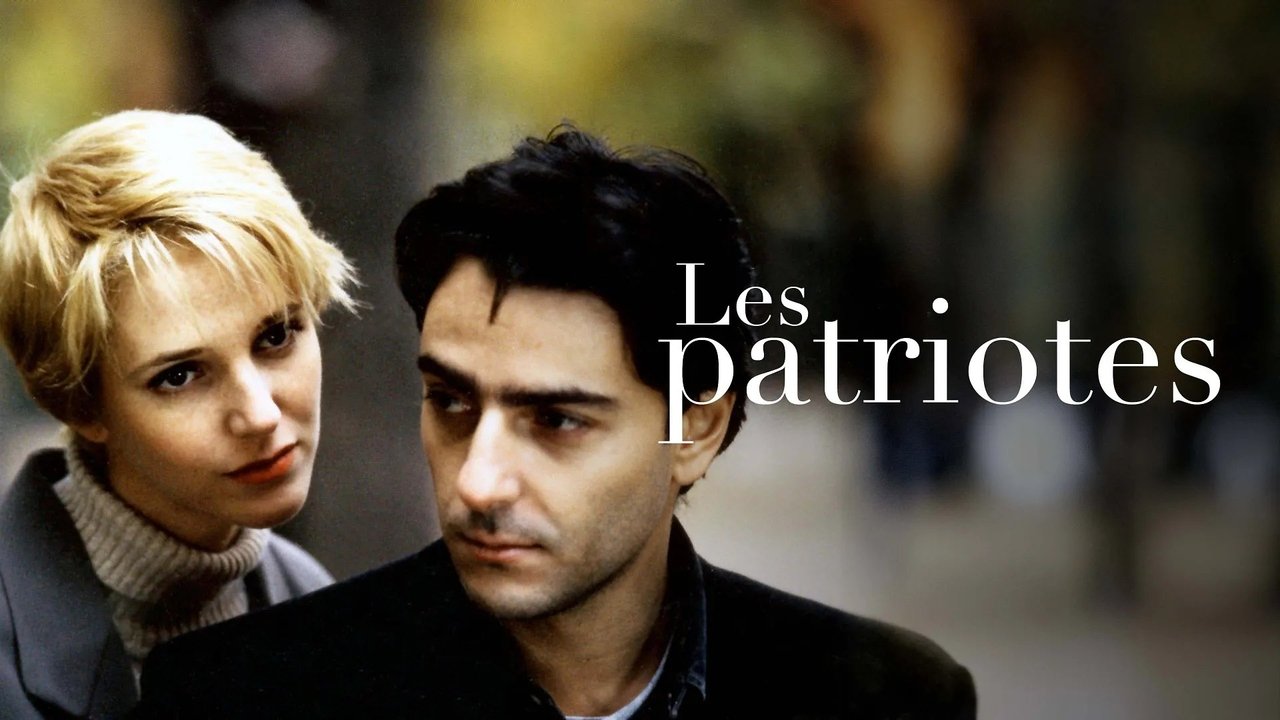
The film is largely structured around two major operations. The first sends Ariel and his team to the United States, tasked with acquiring sensitive information about a French nuclear program from an American scientist (played with nervous energy by Richard Masur). The second brings him back to Paris, targeting a PLO financier. Neither operation relies on superhuman feats; success hinges on painstaking planning, exploiting human weaknesses, and maintaining absolute emotional control. It's here that Yvan Attal truly anchors the film. His Ariel isn't a ready-made superspy. We see his initial idealism, his eagerness to belong, gradually erode under the weight of deception, isolation, and the morally compromising choices he must make. Attal conveys this internal journey with remarkable subtlety – a flicker in the eyes, a tightening of the jaw, a growing weariness that speaks volumes more than any dramatic outburst. It's a performance that feels deeply truthful, capturing the slow burn of disillusionment that often accompanies such clandestine lives. Supporting players like Sandrine Kiberlain and Emmanuelle Devos, early in their notable careers, add layers of complexity and humanity to the agents and civilians caught in the web. Even familiar faces like Allen Garfield and Nancy Allen appear, grounding the international intrigue.
### A Patient, Procedural Rhythm
Running close to two and a half hours, The Patriots demands patience, a quality perhaps less common in the rapid-fire editing styles that came to dominate the later 90s. Rochant allows scenes to breathe, focusing on the meticulous procedures – setting up surveillance, cultivating assets, the tense waiting. This deliberate pacing might test some viewers accustomed to more kinetic thrillers (consider that 1994 also gave us the non-stop bombast of True Lies), but it’s essential to the film's power. It builds a cumulative tension, not through constant action, but through the accretion of detail and the ever-present psychological strain on the characters. This wasn't a cheap production either; reportedly costing the equivalent of around $15 million USD back then, a significant sum for a French film, allowing for convincing location work in Israel, France, and the US, further enhancing the sense of realism. It even competed for the prestigious Palme d'Or at the Cannes Film Festival in 1994, signaling its artistic ambitions.
### Echoes in the Present
Watching The Patriots today, perhaps on a cherished, slightly worn VHS tape dug out from the back of the cupboard, is a fascinating experience. The technology feels dated, certainly – the chunky computers, the reliance on payphones – but the core themes resonate powerfully. The questions it raises about loyalty – to country, to ideology, to oneself – remain potent. What does it mean to be a patriot? What lines are acceptable to cross in the name of national security? The film offers no easy answers, presenting the world of espionage not as heroic adventure, but as a complex, often soul-crushing profession. Ariel's journey forces us to confront the human element often obscured by geopolitical maneuvering. Does the mission justify the means, especially when the means involve profound personal betrayal and psychological damage?
This film was one of those discoveries back in the rental days – the kind of box you might pick up based on a vague sense of intrigue, expecting one thing and finding something far richer and more thought-provoking. It didn’t become a massive international hit, but it lingered in the minds of those who saw it, a testament to its intelligent construction and quiet power.
Rating: 8/10
The Patriots earns this score for its unwavering commitment to realism, Éric Rochant's masterful control of tone and pacing, and a truly exceptional central performance from Yvan Attal. It eschews spy movie clichés for a deeply considered, morally complex portrait of espionage that feels remarkably authentic. While its deliberate pace might not suit all tastes, its intelligence and refusal to offer simple resolutions make it a standout thriller from the era – a genuine hidden gem deserving of rediscovery.
It leaves you not with the adrenaline rush of a typical spy caper, but with a lingering sense of unease and a profound respect for the quiet, often unseen burdens carried by those who operate in the shadows.