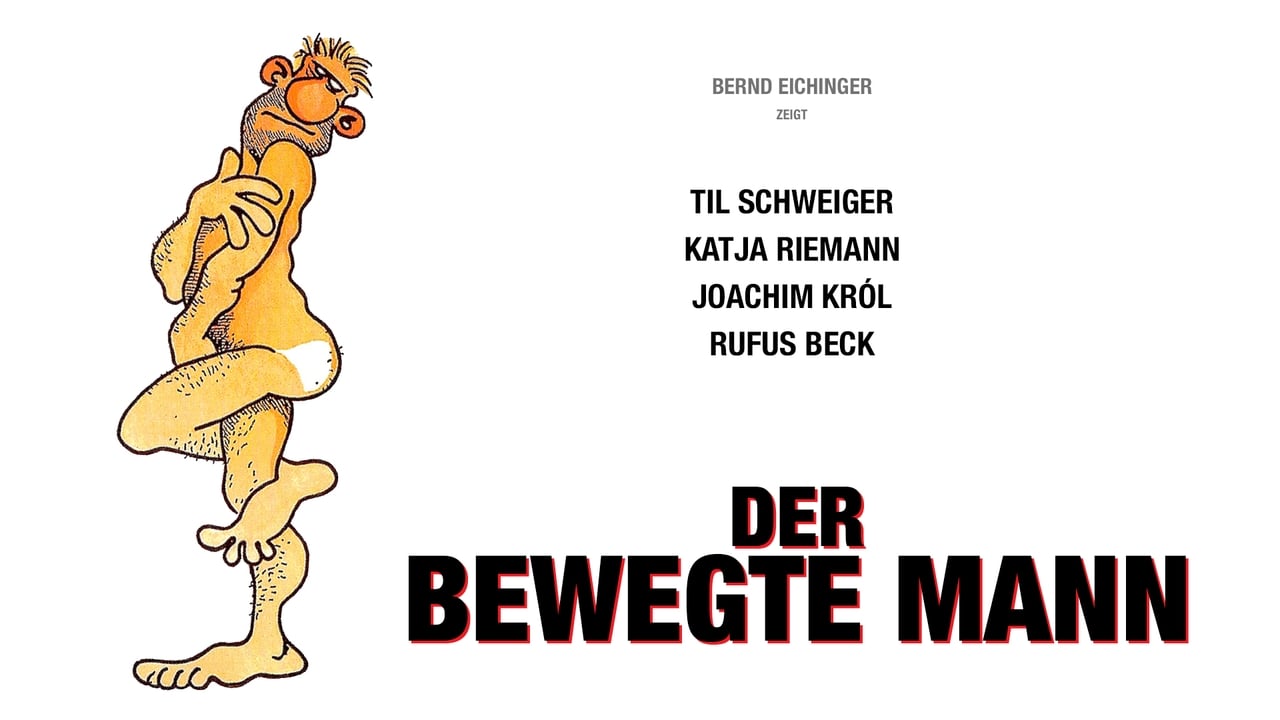
Alright, fellow tapeheads, dim the lights, maybe crack open a Zima if you're feeling really retro, and let's rewind to 1994. Remember digging through the "Foreign Comedy" section at Blockbuster, past the usual French farces and Italian romps, hoping for something… different? Sometimes you struck gold. And sometimes, you found a brightly coloured box featuring a rather perplexed-looking Til Schweiger, maybe titled Maybe… Maybe Not (or its much punchier German original, Der bewegte Mann). This wasn't your typical Hollywood laugh-fest; it was something quirkier, franker, and unexpectedly huge – at least back home in Germany.
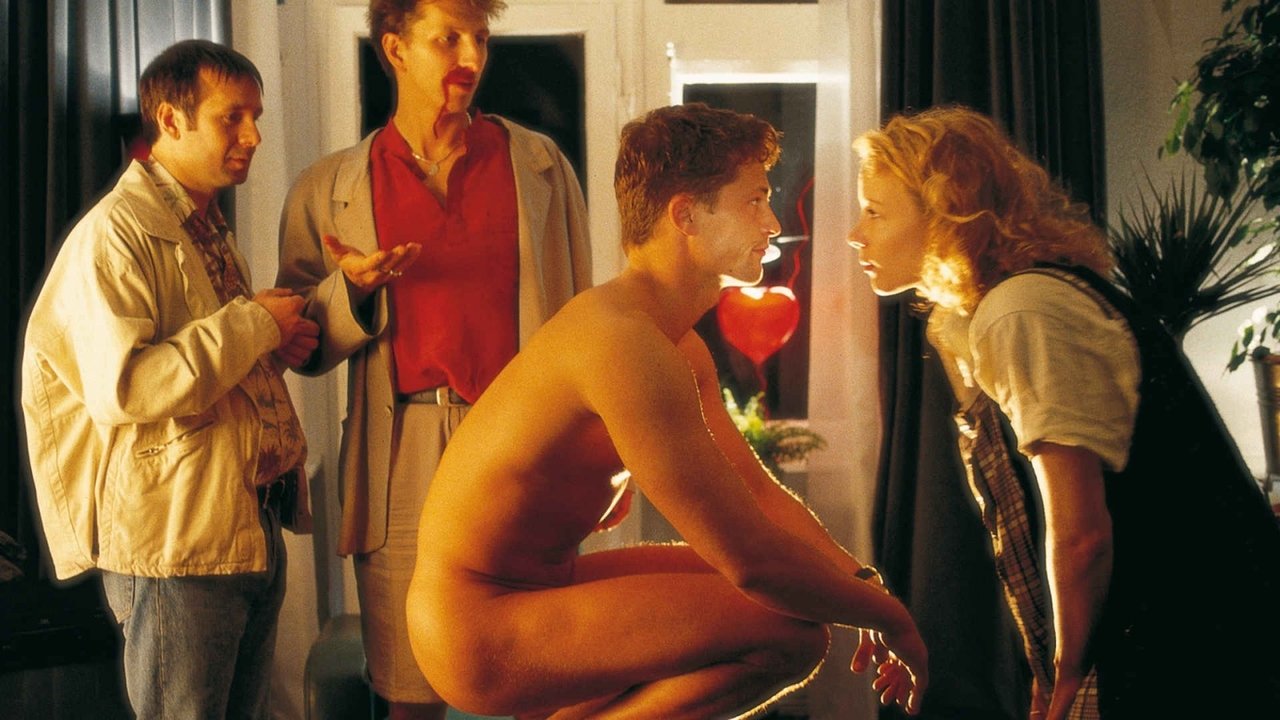
Finding this tape felt like uncovering a slightly risqué European secret. Based on the popular, often explicit underground comics by Ralf König (Der bewegte Mann and Pretty Baby), the film arrived with a certain buzz, promising a modern take on relationships, sexuality, and the sheer chaos that ensues when worlds collide. And boy, did it deliver on the collision front.
When Axel Met Norbert
The setup is classic screwball, albeit with a distinctly 90s German sensibility. We meet Axel (Til Schweiger), a charming but hopelessly unfaithful schnitzel-house waiter who gets caught cheating again by his long-suffering girlfriend, Doro (Katja Riemann). Booted out and desperate, Axel crashes a party where he drunkenly connects with Walter (Rufus Beck doing flamboyant overdrive), who invites him to stay at his place – shared with the shy, kind-hearted Norbert (Joachim Król). Surprise! Walter and Norbert are gay, and the hopelessly heterosexual Axel, now homeless, finds himself platonically shacking up in their spare room.
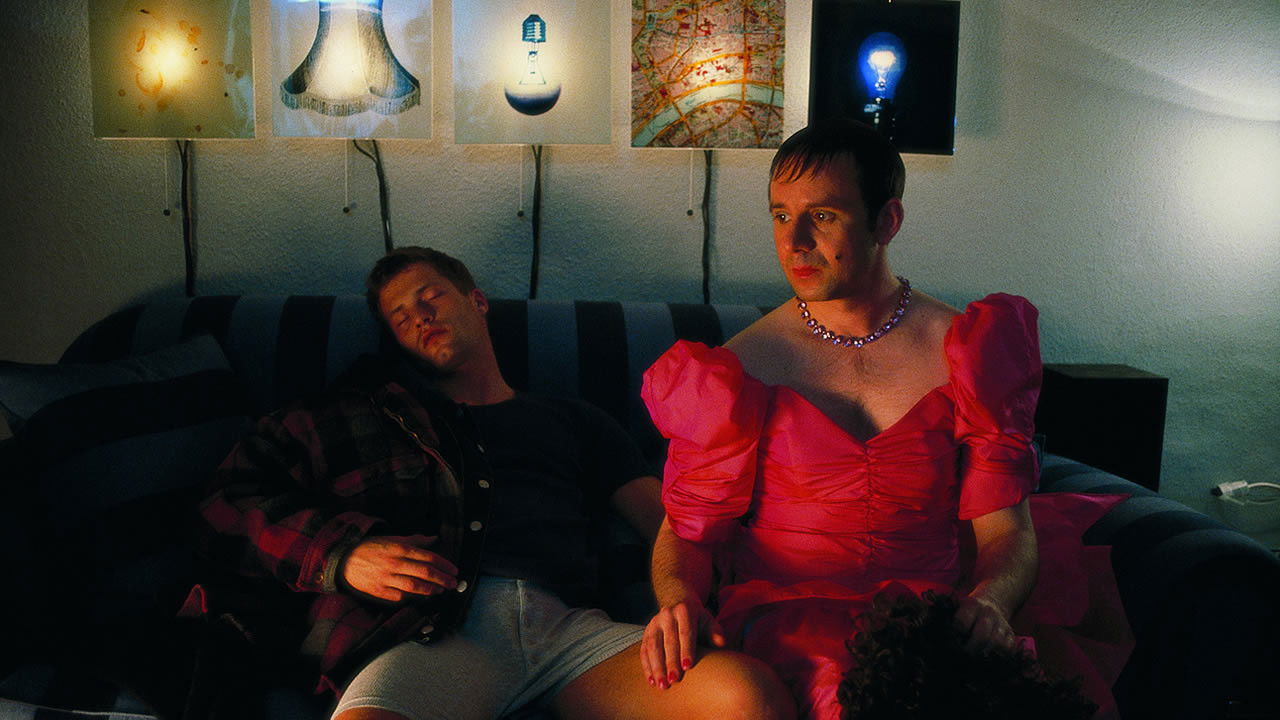
What follows is less a biting social commentary and more a comedy of manners and misunderstandings, driven by Axel's clueless navigation of his new surroundings and Norbert's burgeoning, utterly doomed crush. Schweiger, in the role that catapulted him to German superstardom (and heartthrob status), plays Axel with a perfect blend of oblivious hunkiness and surprising vulnerability. He's not malicious, just… dense. It's a performance that relies heavily on his looks and a certain baffled charm, and honestly, it works. Remember how effortlessly cool he seemed, even when being a total doofus?
Beyond the Beefcake
But the film truly shines thanks to Joachim Król as Norbert. He brings a gentle melancholy and warmth to the role, making Norbert the empathetic heart of the story. His quiet longing and eventual heartbreak provide the film's most genuinely touching moments, grounding the sometimes-frantic comedy. And Katja Riemann as Doro is fantastic – fiery, funny, and completely relatable in her exasperation with Axel, even as she discovers she's pregnant with his child (uh oh!).
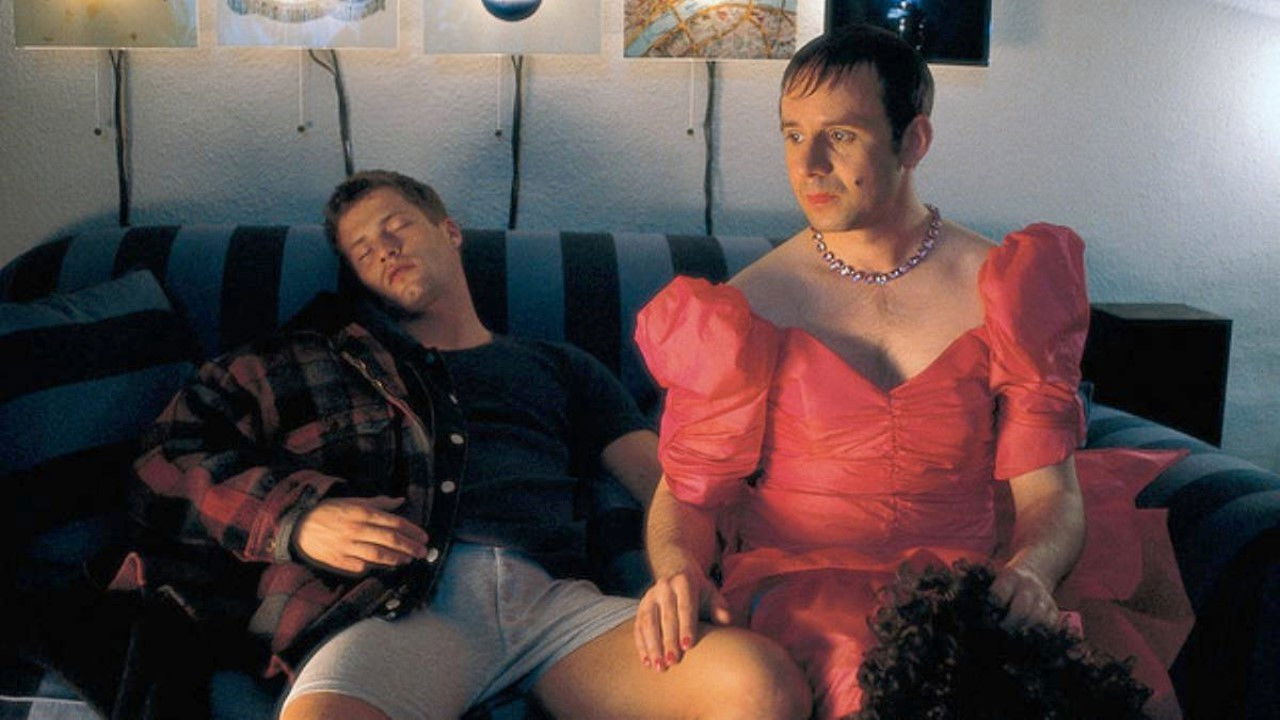
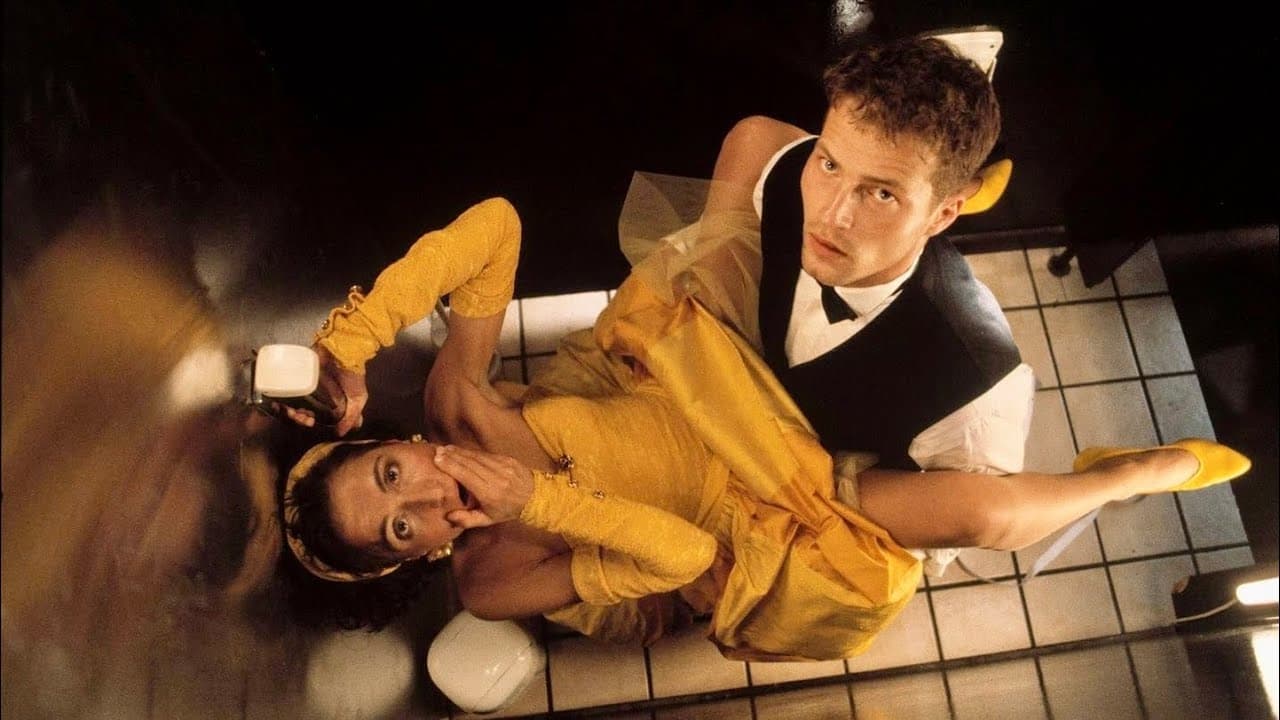
Director Sönke Wortmann (who later gave us the football drama The Miracle of Bern (2003)) navigates the potentially tricky source material with a surprisingly light touch. He leans into the farcical elements – mistaken identities, awkward encounters, a particularly memorable scene involving Axel unwittingly becoming the star of a gay social club's calendar – but rarely punches down. For a mainstream comedy in the mid-90s, its portrayal of gay characters, while certainly playing on some stereotypes (especially with the hyper-camp Walter), felt refreshingly matter-of-fact for many viewers at the time. It wasn't about mocking, but about the humorous friction between different lifestyles. This was based on Ralf König's work, after all, whose comics were beloved within the German LGBTQ+ community for their humour and humanity.
A German Phenomenon
It's hard to overstate how massive Maybe... Maybe Not was in Germany. We're talking over 6.5 million cinema tickets sold – a staggering number that made it one of the most successful German films ever domestically. It swept the German Film Awards (the Deutscher Filmpreis) for Best Film, Best Director, and Best Actor (Joachim Król). It became a cultural touchstone, the kind of film everyone seemed to have seen. Finding the VHS felt less like discovering an obscurity and more like catching up on a European sensation. Did you ever wonder why Til Schweiger suddenly seemed to be everywhere in the late 90s? This film was the launchpad.
Sure, watching it now, some of the humour feels broad, some situations contrived, and the depiction of certain characters might raise modern eyebrows. The 90s fashion is a time capsule in itself. But there's an undeniable sweetness and energy to it. It captures that specific 90s blend of trying to be progressive while still relying on some comfortable comedic tropes. The film doesn't aim for deep insights, but for laughs derived from character clashes and awkward situations, and on that level, it often succeeds, thanks largely to the committed performances.
***
VHS Heaven Rating: 7/10
Justification: Maybe... Maybe Not earns a solid 7 for its charming performances (especially Król and Riemann), its genuine laughs, and its significance as a massive, boundary-pushing (for its time and place) German comedy hit. It captures a specific mid-90s European vibe, translating Ralf König's beloved comics into accessible mainstream fare. While some elements feel dated and the humour is often broad rather than sharp, its warmth, energy, and the breakout performance of Til Schweiger make it a memorable slice of 90s cinema. It loses points for predictability in plot and relying on some now-worn comedic stereotypes, but its heart is generally in the right place.
Final Take: A warm, funny, and surprisingly frank (for 1994) German smash hit that rode the line between farce and heart. It’s a perfect example of that slightly different flavour you could only find by exploring the further reaches of the video store shelf – dated in parts, sure, but still packing enough charm to rewind for.