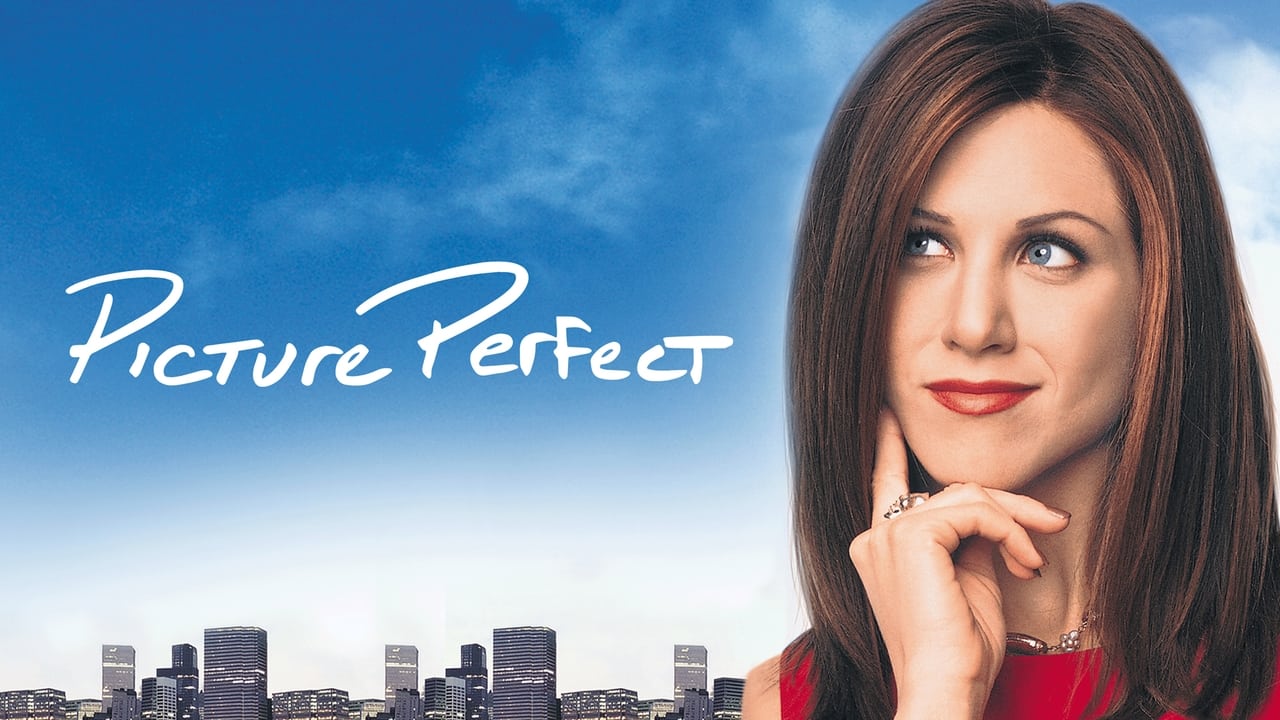
Okay, let's slide another tape into the VCR of our minds. Remember that specific shade of late-90s gloss? The kind that coated romantic comedies trying to navigate the shifting landscapes of career ambition and personal connection? 1997's Picture Perfect arrives right in the thick of it, carried almost entirely on the considerable charm and then-stratospheric fame of Jennifer Aniston, making her first big leap from Central Perk's couch to leading lady status on the big screen. It’s a film built on a premise as flimsy as a house of cards, yet somehow, watching it again evokes a peculiar warmth, a snapshot of a very specific time and type of cinematic aspiration.
### Ambition in Advertising
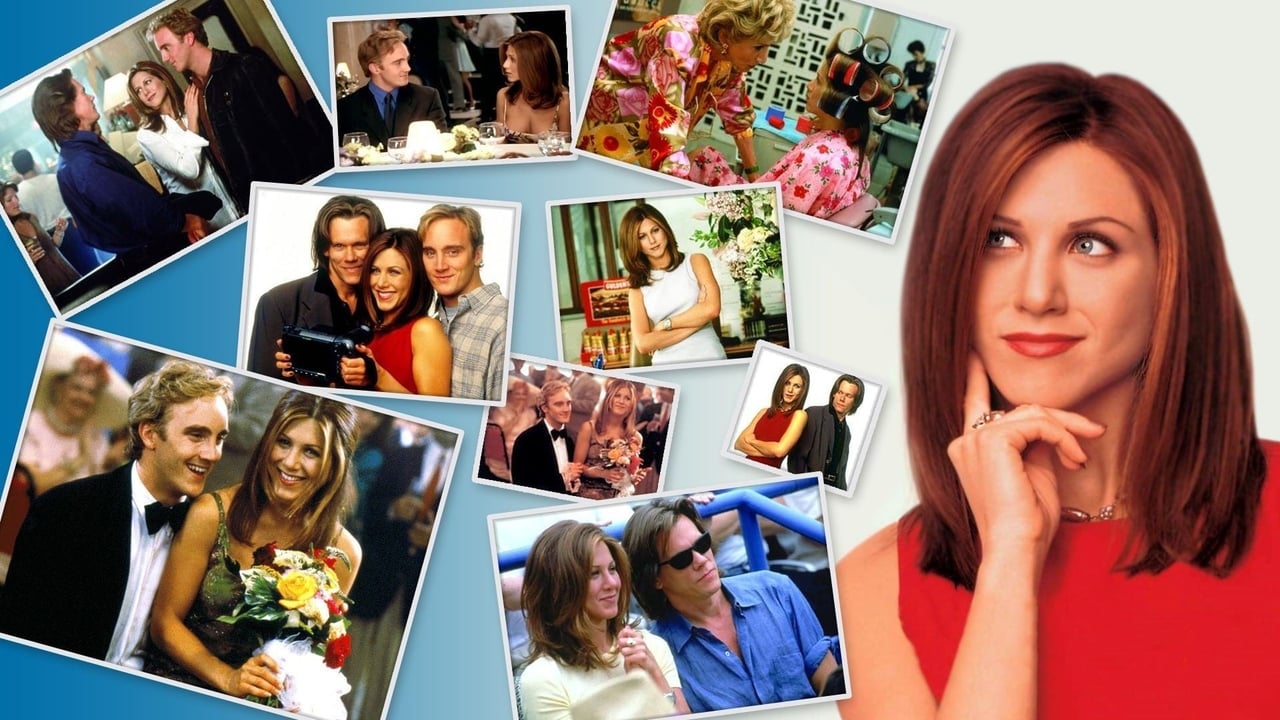
The setup feels pure 90s corporate ladder-climbing fantasy: Kate Mosley (Jennifer Aniston) is a talented, hardworking advertising exec who’s just too nice and too single to get that big promotion. Her boss (a perfectly pragmatic Kevin Dunn) assumes she lacks the stability needed for major clients. Enter the lie: a hastily concocted engagement photo with Nick (Jay Mohr), a sweet, unassuming wedding videographer she barely knows, met cute at a friend's nuptials. Suddenly, Kate’s career takes off, complicated, of course, by her attraction to the office Lothario Sam (Kevin Bacon) and the inconvenient reality that her "fiancé" is a real person who gets drawn into the charade.
It’s a classic screwball premise updated for the era of power suits and burgeoning internet culture (though the tech here feels charmingly dial-up). What grounds it, preventing a complete tumble into absurdity, is Aniston. Fresh off Friends becoming a global phenomenon, the pressure must have been immense. You can see her carefully navigating the line between the comedic timing honed on television and the demands of a feature film narrative. She imbues Kate with a relatable vulnerability beneath the careerist drive, making her deception feel born of desperation rather than malice. Does it always work? Not quite. There are moments where the sitcom beats feel a little too broad, but her inherent likability papers over many of the script's weaker spots. I recall renting this one evening, probably after catching Friends earlier in the week, and feeling that connection – here was Rachel Green, but… different. More stressed, perhaps, navigating a slightly more cynical world.
### The Supporting Players and the Lie
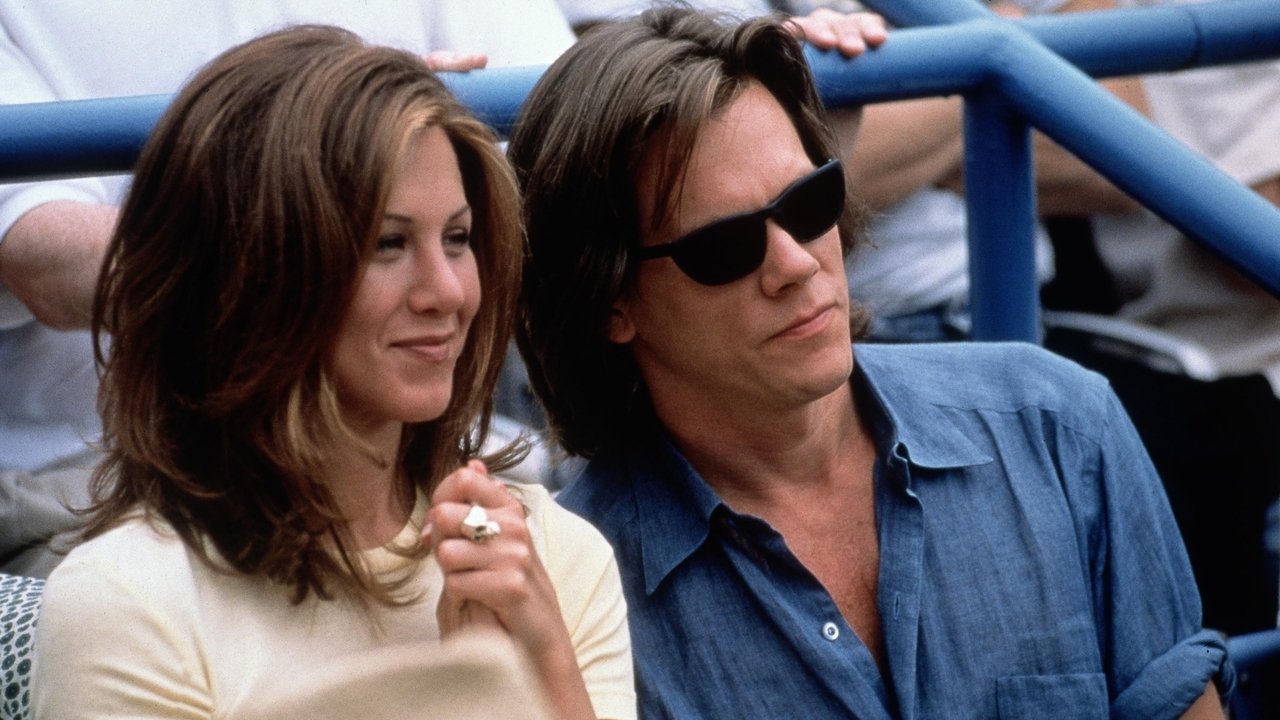
Jay Mohr as Nick is the film's earnest heart. He has the somewhat thankless task of being the "genuine guy" caught in the crossfire, the antithesis to Kevin Bacon's slick, self-serving Sam. Mohr plays Nick with a kind of bewildered sincerity that makes you root for him, even when the script occasionally pushes him towards naive caricature. His chemistry with Aniston feels gentle and tentative, a slow burn against the fizzle and pop of her interactions with Bacon. And speaking of Bacon, he leans into the cad role with effortless charisma. He’s not playing a monster, just a guy used to getting what he wants, making Sam a believable obstacle rather than a cartoon villain. It’s a testament to Bacon's skill, honed over years in films like Footloose (1984) and the darker Flatliners (1990), that he makes Sam appealing even when we know he’s not the right guy for Kate.
Supporting players like the ever-reliable Olympia Dukakis as Kate’s meddling mother and Illeana Douglas as a cynical colleague add welcome texture. Their scenes provide moments of grounding reality amidst the increasingly convoluted lie Kate is spinning.
### Behind the Glossy Surface
Directed by Glenn Gordon Caron, known previously for creating the sharp, stylish TV series Moonlighting, there's a certain visual polish to Picture Perfect. New York City looks inviting, the ad agency offices suitably modern (for 1997), and the overall aesthetic aims for aspirational chic. However, Caron doesn't quite recapture the rapid-fire wit or innovative flair of his earlier television work. The pacing sometimes flags, and the comedic set pieces don't always land with the intended impact.
The script, credited to Arleen Sorkin (yes, the original voice of Harley Quinn!), Paul Slansky, and May Quigley, relies heavily on the central misunderstanding. It’s a staple of the genre, but here it occasionally stretches credulity thin. You find yourself wondering, couldn’t this entire situation be resolved with one honest, albeit awkward, conversation? But then, where would the movie be? It’s interesting to note that Aniston reportedly worked hard during grueling Friends hiatuses to make this film, juggling her intense TV schedule. The film itself performed respectably, pulling in around $44 million worldwide against an $18 million budget – solid, if not spectacular, proving Aniston could open a movie, albeit one firmly in her established wheelhouse. It didn't exactly set the world on fire critically, often described as pleasant but predictable, which feels about right even now.
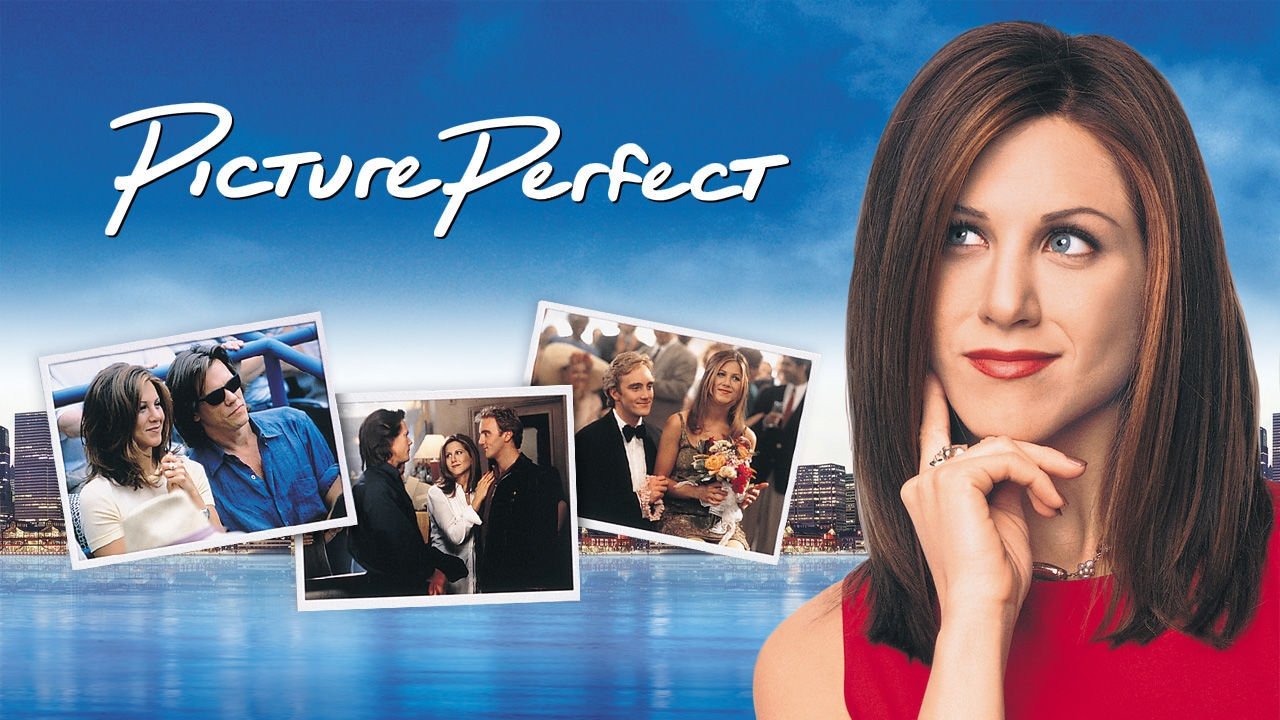
One interesting tidbit for collectors: apparently, some early promotional materials and potentially even trailer edits played up the Kevin Bacon romance angle more heavily, perhaps unsure if audiences would fully buy into the Jay Mohr relationship as the central emotional core.
### Does the Picture Hold Up?
Watching Picture Perfect today is an exercise in gentle nostalgia. It's undeniably a product of its time – the fashion, the workplace politics, the very premise feel rooted in the late 90s. The ethical gymnastics Kate performs to get ahead might raise more eyebrows now, but the film treats her sympathetically. Its central message about the conflict between presenting a curated image ("picture perfect") and embracing authentic connection still resonates, perhaps even more so in our current social media age.
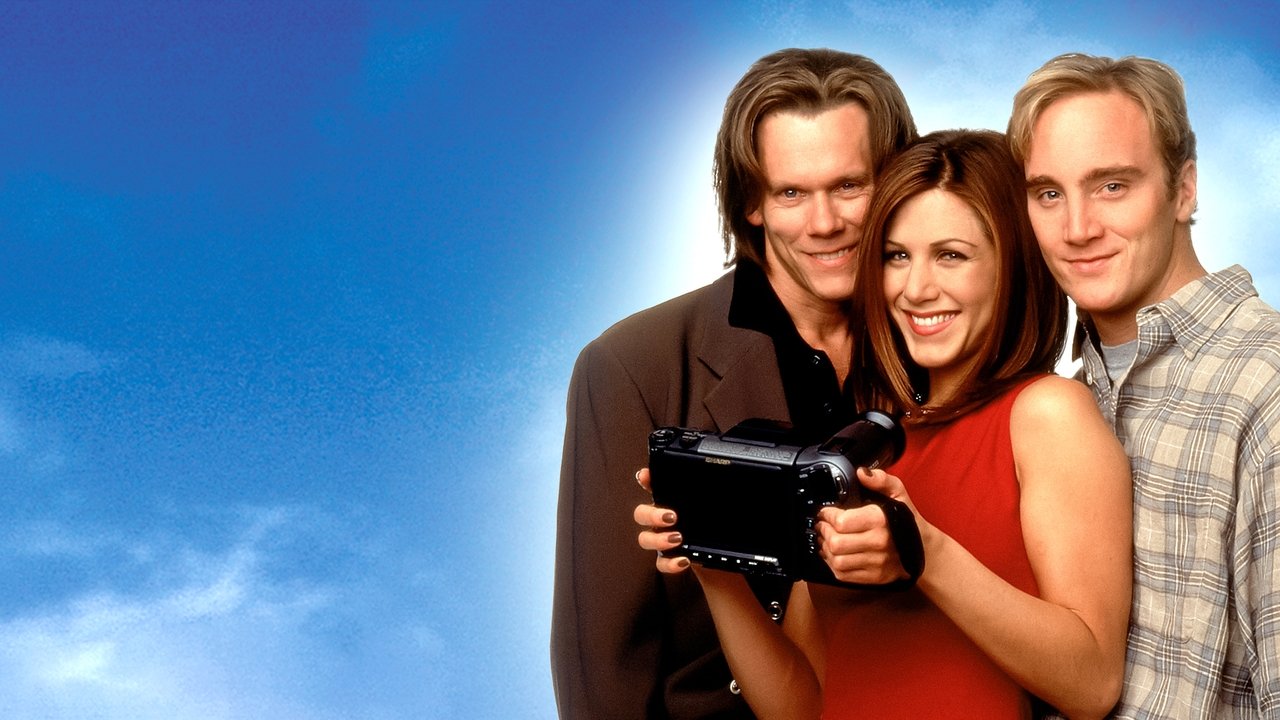
Is it a rom-com classic? Probably not. It lacks the sharp writing of a When Harry Met Sally... (1989) or the quirky charm of While You Were Sleeping (1995). Yet, there's an undeniable comfort factor here. It’s anchored by Aniston’s star power at its zenith and Mohr’s appealing underdog performance. It doesn't demand much, but it delivers a pleasant, sometimes amusing, couple of hours. It feels like a quintessential Friday night rental from Blockbuster – familiar, comfortable, and reassuringly predictable in its rhythms.
Rating: 6/10
The rating reflects a film that achieves its modest goals thanks largely to its leads. It's a perfectly competent, often charming, but ultimately lightweight 90s romantic comedy. Aniston proves her movie-star potential, even if the vehicle itself is more serviceable sedan than flashy sports car. It remains a pleasant snapshot, a reminder of a time when faking an engagement seemed like a viable, if complicated, career strategy. What lingers isn't necessarily the plot, but the feeling – that specific late-90s blend of ambition, anxiety, and the hope that maybe, just maybe, the real thing is better than the perfect picture.