Okay, fellow tape travellers, let’s rewind to a corner of the animation shelf that might have been overshadowed in the mid-90s rush, but holds a breathtaking power all its own. Forget the familiar cartoon lions for a moment and prepare for something grander, more poignant. I'm talking about the 1997 theatrical feature, Jungle Emperor Leo (sometimes known internationally by variations of the Kimba name, but distinctly its own entity). This wasn't just another animated movie; it felt like uncovering a lost epic, a beautifully rendered elegy that resonated long after the VCR clicked off.
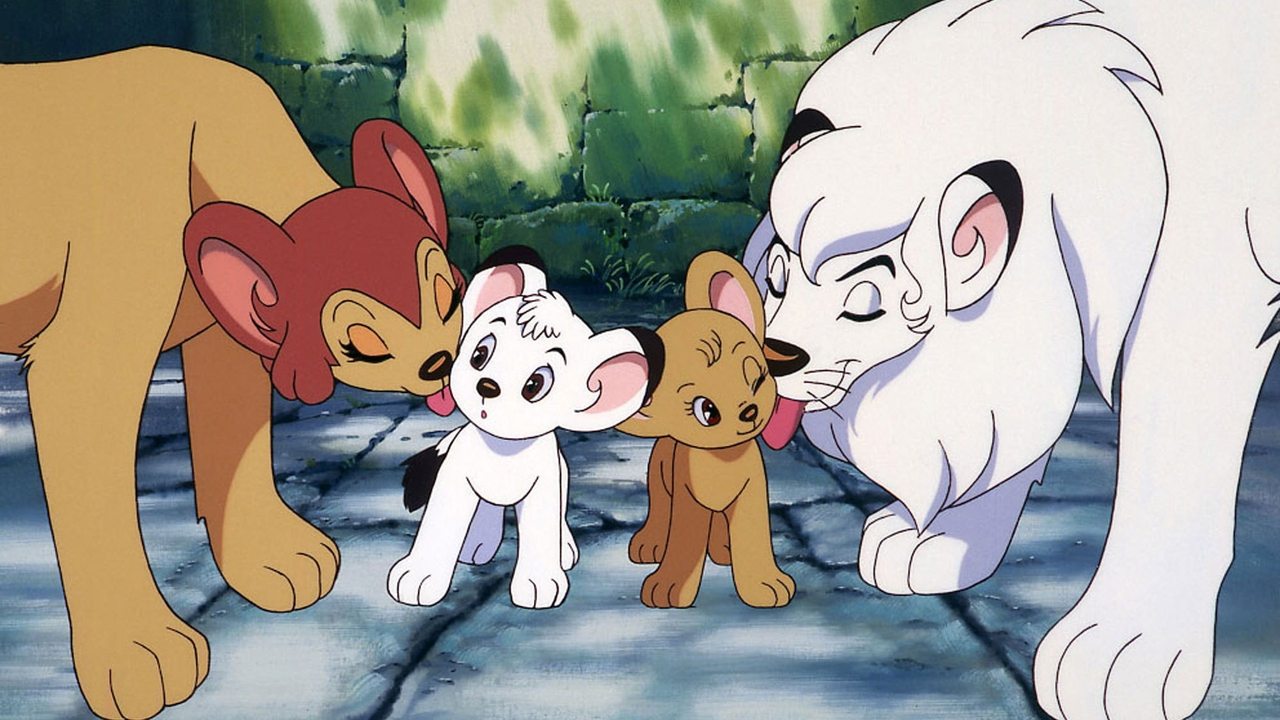
This film carries the immense legacy of its creator, the legendary Osamu Tezuka, often hailed as the "Godfather of Manga" and "God of Anime." While many Western viewers might only know the charmingly innocent 1960s Kimba the White Lion series, this 1997 film, directed by Yoshio Takeuchi (who also co-wrote the screenplay adapting Tezuka's work), plunges into the later, more mature, and frankly, more heartbreaking chapters of Leo's life, directly adapting the conclusion of Tezuka's original manga. Produced by Tezuka Productions itself, it feels like a definitive statement, a reclaiming of the character's full dramatic arc.
A Visual Symphony of the Savanna
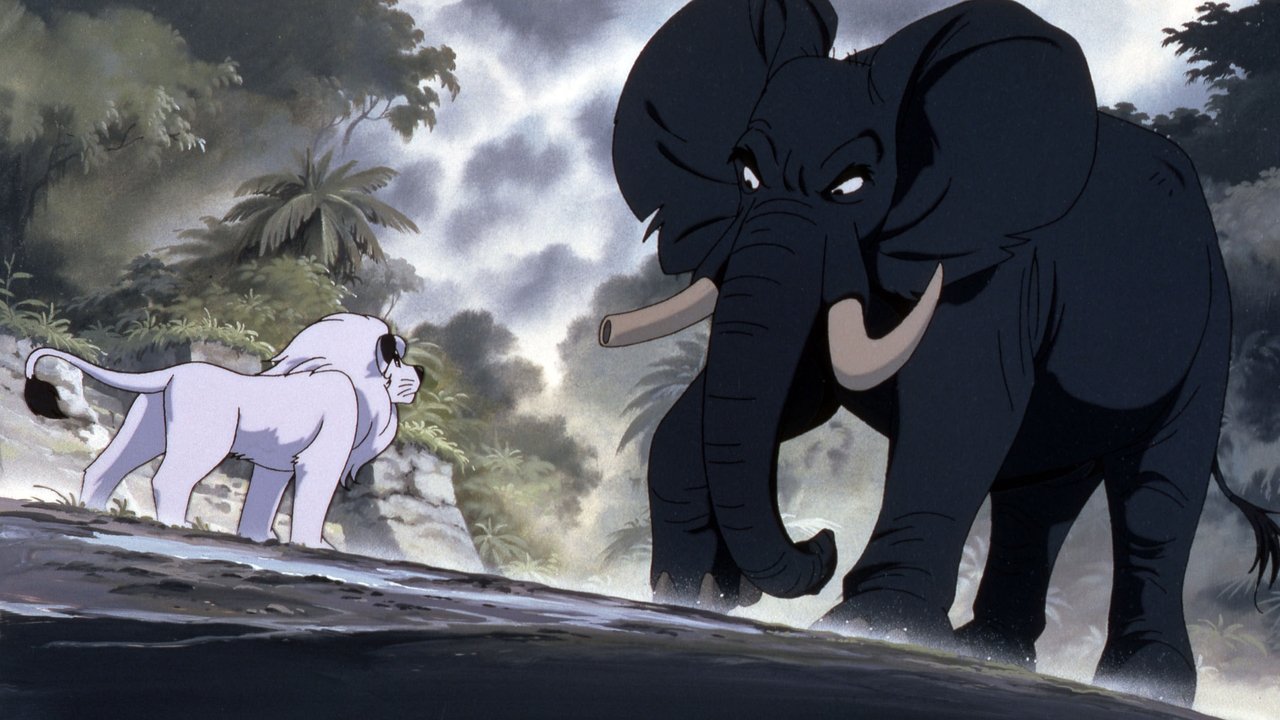
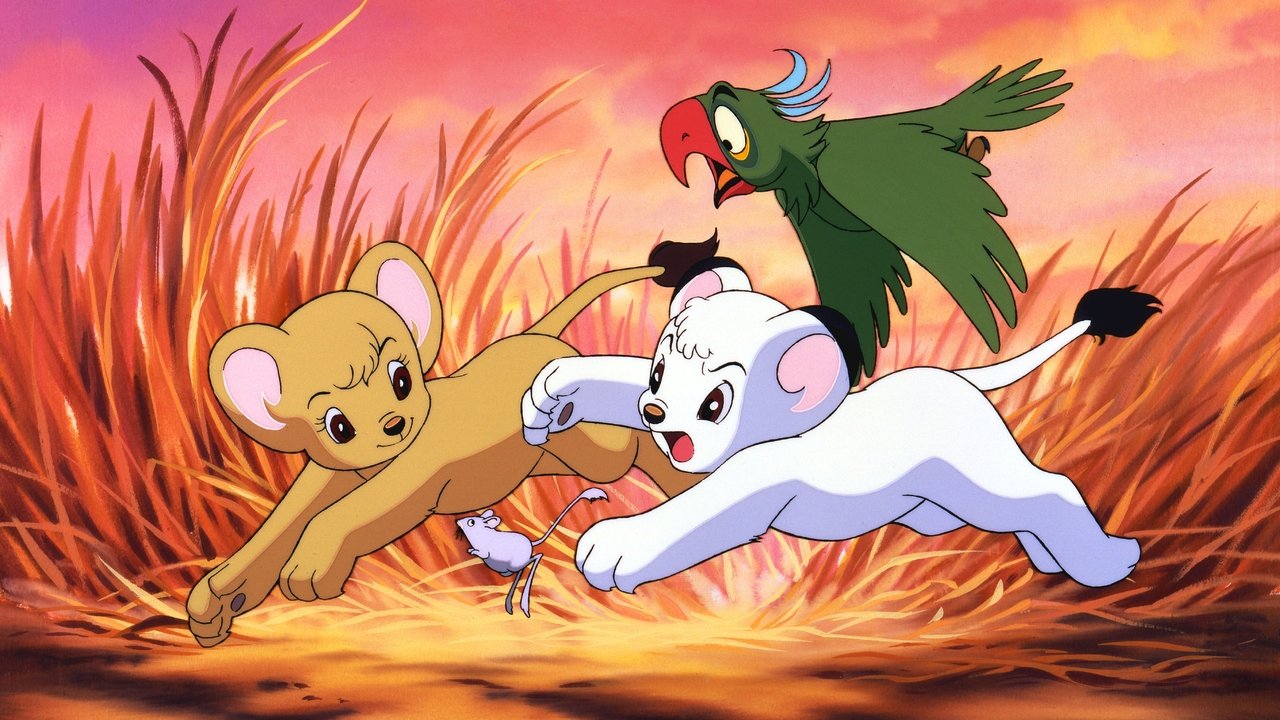
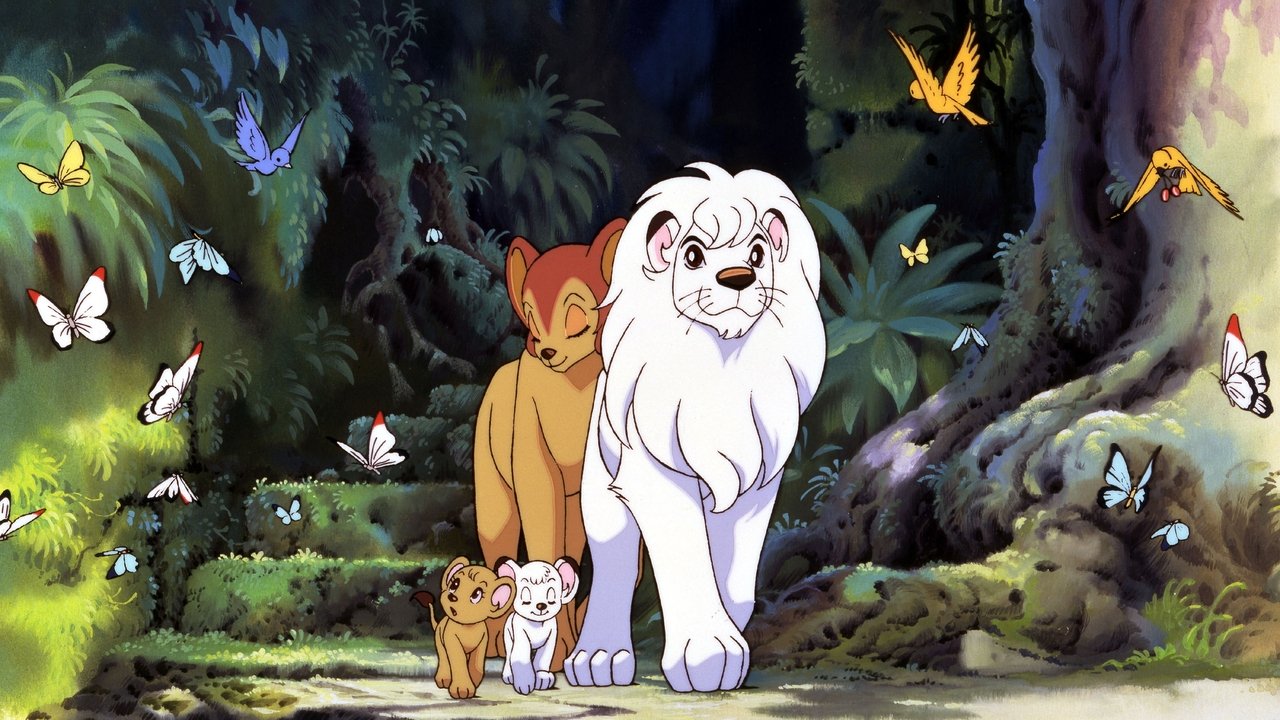
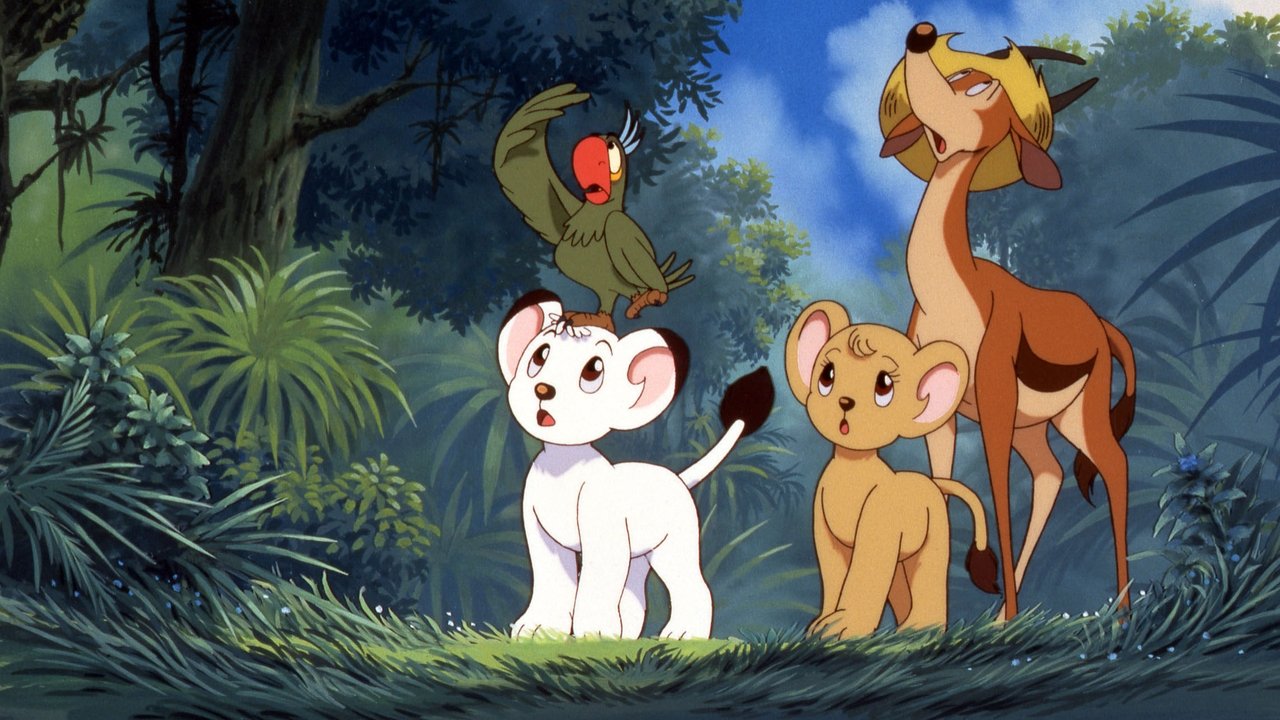
From the opening frames, Jungle Emperor Leo is an absolute feast for the eyes. The animation, created just before the full digital takeover, possesses that lush, hand-drawn quality that defined the best of 90s anime features. The landscapes are vast and painterly, the character designs retain Tezuka's iconic appeal but are rendered with cinematic detail and fluidity. Watching Leo bound across the savanna, or witnessing the awesome power of a storm gathering over the plains, felt genuinely immersive on my old CRT screen. There’s a richness and depth to the colour palette and background art that pulls you right into this vibrant, yet often perilous, world. This wasn't just animation; it felt like living artwork.
Beyond the Pridelands: A Story of Weight and Consequence
If you walked in expecting a lighthearted jungle romp, you were in for a surprise. Jungle Emperor Leo tackles themes with a gravity rarely seen in mainstream animation, especially back then. We meet Leo (Masane Tsukayama providing a noble and weary voice in the original Japanese) not as a cub, but as a king burdened by responsibility. He strives to maintain the jungle sanctuary his father envisioned, mediating disputes and protecting his subjects. His bond with his mate, Lyra (Chieko Baisho), and the birth of their cubs, Lune and Lukio, form the emotional heart, but the threats are real and carry significant weight.
The film delves deeply into ecological themes, portraying humanity's destructive encroachment not just as a plot device, but as a devastating force of nature itself. There's a profound sense of the fragility of this ecosystem Leo is trying to protect. More than that, it explores the full circle of life – duty, sacrifice, loss, and the passing of generations – with an honesty that might catch unprepared viewers off guard. I remember being struck by its willingness to confront mortality and the difficult choices leaders must make. This wasn't just entertainment; it felt important.
Retro Fun Facts: Tezuka's Legacy and a Legendary Composer
- Tezuka's Final Vision: This film adapts the final arc of Osamu Tezuka's Jungle Emperor manga from the 1950s, a conclusion far more somber and complex than the early anime adaptations. Tezuka himself had passed away in 1989, making this production a posthumous tribute carrying the weight of his intended narrative.
- The Sound of Majesty: The powerful, sweeping score was composed by Isao Tomita, a true pioneer of electronic music synthesis. His majestic and often melancholic themes perfectly underscore the film's epic scope and emotional depth, adding another layer of artistry.
- A Different Kind of King: Yes, the comparisons to Disney's The Lion King (1994) are unavoidable, given the history surrounding Tezuka's earlier Kimba. However, this 1997 film tells a distinctly different story, focusing on Leo's adult reign, his family, and the specific environmental threats outlined in Tezuka’s later manga chapters. It stands powerfully on its own merits, offering a narrative focused on legacy and responsibility rather than a young heir's rise to power. Its release after the Disney behemoth perhaps made it feel even more like an artistic reply, a definitive statement from the source's guardians.
- Finding the Tape: Unlike its 60s predecessor, the 1997 Jungle Emperor Leo movie wasn't as widely distributed on VHS in North America, often relegated to specialty stores or anime clubs. Finding a copy felt like discovering a rare treasure, a visually stunning and emotionally resonant piece of animation history that deserved far more recognition.
An Enduring, Emotional Epic
Jungle Emperor Leo might not be the first film that springs to mind when thinking of 90s animation, especially overshadowed as it was by giants both domestic and international. But its artistic merit, the sheer beauty of its animation, and the profound emotional weight of its story make it an essential watch for any serious animation fan or lover of epic storytelling. It’s a film that respects its audience, isn’t afraid to explore complex themes, and delivers a truly moving experience. It showcases the power of animation to convey deep emotion and philosophical ideas, something Osamu Tezuka championed throughout his incredible career. The characterizations are strong, particularly Leo's journey from hopeful ruler to a figure bearing immense sacrifice. Watching it again now, its messages about environmentalism and the interconnectedness of life feel even more resonant.
VHS Heaven Rating: 9/10
This rating reflects the film's stunning animation, its mature and emotionally resonant storytelling based directly on Tezuka's powerful source material, and its sheer artistic ambition. It's a near-masterpiece of 90s anime cinema. While its sometimes somber tone and thematic intensity might make it less suitable for very young children expecting a simpler tale, its depth and beauty are undeniable for older viewers and animation connoisseurs. It earns its place as a poignant and visually breathtaking epic.
Jungle Emperor Leo is more than just an animated film; it’s a moving testament to a legendary creator's vision, a beautiful, heartbreaking, and ultimately unforgettable journey into the wild heart of life itself. A true gem waiting to be rediscovered on the dusty shelves of memory.