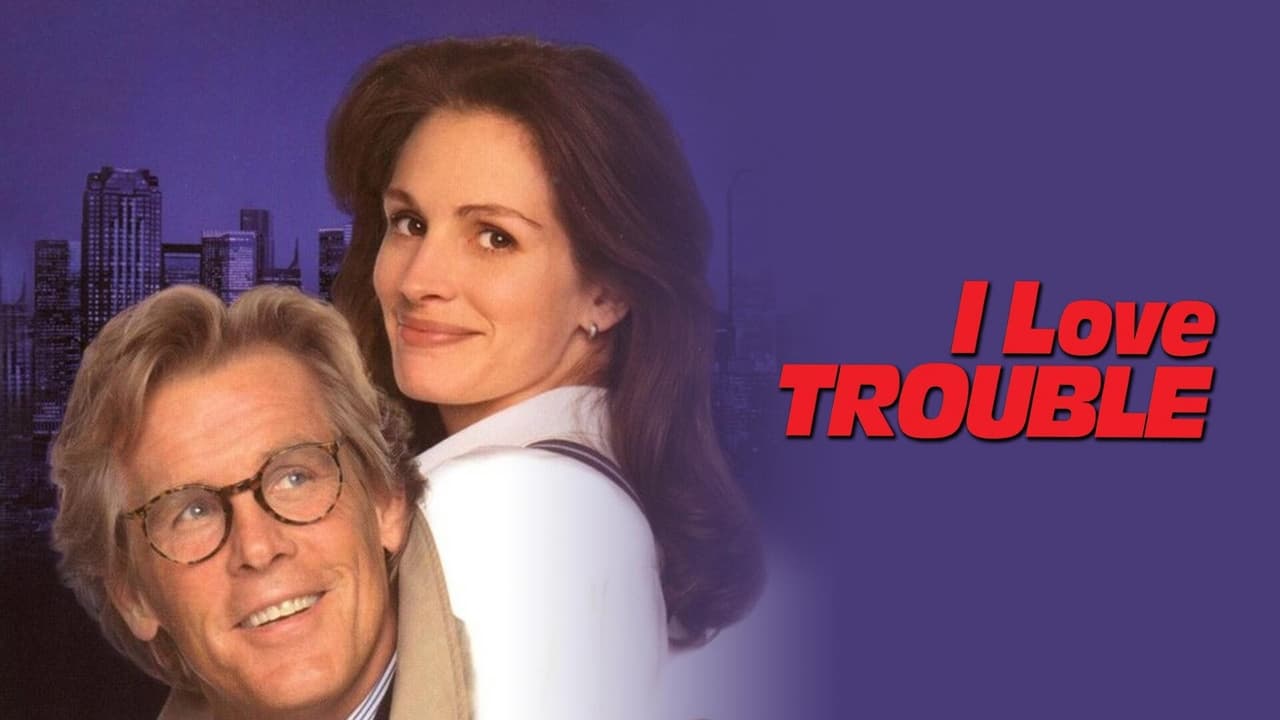
Okay, fellow tapeheads, slide that slightly worn copy of I Love Trouble into the VCR, adjust the tracking just so, and settle in. Remember seeing this one on the shelf back in '94? The promise was electric: Julia Roberts, America's reigning sweetheart fresh off The Pelican Brief (1993), paired with the gruff, undeniably charismatic Nick Nolte, hot from Blue Chips (1994). Add in the writers of Father of the Bride (1991), Charles Shyer (who also directs) and Nancy Meyers, aiming for a fizzy, fast-talking screwball comedy mixed with a dash of Hitchcockian intrigue. On paper, it sounded like pure cinematic gold. The reality? Well, let’s just say the gold plating was thinner than expected, revealing something far more… interesting.
### Sparks Fly... Just Not the Right Kind
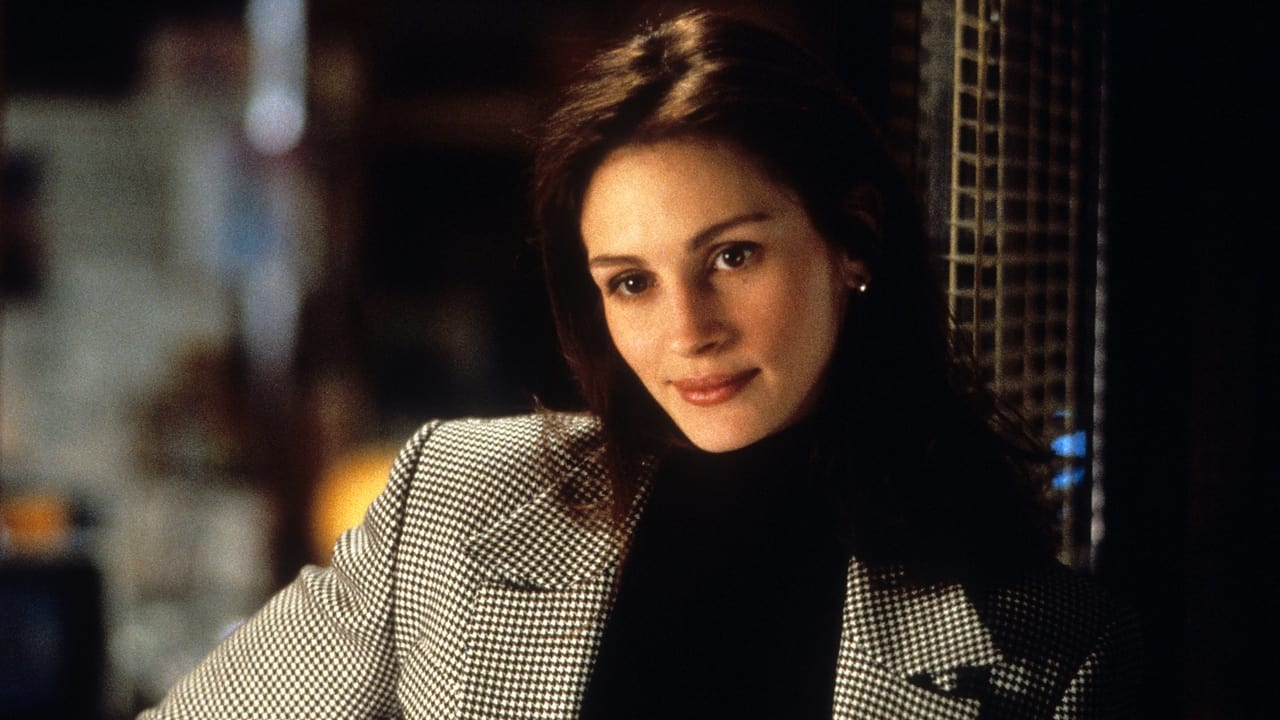
The setup is classic Hollywood catnip: Peter Brackett (Nick Nolte) is the grizzled, veteran star columnist for the Chicago Chronicle, all swagger and cynicism. Sabrina Peterson (Julia Roberts) is the ambitious, sharp-as-a-tack rookie reporter for the rival Chicago Globe. Thrown together covering a suspicious train derailment, they immediately lock horns, trading barbs while trying to one-up each other to get the scoop. Naturally, amidst the competitive sniping and escalating danger as they uncover a corporate conspiracy involving a potentially faulty miracle hormone ("LD17"?), they’re supposed to fall head over heels.
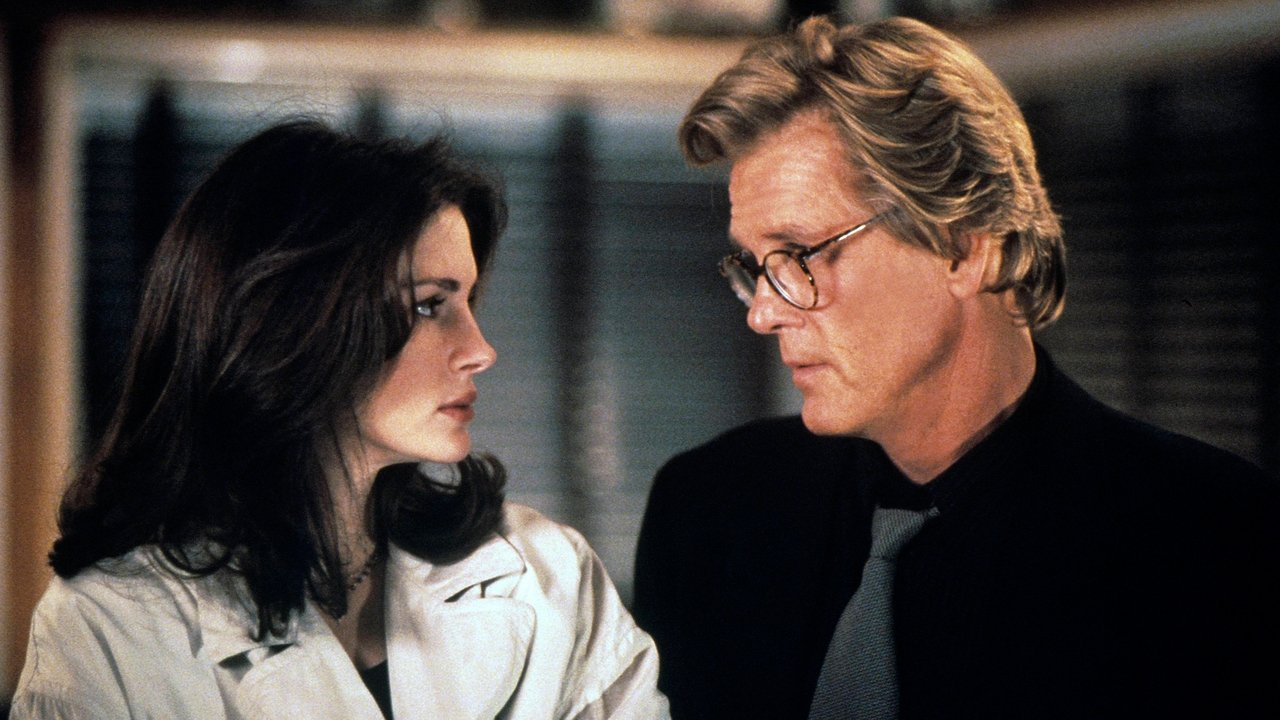
Here's the thing, though. The sparks you see on screen? They feel less like romantic chemistry and more like genuine friction. And that’s because, famously, Roberts and Nolte reportedly couldn't stand each other. Roberts allegedly described Nolte as "completely disgusting," while Nolte fired back that she was "not a nice person." Ouch. Suddenly, their characters' animosity doesn't feel entirely like acting, does it? This behind-the-scenes tension, a "retro fun fact" that became legendary, hangs over the film, turning the intended romantic sparks into a fascinatingly awkward spectacle. Instead of rooting for them to get together, you’re almost watching to see if they’ll throttle each other between takes.
### Chasing Yesterday's Charm
Charles Shyer and Nancy Meyers clearly adore the rapid-fire dialogue and sophisticated wit of classics like His Girl Friday (1940). You can feel them reaching for that Howard Hawks magic, aiming for snappy patter and escalating comedic situations. There are moments where it almost clicks – Saul Rubinek, as Sabrina's supportive but perpetually exasperated editor, gets some genuinely funny lines and reactions. He’s reliably excellent, a welcome anchor amidst the leads' strained dynamic.
But the screwball style requires a light touch and, crucially, leads who genuinely seem to delight in each other's verbal sparring. Here, the effort often feels visible. The dialogue sometimes lands with a thud instead of a zing, and the pacing occasionally drags where it should sprint. It’s like trying to replicate a soufflé recipe from memory – all the ingredients are there, but the delicate balance is slightly off. Compounding things were whispers of extensive script rewrites and reshoots during production, reportedly trying to punch up the comedy and finesse an ending that wasn't working – signs of a troubled bake even before it left the oven.
### Thrills, Spills, and 90s Budgets
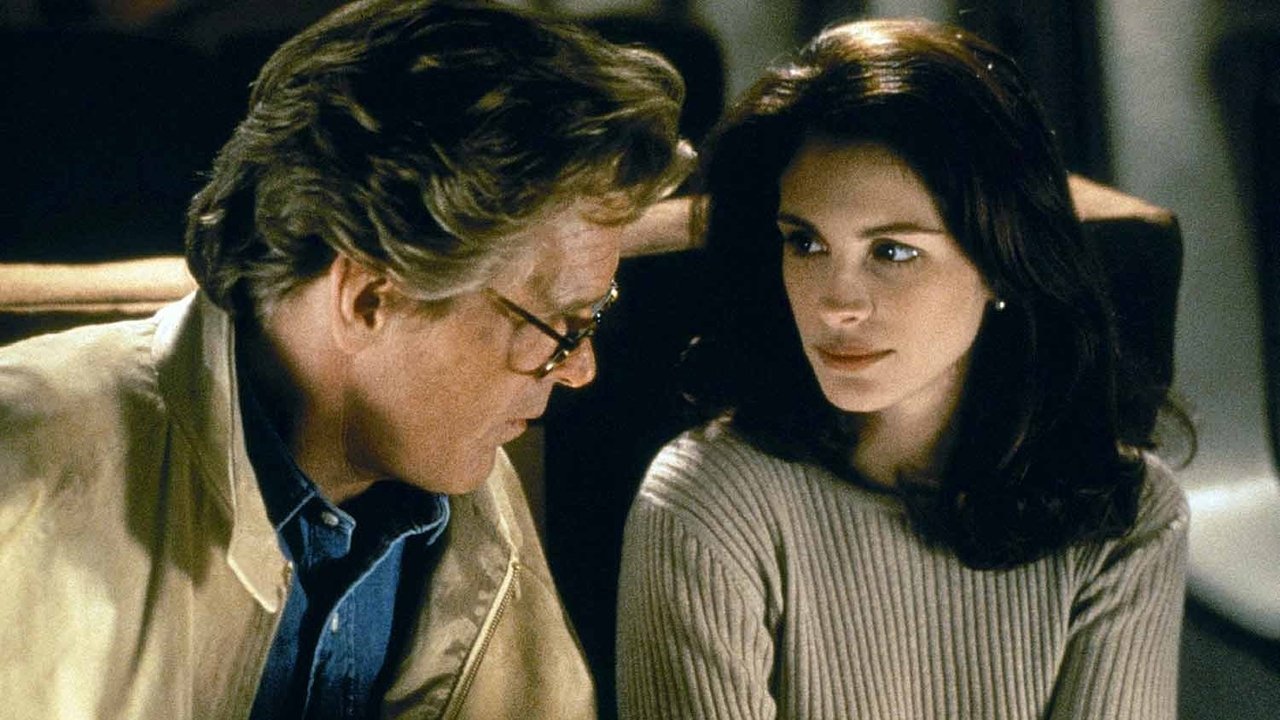
Woven into the romantic (?) comedy is a full-blown thriller plot involving corporate malfeasance, shadowy figures, and attempts on our heroes' lives. The train derailment that kicks things off is handled with competent, practical 90s scale – no overt CGI here, just models, controlled destruction, and that tangible sense of physical presence we remember from the era. There are car chases and near-misses that feel grounded, relying on stunt work rather than digital wizardry. Remember how impactful those kinds of sequences felt before everything became pixel-perfect?
However, the tonal shifts between breezy banter and life-threatening danger can be jarring. One minute they're engaging in (supposedly) charming workplace rivalry, the next they're dodging bullets or escaping a rigged elevator. It sometimes feels like two different movies spliced together, a testament perhaps to those rumoured production difficulties. Made for a hefty $45 million (that's over $90 million today!), the film needed to be a smash hit but ended up with a relatively modest $61.9 million worldwide gross. Critics were largely unkind, pointing out the chemistry vacuum and uneven tone, making it something of a high-profile stumble despite the A-list talent involved.
### The Verdict on This Troubled Tape
Watching I Love Trouble today is a curious experience. It’s undeniably a product of its time – big stars, big budget, a high-concept premise trying to recapture old Hollywood magic. The lack of chemistry between Roberts and Nolte is palpable, almost becoming the film's unintended main attraction. You find yourself analysing their scenes together, looking for glimpses of the reported off-screen frostiness.
Yet, there’s a certain nostalgic comfort in its familiar 90s sheen. The Chicago locations look great, captured by cinematographer John Lindley (who also shot Sleeping with the Enemy). The supporting cast, including James Rebhorn and Robert Loggia, adds some reliable professionalism. And maybe, just maybe, popping this tape in on a rainy Saturday evokes a faint memory of simpler rental nights, when the star power alone was enough to warrant taking a chance.
Rating: 4/10
The score reflects the film's fundamental flaws – the jarring tone, the forced comedy, and most significantly, the black hole where romantic chemistry should be. The ambition is noted, as are some decent thriller elements and supporting turns, but the core simply doesn't work.
Final Thought: I Love Trouble remains a fascinating Hollywood artifact, less a successful film and more a cautionary tale about how even the biggest stars and best intentions can't fake genuine screen magic – something that felt true even on a fuzzy VHS copy back in the day.