There's a certain kind of cool that feels effortless, unforced. It isn't about trying too hard; it's about inhabiting a style so completely that it becomes second nature. Watching Steven Soderbergh's Out of Sight (1998) again, decades after first sliding that worn rental tape into the VCR, that effortless cool is precisely what washes over you. It’s a film that doesn’t just tell a story; it moves differently, breathes a different kind of air – a smoky, jazz-infused atmosphere thick with wit and simmering tension. It felt like a revelation then, a sophisticated crime caper that was smarter, sexier, and more stylish than almost anything else playing at the multiplex. Does it still hold up? Absolutely.
Smooth Criminals, Sharper Law
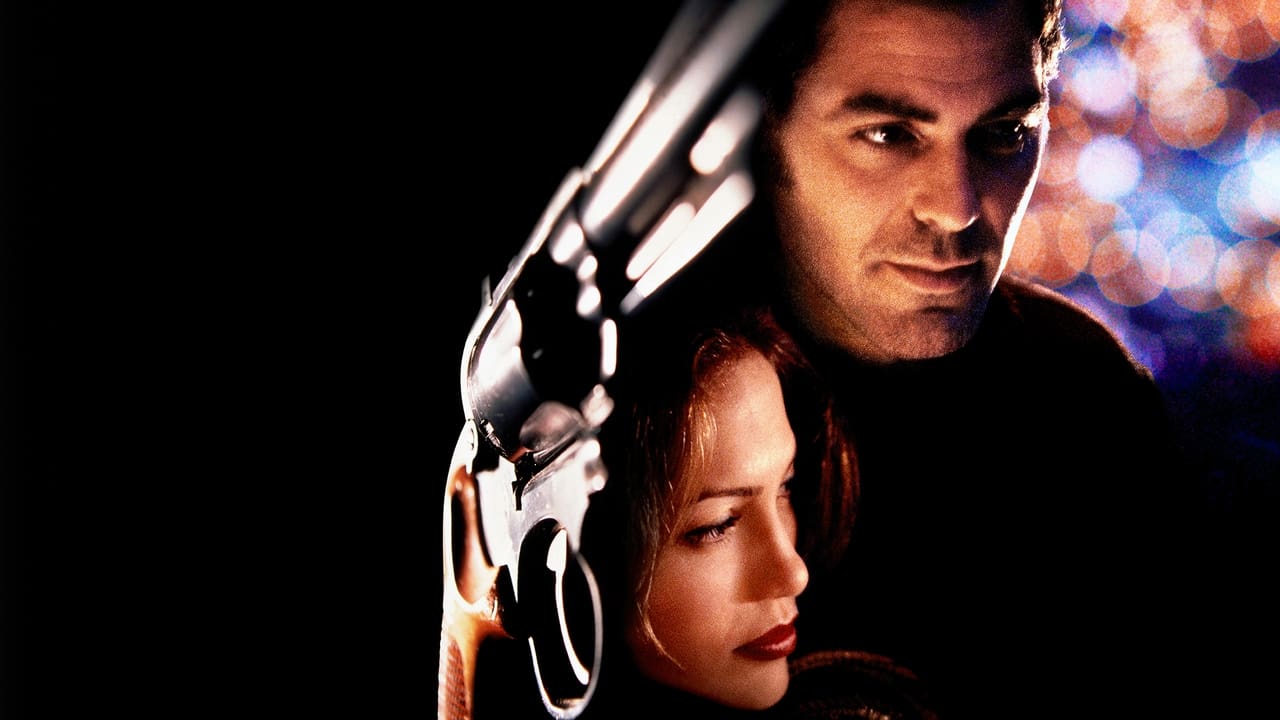
Based on the quintessential crime novelist Elmore Leonard's work, and adapted with razor-sharp precision by Scott Frank, Out of Sight gives us Jack Foley (George Clooney), possibly the most charming bank robber ever committed to celluloid. He doesn't use guns much – prefers talking his way into the vault. Opposite him is Karen Sisco (Jennifer Lopez), a U.S. Marshal who is smart, tough, and utterly captivating. Their paths cross during Foley’s impromptu prison break, leading to one of cinema's most memorable 'meet-cutes': locked together in the claustrophobic confines of a car trunk. It’s a scene crackling with unexpected intimacy and danger, setting the stage for the magnetic, impossible attraction that drives the film. I remember thinking, even back then, how brilliantly staged that whole sequence was – the tight shots, the muffled sounds, the instant spark between them.
Soderbergh Finds His Groove
This film marked a significant moment for Steven Soderbergh. After bursting onto the scene with Sex, Lies, and Videotape (1989), he'd navigated a more challenging path through the early 90s. Out of Sight felt like a confident reclamation of his directorial power, showcasing a distinct visual style that would become his signature. The non-linear editing, expertly handled by the legendary Anne V. Coates (who cut Lawrence of Arabia!), jumps between timelines with fluid grace, deepening character and ratcheting tension rather than confusing the viewer. Soderbergh employs stylized freeze frames and a distinctive colour palette – cool blues for the Detroit chill, warm oranges and yellows for sun-drenched Miami – that aren't just aesthetic choices; they are the mood. Coupled with David Holmes's achingly cool, funk-infused score, the film possesses an undeniable rhythm. It wasn't a massive box office smash initially – earning around $77 million worldwide on a $37 million budget – but its critical acclaim was near-universal, and its reputation has only grown, rightly finding its devoted audience on home video. It truly felt like Soderbergh announcing, "I'm back, and this is how it's done."
That Chemistry Though…
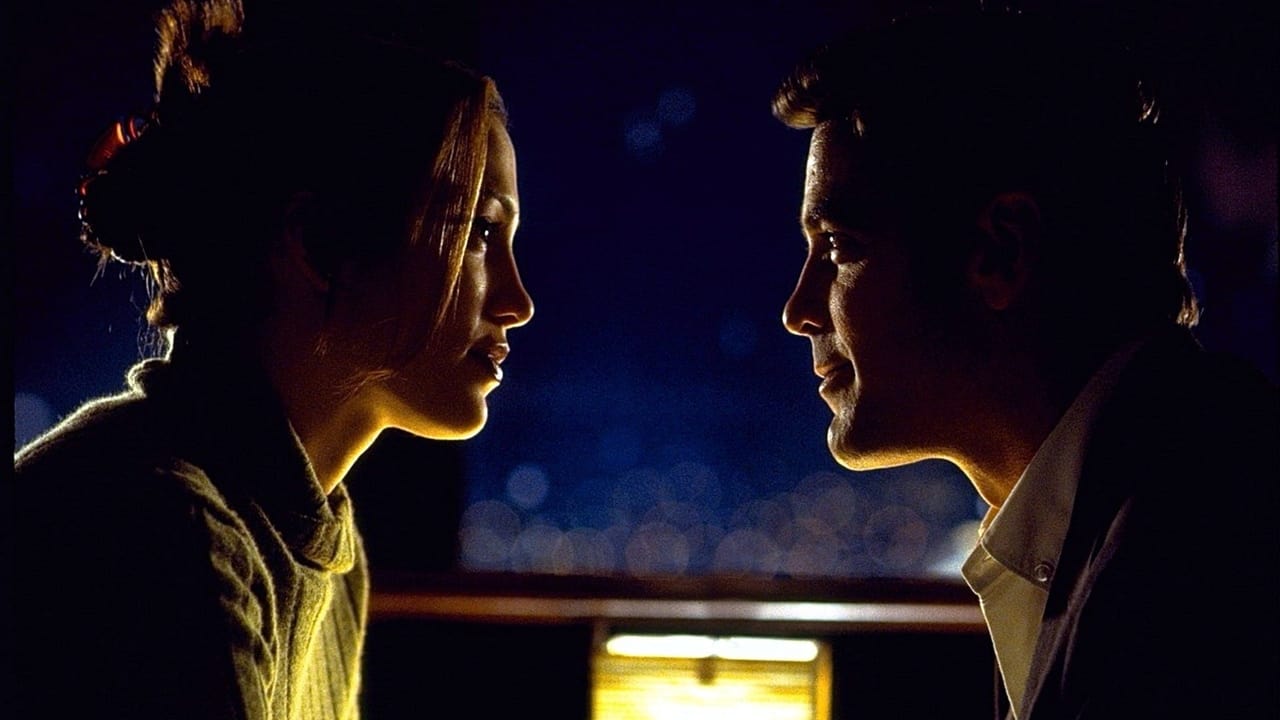
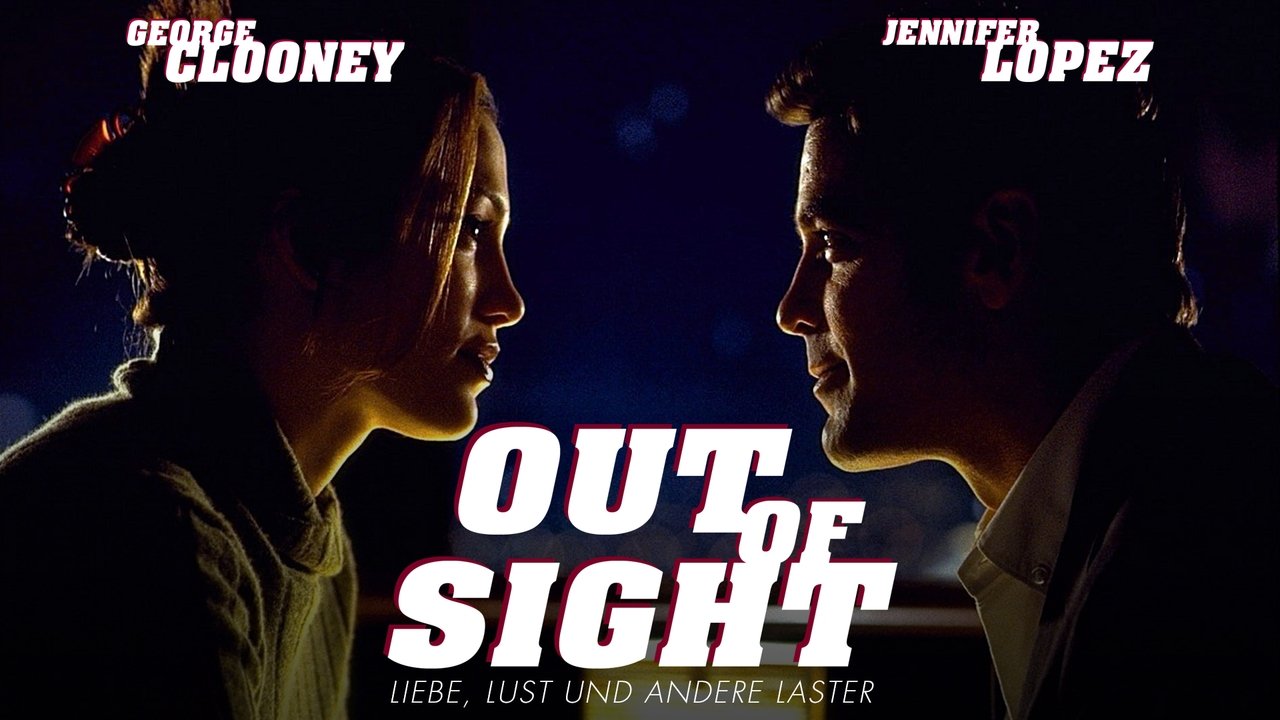
Let's be honest: much of Out of Sight's enduring appeal rests on the incandescent chemistry between George Clooney and Jennifer Lopez. Clooney, transitioning definitively from TV's ER heartthrob to legitimate movie star, embodies Jack Foley with an irresistible blend of charisma, world-weariness, and a hint of vulnerability beneath the swagger. You believe he could talk his way out of almost anything. And Jennifer Lopez, in what many still consider her finest screen performance, is simply phenomenal as Karen Sisco. She wasn't the first choice – Sandra Bullock was apparently considered – but Lopez fought for the role, and her portrayal is a masterclass in conveying intelligence, competence, and a captivating inner conflict. Their scenes together, particularly the famous hotel bar sequence intercut with a later, more intimate encounter, are electric. It's not just about physical attraction; it's a meeting of minds, a dance of witty dialogue and unspoken understanding. You feel the pull, the shared recognition of being very good at what they do, even if they stand on opposite sides of the law. What makes their connection so compelling, perhaps, is the question it poses: can two people seemingly destined for collision find a moment of genuine connection?

A Rogues' Gallery Worth Remembering
While Clooney and Lopez anchor the film, the supporting cast, typical of an Elmore Leonard adaptation, is populated with unforgettable characters. Ving Rhames, reuniting with Soderbergh after Schizopolis (1996), brings warmth and loyalty to Foley's right-hand man, Buddy Bragg. Don Cheadle is terrifyingly unpredictable as the ruthless Maurice "Snoopy" Miller. Steve Zahn provides brilliant, twitchy comic relief as the perpetually stoned Glenn Michaels, and Albert Brooks is perfectly cast as the morally bankrupt, white-collar criminal Richard Ripley. Each actor feels perfectly slotted into this stylish, dangerous world, delivering Frank's dialogue with relish. Digging into some retro fun facts, Cheadle's character name was originally 'Snooky' in the book, changed likely for pronunciation ease. Little details like that highlight the care taken in bringing Leonard's world to life.
More Than Meets the Eye
Beneath the cool surface, the witty banter, and the thrilling heist sequences, Out of Sight explores deeper themes. It touches on professionalism, morality in shades of grey, and the gravitational pull of one's nature. Can Foley ever truly go straight? Does Sisco risk her career, her identity, by falling for him? The film doesn't offer easy answers. Its ending is famously ambiguous, leaving you to ponder the possibilities long after the credits roll – a mark of confident, mature storytelling. Soderbergh, Frank, and Leonard created something special here: a crime film with the soul of a romance, and a romance with the grit of a crime film. It respects its characters and the viewer's intelligence, never sacrificing substance for style, but proving you can absolutely have both.

Rating: 9/10
Out of Sight is a masterclass in sophisticated filmmaking. The pitch-perfect performances, particularly the legendary chemistry between Clooney and Lopez, Soderbergh's assured and stylish direction, Frank's whip-smart script, and that killer soundtrack combine to create an experience that feels as fresh and effortlessly cool today as it did flickering on a CRT screen back in '98. Its critical acclaim was immediate, but its status as a beloved classic, discovered by many on VHS or DVD, feels entirely earned. It’s not just a great crime movie or a great romance; it’s simply great cinema.
What lingers most, perhaps, isn't just the plot or the style, but that feeling – the smooth, confident rhythm of a film completely comfortable in its own skin, leaving you with a wry smile and a lasting appreciation for undeniable cool.