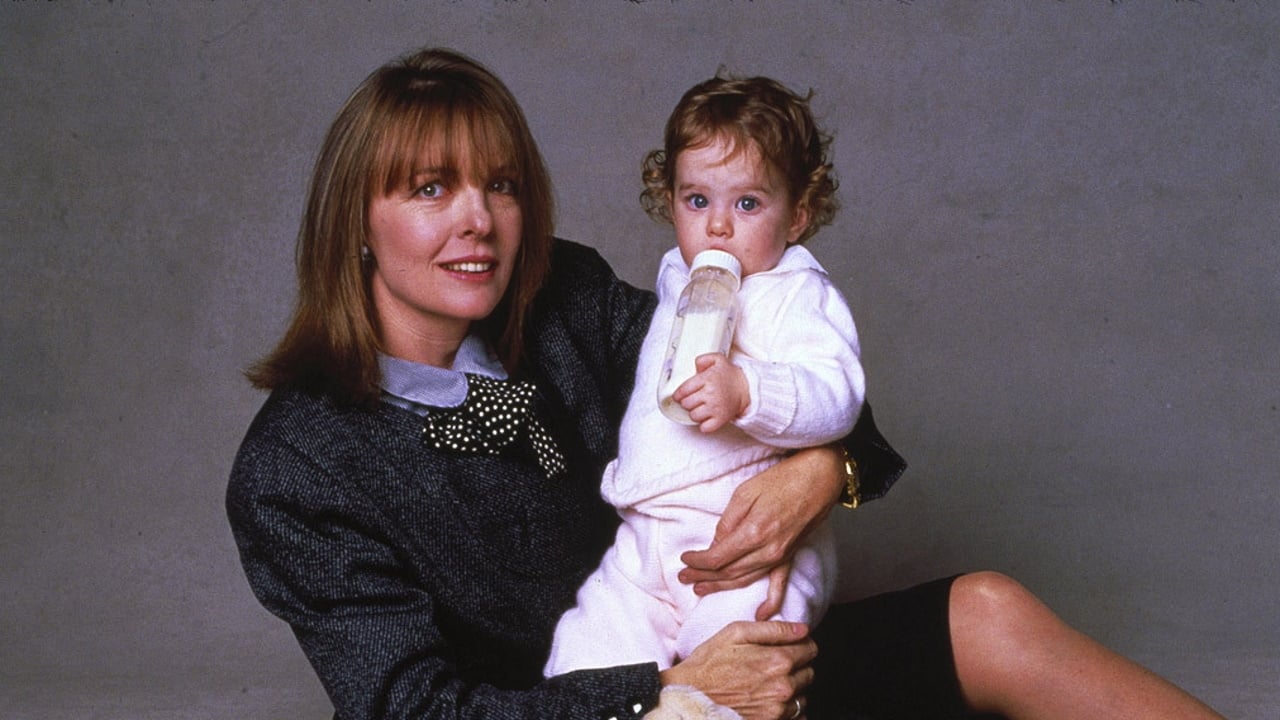
It begins with an image almost archetypal of the 1980s careerist dream: a sleek, power-suited executive navigating the concrete canyons of Manhattan, her ambition as sharp as her shoulder pads. J.C. Wiatt, brought to life with such frazzled perfection by Diane Keaton, is the "Tiger Lady" of her management consulting firm, a woman who seems to have meticulously planned every aspect of her high-flying life. Then, inheritance throws the ultimate wrench into the works – not stocks or bonds, but a baby girl named Elizabeth. Suddenly, the carefully constructed world of boardroom battles and late-night strategy sessions collides head-on with the messy, unpredictable reality of parenthood. Remember that feeling? The sense that life could just shift on a dime, leaving you completely unprepared? "Baby Boom" captures that seismic shock with wit, warmth, and a surprising amount of depth.
The Tiger Lady Gets a Cub
Watching J.C. attempt to integrate baby Elizabeth into her hyper-scheduled existence is where the film finds its initial comedic footing. Keaton, a master of conveying barely contained chaos beneath a veneer of sophistication (think Annie Hall meets Wall Street), is simply brilliant. Her physical comedy – wrestling with diaper changes, trying to conduct high-stakes negotiations while bouncing a fussy infant – feels utterly genuine. There's a desperation mixed with flashes of unexpected tenderness that makes J.C. instantly relatable, even in her initial cluelessness. We see her life unravel: the strained relationship with her equally career-obsessed partner, played with perfect yuppie smarm by the wonderful Harold Ramis (a familiar face from Ghostbusters (1984)), the judgmental whispers of colleagues, the dawning realization that her meticulously planned future is evaporating. It's funny, yes, but tinged with a real sense of panic.
Trading Power Suits for Apple Butter
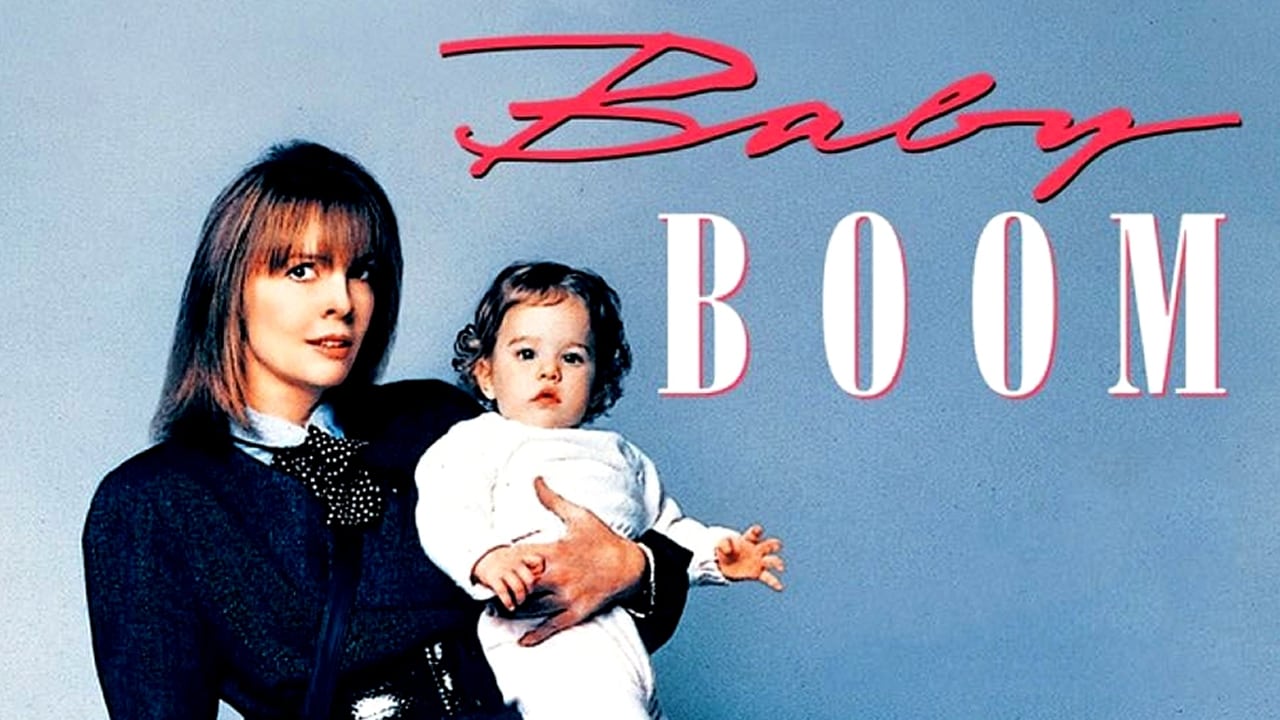
The film truly finds its heart, however, when J.C., overwhelmed and out of options, impulsively buys a sprawling, dilapidated farmhouse in Vermont. The transition from cutthroat Manhattan to idyllic, quirky Hadleyville is the classic fish-out-of-water setup, but writers Nancy Meyers and Charles Shyer (who also directed, and were a real-life couple known for sharp relationship comedies like Private Benjamin (1980)) infuse it with charm rather than just cheap laughs. J.C.'s struggles with leaky roofs, frozen pipes, and the sheer quiet are juxtaposed against the gradual thawing of her own tightly wound personality. This is where Sam Shepard, as the town veterinarian Dr. Jeff Cooper, enters the picture. Shepard, often known for more intense roles, brings a grounded, gentle masculinity that provides the perfect counterpoint to Keaton's urbanite energy. Their chemistry is understated, built on mutual curiosity and hesitant affection, feeling refreshingly mature compared to many rom-com pairings of the era. The picturesque Vermont setting (actually filmed primarily in Peru, Vermont) becomes almost a character itself, representing a different pace of life and a different set of values.
Behind the Screen Door
It’s easy to forget the practicalities of filming with an infant, but Elizabeth was actually portrayed by twins, Kristina and Michelle Kennedy. Managing their schedules and moods on set undoubtedly added another layer of logistical challenge, mirroring J.C.'s own struggles within the narrative! The film itself, made for a modest $15 million (around $40 million today), wasn't a blockbuster but became a beloved staple on VHS, finding its audience in homes rather than just multiplexes. It grossed nearly $27 million domestically (about $71 million adjusted), proving its gentle appeal resonated. The central concept of J.C.'s gourmet baby food business, "Country Baby," feels almost prescient, tapping into the burgeoning market for organic and artisanal products, even if presented here with a touch of accidental entrepreneurial spirit. It’s a delightful plot turn that allows J.C. to redefine success on her own terms. Interestingly, the film's blend of comedy and social commentary proved popular enough to spawn a short-lived TV series adaptation in 1988, starring Kate Jackson, though it never quite captured the magic of the original.
More Than Just Yuppie Angst
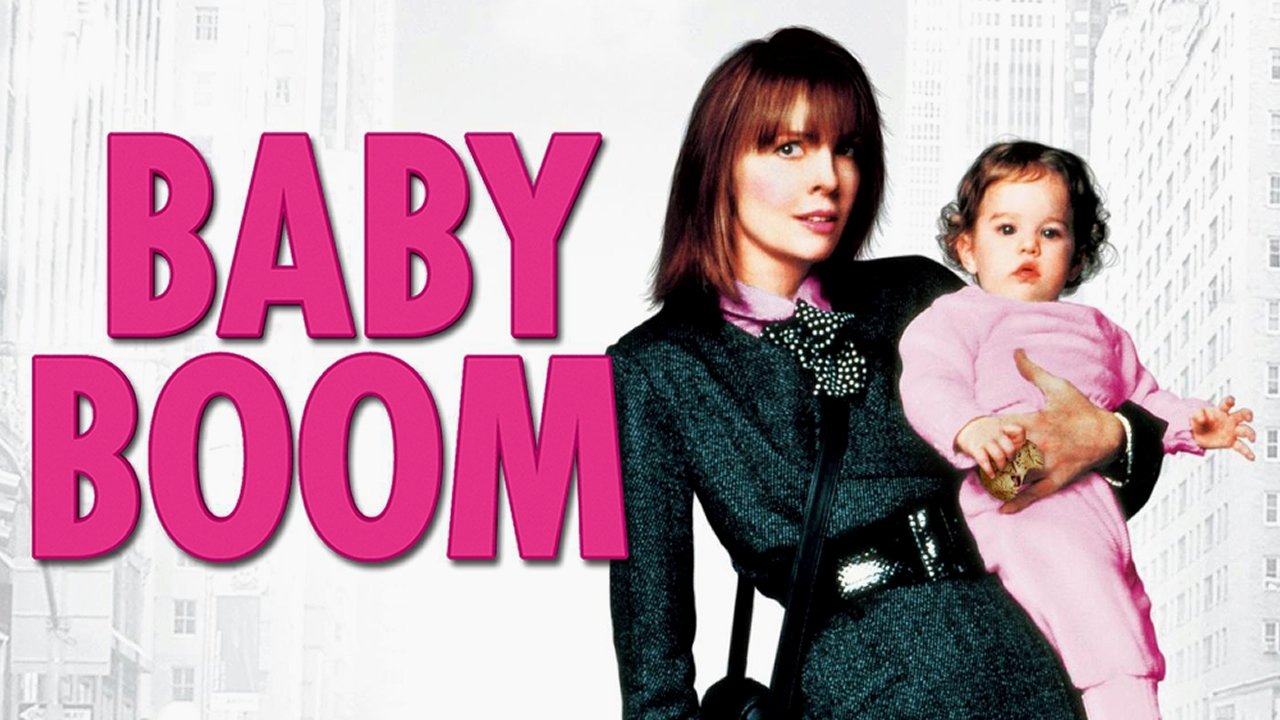
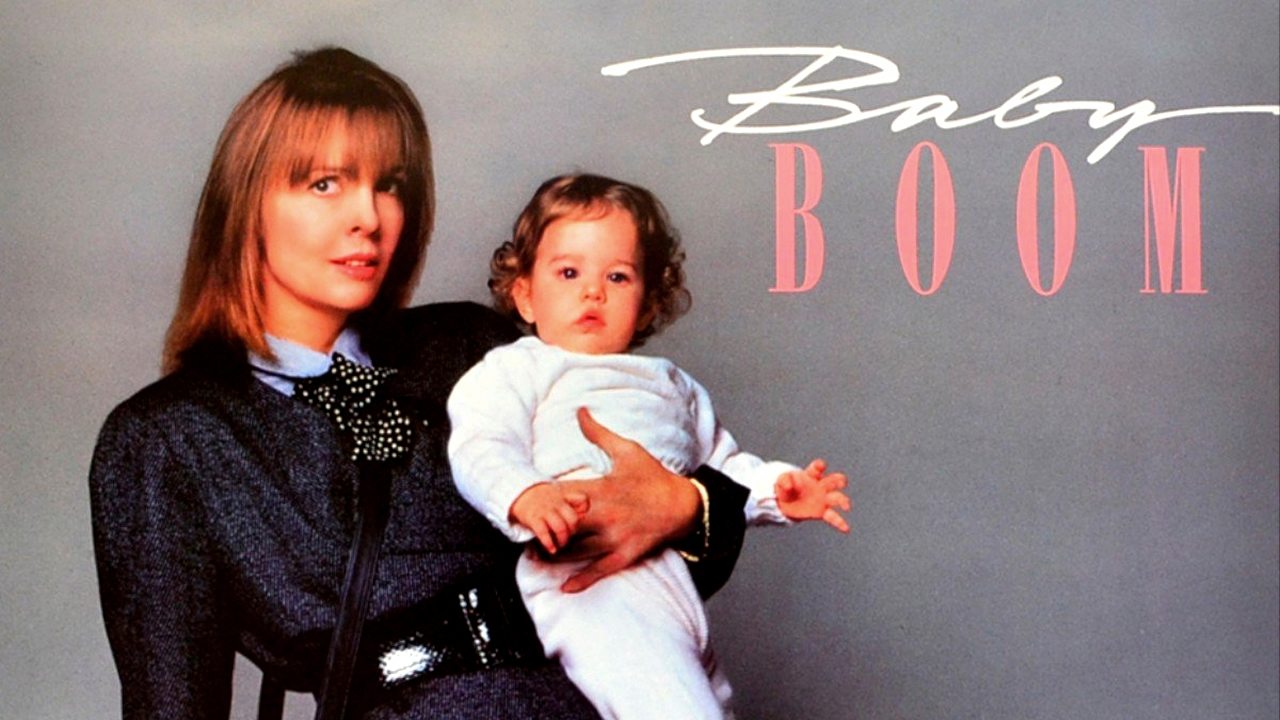
Beneath the humor and the romance, "Baby Boom" gently probes the "having it all" dilemma that felt particularly potent in the 80s. Can a woman truly balance a high-powered career with motherhood? The film initially seems to suggest it's an either/or proposition, forcing J.C. out of her corporate life. Yet, her eventual success with Country Baby offers a third way – building something meaningful outside the established structures. It critiques the soullessness of corporate ambition while celebrating resilience and the possibility of finding fulfillment in unexpected places. Does it offer easy answers? Perhaps. The ending feels a touch neat, a comfortable Hollywood resolution. But the questions it raises about work-life balance, societal expectations, and personal happiness still echo today. What truly elevates the film beyond a simple situational comedy is Keaton's performance. She charts J.C.'s evolution from brittle executive to flustered new mom to confident entrepreneur with vulnerability and impeccable timing. We believe her transformation because she makes every moment, from the hilarious to the heartbreaking, feel authentic.
Lasting Charm on the Shelf
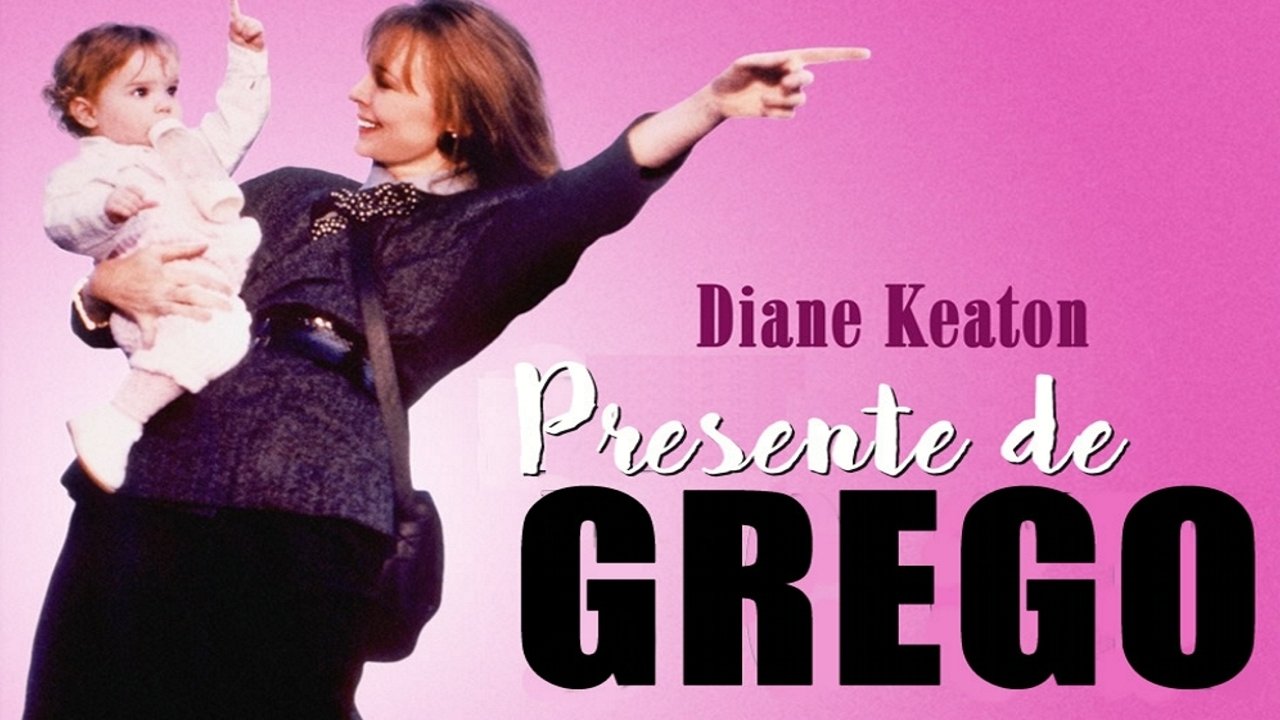
"Baby Boom" remains a thoroughly charming and often funny look back at a specific cultural moment. Its fashions and corporate dynamics definitely scream 1987, but the core emotional journey feels surprisingly timeless. It lacks cynicism, offering instead a warm, hopeful perspective on life's unexpected detours. It’s the kind of movie that likely saw heavy rotation in many VCRs, a comforting go-to rental that delivered reliable laughs and a genuinely satisfying story.
Rating: 8/10
This score reflects the film's undeniable charm, Diane Keaton's fantastic lead performance, its witty script, and its gentle exploration of enduring themes. While the ending might be a bit too tidy for some, the journey there is consistently engaging and warm-hearted, capturing a specific 80s zeitgeist with humor and surprising resonance. It’s a film that reminds us that sometimes the biggest disruptions lead to the most rewarding destinations, a comforting thought whether you first watched it on a fuzzy CRT or are discovering its appeal today.