It starts with the beat. That infectious, undeniable rhythm of Benny Goodman clawing its way through the static, a forbidden pulse in the heart of a darkening world. Swing Kids (1993) throws us headfirst into this jarring contrast – the vibrant, almost desperate energy of youth clinging to American swing music and jitterbug dancing, even as the jackboots of the Third Reich tighten their grip on 1939 Hamburg. It’s a film that, upon revisiting after all these years, still feels strangely unique, a historical drama filtered through the lens of teenage rebellion, friendship, and the devastating compromises demanded by survival.

Beneath the Beat: Friendship Under Pressure
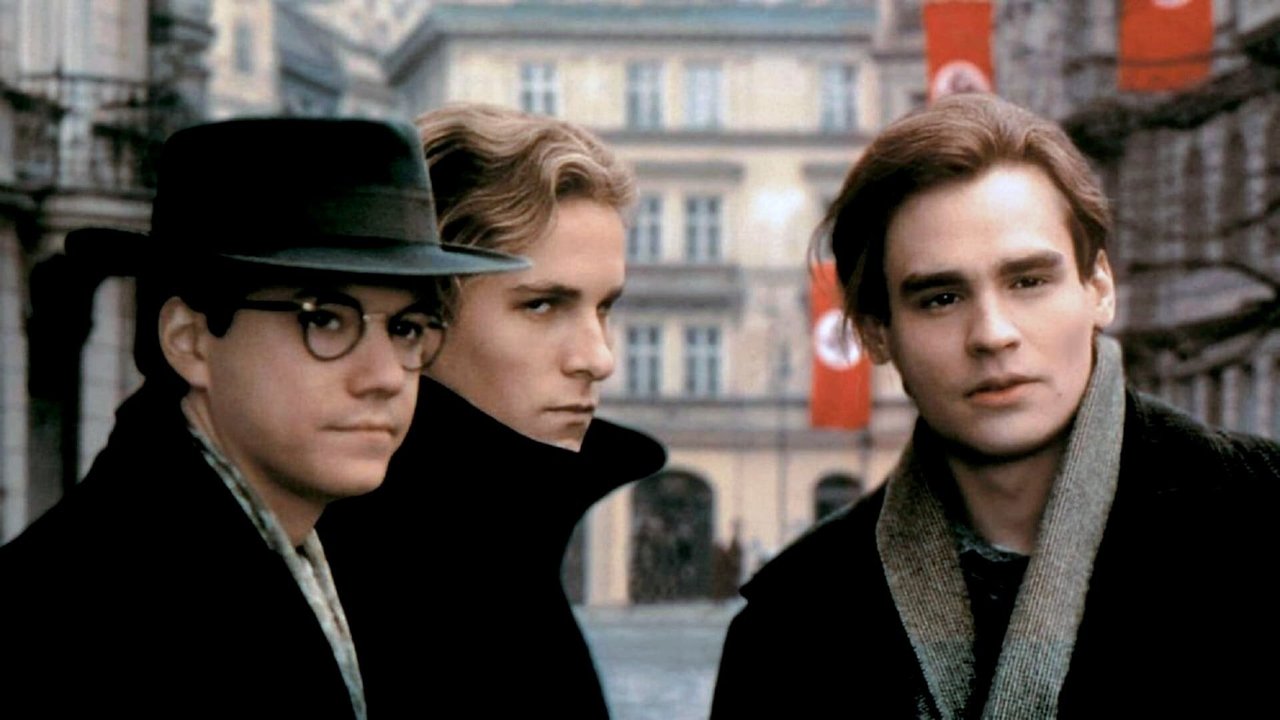
At its core, Swing Kids isn't just about the music; it's about the intense bonds between Peter Müller (Robert Sean Leonard), Thomas Berger (Christian Bale), and the tragically idealistic Arvid (Frank Whaley). These aren't just friends; they are 'Swing Kids', part of a subculture finding identity and escape in forbidden jazz records, English slang, and Zazou-inspired fashion. Their nights are spent in smoky underground clubs like the Cafe Bismarck, spaces pulsating with life and defiance. But the daylight world intrudes relentlessly. Peter, whose father was arrested for perceived communist sympathies, walks a tightrope of loyalty and fear. Thomas, initially as devoted to swing as Peter, finds himself drawn towards the structure, power, and perceived opportunities offered by the Hitler Youth (HJ).
The performances here are key. Robert Sean Leonard, fresh off Dead Poets Society (1989), perfectly embodies Peter's aching vulnerability and internal conflict. You see the weight of his family's situation pressing down on him, warring with his desire for youthful abandon. And then there's Christian Bale, in one of his significant early roles years before transforming for American Psycho (2000) or donning the Batsuit. His Thomas is magnetic, capturing the gradual, chilling transformation from rebellious swing enthusiast to indoctrinated HJ member. It’s not a sudden switch, but a believable slide fueled by ambition, resentment, and the seductive appeal of belonging, making his eventual choices all the more haunting. Frank Whaley's Arvid, the physically disabled musician fiercely loyal to the purity of swing and fiercely opposed to the Nazis, serves as the group's conscience, his fate underscoring the brutality they face.
Dancing on the Edge
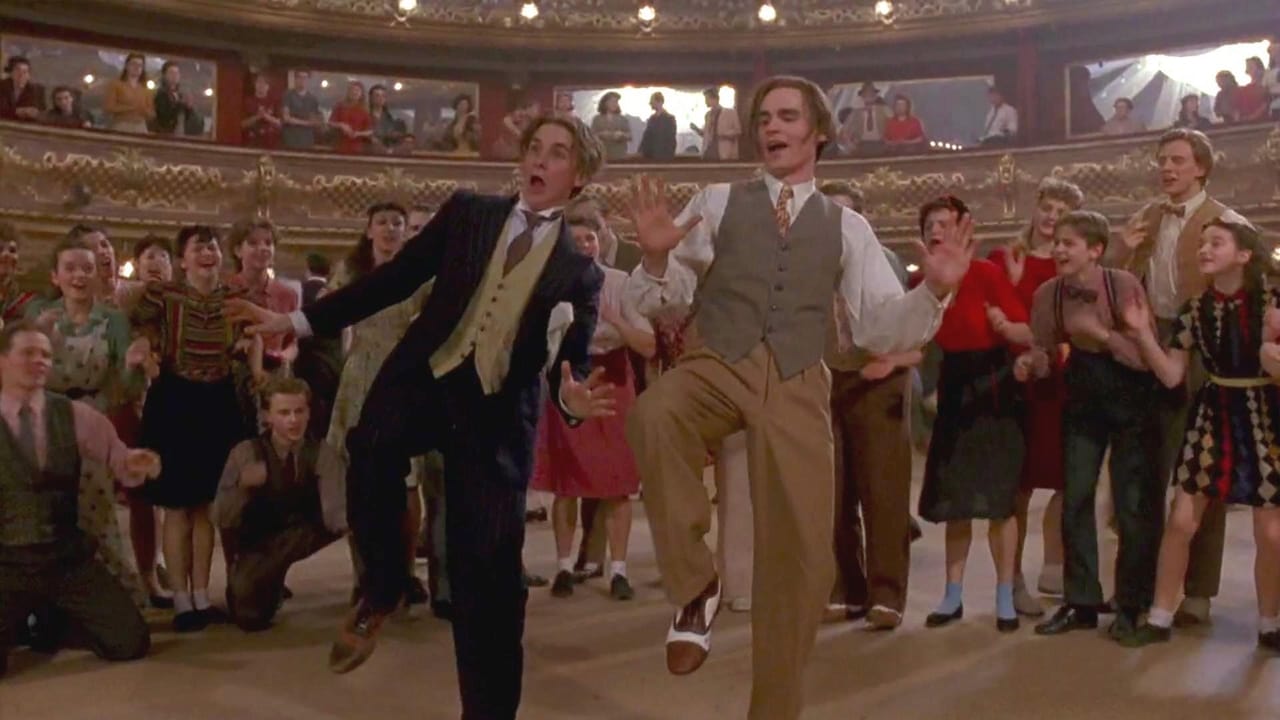
Director Thomas Carter, perhaps better known later for Coach Carter (2005), crafts a palpable sense of atmosphere. The contrast is stark: the warm, kinetic energy of the dance scenes versus the cold, increasingly grey palette of the outside world under Nazi control. The production design does a solid job of recreating the era, with Prague convincingly standing in for pre-war Hamburg. There’s a tangible feeling of borrowed time in those club scenes, an almost frantic quality to the dancing, as if the characters know this vibrant bubble must eventually burst.
The historical context is fascinating. Screenwriter Jonathan Marc Feldman drew inspiration from the real Swingjugend movement, groups of non-conformist youths in Germany who used swing music and fashion as passive resistance against the rigid Nazi ideology. While the film takes dramatic liberties, it taps into that genuine spirit of cultural rebellion. It’s a poignant reminder that resistance doesn't always involve guns and bombs; sometimes, it’s the refusal to stop dancing, the insistence on joy in the face of oppression. Doesn't that subtle act of defiance resonate even now, in different contexts?

Echoes and Authenticity (Retro Fun Facts)
Revisiting Swing Kids on VHS back in the day, it always felt slightly... different. It wasn't your standard teen movie, nor a typical WWII epic. That blend is perhaps why it didn't become a massive blockbuster (it grossed a modest $5.6 million domestically against a $12 million budget), but also why it sticks in the memory. The actors committed fiercely; Bale and Leonard, along with others, reportedly underwent intensive swing dance training to lend authenticity to their characters' passion. Look closely, and you'll spot a chilling, uncredited cameo by Kenneth Branagh as a ruthless SS officer interrogating Peter – a brief but impactful moment. The film’s journey itself mirrors its subject's struggle; Feldman's script, inspired partly by his own family history, took time to find its way to the screen, a testament to the power of preserving these less-told stories.
The Music Fades, The Questions Linger
Is Swing Kids a perfect film? Perhaps not. Some might argue the narrative occasionally simplifies complex historical currents or leans into familiar dramatic tropes. The tonal shifts between exuberant dance numbers and brutal Nazi oppression can sometimes feel jarring, though perhaps that's the point – reflecting the characters' own whiplash-inducing reality.
Yet, its power lies in its central dilemma. What happens when friendship clashes with ideology? How easily can youthful energy be co-opted by dangerous movements? The film forces us to watch as camaraderie fractures, as choices made out of fear, ambition, or a desire to fit in lead down dark paths. It asks uncomfortable questions about conformity and the courage it takes to stand apart, especially when the tide is turning overwhelmingly towards hatred. What lingers most powerfully after the credits roll isn't just the swing music, but the faces of these young men grappling with choices that will irrevocably shape their lives and souls.
Rating: 7.5/10
This score reflects the film's compelling and unique premise, the strength of its central performances (especially Bale's chilling transformation and Leonard's conflicted heart), and its effective portrayal of music as a form of resistance. It successfully captures a specific, often overlooked corner of history with genuine pathos. The deduction comes from occasional moments where the blend of teen drama and historical tragedy feels slightly uneven, and a narrative that sometimes simplifies the complex pressures of the era. However, its emotional core remains strong and resonant.
Swing Kids remains a poignant, thought-provoking film from the vaults – a reminder that even in the darkest times, the human spirit seeks rhythm, connection, and a space to simply dance, even if only for a fleeting moment before the music stops.