Okay, picture this: It’s Friday night, the flickering glow of the rental store sign cuts through the dark parking lot. You wander the aisles, past the big new releases, heading straight for the Action section. And there it is – a cover promising high-octane thrills, maybe a gleaming sports car, and the steely gaze of Dolph Lundgren. That was the magic doorway to films like Joshua Tree (or Army of One, depending on which well-worn tape sleeve you grabbed), a 1993 blast of pure, unadulterated 90s action that felt ripped right off the shelf and slammed directly into your VCR.
This wasn't just another action flick; it felt like something more visceral, largely thanks to the man behind the camera. Forget fancy wire-fu or digital doubles – Joshua Tree was directed by Vic Armstrong, a true legend in the world of stunt coordination and second-unit directing. We're talking the guy who doubled Harrison Ford in Indiana Jones and orchestrated mayhem on countless James Bond films! Armstrong even holds a Guinness World Record for his prolific stunt work. Bringing that lifetime of practical expertise to the director's chair meant Joshua Tree wasn't just going to show you action; it was going to make you feel it in your bones.
### Framed, Furious, and Flat-Out Fast
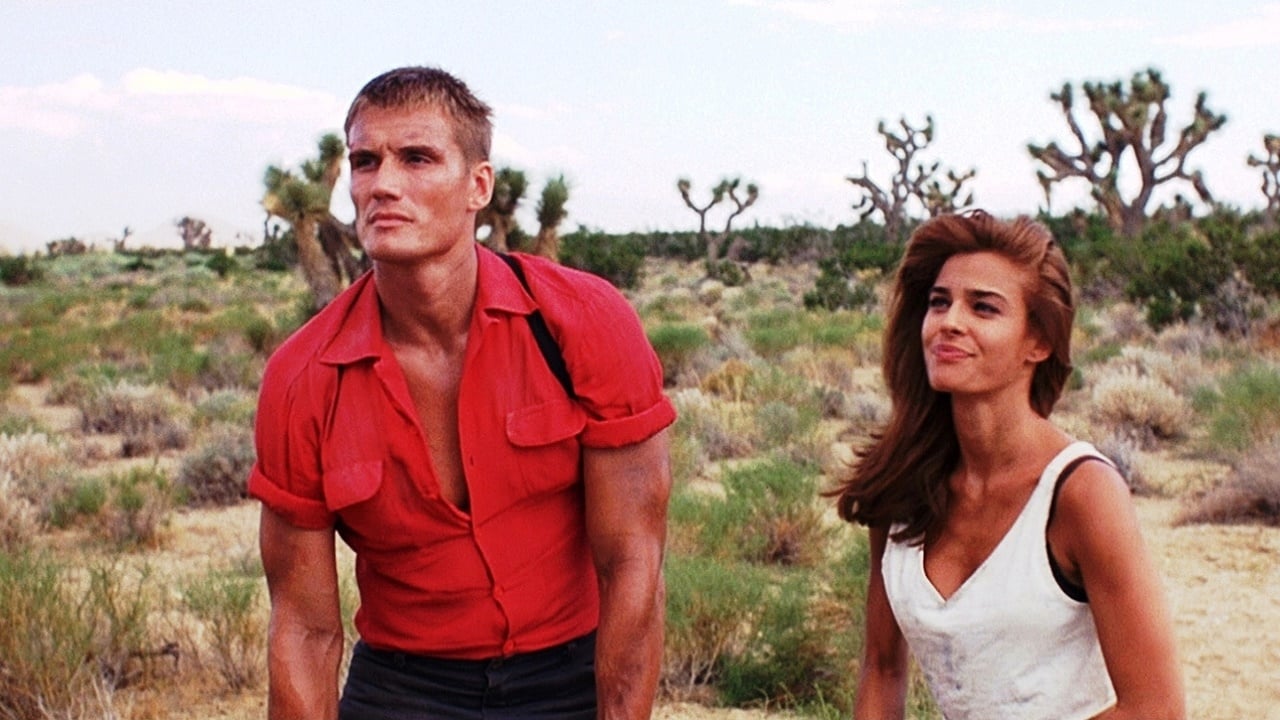
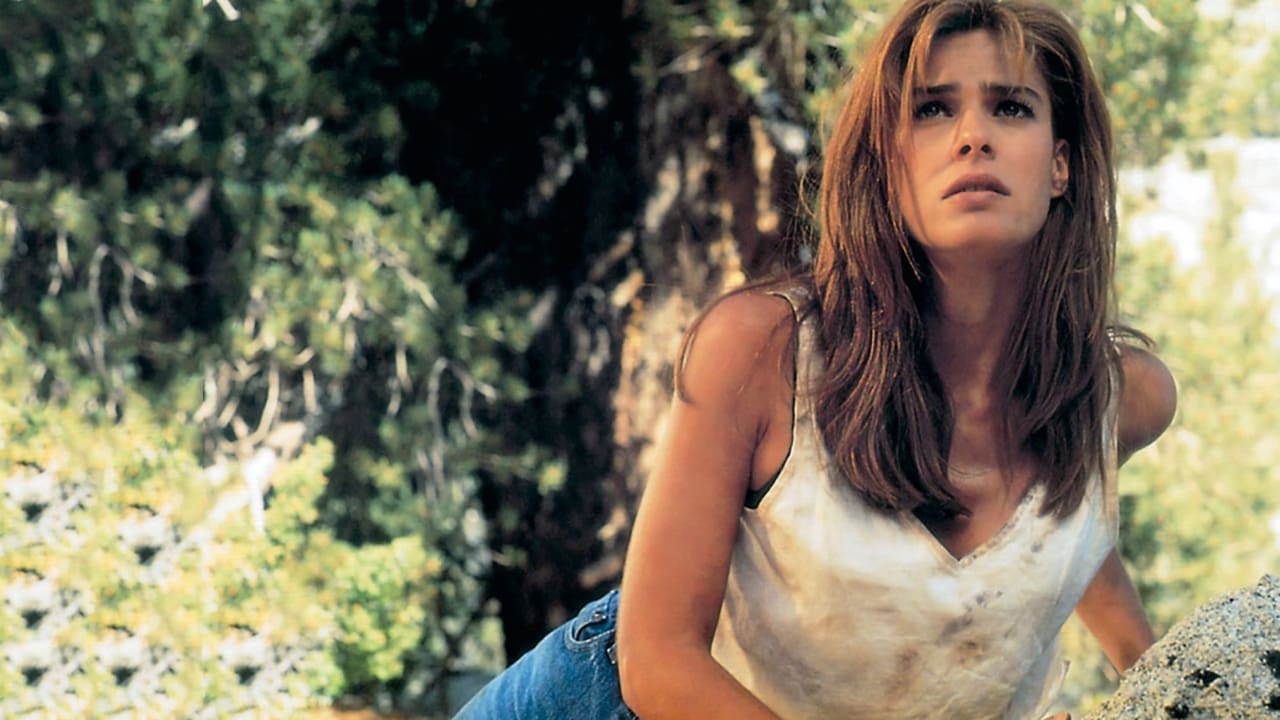
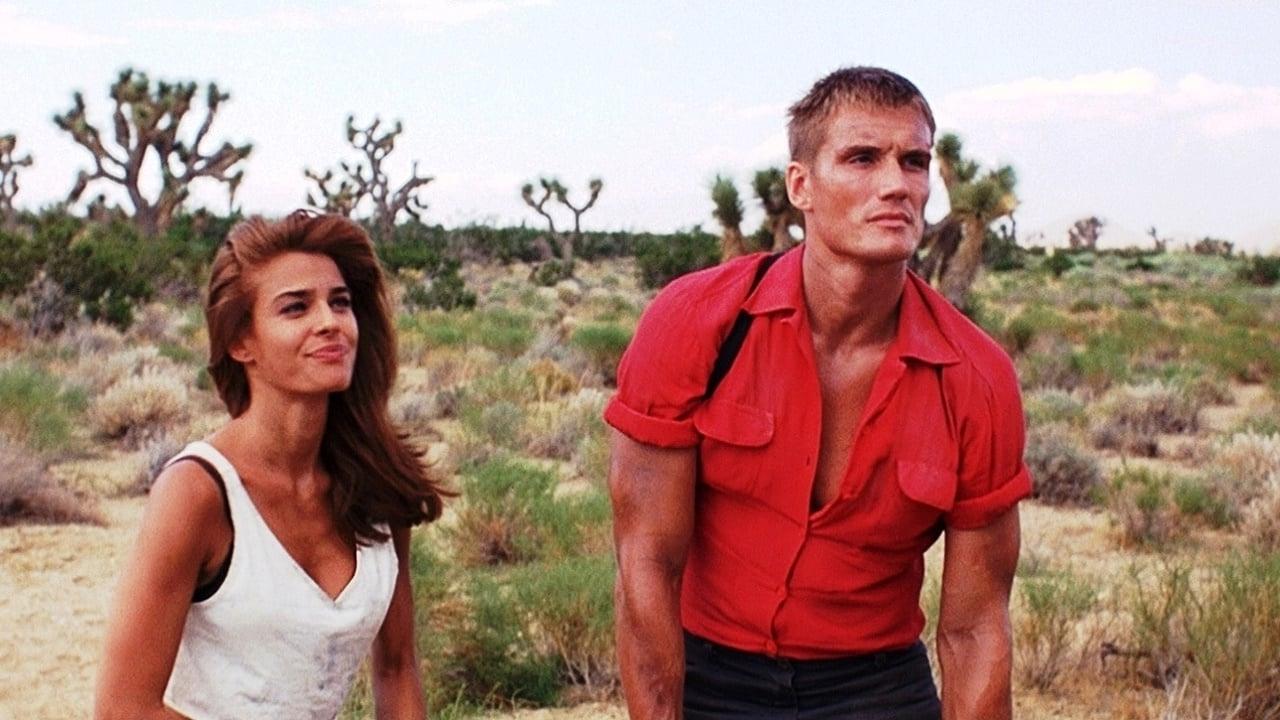
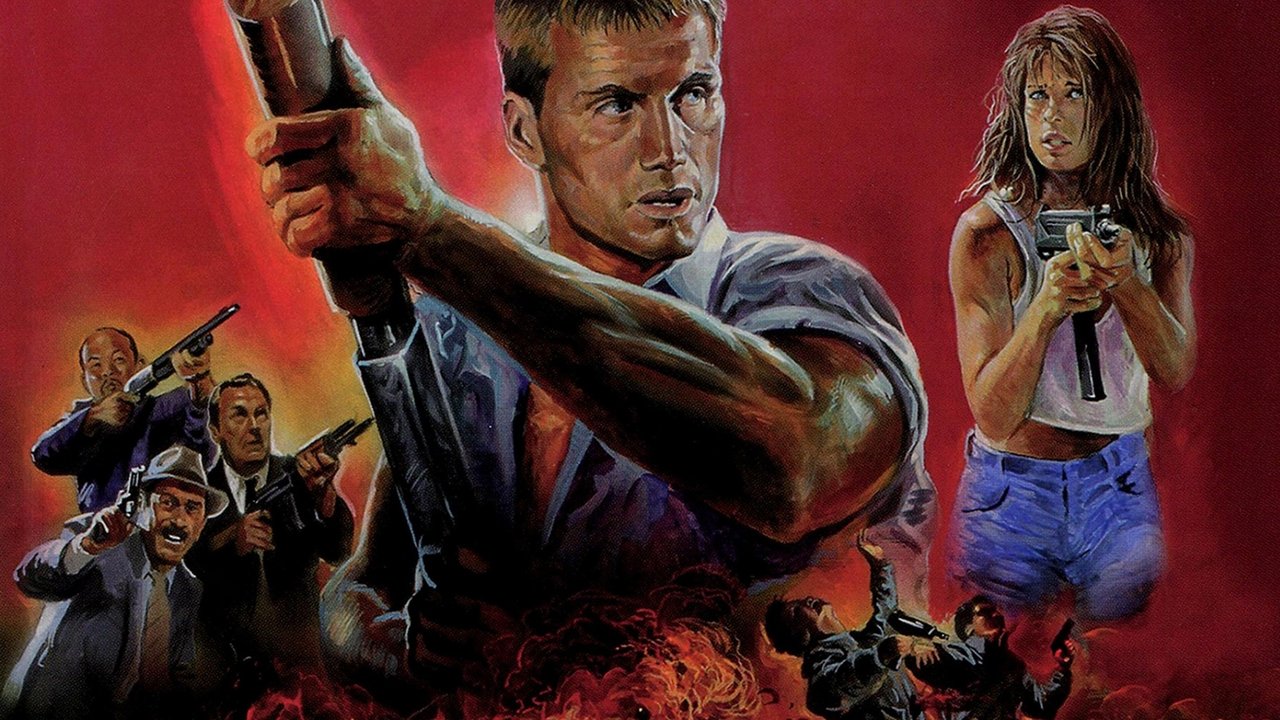
The premise is classic, almost archetypal 90s action fodder. Dolph Lundgren stars as Wellman Anthony Santee, a former race car driver turned transporter of exotic (and likely stolen) cars. Wouldn't you know it, a job goes sideways, his partner gets killed, and Santee finds himself framed for the murder of a highway patrolman by a seriously corrupt cop, Lt. Frank Severance (George Segal, clearly enjoying the chance to chew some scenery). After escaping custody during a prison transfer – in spectacular fashion, naturally – Santee goes on the run, inadvertently taking a resourceful bystander, Rita Marek (Kristian Alfonso, known to many from Days of Our Lives), as his hostage. What follows is a relentless chase across the starkly beautiful California desert landscapes (often filmed around Lone Pine, a classic Hollywood backdrop).
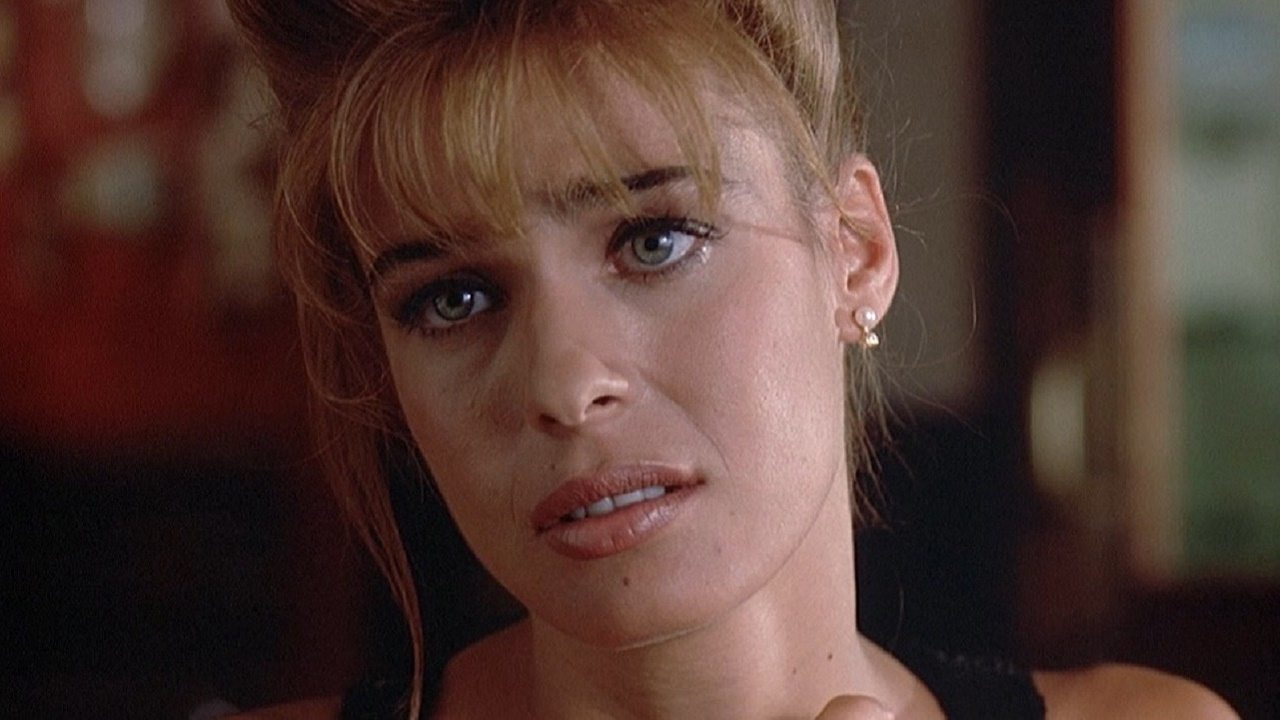
Santee needs to clear his name, Rita needs to survive, and Severance needs to silence Santee permanently. It’s a simple setup, but simplicity is often the best canvas for pure action artistry, especially when Armstrong is painting with practical effects. Remember how real those bullet hits looked back then? The squibs, the sparks – there was a weight to the violence that CGI often smooths over today.
### Petrol-Powered Poetry in Motion
Let's be honest, though: the real stars here are the cars and the chaos they create. Joshua Tree boasts some truly outstanding vehicle stunt work that still holds up remarkably well. The sequence involving a cherry-red Ferrari F40 is burned into the memory of anyone who rented this tape. The speed, the near misses, the sheer audacity of throwing such an expensive piece of automotive art around – it felt incredibly real because, well, much of it was. While filmmakers often use replicas for destruction, reports suggest Armstrong used genuine exotic cars like the F40 and a Lamborghini Diablo VT for much of the driving, lending an extra layer of intensity. You can almost smell the burning rubber and hot metal through the screen.
Armstrong's background shines here. The editing is crisp, the camera placement puts you right in the middle of the danger, and you understand the geography of the chase. It’s not just fast cuts and noise; it’s carefully orchestrated mayhem performed by incredibly skilled stunt drivers pushing real machines to their limits. This wasn't cooked up on a computer; it was executed by pros risking their necks, and that palpable sense of danger is something increasingly rare. I distinctly remember rewinding the big chase scenes on my trusty VHS copy just to try and figure out how they pulled certain maneuvers off.
### Lundgren, Grit, and 90s Charm
Dolph Lundgren, fresh off hits like Universal Soldier (1992), embodies the strong, stoic hero archetype perfectly. Santee isn't overly chatty; he's a man of action and few words, letting his driving skills and imposing presence do the talking. There's a believable physicality to his performance, and you buy him as someone capable of surviving this ordeal. Kristian Alfonso brings a welcome spark as Rita, evolving from frightened hostage to capable ally, adding a necessary human element amidst the explosions and engine roars. And George Segal? He leans into the corrupt cop role with relish, providing a perfectly hissable antagonist.
The film itself is undeniably a product of its time. The dialogue occasionally dips into cheesy territory, the plot mechanics aren't exactly revolutionary, and some of the fashion choices might elicit a chuckle. But that’s part of the charm, isn't it? It captures that specific early-90s direct-to-video action vibe – earnest, explosive, and made with a hands-on approach that prioritized practical spectacle. It reportedly cost around $10 million, a respectable sum for the time but peanuts compared to modern blockbusters, yet Armstrong squeezed every drop of production value onto the screen, particularly in the action department. It didn't set the box office alight theatrically but found its true home on video store shelves, becoming a firm favorite for action junkies.
***
Overall Rating: 7.5/10
Justification: Joshua Tree earns its stripes through sheer force of will and exceptional practical stunt work. While the plot and dialogue are standard 90s action fare, Vic Armstrong's masterful direction of the car chases and action sequences elevates it significantly. Dolph Lundgren delivers a solid performance, and the film provides exactly the kind of visceral, metal-on-metal thrills that defined the best VHS action rentals. It might feel dated in places, but the raw energy and incredible stunt craft remain impressive.
Final Take: This is prime VHS-era action – loud, fast, and built on real sparks and twisted metal, not pixels. If you miss the days when car chases felt genuinely dangerous, Joshua Tree/Army of One is a ride absolutely worth taking again.