Alright, fellow tapeheads, rewind your minds back to the glorious clutter of the video store shelves circa the early 90s. Amidst the Hollywood heavyweights, there were always those eye-catching Hong Kong imports, often with slightly dubious cover art but promising unparalleled action mayhem. And sometimes, you stumbled onto pure, unadulterated gold like 1992's Twin Dragons (Shuang long hui). This wasn't just another Jackie Chan vehicle; it was two Jackie Chans for the price of one rental!
Double Trouble, Double the Fun
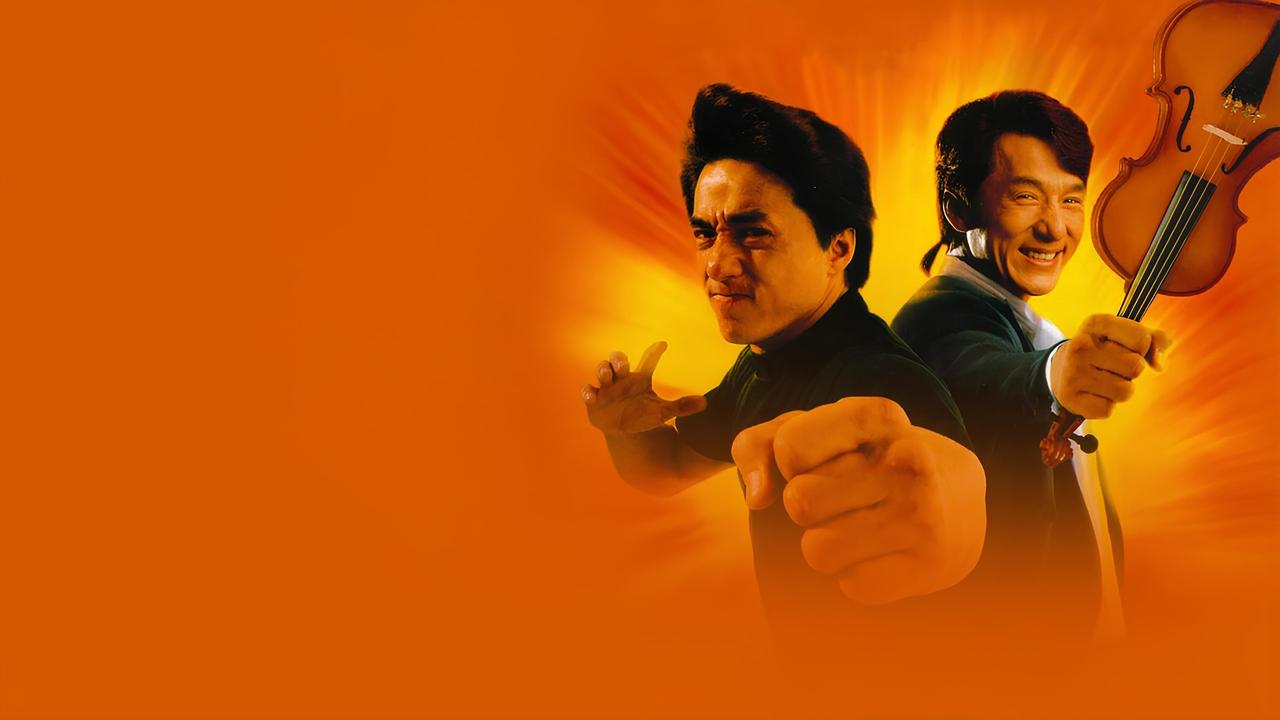
The premise alone is the kind of high-concept magic that feels perfectly suited to the era: identical twins, separated at birth by a bungled hospital escape involving gangsters (naturally!). One, Ma Yau, grows up to be a sophisticated, world-famous concert pianist and conductor raised in privilege in America. The other, Boomer (or "Die Hard" in some versions – gotta love those naming conventions!), becomes a street-smart mechanic, wannabe racer, and rough-and-tumble fighter scraping by in Hong Kong. Fate, of course, conspires to bring them back together, leading to a whirlwind of mistaken identity, escalating chaos, and brilliantly choreographed action set pieces.
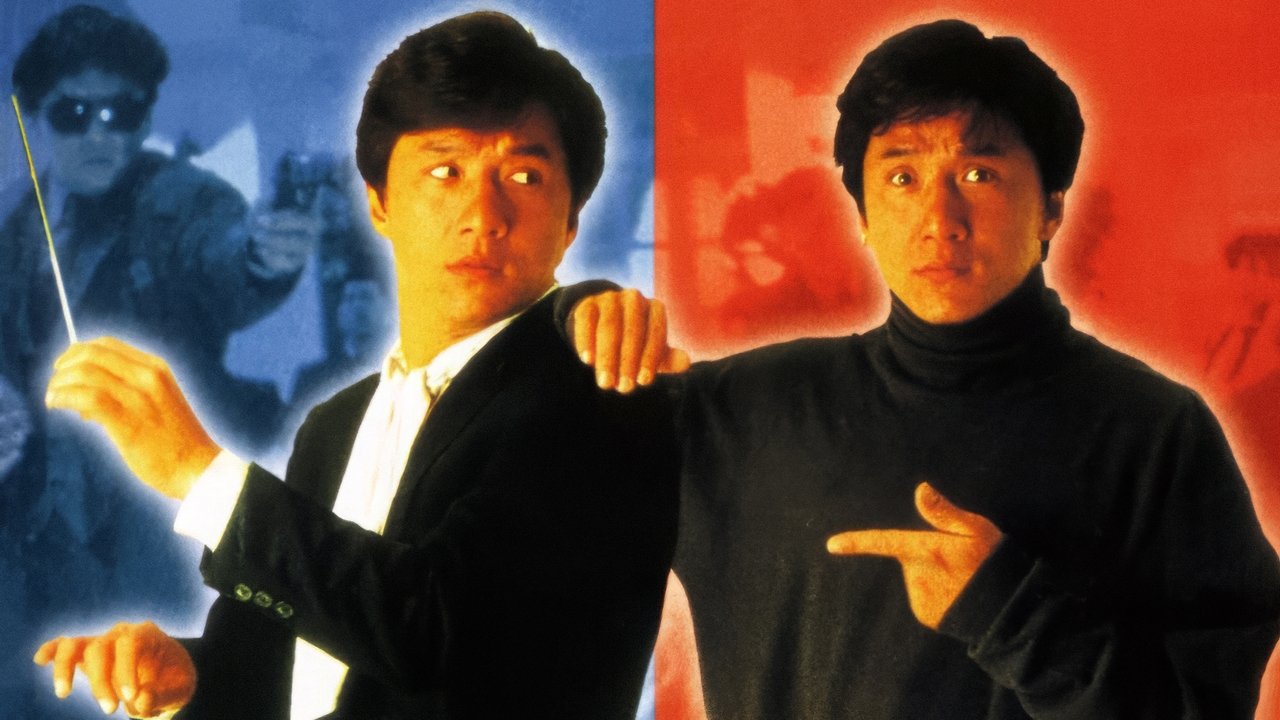
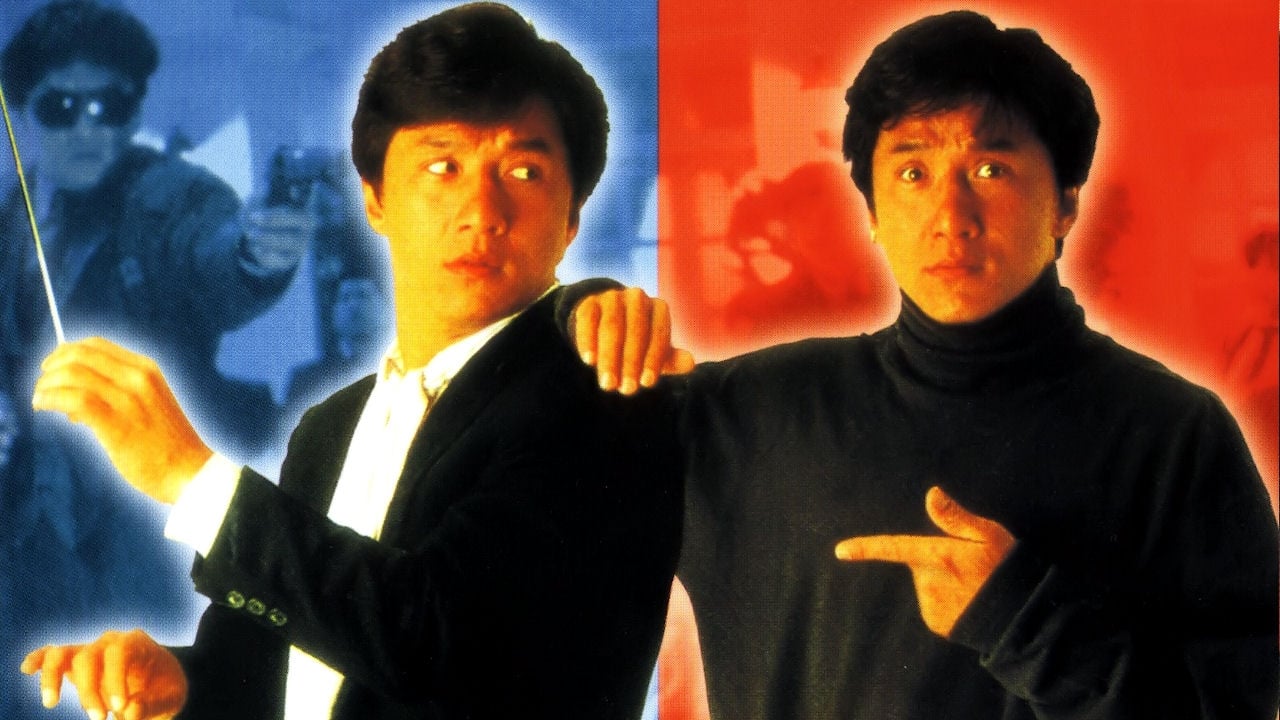
Watching Chan play these two wildly different characters is half the fun. He leans into the physical comedy, contrasting Ma Yau's bewildered refinement with Boomer's scrappy energy. It’s a testament to his screen presence that you instantly buy them as distinct individuals, even when they're wearing the exact same outfit. And let's be honest, seeing the "wrong" Jackie try to navigate the other's world – the sophisticated Ma Yau attempting Boomer's signature fighting moves or Boomer trying (and failing) to conduct an orchestra – is comedy gold.
A Director's Guild Power Play
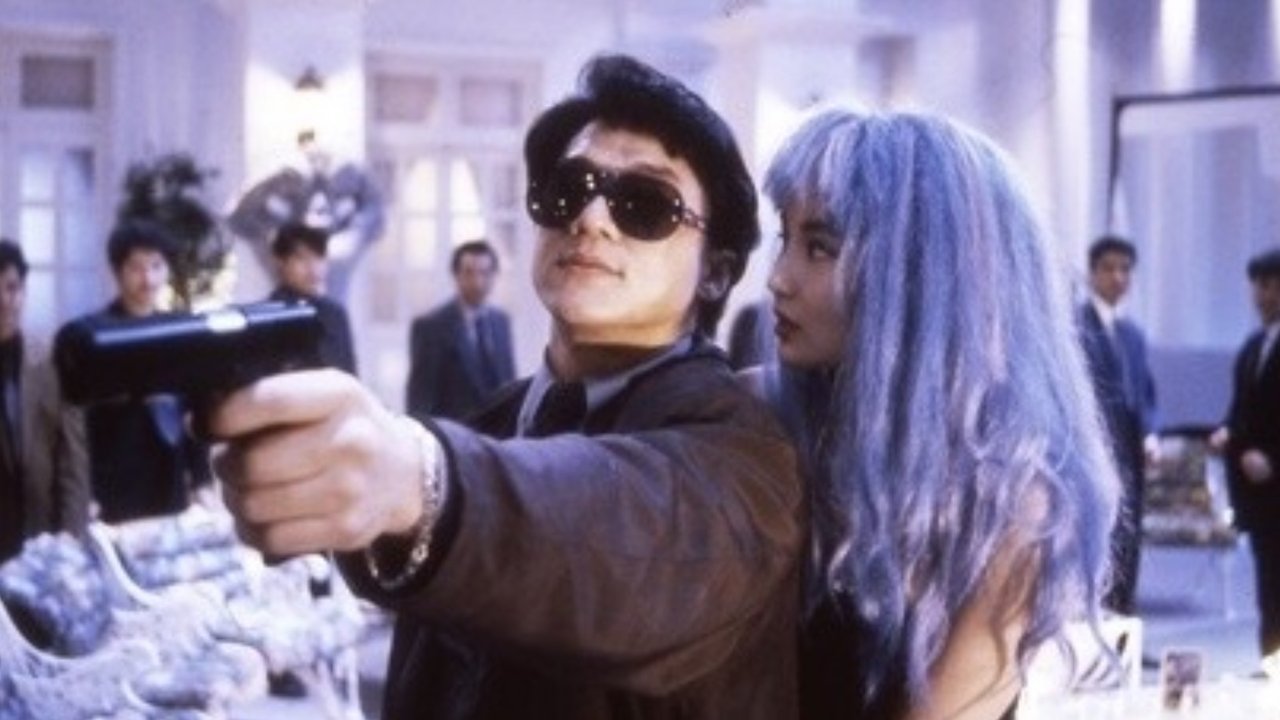
Here's a sweet retro fun fact: Twin Dragons wasn't just a commercial venture; it was conceived as a special project to raise funds for a new headquarters for the Hong Kong Director's Guild. This explains the frankly staggering directorial firepower behind the camera, primarily shared by action maestro Ringo Lam (think the gritty intensity of City on Fire) and the visionary Tsui Hark (the man who gave us the stylistic fireworks of the Once Upon a Time in China series). You can almost feel their distinct styles wrestling for control at times – Lam’s grounded toughness in some of the brawls, Hark’s penchant for almost fantastical visual flair elsewhere.
This Guild connection also explains the absolute bonanza of cameos. Seriously, pause that tape frequently! You'll spot legendary directors like John Woo, Kirk Wong, Clifton Ko, Bennett Lee, and many others popping up in bit parts throughout the film. It adds another layer of fun for HK cinema buffs, turning viewings into a game of 'spot the auteur'.
Action That Still Pops
Now, let's talk about what really made these HK action flicks sing on our fuzzy CRT screens: the stunts. Twin Dragons delivers that glorious, pre-CGI, practical action that feels genuinely dangerous because, well, it often was. Forget perfectly smooth digital composites; the challenge here was making Jackie Chan fight himself (or at least appear to). This involved meticulously planned choreography, clever use of body doubles (often filmed from behind or in quick cuts), and ingenious split-screen techniques that, while maybe not seamless by today's pixel-perfect standards, felt like pure wizardry back then. Wasn't the ingenuity just part of the charm?
The fights have that signature Chan blend of intricate prop work, acrobatic brilliance, and painful-looking impacts. The finale, set in a Mitsubishi vehicle testing center (product placement, anyone?), is a standout. Cars slide, crash, and explode with tangible weight, while Chan utilizes every conceivable part of the environment – test dummies, ramps, machinery – as a weapon or an escape route. You feel the crunch of metal and the thud of bodies hitting the ground in a way that slicker, modern action sequences often lack. Remember how real those car stunts felt compared to today's physics-defying digital creations?
More Than Just Jackie
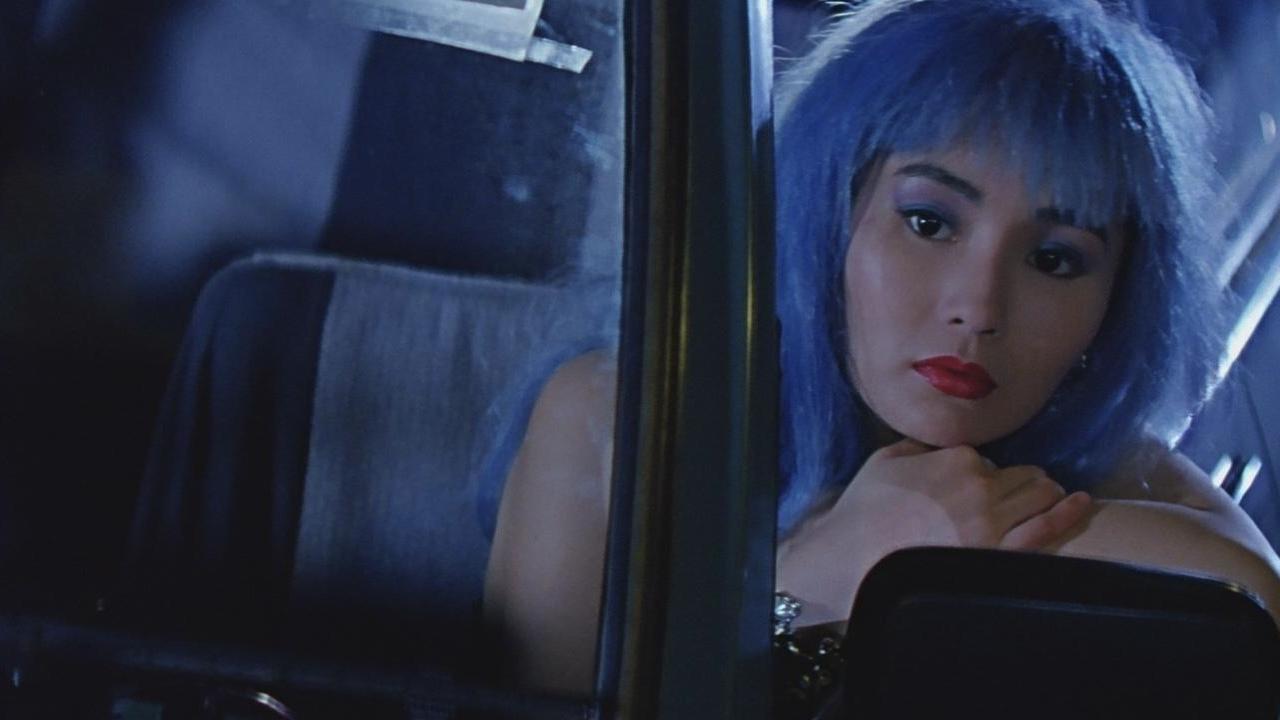
While Chan is undoubtedly the main attraction (twice over!), the supporting cast adds flavor. The wonderful Maggie Cheung shines as Barbara, Boomer's fiery love interest, bringing her signature charm and comedic timing. Her exasperation and eventual confusion as she encounters the "other" Jackie is hilarious. Teddy Robin Kwan also makes an impact as Tarzan (Rocky in the US version), Boomer's diminutive but fiercely loyal best friend, providing plenty of comic relief. The chemistry between the leads feels genuine, adding heart amidst the mayhem.
The film was a smash hit in Hong Kong, though its path to the West was a bit rockier, eventually getting a Miramax release in 1999 with the usual dubbing, editing, and score changes that often accompanied these imports. Finding an original language version on VHS felt like unearthing a treasure.
VHS Heaven Rating: 8/10
Twin Dragons is pure, distilled 90s Hong Kong action-comedy. It's got a delightfully absurd premise, two engaging performances from its superstar lead, fantastic practical stunt work that still impresses, and a layer of behind-the-scenes intrigue thanks to its unique Director's Guild origins. Sure, the plot is flimsy, some jokes misfire, and the split-screen tech shows its age, but the sheer energy, creativity, and Jackie Chan's incredible physical commitment shine through brightly. It perfectly captures that feeling of discovering something wildly entertaining and slightly exotic on the video store shelf.
Final Thought: It's a glorious, chaotic twin-spin cycle of fists, folly, and phenomenal stunt work – a reminder that sometimes, two Jackies are definitely better than one, especially when they’re crashing through things for real.