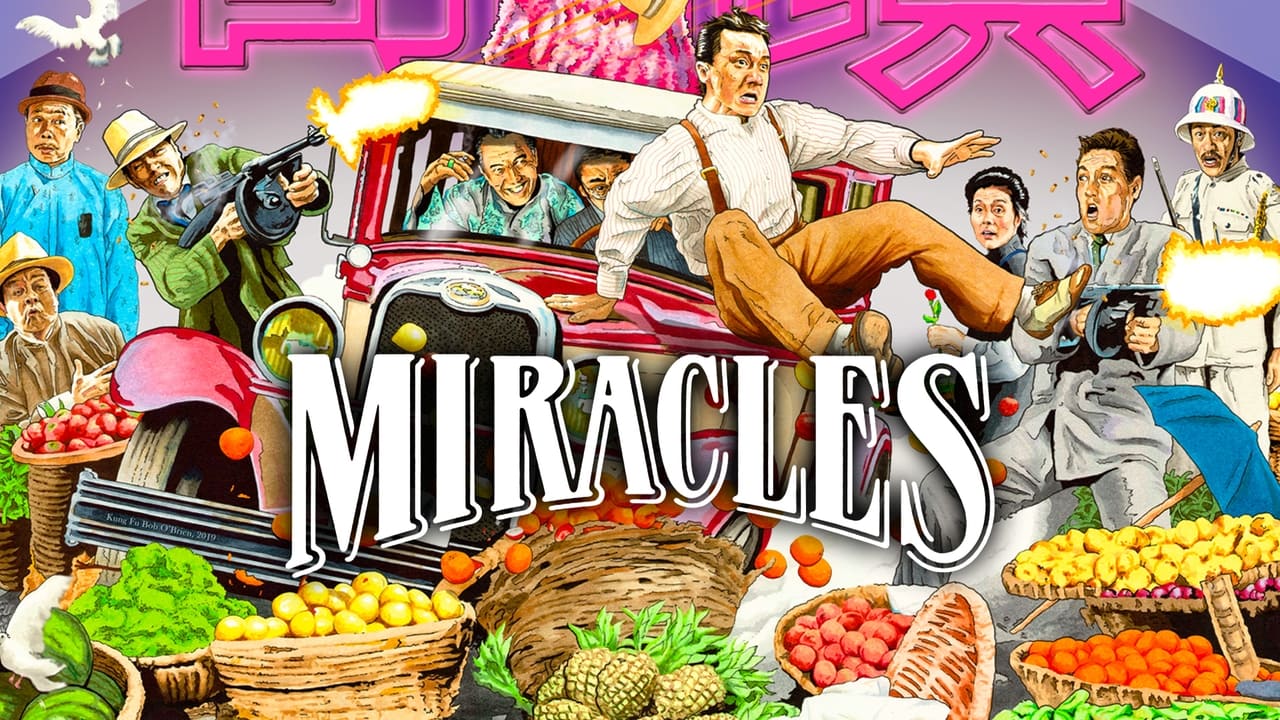
Alright fellow tape travellers, gather 'round the flickering glow of the imaginary CRT. Tonight, we’re digging into a real gem from the golden era, one that might have surprised you when you first slid that chunky cassette into the VCR. Forget the usual gritty streets and non-stop brawls for a second. We’re talking about Jackie Chan’s ambitious, visually stunning, and surprisingly heartwarming 1989 epic, Miracles (sometimes found under the equally fitting titles Mr. Canton and Lady Rose or even The Canton Godfather). This wasn't just another action flick; this was Jackie swinging for the fences, aiming for something grander.
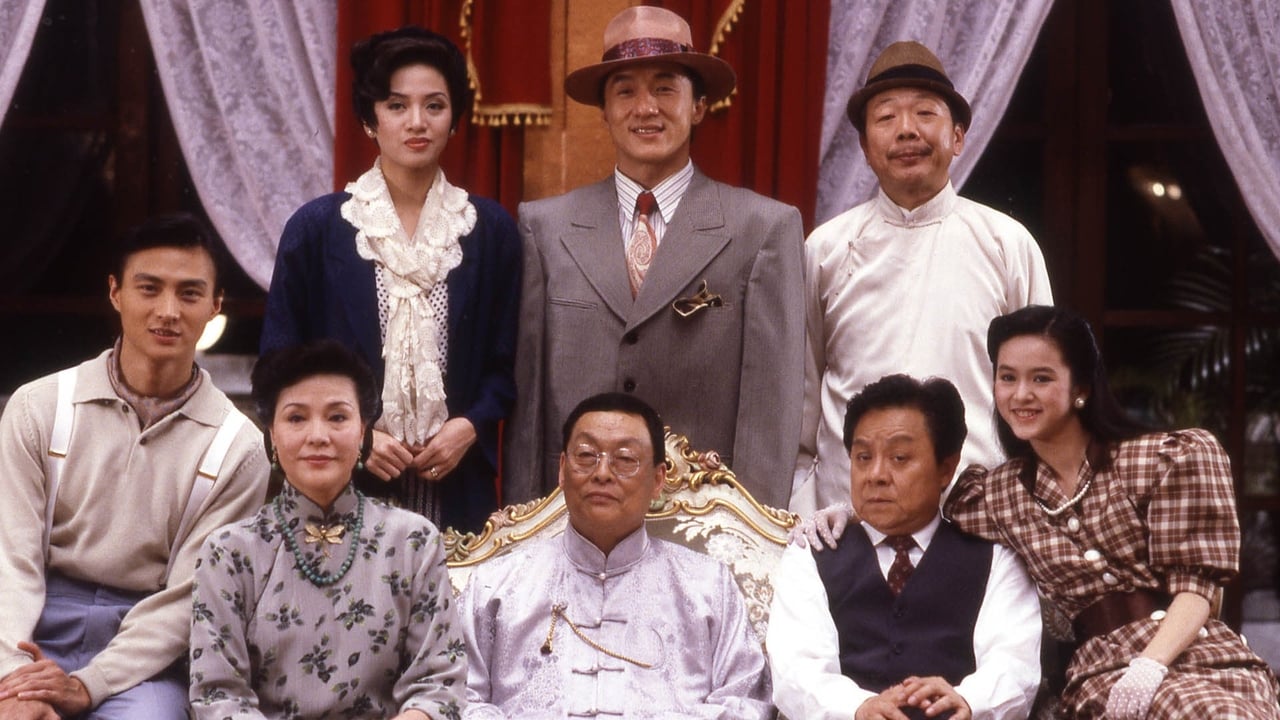
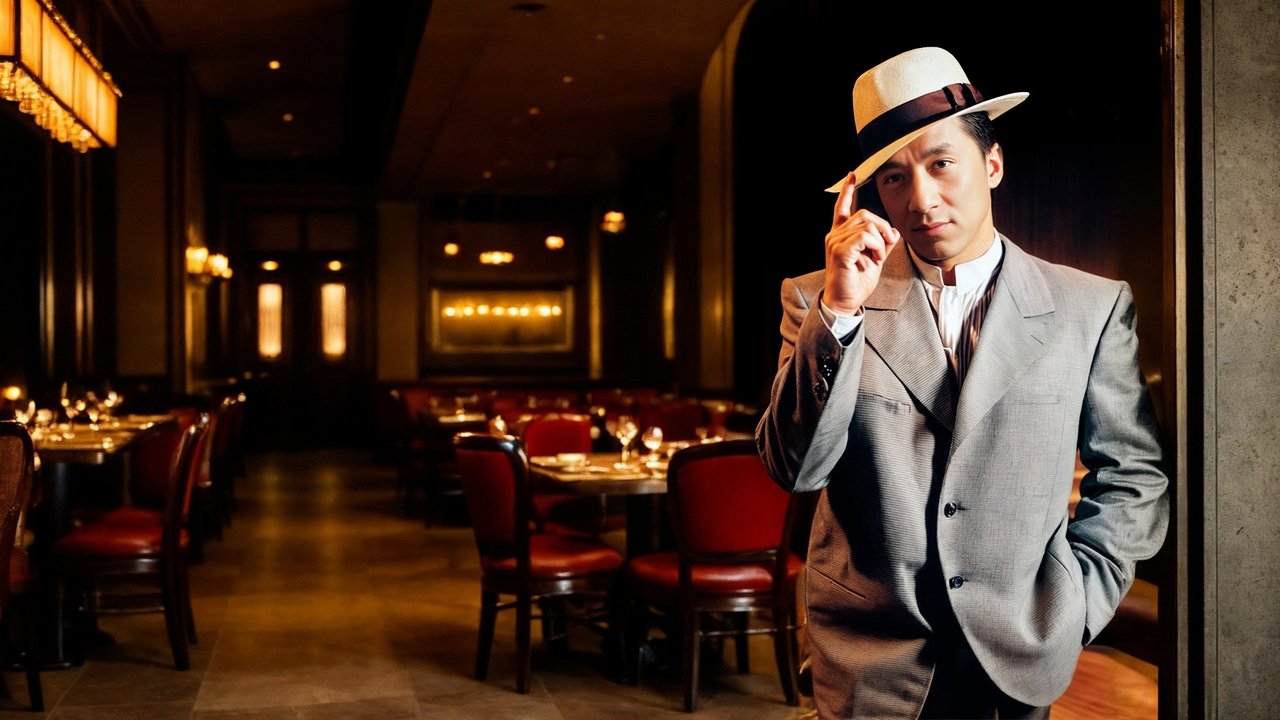
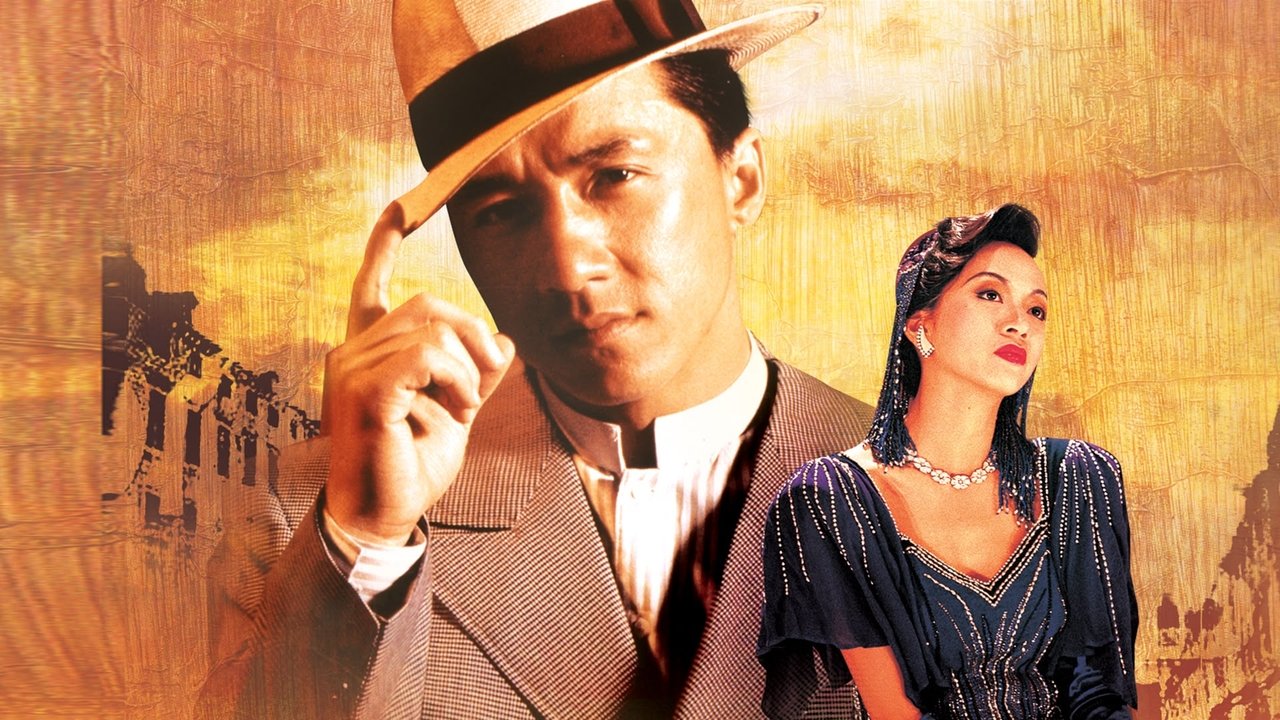
Remember pulling this one off the shelf? Maybe the cover art, often featuring a dapper Jackie amidst opulent settings, hinted that this was different. And oh boy, was it. Set in a gloriously realized 1930s Hong Kong, Miracles follows the charmingly naive country boy Kuo Cheng-Wah (Jackie Chan), who stumbles into becoming the head of a powerful gang thanks to a lucky rose bought from the kindly, down-on-her-luck Madam Kao (Gua Ah-leh). When Madam Kao needs to impress her wealthy prospective son-in-law and returning daughter, Kuo rallies his entire gang (and inadvertently half of Hong Kong's underworld) to transform her into a high-society lady for a few days.
### More Than Just Fists and Fury
This film felt lavish back then, didn't it? And honestly, it still looks incredible. Jackie Chan, pulling triple duty as director, star, and co-writer (alongside Edward Tang), poured his heart, soul, and a massive budget into this passion project. He was clearly inspired by Frank Capra's classic Hollywood tales, specifically Lady for a Day (1933) and its 1961 remake Pocketful of Miracles. You can feel Chan striving to create something with timeless elegance and genuine warmth, a departure from the raw, contemporary action that made him a global superstar in films like Police Story (1985). Word is, this production was immensely stressful for Chan, pushing him to his limits creatively and financially – it was reportedly the most expensive Hong Kong film ever made at the time. But watching it, you see where every dollar went.
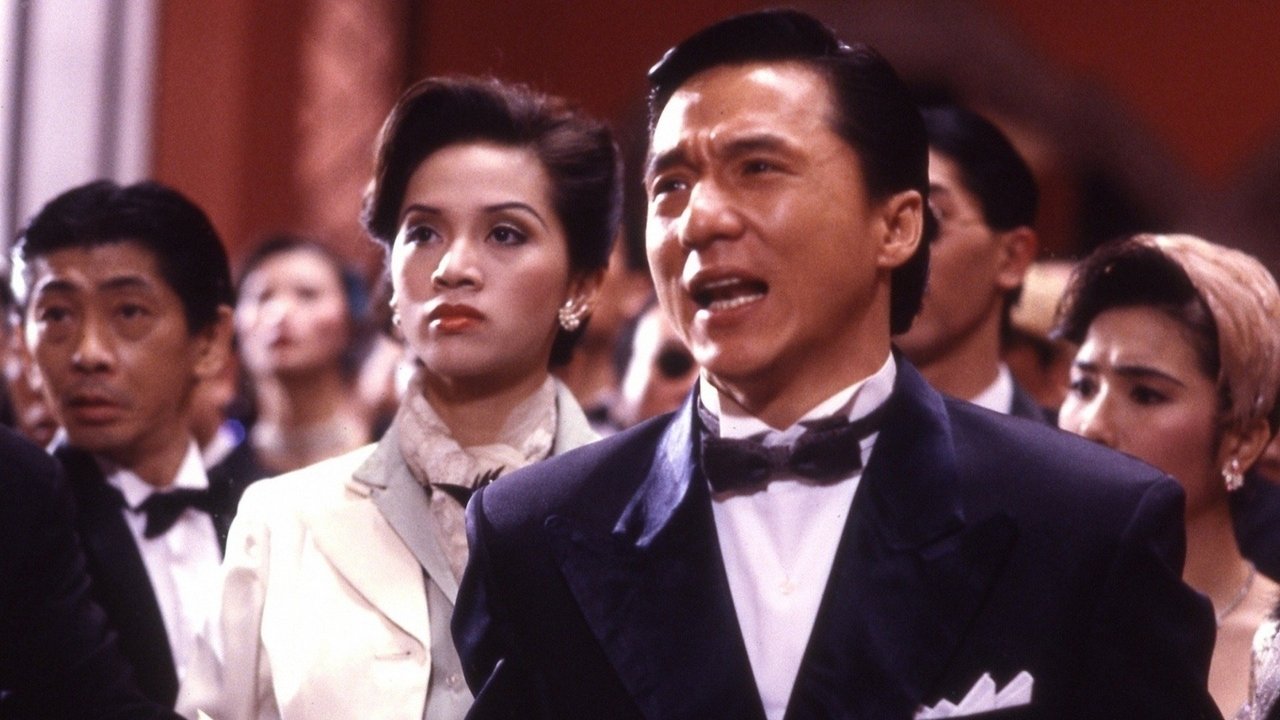
The production design is simply breathtaking. The bustling streets, the smoky nightclubs, the extravagant costumes – they transport you completely. Cinematographer Arthur Wong paints a picture bathed in rich colours and deep shadows, giving the film a visual polish that felt leagues apart from many action films of the era. This wasn't just filmed; it was crafted. It’s the kind of movie where you could pause the VHS tape (risking those tracking lines, of course!) just to admire the detail in a single frame.
### When Charm Meets Chaos
Now, don't think Jackie forgot the action! While Miracles is driven more by its intricate plot and character comedy, the set pieces are pure Chan brilliance, executed with that signature blend of breathtaking choreography and ingenious prop work we adore. There isn't the constant barrage of death-defying stunts found in some of his other 80s masterpieces, but the action here feels perfectly integrated into the story and character.
Remember the incredible fight sequence in the rope factory? The intricate weaving through machinery, the use of the environment – it’s a masterclass in physical storytelling. It’s less about brutal impact and more about complex, almost dance-like movement, showcasing Chan's unparalleled physical grace. These were practical stunts, meticulously planned and executed by real performers putting themselves on the line. There’s a weight and ingenuity to it that CGI often struggles to replicate. The finale, involving multiple gangs, misunderstandings, and frantic attempts to keep the charade going, is a whirlwind of perfectly timed slapstick and thrilling near-misses.
### A Galaxy of Hong Kong Stars
Beyond Chan's incredibly likeable turn as the accidental gangster boss Kuo, the film shines thanks to its ensemble cast. The luminous Anita Mui, a superstar singer and actress sadly taken too soon, is an absolute delight as Yang Luming, the sassy nightclub singer who becomes Kuo's confidante and partner-in-charade. Her chemistry with Chan is electric, adding layers of romance and humour. Gua Ah-leh brings genuine pathos and warmth to the role of Madam Kao, the heart of the story.
And the cameos! Oh, the cameos. Miracles is famous for being a veritable who's-who of the Hong Kong film industry at the time. Keep your eyes peeled, and you’ll spot dozens of familiar faces from Golden Harvest classics and beyond, a testament to the respect Chan commanded. It felt like the entire Hong Kong movie scene turned out to support his ambitious vision. Tracking down who was who became part of the fun of rewatching the tape!
### A Different Kind of Miracle
Miracles was lauded in Hong Kong, picking up awards (including Best Action Choreography at the Hong Kong Film Awards) and cementing Chan's reputation as more than just an action star. Internationally, it might not have had the immediate, visceral impact of Police Story or Armour of God (1986), perhaps because it demanded a bit more patience and appreciation for its sophisticated blend of genres. But for fans who discovered it, perhaps tucked away in the "Foreign Films" or "Action Comedy" section of the rental store, it felt like uncovering something truly special. It proved Jackie Chan could deliver elegance and emotion alongside the thrills.
For years, Chan himself cited Miracles as the film he was most proud of directing. Watching it today, it’s easy to see why. It’s a film made with immense care, ambition, and a genuine love for classic filmmaking.
VHS Heaven Rating: 9/10
Justification: Miracles earns this high score for its sheer ambition, stunning visuals, wonderful performances (especially from Chan and Mui), heartwarming story, and intricately choreographed action sequences. It’s a unique standout in Chan's filmography, showcasing his directorial talent alongside his physical prowess. It loses a single point perhaps only because those seeking non-stop, high-impact stunts might find the pacing slightly more deliberate than his pure action fare, but its overall quality is undeniable.
Final Thought: More than just a punch-up, Miracles is a champagne cocktail of action, heart, and Golden Age Hollywood charm, served with that unmistakable Hong Kong energy – a truly elegant treasure from the VHS era that still dazzles.